Executive Summary
- Florida’s wind speed zone map is crucial for understanding stringent roofing requirements mandated by the Florida Building Code, ensuring structural integrity against severe weather events.
- The maps categorize regions by expected wind pressures, directly dictating specific material choices, fastener types, and installation methods for residential and commercial roof systems.
- High-Velocity Hurricane Zones (HVHZ), predominantly in South Florida, impose the strictest building standards, requiring enhanced roof systems for superior resilience against extreme winds.
- Adhering to correct wind zone requirements is essential for securing building permits, passing mandatory inspections, validating homeowner’s insurance policies, and maintaining property value.
- Regular updates to the Florida Building Code, incorporating ASCE 7 standards, reflect evolving climate science and necessitate ongoing awareness for compliance in roofing projects.
- Consulting a certified roofing professional familiar with local wind zone maps ensures your roofing project meets all code requirements, avoiding costly future rectifications and ensuring safety.
Understanding Florida’s Wind Speed Zones
Florida’s intricate wind speed zone map serves as a foundational guide for all construction, particularly roofing, dictating minimum structural requirements to withstand the state’s prevalent hurricane and severe storm threats. This mapping system categorizes geographical areas based on their exposure to extreme wind forces, directly influencing the design and installation standards for roofs across the state. These zones are not merely advisory; they are legally binding components of the Florida Building Code (FBC), designed to protect lives and property from the devastating effects of high winds.
Critical Fact 1: Florida’s building codes, particularly those related to wind resistance, are among the most stringent in the United States, largely due to the state’s high vulnerability to hurricanes and tropical storms.
What defines Florida’s wind speed zones?
Florida’s wind speed zones are defined by the ultimate design wind speed (Vult) measured in miles per hour (mph), as prescribed by ASCE 7, “Minimum Design Loads and Associated Criteria for Buildings and Other Structures.” These zones delineate geographical areas where specific wind pressures are anticipated, impacting everything from roof decking attachment to the type of shingles or tiles permissible. Factors such as proximity to the coastline, elevation, and historical storm data contribute to a region’s classification, ensuring that structures are built to resist localized wind loads. The ultimate wind speed values inform engineers and contractors on the minimum performance standards required for various building components.
How do these zones impact roofing regulations?
These zones profoundly impact roofing regulations by directly specifying the minimum performance criteria for roof systems, encompassing materials, fasteners, installation techniques, and overall structural integrity. Each zone corresponds to a particular wind uplift pressure that a roof must be engineered to resist, meaning that a roof in a 180 mph zone will have far more rigorous requirements than one in a 140 mph zone. For instance, regulations dictate the type and gauge of metal fasteners, the density of nail patterns for shingles, the adhesive specifications for membrane roofs, and even the necessary underlayment layers to prevent water intrusion after high-wind events. This granular level of specification ensures that every roof component contributes to the overall resilience of the structure against Florida’s volatile weather.
Decoding the Florida Building Code and ASCE 7
The Florida Building Code (FBC) acts as the comprehensive regulatory framework for construction within the state, with ASCE 7 serving as its technical backbone for wind load calculations, ensuring all structures, especially roofs, meet rigorous safety and durability standards. The FBC mandates specific design and construction requirements that directly reference the ultimate design wind speeds outlined in ASCE 7, thereby standardizing the level of wind resistance across different zones. This symbiotic relationship between the FBC and ASCE 7 provides a clear, enforceable guideline for architects, engineers, and contractors, ensuring that Florida’s built environment is prepared for extreme weather.
What is the role of the Florida Building Code in roofing?
The Florida Building Code’s role in roofing is to establish the minimum acceptable standards for design, construction, and materials, ensuring roofs can withstand the anticipated wind pressures of their specific zone. It provides detailed chapters on roof assemblies, requiring specific material types, attachment methods, and testing protocols that directly correlate with the local wind speed zone. For example, the FBC specifies underlayment types, fastener spacing, and even the wind resistance ratings (e.g., ASTM D3161 Class F for shingles) required for various roofing products. Compliance with the FBC is mandatory for obtaining permits, passing inspections, and ultimately, for the long-term safety and habitability of a building.
How does ASCE 7 influence wind load calculations for roofs?
ASCE 7, “Minimum Design Loads and Associated Criteria for Buildings and Other Structures,” fundamentally influences wind load calculations for roofs by providing the methodology and empirical data required to determine the design wind pressures for any given structure. This standard specifies how to calculate wind uplift, shear, and pressure forces based on factors like the building’s height, exposure category (e.g., urban, suburban, open terrain), terrain roughness, and the assigned wind speed zone. Architects and engineers use ASCE 7’s tables and equations to precisely calculate the forces a roof will experience, which then dictates the necessary structural components, fastening schedules, and material strength requirements to ensure the roof can resist these loads effectively. Without ASCE 7, standardized, science-backed wind load design would be impossible.
Critical Fact 2: Wind uplift is a primary concern in hurricane-prone regions, and Florida’s building codes extensively address this through specific fastening schedules, adhesive requirements, and material strengths, often exceeding national minimums.
Navigating High-Velocity Hurricane Zones (HVHZ)
Florida’s High-Velocity Hurricane Zones (HVHZ) represent areas with the highest risk of extreme wind events, necessitating the most stringent building codes and roofing requirements to ensure maximum resilience. These zones, primarily encompassing Miami-Dade and Broward counties, are defined by their exposure to ultimate design wind speeds often exceeding 180 mph, far surpassing other parts of the state. Navigating HVHZ requirements means understanding a distinct set of rules regarding materials, installation, and inspection that significantly elevate the standard for roof system performance compared to non-HVHZ areas.
Where are Florida’s High-Velocity Hurricane Zones located?
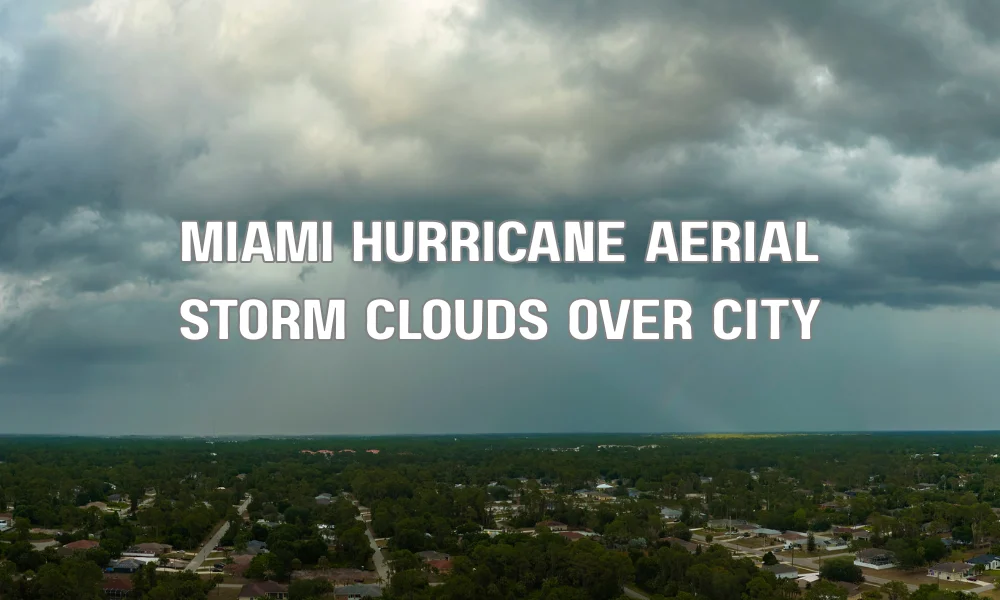
Florida’s High-Velocity Hurricane Zones (HVHZ) are specifically designated for Miami-Dade and Broward counties on the state’s southeast coast. These two counties have historically experienced the most frequent and intense hurricane activity, leading to the development of the most rigorous building codes in the United States, which fall under the HVHZ designation. The designation is critical because it mandates a higher level of wind resistance for all building components, with roofing being a primary focus, ensuring structures can withstand the direct impact of major hurricanes.
What unique roofing requirements apply within HVHZ regions?
Within HVHZ regions, unique roofing requirements demand superior material strength, enhanced fastening schedules, and stringent testing protocols to withstand extreme wind forces. Roofing materials must meet specific product approvals for HVHZ use, often requiring testing for cyclic wind pressure, impact resistance, and uplift resistance to a greater degree than in other zones. Fastening methods are significantly reinforced, including closer nail spacing for shingles, thicker gauge fasteners for metal roofs, and specialized adhesive applications for membrane systems. Additionally, all components, from the decking to the final roof covering, must be part of a tested and approved roof assembly system, and inspections are notably more detailed and frequent to ensure absolute compliance.
Practical Applications: Materials, Installation, and Compliance
Practical application of Florida’s wind speed zone map requirements involves selecting appropriate materials, employing specific installation techniques, and meticulously ensuring compliance through permits and inspections, all designed to build highly resilient roofs. Understanding these practical steps is crucial for both homeowners and contractors to guarantee that a new or repaired roof will adequately protect a structure against severe weather and meet all legal standards. This proactive approach minimizes future risks and maximizes the longevity of the roofing system.
Which roofing materials are best suited for different wind zones?
The suitability of roofing materials depends heavily on the specific wind zone, with higher wind zones demanding more robust and securely attached options. In lower to moderate wind zones (e.g., 130-150 mph), standard asphalt shingles with appropriate nailing patterns and quality underlayment might suffice. However, in higher wind zones (e.g., 150-180 mph) and particularly HVHZ regions, materials like metal roofing, concrete or clay tiles with specialized mortar or mechanical fasteners, and certain modified bitumen or TPO/PVC membrane systems are preferred. These materials offer superior wind uplift resistance, impact resistance, and durability, often carrying specific product approvals for their intended wind zone, ensuring they can withstand intense conditions.
Here’s a comparison of common roofing materials and their typical wind resistance ratings:
| Roofing Material Type | Typical Wind Resistance Rating (MPH) | Key Features for Wind Resistance | Common Applications |
|---|---|---|---|
| 3-Tab Asphalt Shingles | 60-90 mph | Basic sealant strips, standard nailing | Low-wind areas, older installations |
| Architectural (Laminate) Shingles | 110-130 mph | Heavier weight, stronger adhesive, improved nailing pattern | Moderate wind zones |
| High-Performance Shingles | 130-150+ mph | Enhanced adhesives, reinforced nailing strips, heavier mat | High wind zones, often Class F/H rated |
| Metal Roofing (Panel/Standing Seam) | 140-180+ mph | Mechanical fasteners, interlocking panels, inherent strength | Moderate to HVHZ zones, excellent durability |
| Concrete/Clay Tiles | 130-150+ mph (HVHZ approved available) | Individual mechanical fastening or mortar, heavy interlocking design | Moderate to HVHZ zones, long lifespan |
| TPO/PVC (Commercial Flat Roofs) | 100-180+ mph (depending on system) | Heat-welded seams, mechanical fastening or ballast | Commercial/flat roofs, increasingly used in all zones |
What installation practices ensure compliance with wind uplift standards?
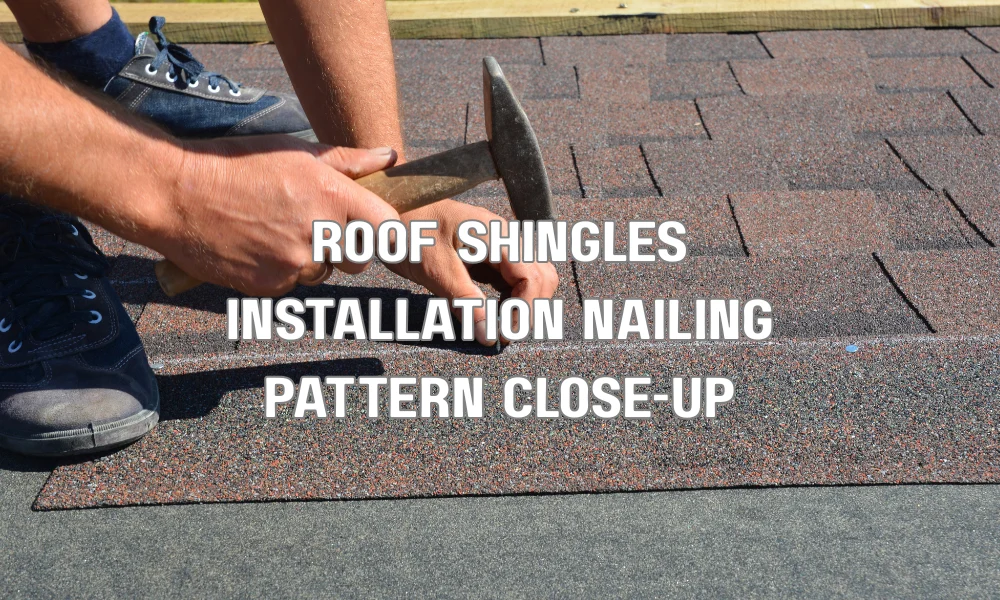
Installation practices ensuring compliance with wind uplift standards include meticulous attention to fastener type, spacing, and application, alongside proper underlayment and flashing techniques. This means using code-approved fasteners (e.g., ring-shank nails), adhering to precise nailing schedules (often tighter spacing in higher wind zones), and ensuring proper embedment into the roof deck. Underlayment must be sealed correctly and sometimes mechanically fastened, especially in HVHZ areas, to create a secondary water barrier. All flashing around penetrations and perimeters must be installed to prevent wind-driven rain intrusion and resist uplift, often requiring specialized sealant and larger overlaps. The goal is to create a monolithic roof system where each component is robustly secured and interconnected.
How do permits and inspections ensure adherence to wind zone requirements?
Permits and inspections are critical mechanisms that ensure adherence to wind zone requirements by mandating pre-approval of plans and verifying construction quality throughout the roofing process. Before any significant roofing work begins, a permit application must be submitted to the local building department, including detailed plans that explicitly state compliance with the specific wind zone requirements for the property’s location. During construction, certified building inspectors conduct multiple site visits (e.g., deck inspection, dried-in inspection, final inspection) to verify that materials meet approved specifications, fastening schedules are correctly applied, and all components are installed according to the Florida Building Code and engineered plans. This multi-stage oversight prevents shortcuts and ensures that the finished roof can truly withstand anticipated wind loads.
The Broader Impact: Insurance and Property Value
Adhering to Florida’s wind speed zone roofing requirements has a significant broader impact beyond immediate structural integrity, directly influencing homeowner’s insurance premiums and the long-term property value. A compliant, wind-resistant roof can lead to substantial insurance savings through available credits and discounts, while also serving as a powerful selling point that enhances a property’s market appeal. Ignoring these critical requirements, conversely, can result in invalidated insurance claims, costly repairs, and a depreciated asset.
Critical Fact 3: Florida’s My Safe Florida Home program and similar initiatives offer incentives and grants for homeowners to upgrade their roofs and other structural components to meet current wind-resistance codes, often resulting in lower insurance premiums.
How do wind zone compliance and roofing impact homeowner’s insurance?
Wind zone compliance and robust roofing significantly impact homeowner’s insurance by directly affecting policy eligibility, premium costs, and the validity of future claims. Insurance carriers in Florida offer considerable discounts, often referred to as “wind mitigation credits,” for homes with roofs built or upgraded to current wind-resistant codes, including those specific to their wind zone. Inspectors verify features like proper roof deck attachment, secondary water barriers, and opening protection to determine eligibility for these savings. A non-compliant or aging roof in a high wind zone can lead to higher premiums, limited coverage options, or even outright denial of coverage, highlighting the financial necessity of adhering to these stringent standards for both protection and affordability.
What is the long-term value of a wind-resistant roof?
The long-term value of a wind-resistant roof extends far beyond immediate protection, encompassing enhanced property durability, increased resale value, and peace of mind for homeowners. A roof built to specific wind zone standards ensures the structure is better prepared for severe weather, reducing the likelihood of catastrophic damage and the associated costs of emergency repairs or complete replacement. This resilience translates into fewer insurance claims, potentially lower deductibles, and sustained insurability. Furthermore, prospective buyers in Florida increasingly prioritize homes with updated, code-compliant, wind-resistant roofs, recognizing the inherent safety and financial benefits, making such an investment a significant long-term asset that boosts marketability and appraisal value.
Frequently Asked Questions
What is the ultimate design wind speed (Vult)?
The ultimate design wind speed (Vult) is the maximum wind speed expected at a given location, used in engineering calculations for structural design. It’s a critical factor in the Florida Building Code, determining the minimum wind resistance requirements for roofs and other building components.
How do I find my property’s specific wind speed zone?
You can find your property’s specific wind speed zone by consulting your local county building department’s website, using online GIS mapping tools provided by the state, or by reviewing your property’s permit history, which will specify the applicable wind loads. A licensed contractor can also provide this information.
Are older roofs exempt from current wind zone requirements?
Older roofs are generally not exempt from current wind zone requirements when significant repairs or replacements are performed. The Florida Building Code typically mandates that if more than 25% of the roof surface is replaced, the entire roof must be brought up to current code, including wind resistance standards.
What is a secondary water barrier, and why is it important in Florida?
A secondary water barrier (SWB), often a self-adhering membrane or a mechanically fastened underlayment, is installed directly over the roof deck underneath the primary roof covering. It’s crucial in Florida because it provides an additional layer of protection against water intrusion if the primary roof covering is damaged or blown off during a high-wind event.
Can I choose any roofing contractor for wind-resistant roofing?
No, it is highly recommended to choose a licensed and insured roofing contractor with specific experience and expertise in Florida Building Code compliance and wind-resistant roofing. They should be familiar with local wind zone requirements, product approvals, and proper installation techniques for your area.
How does wind mitigation save on insurance?
Wind mitigation measures, such as a code-compliant, wind-resistant roof, reduce a home’s vulnerability to hurricane damage. Insurance companies offer discounts (wind mitigation credits) because a more resilient home is less likely to file claims, reducing their risk and passing savings to the homeowner.
What are the implications of non-compliance with wind zone roofing requirements?
Non-compliance can lead to several severe implications, including failure to pass inspections, inability to obtain an occupancy certificate, invalidation of homeowner’s insurance policies, significant damage during storms, costly re-work, and potential legal liabilities. It also significantly reduces property value.
Do all roofing materials require special HVHZ product approval?
Yes, within High-Velocity Hurricane Zones (HVHZ), almost all roofing materials and systems must possess specific HVHZ product approvals from Miami-Dade County or an equivalent state-level approval. These approvals verify that the products have undergone rigorous testing to meet the region’s exceptionally high wind resistance standards.