
Executive Summary
- Delaying even minor roof repairs in Florida significantly increases the risk of extensive structural damage due to the state’s aggressive climate, including high humidity and frequent severe storms.
- Procrastination on addressing small leaks or missing shingles can quickly lead to widespread mold growth, wood rot, and compromised indoor air quality, escalating health hazards and repair costs exponentially.
- Homeowner’s insurance policies often have strict clauses regarding neglected maintenance, meaning delayed repairs could result in denied claims for subsequent, more severe damage.
- The average lifespan of a roof in Florida is shorter than in other regions, making prompt repairs crucial for maintaining structural integrity and preventing premature roof replacement.
- Understanding the types of damage that necessitate immediate attention versus those that allow for short-term monitoring is vital for Florida homeowners to make informed and timely repair decisions.
- Investing in regular professional roof inspections and proactive maintenance is the most effective strategy to identify potential issues early and avoid the critical pitfalls of delayed repairs.
In Florida, the question of “how long can you delay a roof repair” is not merely about convenience; it’s about risk management against a backdrop of relentless sun, humidity, and volatile storm seasons. Delaying repairs, even for seemingly minor issues, can transform small problems into catastrophic and expensive failures, largely due to the unique environmental pressures placed on roofs across the Sunshine State. Understanding these pressures and the cascading effects of neglect is paramount for any homeowner seeking to protect their investment and ensure their family’s safety.
Critical Fact: Florida’s intense UV radiation, high humidity, and frequent heavy rainfall can reduce a typical asphalt shingle roof’s lifespan by up to 20% compared to cooler, drier climates if not properly maintained.
Understanding Florida’s Climate Impact on Roofs
What unique challenges does Florida’s climate present for roofing?
Florida’s climate presents a relentless assault on roofing materials, primarily through intense UV radiation, extreme humidity, and high temperatures that accelerate material degradation. The constant exposure to powerful sunlight causes shingles to dry out, crack, and lose their protective granules, while the pervasive humidity fosters algae, moss, and mildew growth that can compromise structural integrity and aesthetic appeal. These environmental factors combine to shorten the effective lifespan of most roofing systems, making them more vulnerable to subsequent damage.
How do hurricanes and tropical storms accelerate roof damage?
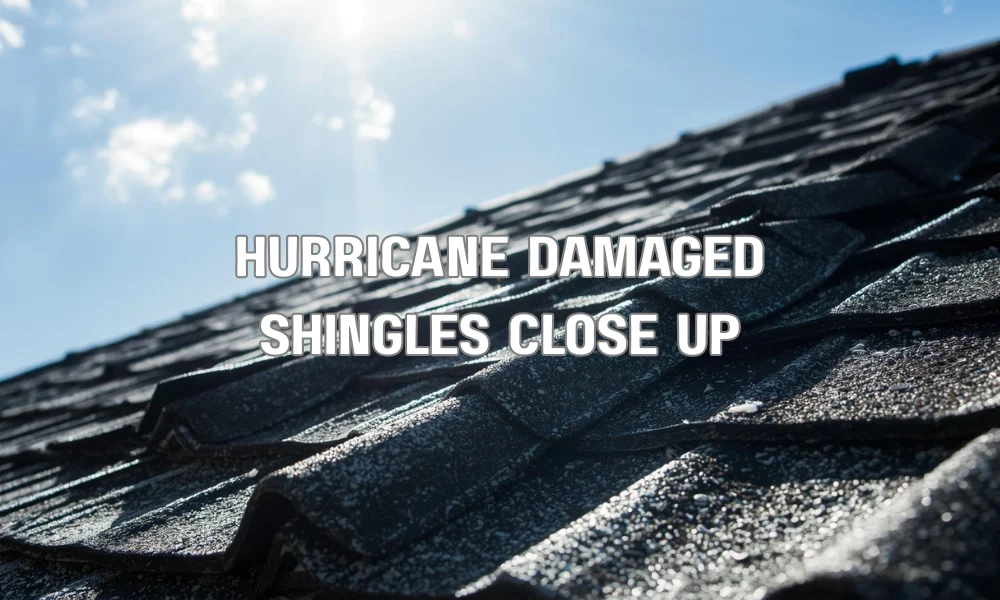
Hurricanes and tropical storms are major accelerators of roof damage, primarily through high-speed winds, torrential rainfall, and wind-borne debris. Even roofs that appear intact after a storm may have unseen damage, such as lifted or creased shingles, compromised flashing, or weakened decking. These initial vulnerabilities, if left unaddressed, create pathways for water intrusion and significantly reduce the roof’s ability to withstand future weather events, leading to a vicious cycle of accelerated deterioration and increased repair urgency.
The Immediate Risks of Delayed Roof Repair
What are the primary consequences of postponing minor roof issues?
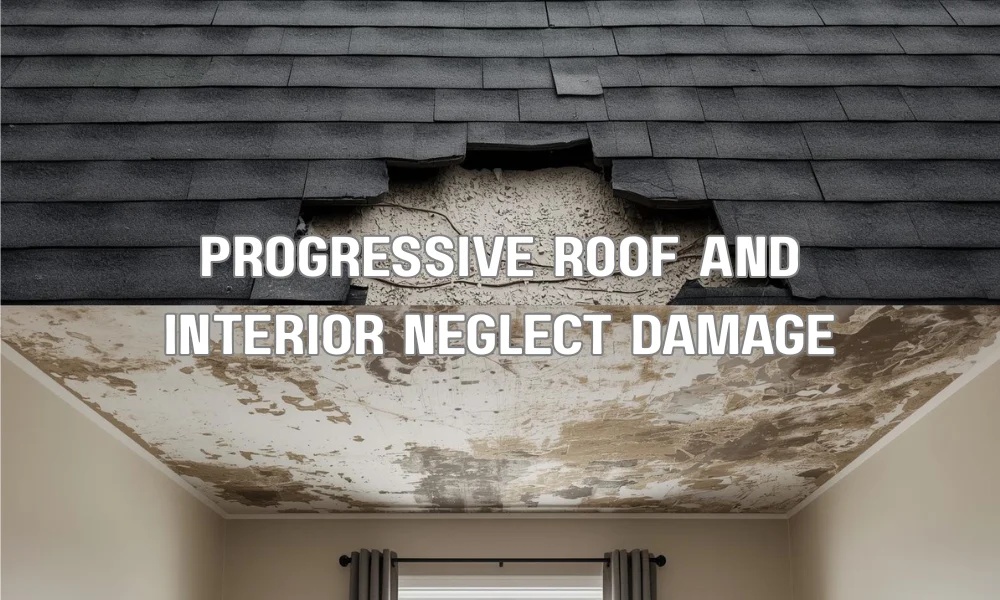
Postponing minor roof issues, such as a few missing shingles or a small leak, immediately invites a cascade of more severe problems, including water damage to the attic and interior ceilings, mold and mildew growth, and compromised structural integrity. Water intrusion can quickly rot wooden trusses, insulation, and drywall, leading to extensive and costly interior repairs. Furthermore, the presence of mold can trigger respiratory problems and other health issues for occupants, creating an unhealthy living environment.
How does water intrusion impact interior structures and health?
Water intrusion from a neglected roof repair profoundly impacts interior structures by saturating insulation, rotting wooden framing, and deteriorating drywall and plaster. This structural weakening can compromise the safety and stability of your home. Simultaneously, constant moisture creates an ideal breeding ground for black mold and other fungi, which not only cause unpleasant odors and unsightly stains but also release spores that can severely affect indoor air quality, leading to allergic reactions, asthma exacerbations, and other respiratory illnesses for residents.
Financial and Legal Implications of Procrastination
Will delaying repairs void my homeowner’s insurance policy?
Delaying necessary roof repairs can absolutely void aspects of your homeowner’s insurance policy, particularly if the damage escalates due to documented neglect. Most policies contain clauses requiring homeowners to maintain their property reasonably and address minor issues promptly. If an insurer determines that a more significant claim (e.g., extensive water damage, structural collapse) could have been prevented by timely repair of a known initial problem, they may deny the claim, leaving the homeowner responsible for the full cost of repairs.
Critical Fact: Over 40% of homeowner’s insurance claims for roof damage in Florida are partially or fully denied due to evidence of “gradual deterioration” or “neglect” that could have been prevented by earlier repairs.
How do repair costs escalate with prolonged neglect?
Repair costs escalate dramatically with prolonged neglect because small, isolated problems metastasize into larger, interconnected issues affecting multiple components of the home. A single missing shingle might cost $50-$150 to replace immediately, but if it leads to water damage in the attic, compromised insulation, ceiling drywall damage, and mold remediation, the cost can easily skyrocket to several thousands or even tens of thousands of dollars. Early intervention is always the most cost-effective approach.
Here’s a comparison of typical repair costs versus escalated costs due to delayed intervention:
| Type of Initial Damage | Immediate Repair Cost Estimate | Escalated Cost (Delayed 6-12 Months) | Common Additional Damage |
|---|---|---|---|
| 1-2 Missing Shingles | $75 – $200 | $1,500 – $5,000+ | Localized water leak, insulation saturation, ceiling stain |
| Small Flashing Leak | $200 – $600 | $3,000 – $10,000+ | Widespread water damage, wood rot in decking/rafters, mold growth |
| Minor Gutter Sag/Blockage | $100 – $300 | $500 – $2,500+ | Fascia/soffit rot, foundation erosion, landscape damage |
| Hail Ding/Small Puncture | $150 – $400 (patch) | $2,000 – $7,000+ | Water penetration, sub-roof damage, interior damage |
Types of Roof Damage and Recommended Response Times
What types of damage require immediate attention?
Certain types of roof damage demand immediate attention to prevent catastrophic failure and extensive secondary damage. This includes any active leaks visible from inside the home, significant areas of missing shingles or tiles that expose the underlayment, large holes or punctures, and visibly compromised flashing around chimneys, skylights, or vents. These issues create direct pathways for water intrusion and can rapidly compromise your home’s structural integrity and interior health.
Can minor wear and tear wait, or should it be addressed promptly?
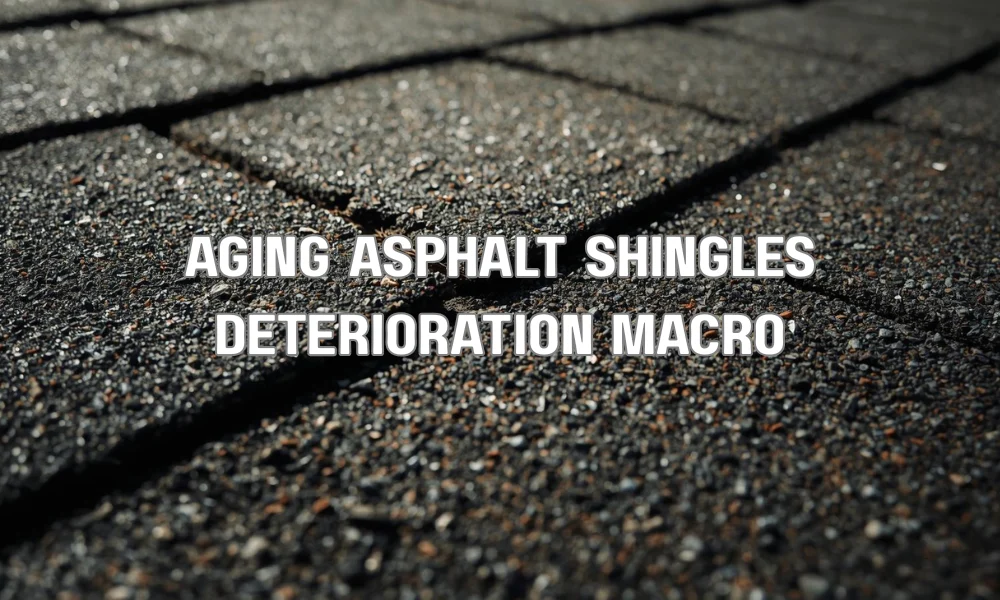
While minor wear and tear, such as granular loss on aging shingles, small hairline cracks, or isolated areas of algae growth, may not pose an immediate threat, they should still be addressed promptly rather than waiting. These seemingly insignificant issues are often early indicators of a roof’s deteriorating condition and can quickly become major problems when exposed to Florida’s harsh weather. Addressing them proactively can significantly extend your roof’s lifespan and prevent more costly repairs down the line.
Proactive Maintenance and Professional Consultation
What proactive steps can homeowners take to extend roof life?
Homeowners can significantly extend their roof’s life by implementing several proactive maintenance steps. Regular gutter cleaning prevents water backup and rot, while trimming overhanging tree branches reduces debris accumulation and protects against storm damage. Periodic visual inspections from the ground can help identify early signs of wear, such as missing shingles or curled edges. Furthermore, gentle cleaning of algae and moss can prevent their destructive spread, all contributing to longevity.
When should a professional roof inspection be scheduled?
A professional roof inspection should be scheduled annually in Florida, especially before hurricane season, or immediately following any severe weather event, regardless of visible damage. Experts can identify subtle issues like compromised underlayment, weakened flashing, or hail impact damage that are not apparent to the untrained eye. Early detection by a certified professional allows for targeted, cost-effective repairs that prevent minor problems from escalating into major, budget-breaking catastrophes.
Critical Fact: A comprehensive roof inspection by a licensed Florida roofing contractor costs, on average, $150-$300, but can save homeowners thousands by identifying and mitigating issues before they lead to extensive damage and denied insurance claims.
Frequently Asked Questions
What are the first signs of roof damage I should look for?
The first signs often include granules in gutters, discolored or curling shingles, water stains on interior ceilings, peeling paint on fascia boards, and excessive utility bills due to compromised insulation. Pay attention to visible daylight in the attic.
How quickly does a small leak become a major problem in Florida?
In Florida, a small leak can become a major problem alarmingly fast, often within weeks, especially during the rainy season. High humidity and persistent moisture create ideal conditions for rapid mold growth and accelerated wood rot, quickly expanding the damage.
Can I temporarily patch a roof leak myself?
While a temporary patch might offer a very short-term solution in an emergency, it’s highly advised to contact a professional immediately. DIY patches are often ineffective and can inadvertently cause more damage or lead to a false sense of security, worsening the problem.
Does my roof warranty cover damage from delayed repairs?
No, roof warranties typically do not cover damage resulting from delayed repairs or neglected maintenance. Most warranties specify that the homeowner must maintain the roof properly for the warranty to remain valid, excluding issues stemming from owner neglect.
What’s the average lifespan of a roof in Florida compared to other regions?
Due to Florida’s harsh climate, the average lifespan of an asphalt shingle roof is typically 15-20 years, whereas in more temperate climates, it might last 20-30 years. Tile and metal roofs generally last longer but also face accelerated wear.
Will my insurance rate increase if I file a claim for a roof repair?
Filing a roof repair claim can sometimes lead to an increase in insurance premiums, especially if you have multiple claims. However, delaying a necessary repair and suffering greater damage could lead to an even more significant rate hike or policy non-renewal.
How do I choose a reputable roofing contractor in Florida?
Choose a reputable roofing contractor by ensuring they are licensed and insured in Florida, have positive local references, offer detailed written estimates, and provide a warranty on their work. Verify their experience with Florida-specific weather conditions.
What proactive maintenance should I do after a minor storm?
After a minor storm, visually inspect your roof from the ground for missing or damaged shingles, debris accumulation, and check your gutters for blockages. Schedule a professional inspection if you notice any potential issues or suspect unseen damage.
