Executive Summary
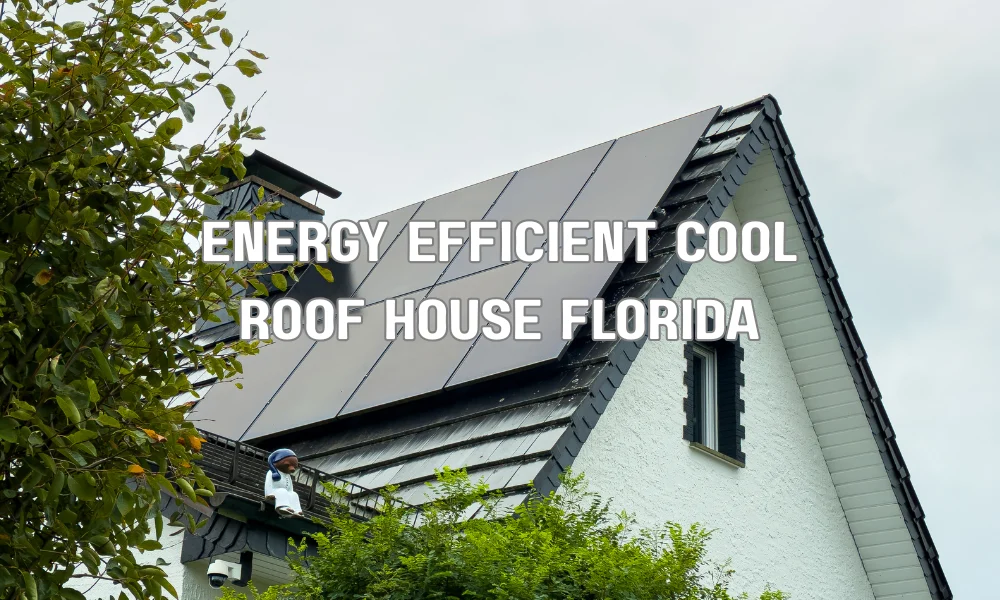
- Florida’s 2026 Energy Code will significantly elevate roofing insulation (R-value) and solar reflectance (SRI) standards to enhance building energy efficiency across the state.
- New requirements aim to reduce cooling loads, particularly critical in Florida’s warm climate, by mandating more thermally resistant and reflective roof systems for new construction and major renovations.
- Contractors and homeowners must proactively understand these updated codes to ensure compliance, avoid delays, and properly select compliant roofing materials for future projects.
- Material selection will shift towards advanced cool roof technologies and higher-performing insulation products, offering long-term energy savings and improved indoor comfort.
- Early adoption of these energy-efficient roofing practices can lead to substantial reductions in utility bills, increased property value, and eligibility for potential financial incentives.
- The code update emphasizes a holistic approach to building envelopes, with roofing playing a pivotal role in achieving Florida’s broader energy conservation and sustainability goals.
Understanding the 2026 Florida Energy Code Update
What is the primary goal of the 2026 Florida Energy Code for roofing?
The primary goal of the 2026 Florida Energy Code for roofing is to substantially improve the energy efficiency of buildings, thereby reducing energy consumption and associated environmental impacts across the state. Specifically, for roofing, this translates into more stringent requirements for thermal resistance and solar reflectivity, directly tackling the significant cooling loads prevalent in Florida’s subtropical climate. By minimizing heat gain through the roof, the code aims to lower air conditioning demands, leading to considerable energy savings for property owners.
Critical Fact 1: The 2026 Florida Energy Code update is projected to decrease residential energy consumption by an average of 10-15% compared to previous standards, with roofing being a major contributing factor to these savings.
How do the new R-value requirements impact roof insulation choices?
The new R-value requirements will significantly impact roof insulation choices by mandating higher thermal resistance levels for roof assemblies. For attics, the prescriptive R-value for insulation is expected to increase, pushing many new constructions and major re-roofing projects towards R-38 or R-49, depending on the specific roof type and climate zone within Florida. This means contractors will need to integrate thicker insulation batts, more layers of rigid insulation, or higher-performing spray foam systems to meet these elevated standards. The emphasis is on preventing heat transfer from the attic into conditioned spaces, demanding more robust insulation strategies than previously required.
What are the key changes in cool roof mandates?
Key changes in cool roof mandates for the 2026 code center on expanding the applicability and increasing the minimum Solar Reflectance Index (SRI) values for roofing materials. While cool roofs have been encouraged, the 2026 update will likely broaden their mandatory use, particularly for low-slope roofs on commercial and multi-family buildings, and possibly for steeper slopes in certain conditions. The minimum SRI values for compliant materials are expected to rise, requiring more advanced reflective coatings and lighter-colored roofing products to be specified. This ensures maximum solar heat rejection, significantly reducing the urban heat island effect and indoor temperatures.
Will existing roofs need to comply with 2026 standards?
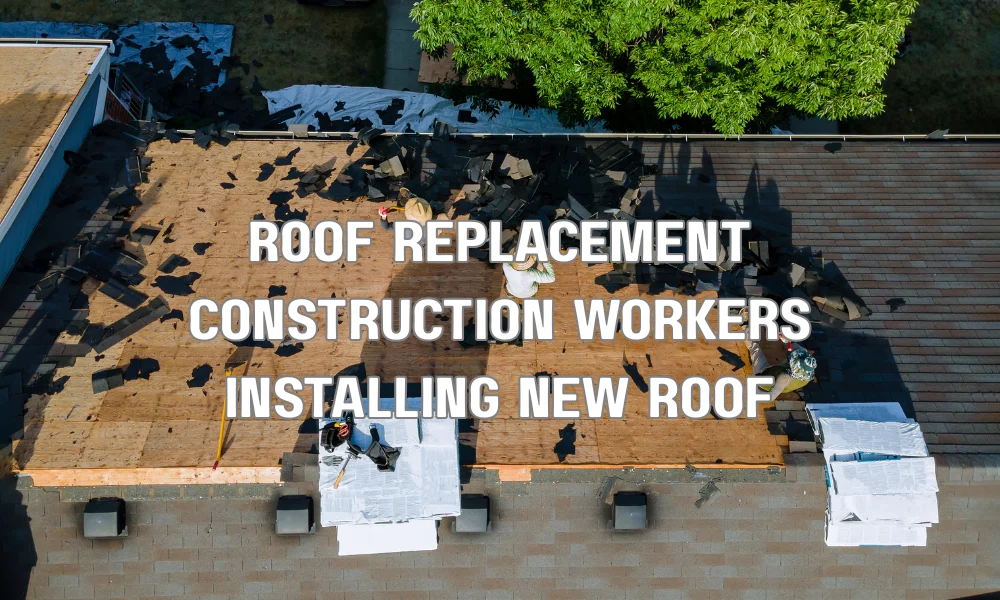
Existing roofs will primarily need to comply with the 2026 standards when undergoing substantial renovations, additions, or full roof replacements. Minor repairs or patching of an existing roof typically do not trigger full code compliance for the entire roof assembly. However, if more than 50% of the roof surface or structural components are being replaced, or if an addition significantly alters the building footprint, the new energy code requirements for the roofing system will generally apply. This ensures that significant investments in roofing also contribute to the state’s broader energy efficiency goals.
Navigating Compliance and Best Practices
What are the best roofing materials for 2026 code compliance?
The best roofing materials for 2026 code compliance are those that combine high thermal performance with excellent solar reflectivity. For low-slope applications, TPO (Thermoplastic Polyolefin) and EPDM (Ethylene Propylene Diene Monomer) membranes, especially in white or light gray, are excellent choices due to their high SRI values and inherent insulation compatibility. For steep-slope roofs, cool asphalt shingles, metal roofing with reflective coatings, and concrete or clay tiles in light colors offer superb compliance. These materials not only meet the prescriptive R-value and SRI requirements but also contribute to long-term durability and energy savings.
| Material Type | Typical R-Value Contribution | Average Solar Reflectance Index (SRI) | Durability (Years) | Energy Code Suitability |
|---|---|---|---|---|
| White TPO/EPDM | Low (requires added insulation) | 0.80 – 0.90 | 20 – 30 | Excellent (Low-slope, high SRI) |
| Cool Asphalt Shingles | Low (requires added insulation) | 0.25 – 0.35 | 25 – 50 | Good (Steep-slope, reflective granules) |
| Light-Colored Metal Roofing | Low (requires added insulation) | 0.60 – 0.75 | 40 – 70 | Excellent (Steep-slope, inherent reflectivity) |
| Light Concrete/Clay Tile | Moderate (thermal mass benefits) | 0.30 – 0.50 | 50 – 100 | Good (Steep-slope, excellent ventilation potential) |
| Spray Polyurethane Foam (SPF) | High (R-6.5/inch) | 0.60 – 0.80 (with coating) | 20 – 50 | Excellent (Low-slope, insulation & reflectivity) |
How can homeowners and contractors ensure compliance?
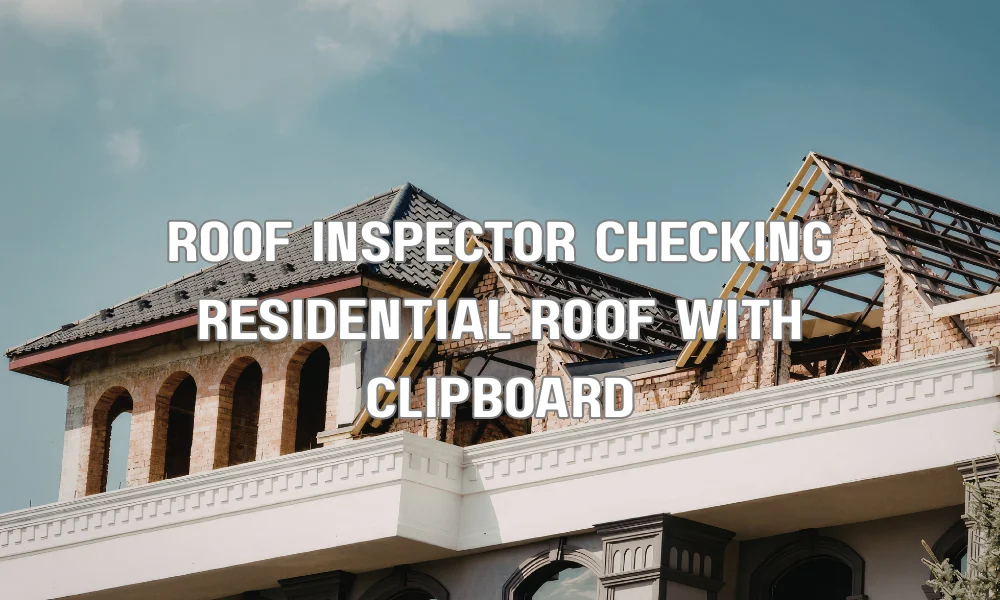
Homeowners and contractors can ensure compliance by proactively researching the specific 2026 code requirements published by the Florida Building Commission and local jurisdictions. Engaging with qualified, licensed roofing professionals who are well-versed in the latest energy codes is crucial. These professionals can conduct accurate heat load calculations, recommend code-compliant materials and insulation systems, and ensure proper installation techniques. Additionally, maintaining detailed documentation of materials used, R-values achieved, and SRI ratings will be essential for permitting and final inspection processes.
What are the benefits of exceeding minimum energy code standards?
Exceeding minimum energy code standards offers numerous benefits beyond basic compliance. Primarily, it leads to even greater energy savings, significantly reducing monthly utility bills by creating a more thermally efficient building envelope. Enhanced insulation and superior cool roof performance contribute to a more comfortable indoor environment, minimizing temperature fluctuations and reducing the strain on HVAC systems, thus extending their lifespan. Furthermore, higher energy performance can increase property value, offer a competitive advantage in the real estate market, and improve a building’s overall environmental footprint.
Critical Fact 2: Buildings exceeding energy code requirements often qualify for higher green building certifications (e.g., LEED, Florida Green Building Coalition), which can lead to increased marketability and potential tax incentives.
Financial Incentives and Long-Term Value
Are there any financial incentives for energy-efficient roofing upgrades?
Yes, there are often various financial incentives available for energy-efficient roofing upgrades, though these can vary by federal, state, and local programs. Homeowners may qualify for federal tax credits for certain energy-efficient improvements, such as specific insulation types or ENERGY STAR-rated roofing products. Florida utilities often offer rebates or low-interest loans for upgrades that reduce energy consumption, including advanced insulation and cool roof installations. Additionally, some local governments or green building initiatives might provide property tax abatements or grants for projects that significantly exceed baseline energy code requirements, making these upgrades more financially accessible.
How does compliance impact property value and energy bills?
Compliance with and exceeding the 2026 Florida Energy Code for roofing significantly impacts both property value and energy bills. For energy bills, a compliant, high-performing roof dramatically reduces the amount of heat absorbed into the building, leading to lower air conditioning usage and noticeable savings on electricity bills, especially during Florida’s hot summer months. In terms of property value, an energy-efficient roof is a highly attractive feature for potential buyers, often translating into a higher resale value. It signals a modern, well-maintained home with lower operating costs and a commitment to sustainability, offering a tangible return on investment.
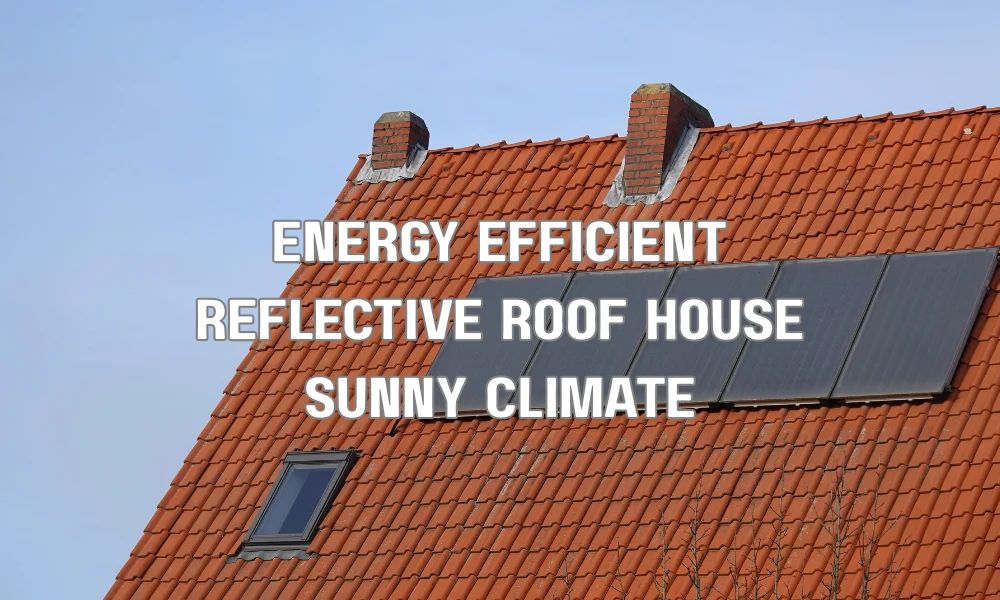
Critical Fact 3: Studies indicate that homes with high energy efficiency ratings, largely influenced by modern roofing and insulation, sell for up to 5-10% more than comparable, less efficient properties.
Frequently Asked Questions
What is the effective date for the 2026 Florida Energy Code for roofing?
The 2026 Florida Energy Code for roofing is expected to become effective at the beginning of the 2026 calendar year. However, specific adoption dates and enforcement schedules can vary slightly by local jurisdiction, so it’s crucial to confirm with local building departments.
Will I need a permit to replace my roof under the new code?
Yes, a permit is almost always required for roof replacement projects in Florida, regardless of the energy code. Under the new 2026 code, the permitting process will include verifying compliance with the updated R-value and SRI requirements.
Are there different requirements for residential versus commercial roofs?
Generally, yes. While the underlying principles of thermal efficiency and solar reflectivity apply to both, commercial roofs (especially low-slope) often have more stringent prescriptive requirements for insulation and cool roof technologies than residential steep-slope roofs.
What happens if my new roof doesn’t meet the 2026 energy code?
If your new roof does not meet the 2026 energy code, it will likely fail final inspection, preventing you from obtaining a certificate of occupancy or project completion. This could lead to costly rework, delays, and potential fines until compliance is achieved.
Can I still use dark-colored roofing materials in Florida?
You can still use dark-colored roofing materials, but they will need to meet the prescriptive R-value and potentially an increased insulation requirement to offset their lower solar reflectivity. Cool roof requirements might make dark colors challenging for some roof types.
How do I find a contractor familiar with the 2026 energy code?
Look for licensed and insured roofing contractors who explicitly state their expertise in energy-efficient roofing and Florida Building Code compliance. Ask for references and inquire about their experience with the latest energy code updates.
Does the new code impact roof repair vs. full replacement?
The 2026 code primarily impacts full roof replacements or major renovations (typically over 50% of the roof area). Minor repairs are generally governed by existing code and material requirements, not necessarily triggering full energy code compliance for the entire roof.
What is Solar Reflectance Index (SRI) and why is it important?
Solar Reflectance Index (SRI) is a measure of a surface’s ability to reflect solar heat and emit absorbed heat. It’s crucial for the 2026 code because higher SRI values mean less heat enters the building, reducing cooling costs and urban heat island effects.