
Executive Summary
- Proactive roof maintenance is paramount in Fort Lauderdale’s challenging climate, preventing minor issues from escalating into costly repairs.
- Understanding the impact of intense UV radiation, high humidity, and hurricane-force winds is crucial for selecting durable roofing materials.
- Regular, professional roof inspections can detect early signs of damage, such as missing shingles or seal failures, before they compromise structural integrity.
- Investing in robust, code-compliant roofing materials like reinforced tiles or metal significantly enhances resilience against severe weather events.
- Proper attic ventilation is critical for mitigating heat buildup and moisture accumulation, extending roof lifespan and improving energy efficiency.
- Homeowners should familiarize themselves with Florida’s stringent building codes, particularly for wind mitigation, when planning roof repairs or replacements.
- Promptly addressing visible roof damage, whether from storms or general wear, is key to preserving home value and avoiding complex insurance claims.
Understanding Fort Lauderdale’s Unique Roofing Environment
Fort Lauderdale’s enviable coastal lifestyle comes with significant challenges for residential roofing systems. The city’s subtropical climate, characterized by relentless sun exposure, high humidity, and a perennial threat of hurricanes, subjects roofs to a unique combination of stressors that accelerate wear and tear. Homeowners must therefore adopt a more vigilant and informed approach to roof care, prioritizing durable materials and proactive maintenance to withstand these environmental pressures.
Critical Fact 1: Fort Lauderdale’s building codes mandate specific wind uplift resistance for roofing systems, often requiring enhanced fastening methods and stronger underlayments to comply with post-Hurricane Andrew regulations.
Why is Fort Lauderdale’s climate particularly challenging for roofs?
Fort Lauderdale’s climate presents a relentless assault on roofing materials due to its intense UV radiation, pervasive humidity, and annual hurricane season. The sun’s powerful ultraviolet rays degrade material integrity over time, causing asphalt shingles to lose granules and become brittle, while also fading and weakening other roof types. High humidity creates an ideal breeding ground for algae, moss, and mildew, which not only look unsightly but can also retain moisture, leading to rot in underlying structures if not addressed. Furthermore, the constant threat of tropical storms and hurricanes brings extreme winds, heavy rainfall, and potential projectile impact, demanding robust and securely fastened roofing systems to prevent catastrophic damage.
Common Weather-Related Roofing Damage
What are the primary ways hurricanes and tropical storms damage roofs?
Hurricanes and tropical storms primarily damage roofs through extreme wind uplift, projectile impact, and severe water intrusion. Wind uplift can peel back shingles, dislodge tiles, and even tear off entire roof sections by creating immense pressure differentials. Debris, such as tree branches or loose outdoor items, becomes dangerous projectiles in high winds, causing punctures, dents, and cracks. Lastly, the torrential rainfall accompanying these storms exploits any existing vulnerabilities, leading to leaks, attic damage, and potential structural rot if the roof’s waterproof barrier is compromised.
How does prolonged sun exposure degrade roofing materials?
Prolonged sun exposure degrades roofing materials primarily through relentless UV radiation and thermal cycling. Ultraviolet light breaks down the chemical bonds in materials like asphalt and sealants, causing them to dry out, crack, and become brittle. For asphalt shingles, this leads to the shedding of protective granules, exposing the underlying asphalt to further deterioration. The constant fluctuation between intense daytime heat and cooler nighttime temperatures (thermal cycling) causes materials to repeatedly expand and contract, leading to stress, warping, and eventually, cracking or delamination of roofing components.
What impact does high humidity have on roof integrity?
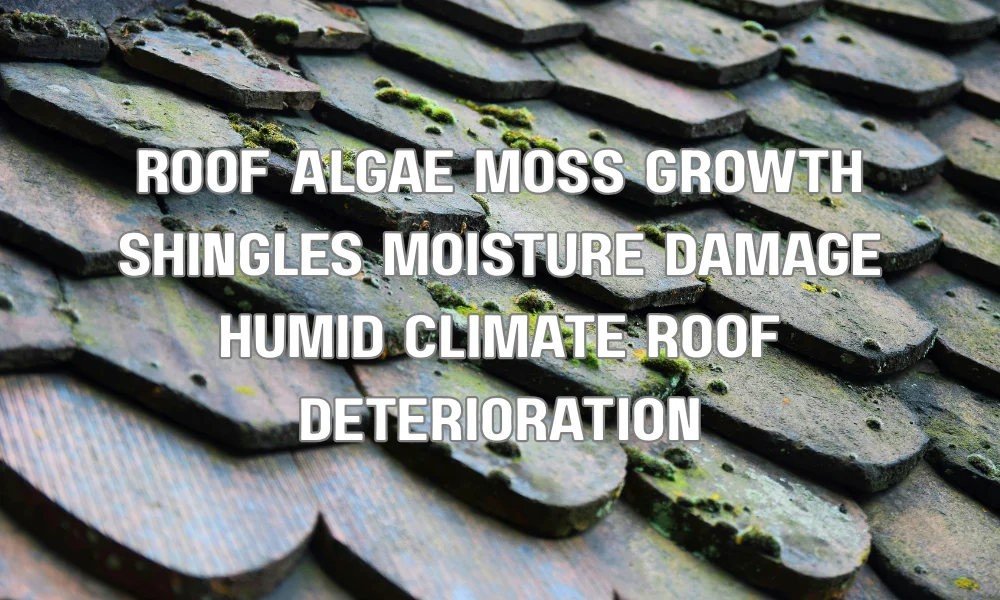
High humidity significantly impacts roof integrity by fostering the growth of organic matter and accelerating material degradation. The constant moisture in the air encourages the proliferation of algae, moss, and lichen, especially on north-facing slopes or shaded areas. These organisms retain moisture against the roof surface, which can lead to premature decay of shingles, tiles, and even the underlying wood sheathing. Furthermore, high humidity can exacerbate rust on metal components and contribute to the breakdown of sealants and adhesives, compromising the roof’s overall waterproofing capabilities and shortening its lifespan.
Material-Specific Vulnerabilities and Solutions
Which roofing materials are most susceptible to specific issues in Fort Lauderdale?
In Fort Lauderdale, different roofing materials exhibit specific susceptibilities: asphalt shingles are highly prone to granule loss, cracking, and curling due to intense UV exposure and thermal cycling. Clay or concrete tile roofs, while durable, can become brittle over time and are susceptible to cracking from impact or improper foot traffic, and individual tiles can be dislodged by high winds if not properly fastened. Metal roofs, though generally robust, can suffer from denting in hailstorms or from wind-borne debris, and their protective coatings can degrade, leading to chalking or fading under constant sun. Flat roofs, common on commercial or modern residential buildings, are particularly vulnerable to ponding water, which accelerates membrane degradation and increases leak risks.
Critical Fact 2: While many roofs are warranted for 25-50 years, Fort Lauderdale’s harsh climate often reduces the effective lifespan of traditional asphalt shingles to 15-20 years, necessitating more frequent replacements.
Comparative Analysis of Common Fort Lauderdale Roofing Materials
| Material Type | Durability in FL Climate | Typical Lifespan (Years) | Hurricane Resistance (Wind Rating) | Avg. Cost Range (per sq. ft.) |
|---|---|---|---|---|
| Asphalt Shingles | Moderate (UV & heat degradation) | 15-20 | Up to 130 mph (Class D) | $4.50 – $7.50 |
| Concrete/Clay Tiles | High (Excellent UV, heat, impact) | 30-50+ | Up to 150 mph (Class F) | $9.00 – $18.00 |
| Metal (Standing Seam) | Very High (Superior UV, wind, impact) | 40-70 | Up to 180 mph (Class F) | $12.00 – $25.00 |
| Modified Bitumen (Flat) | Moderate (Ponding water, heat) | 10-20 | Up to 120 mph | $6.00 – $10.00 |
What role does proper roof ventilation play in preventing common problems?
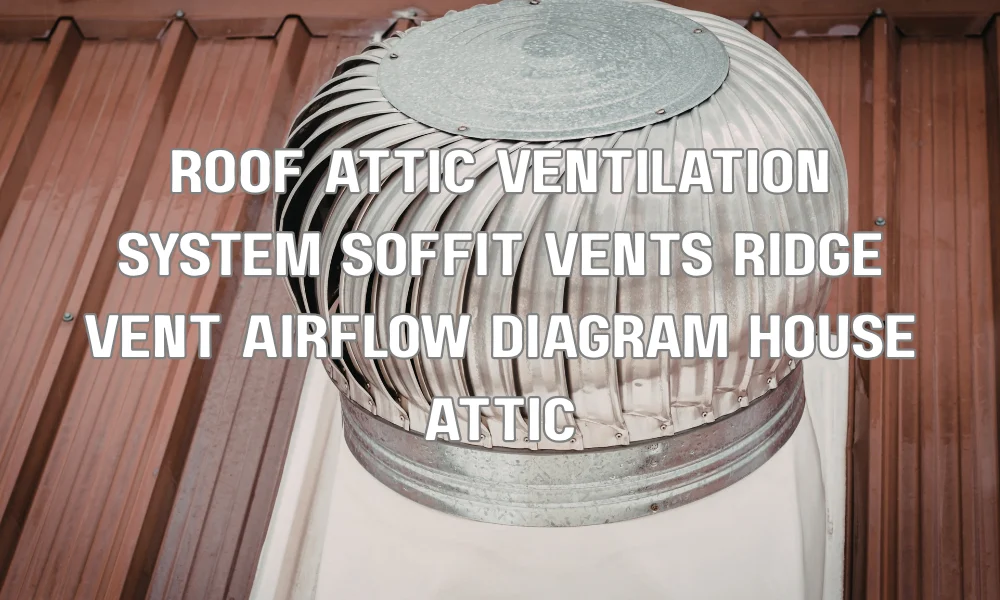
Proper roof ventilation plays a critical role in preventing common problems by regulating attic temperature and moisture levels. Effective ventilation allows superheated air to escape, reducing heat transfer into the living space and significantly lowering attic temperatures, which in turn extends the lifespan of roofing materials by mitigating thermal stress and degradation. It also prevents the accumulation of moisture, which can lead to mold growth, wood rot, and compromised insulation. By maintaining a balanced temperature and humidity, ventilation reduces energy costs, prevents ice dam formation in cooler months (though rare in Fort Lauderdale), and ensures the overall structural health of the roof system.
The Importance of Regular Maintenance and Inspection
Why are routine roof inspections crucial for Fort Lauderdale homeowners?
Routine roof inspections are crucial for Fort Lauderdale homeowners because they enable early detection of issues before they escalate into major, costly repairs. Given the relentless environmental stressors of intense sun, heavy rains, and potential hurricanes, minor damage like a loose shingle or a cracked tile can quickly lead to extensive water intrusion and structural rot if left unaddressed. Regular inspections help maintain compliance with insurance requirements, often a prerequisite for continued coverage, and ensure the roof’s warranty remains valid. Ultimately, proactive inspections prolong the roof’s lifespan, safeguard the home’s structural integrity, and protect property value.
What specific maintenance tasks should Fort Lauderdale homeowners prioritize?
Fort Lauderdale homeowners should prioritize several specific maintenance tasks to preserve their roofs. Regularly cleaning gutters and downspouts is essential to ensure proper water drainage and prevent overflows that can damage fascia and foundations. Removing debris like leaves, branches, and pine needles from the roof surface prevents moisture retention and organism growth. Inspecting and resealing flashing around chimneys, vents, and skylights annually helps prevent common leak points. Additionally, trimming overhanging tree branches reduces the risk of impact damage during storms and keeps debris off the roof.
When should a roof repair be considered over a full replacement?
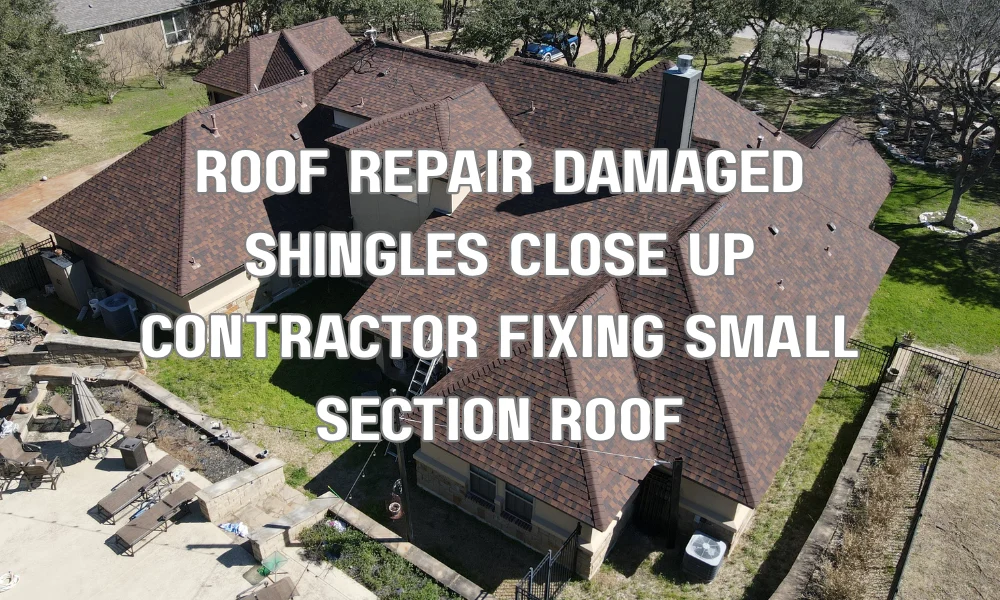
A roof repair should be considered over a full replacement when the damage is localized, minor, and the existing roof is relatively young with a significant portion of its lifespan remaining. If only a small section of shingles is missing due to wind, or a few tiles are cracked from impact, a repair is typically more cost-effective. However, if there is widespread granule loss, pervasive cracking, extensive water damage to the underlying decking, or the roof has exceeded 70% of its expected lifespan, a full replacement usually offers better long-term value and protection.
Navigating Insurance Claims and Building Codes
How do Fort Lauderdale building codes influence roof repairs and replacements?
Fort Lauderdale building codes significantly influence roof repairs and replacements by mandating strict standards, primarily driven by hurricane resistance. These codes require specific wind uplift resistance for new installations and substantial repairs, often dictating the type of underlayment, fastening methods, and material quality. Homeowners must obtain permits for most roofing work to ensure compliance, which often involves inspections at various stages of the project. Adhering to these codes is not just about legality; it’s essential for enhancing the roof’s ability to withstand severe weather, securing insurance coverage, and protecting property value.
What should homeowners know about filing a roof damage insurance claim in Florida?
Homeowners filing a roof damage insurance claim in Florida should know that timely action and thorough documentation are critical. Immediately report the damage to your insurer, but be wary of signing Assignment of Benefits (AOB) contracts directly with contractors, as this can cede control of your claim. Document everything with photos and videos, and only authorize emergency repairs to prevent further damage. Understand your policy’s deductibles, especially hurricane deductibles, and ensure any estimates from contractors are detailed and accurately reflect the scope of work and code requirements for Fort Lauderdale. Seeking professional guidance from a public adjuster or attorney can be beneficial if the claim becomes complex.
Critical Fact 3: Florida Statute 553.844 mandates that if 25% or more of a roof is damaged, the entire roofing system must be brought up to current building codes, significantly impacting repair vs. replacement decisions.
Frequently Asked Questions
What are the most common signs of roof damage in Fort Lauderdale?
Common signs of roof damage include missing or cracked shingles, visible granule loss, dislodged or broken tiles, rust on metal components, water stains on ceilings or walls, and excessive debris in gutters. Algae or moss growth, especially on shaded roof sections, can also indicate moisture retention issues.
How often should a Fort Lauderdale roof be inspected?
In Fort Lauderdale’s harsh climate, it’s recommended to have your roof professionally inspected at least once a year, ideally before hurricane season. Additionally, a post-storm inspection is crucial after any significant weather event to identify potential hidden damage.
Does my homeowner’s insurance cover hurricane damage to my roof?
Most homeowner’s insurance policies in Florida cover hurricane damage, but they often include a separate “hurricane deductible” (typically 2-10% of your dwelling coverage) that applies specifically to storm-related claims. Review your policy thoroughly to understand your coverage and deductibles.
What are the benefits of choosing a metal roof in Fort Lauderdale?
Metal roofs offer superior durability, exceptional wind resistance, and a long lifespan (40-70 years) in Fort Lauderdale’s climate. They are also energy-efficient, reflecting solar heat and reducing cooling costs, and are highly resistant to fire, rot, and insects.
Can I clean the algae and mold off my roof myself?
While minor algae can sometimes be carefully washed off with a low-pressure solution, it’s generally best to hire a professional roof cleaning service. Improper cleaning methods, especially high-pressure washing, can damage roofing materials and void warranties.
What is the typical lifespan of an asphalt shingle roof in Fort Lauderdale?
Due to intense UV exposure and heat, the typical lifespan of an asphalt shingle roof in Fort Lauderdale is often reduced to 15-20 years, even for shingles rated for 25-30 years in milder climates. Regular maintenance can help maximize its service life.
What are the requirements for roof permits in Fort Lauderdale?
Most roof repairs or replacements in Fort Lauderdale require a permit from the city’s building department. This ensures the work complies with Florida Building Code, particularly for wind mitigation standards. Always verify permit requirements with your contractor or the city.
How can I protect my roof before a hurricane?
Before a hurricane, clear gutters and downspouts, trim tree branches near your roof, secure any loose items on your property that could become projectiles, and consider installing hurricane straps or clips if your home is older and not up to current codes.
