
Executive Summary
- Implementing energy-saving upgrades in Florida homes is crucial for reducing high utility bills and enhancing comfort in the tropical climate.
- Cool roofs significantly lower attic temperatures and direct cooling loads, offering immediate energy savings primarily through reduced air conditioning demand.
- Solar panel integration generates clean electricity, drastically cutting utility bills and potentially selling excess power back to the grid, providing long-term financial benefits.
- Cool roofs offer a quicker payback period, often 5-10 years, due to lower upfront costs and immediate, passive cooling benefits.
- Solar PV systems, while more expensive initially, typically pay for themselves within 8-12 years in Florida, considering incentives and substantial energy production.
- Combining both cool roof technology and solar panels creates a highly optimized system, maximizing energy efficiency and accelerating the overall return on investment.
- Choosing the best upgrade depends on your budget, existing roof condition, and long-term energy independence goals in the Florida environment.
Florida’s relentless sun and high humidity make energy efficiency a top priority for homeowners. With cooling costs often representing the largest portion of utility bills, investing in smart, energy-saving upgrades isn’t just about environmental responsibility; it’s about significant financial relief. This guide explores two leading contenders – cool roofs and solar integration – detailing their mechanisms, benefits, costs, and ultimately, which one offers a more compelling return on investment in the unique Florida climate.
Critical Fact 1: In Florida, air conditioning accounts for approximately 60-70% of a typical household’s electricity consumption during peak summer months, highlighting the critical need for effective cooling solutions.
Understanding Cool Roofs for Florida Homes
Cool roofs are specially designed roofing materials that reflect more sunlight and absorb less heat than traditional roofs. By minimizing solar heat gain, they keep the interior of a building cooler, directly reducing the need for air conditioning, which is a major energy drain in Florida’s hot climate. This passive cooling strategy is effective regardless of whether the sun is shining directly, as it mitigates heat absorption throughout the day.
What are cool roofs and how do they work in Florida’s climate?
Cool roofs are defined by their high solar reflectance and high thermal emittance. They work by reflecting a significant portion of the sun’s energy back into the atmosphere and radiating absorbed heat more efficiently. In Florida’s intense heat and abundant sunshine, this means a cool roof can lower roof surface temperatures by 50-60°F (28-33°C) compared to standard dark roofs, directly translating to a cooler attic and reduced heat transfer into living spaces. This effect is particularly pronounced during the long, hot summer months, easing the burden on air conditioning systems.
What are the primary energy-saving benefits of cool roofs?
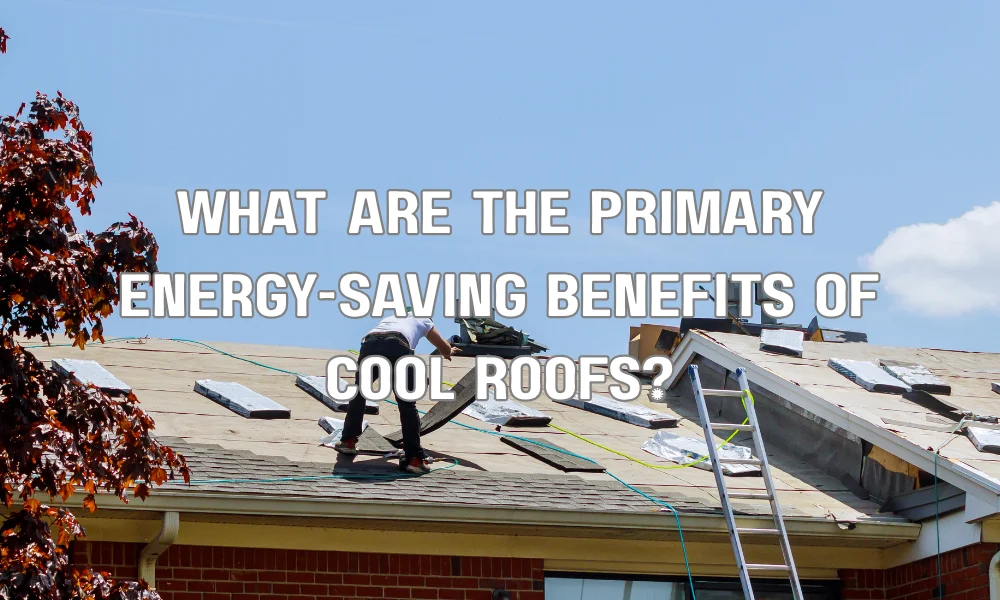
The primary energy-saving benefits of cool roofs stem from their ability to reduce cooling loads. By keeping the building envelope cooler, air conditioning units don’t have to work as hard or as long, leading to a substantial decrease in electricity consumption. Beyond direct energy savings, cool roofs can extend the lifespan of HVAC systems by reducing their operational stress and improve indoor comfort, even allowing for higher thermostat settings without sacrificing comfort. Furthermore, they contribute to mitigating the urban heat island effect, benefiting the broader community.
What are the typical costs and ROI for cool roofs in Florida?
The typical costs for installing a cool roof in Florida vary depending on the material and roof size, generally ranging from $5 to $10 per square foot. While cool roof materials might be 10-20% more expensive than conventional options, the investment is offset by significant energy savings. Homeowners can expect to see 7-15% reduction in their annual cooling costs. This translates to an average payback period of 5-10 years, making cool roofs a relatively quick return on investment, especially considering the long lifespan of roofing materials (20-30 years). Florida’s climate ensures these benefits are realized year-round.
Exploring Solar Integration for Florida Homes
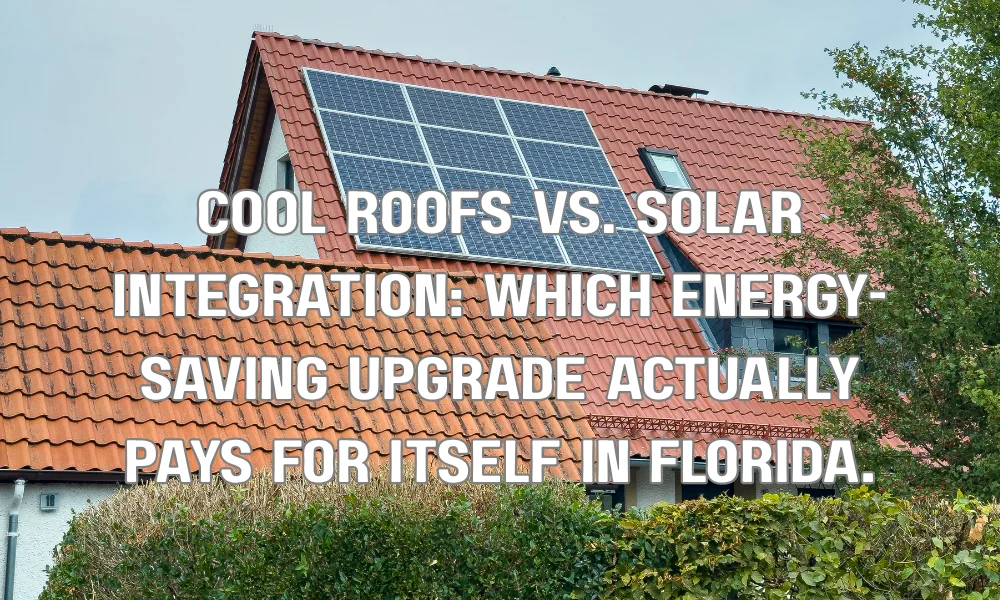
Solar integration involves installing photovoltaic (PV) panels on a property, typically on the roof, to convert sunlight directly into electricity. This renewable energy source significantly reduces reliance on grid power, offering a path toward energy independence and substantial long-term savings. The effectiveness of solar in Florida is exceptionally high due to the state’s abundant sunshine.
How does solar panel integration work to save energy?
Solar panel integration works by capturing solar energy using photovoltaic cells and converting it into usable electricity for the home. When sunlight strikes the panels, it creates an electric current, which is then sent through an inverter to convert it from direct current (DC) to alternating current (AC) – the type of electricity used in homes. This generated electricity directly offsets power drawn from the utility grid, leading to reduced or even eliminated electricity bills. Excess power can often be fed back into the grid through net metering programs, further enhancing savings and potentially providing credit.
Critical Fact 2: Florida ranks 3rd nationally for solar energy potential, receiving approximately 1,600-1,800 kilowatt-hours of solar radiation per square meter annually, making it an ideal location for solar panel installations.
What are the key financial incentives and benefits for solar in Florida?
The key financial incentives and benefits for solar in Florida primarily revolve around federal tax credits and state-level exemptions. The federal solar tax credit (Investment Tax Credit – ITC) allows homeowners to deduct a significant percentage (currently 30%) of the cost of installing a solar energy system from their federal taxes. Florida also offers property tax exemptions for the value added by a solar system and sales tax exemptions on solar equipment, making the upfront investment more appealing. Beyond incentives, the major benefit is drastically reduced or eliminated electricity bills, along with increased home value and a hedge against rising utility rates.

What is the typical investment and ROI for solar panels in Florida?
The typical investment for solar panels in Florida ranges from $15,000 to $30,000 for an average-sized residential system (5-10 kW) before incentives. After factoring in the federal ITC and state exemptions, the net cost can be significantly reduced. With Florida’s abundant sunshine and net metering policies, homeowners can expect to save $1,000-$2,000 annually on electricity bills. This translates to an average payback period of 8-12 years, but the system continues to generate free electricity for 25-30 years or more, offering a very high long-term return on investment that far exceeds the initial outlay.
Cool Roofs vs. Solar Integration: A Comparative Analysis
Both cool roofs and solar integration offer substantial energy savings, but they address different aspects of energy consumption and offer distinct ROI pathways. Cool roofs primarily reduce energy *demand* for cooling, while solar panels *generate* energy to meet that demand. Understanding their individual strengths and potential synergies is key to making an informed decision for a Florida home.
How do cool roofs and solar compare on energy savings and costs?
Cool roofs and solar panels compare differently on energy savings and costs. Cool roofs offer a passive, consistent reduction in cooling demand, typically reducing AC usage by 7-15%. Their initial cost is generally lower, ranging from $5-$10 per square foot for the roof material itself, and the payback period is often quicker, around 5-10 years. Solar panels, on the other hand, actively generate electricity, potentially offsetting 100% of a home’s electricity consumption. Their upfront cost is higher ($15,000-$30,000 before incentives), but the long-term savings are typically much larger, with a payback period of 8-12 years, followed by decades of free electricity.
Can cool roofs and solar panels work together effectively?
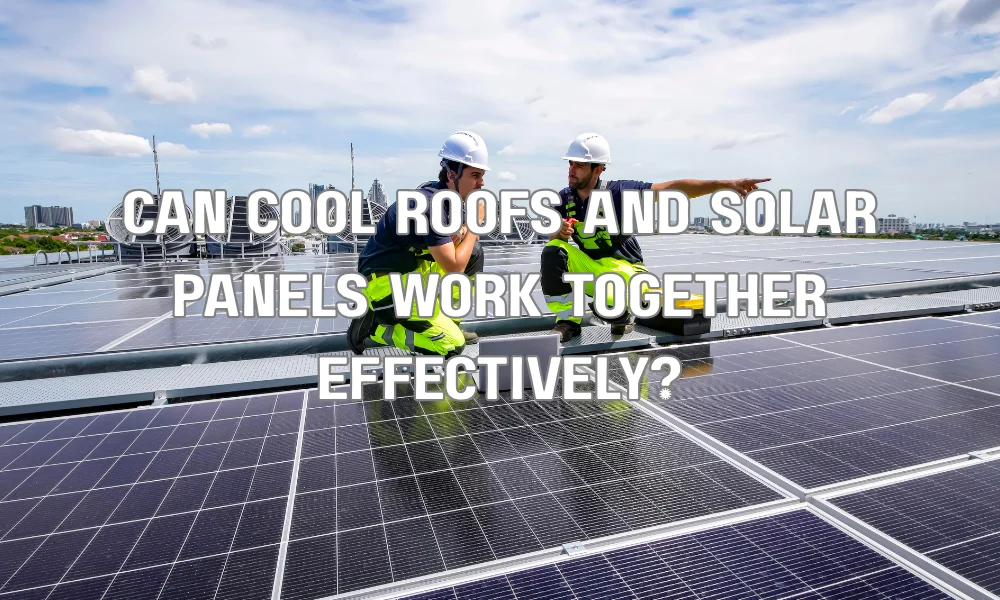
Yes, cool roofs and solar panels can work together extremely effectively, creating a highly synergistic energy-saving system. A cool roof reduces the building’s heat gain, leading to lower indoor temperatures and less demand for air conditioning. This decreased energy demand means a smaller, less expensive solar panel system might be sufficient to achieve net-zero electricity. Additionally, solar panels operate more efficiently when their temperature is lower; by cooling the roof surface beneath them, a cool roof can enhance the power output and extend the lifespan of the solar array, maximizing overall performance.
Which investment offers a faster payback period in Florida?
Cool roofs generally offer a faster payback period in Florida, typically ranging from 5 to 10 years. This quicker return is due to their lower initial investment cost compared to a full solar panel system, combined with immediate and consistent savings from reduced cooling loads. While solar panels offer a larger overall financial return over their lifespan and a greater degree of energy independence, their higher upfront cost means a slightly longer payback period, usually 8 to 12 years after accounting for incentives. For homeowners prioritizing quicker financial returns, a cool roof often comes out ahead initially.
| Feature | Cool Roof | Solar PV Integration |
|---|---|---|
| Primary Function | Reduces heat absorption, lowers cooling demand | Generates electricity, offsets utility bills |
| Typical Upfront Cost (Residential) | $5 – $10 per sq. ft. (part of re-roofing) | $15,000 – $30,000 (before incentives for 5-10kW) |
| Annual Energy Savings (Est.) | 7% – 15% reduction in AC costs | 50% – 100% reduction in total electricity bill |
| Average Payback Period (Florida) | 5 – 10 years | 8 – 12 years (post-incentives) |
| Lifespan of System | 20 – 30+ years (as roof material) | 25 – 30+ years (panels with performance warranty) |
| Key Incentives | Potentially local utility rebates (less common) | 30% Federal Tax Credit, state property/sales tax exemptions, net metering |
| Impact on Home Value | Modest increase, extends roof life | Significant increase (often 3-4% of home value) |
| Synergy with Other Systems | Enhances solar panel efficiency | Benefits from reduced load from cool roofs |
For Florida homeowners, both cool roofs and solar integration present compelling pathways to significant energy savings and increased property value. While a cool roof offers a foundational passive cooling solution with a faster return on investment, solar panels provide active electricity generation, offering long-term energy independence and greater overall savings. The optimal strategy often involves a combination of both, leveraging the strengths of each system to create a highly efficient, sustainable, and financially rewarding home environment.
Critical Fact 3: Combining a cool roof with solar panels can increase solar panel efficiency by up to 5% due to the cooler roof surface temperature, while simultaneously reducing the home’s overall energy demand, creating a highly optimized system.
Frequently Asked Questions
Is a cool roof worth it for every Florida home?
A cool roof is generally worth it for most Florida homes, especially those with older, dark roofs or inadequate attic insulation. The benefits of reduced cooling costs, improved indoor comfort, and extended roof lifespan are substantial in a hot climate. However, homes with already efficient roofing materials or minimal sun exposure might see less dramatic savings.
Do cool roofs require special maintenance in Florida?
Cool roofs typically do not require special maintenance beyond what is recommended for a standard roof. Regular cleaning to prevent algae or mildew buildup, which can reduce their reflectivity, is beneficial. Florida’s humid climate makes periodic inspection for biological growth important for maintaining optimal performance.
Can I install solar panels on an old roof?
It’s generally not recommended to install solar panels on an old roof that is nearing the end of its lifespan. The solar system is designed to last 25-30 years, and you wouldn’t want to remove and reinstall panels for a new roof halfway through that period. Most installers recommend a new roof or one with at least 10-15 years of life left.
Are solar panels effective during Florida’s hurricane season?
Modern solar panels are designed to withstand high winds and severe weather, often exceeding local building codes for hurricane resistance. They are securely mounted to the roof. While power outages may occur due to grid issues, panels will begin generating electricity again once the sun is out, especially if paired with battery storage.
What is net metering and how does it work in Florida?
Net metering is a billing mechanism that allows solar energy system owners to send excess electricity generated by their panels back to the utility grid. In Florida, utilities credit customers for this surplus power, offsetting what they draw from the grid at other times. This reduces overall electricity bills and maximizes the value of solar investment.
How much does a cool roof save on average?
A cool roof can typically save between 7% and 15% on annual air conditioning costs for a Florida home. Actual savings depend on factors like insulation levels, window efficiency, thermostat settings, and the specific cool roof material chosen. The cooler your attic, the greater the potential savings.
Will installing solar panels increase my property taxes in Florida?
No, in Florida, installing solar panels will not increase your property taxes. State legislation exempts the value added by a solar energy system from property tax assessments, making it a tax-advantageous home improvement. This is a significant incentive for homeowners considering solar.
What is the combined ROI of a cool roof and solar panels?
While the individual ROIs are 5-10 years for cool roofs and 8-12 years for solar, combining them can lead to an accelerated overall ROI. The cool roof makes the home more efficient, potentially reducing the size (and cost) of the solar system needed, and enhances solar panel performance, leading to greater combined savings and faster payback.
