
Executive Summary
- Persistent roof leaks after repairs often signal underlying structural issues, indicating that spot fixes are merely cosmetic and temporary.
- Widespread shingle damage, including curling, cracking, or missing granules across large sections, strongly suggests the roof’s lifespan is nearing its end.
- An aging roof, particularly one past its expected lifespan of 15-20 years for asphalt, will continue to fail in new areas despite targeted repairs.
- Escalating repair costs for recurring problems quickly surpass the long-term investment value of a complete and durable roof replacement.
- Inconsistent patching with mismatched materials or poor integration can compromise structural integrity and aesthetic appeal, inviting future failures.
- Ignoring these warning signs can lead to more extensive and costly damage to your home’s interior and overall structure over time.
- Proactive evaluation by a certified professional ensures an informed decision, differentiating between minor fixes and essential full roof replacement.
Your roof is your home’s primary defense against the elements, a critical component of its structural integrity and energy efficiency. However, many homeowners fall into the trap of repeatedly patching minor issues, hoping to prolong its life. This approach, often referred to as a “band-aid” repair, can quickly become a costly cycle, ultimately leading to more significant damage and an inevitable, more expensive replacement. Recognizing when a repair is just a temporary fix versus a lasting solution is crucial for protecting your investment and ensuring your family’s safety.
Critical Fact 1: Over 70% of homeowners delay significant roof repairs, often opting for cheaper, temporary fixes, which can double long-term costs due to secondary damage.
Understanding the “Band-Aid” Roof Repair
What constitutes a “band-aid” roof repair?
A “band-aid” roof repair is a superficial, short-term fix that addresses only the visible symptom of a problem without resolving its underlying cause. These repairs typically involve patching a small leak, replacing a few missing shingles in an isolated area, or applying sealant to cracks without assessing the broader health of the roof system. While seemingly cost-effective in the immediate term, such repairs fail to consider the overall age, material degradation, and structural integrity of the entire roof. They often provide only temporary relief, leading to recurring issues in the same or adjacent areas, signaling a deeper, systemic problem.
The 5 Warning Signs Your Roof Repair is a “Band-Aid”
1. Is recurring leakage a sign of deeper trouble?
Yes, recurring leakage is a definitive sign of deeper trouble, indicating that previous repairs failed to address the root cause. If you find water stains returning in the same spot, or new leaks appearing shortly after a repair, it’s a clear indication that the initial fix was superficial. Often, a leak might manifest in one spot, but the actual water intrusion point could be several feet away, traveling along the roof decking or framing before dripping into your home. Persistent leaks often point to widespread issues like degraded underlayment, compromised flashing around chimneys or skylights, or extensive shingle damage across a broader area, none of which can be fixed with isolated patches.
2. Does visible widespread damage indicate a need for replacement?
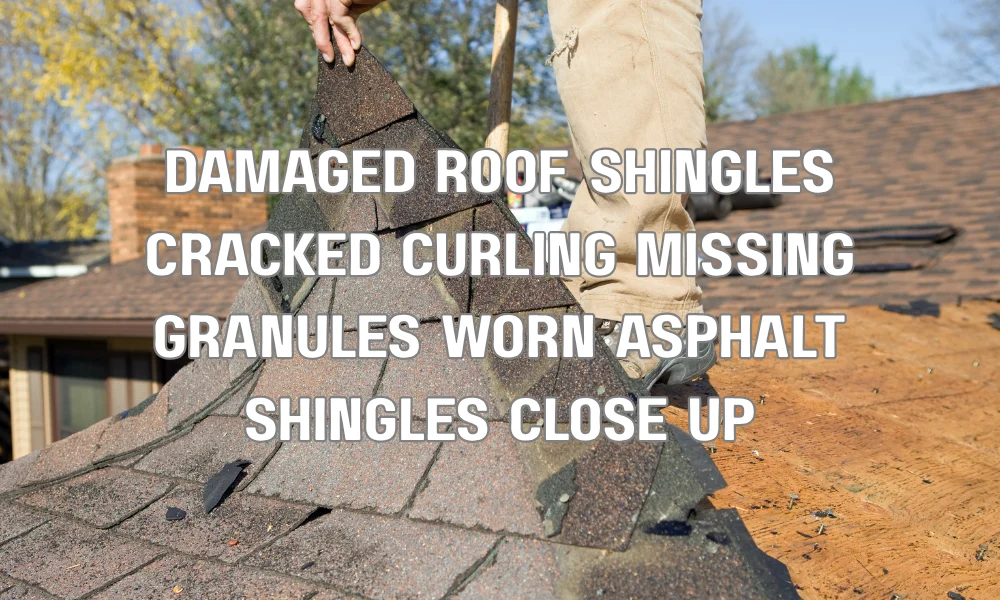
Absolutely, visible widespread damage strongly indicates a need for a full roof replacement, not just further patching. If you observe numerous shingles that are cracked, curling, blistering, or missing large amounts of granules across various sections of your roof, it suggests the material itself has reached the end of its functional life. Patching individual damaged shingles in such a scenario is akin to replacing a single worn-out tire on a car with three bald ones; the system remains compromised. This extensive degradation is a critical warning sign that the entire roof system is failing and can no longer provide adequate protection.
3. When should you question the age of your roof system?
You should question the age of your roof system when it approaches or exceeds its typical lifespan, which for asphalt shingles is usually 15-20 years, depending on quality and climate. Even if specific areas look okay, an aging roof experiences general material fatigue and reduced performance across the board. Continued repairs on a roof past its prime often lead to new weaknesses appearing faster than they can be patched, creating a never-ending cycle of minor fixes. A roof that is constantly needing new repairs, regardless of where they appear, is likely demonstrating overall systemic failure due to age.
Critical Fact 2: A roof older than 15 years often incurs annual repair costs exceeding 10% of a full replacement’s value, signaling diminishing returns on patching.
4. Are continuously rising repair costs a red flag?
Yes, continuously rising repair costs are a significant red flag that your roof requires more than just “band-aid” solutions. If you find yourself budgeting for roof repairs every year, or if the cost of each subsequent repair increases, it’s a clear indication that temporary fixes are becoming unsustainable. These cumulative costs can quickly approach or even surpass the expense of a complete roof replacement, without delivering the benefit of a brand-new, warrantied system. This financial pattern signals that continued patching is an inefficient use of resources and that a long-term investment is overdue.
5. What do mismatched or poorly integrated patches reveal?
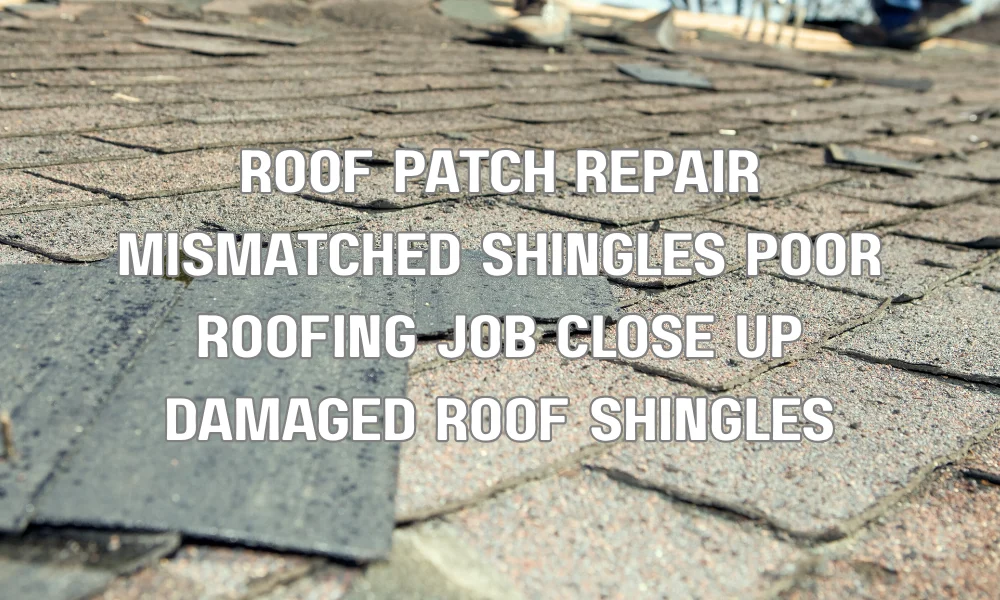
Mismatched or poorly integrated patches reveal a lack of professional expertise or a desperate attempt to delay a full replacement, often compromising the roof’s integrity and aesthetics. When repairs involve using different colored shingles, incorrect material types, or patches that don’t properly seal with the existing roof, it creates weak points. These areas are more susceptible to wind uplift, water penetration, and premature wear, essentially undermining the entire roof’s protective capabilities. Furthermore, such patches detract significantly from your home’s curb appeal and can even lower its market value.
Beyond the Patch: When to Consider a Full Replacement
What are the long-term benefits of a full roof replacement?
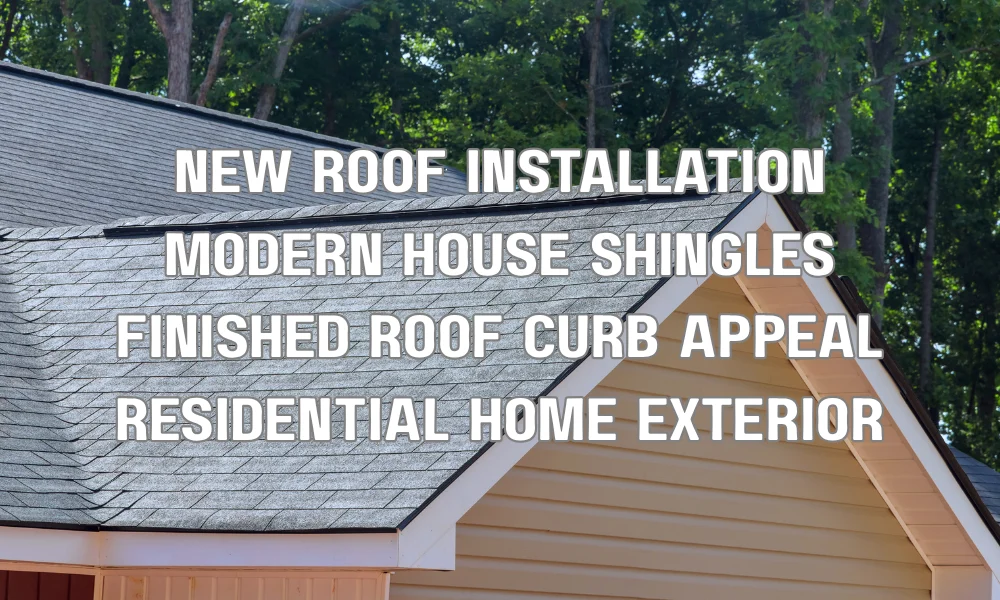
A full roof replacement offers numerous long-term benefits that far outweigh the temporary savings of repeated patching. Firstly, it provides a complete, cohesive, and robust protective system designed to last for decades, significantly reducing future leak risks and repair needs. A new roof enhances curb appeal, increasing your home’s value and marketability. Furthermore, modern roofing materials and installation techniques can improve energy efficiency, leading to lower heating and cooling costs. You also gain peace of mind with extensive manufacturer and workmanship warranties, ensuring protection against defects for many years.
| Factor | “Band-Aid” Repair Approach | Full Roof Replacement Approach |
|---|---|---|
| Initial Cost | Low (e.g., $300 – $1,500) | High (e.g., $8,000 – $30,000+) |
| Long-Term Cost (5-10 yrs) | Potentially very high due to recurring issues and secondary damage (e.g., $3,000 – $10,000+) | Significantly lower, typically only maintenance (e.g., $0 – $500) |
| Lifespan Added | Minimal, often just months to a few years for patched area | 15-50+ years depending on material |
| Warranty Coverage | Limited, often only for specific repair work | Comprehensive manufacturer and labor warranties (10-50 years) |
| Energy Efficiency | No improvement, potentially worse if seals are poor | Improved insulation, lower utility bills |
| Home Value | Decreased due to visible patchwork and underlying issues | Increased, significant ROI upon resale |
| Peace of Mind | Low, constant worry about next leak | High, secure and protected home |
Making the Right Decision for Your Home
How can you accurately assess your roof’s true condition?
Accurately assessing your roof’s true condition requires a professional inspection by a reputable and certified roofing contractor. These experts possess the knowledge and tools to identify subtle signs of damage, evaluate the integrity of the entire roof system—including flashing, decking, and ventilation—and detect underlying issues that a homeowner might miss. They will provide a comprehensive report detailing the current state of your roof, its estimated remaining lifespan, and a clear recommendation on whether a targeted repair or a full replacement is the most cost-effective and structurally sound solution for your home in the long run.
Critical Fact 3: A professional roof inspection can save homeowners thousands by identifying critical issues early and preventing costly secondary damage from ongoing “band-aid” repairs.
Frequently Asked Questions
What is the average lifespan of a typical asphalt shingle roof?
The average lifespan of a typical asphalt shingle roof is generally 15 to 20 years, though higher-quality architectural shingles can last 25 to 30 years. Factors like climate, installation quality, and maintenance significantly influence this duration.
How do I know if my roof has hail damage that warrants a replacement?
Hail damage often appears as circular dents or cracks on shingles, exposed fiberglass matting, or granule loss in localized areas. A professional inspection is crucial to assess the extent of the damage and determine if it compromises the roof’s protective layer.
Can I just replace a section of my roof instead of the whole thing?
While possible for very isolated damage on a relatively new roof, replacing only a section is usually not advisable for older roofs or widespread issues. Mismatched materials, color fading, and differing lifespans can create new vulnerabilities and aesthetic problems.
Will insurance cover a full roof replacement if repairs are deemed insufficient?
Insurance policies typically cover full roof replacements if the damage is sudden and accidental, such as from storms or fallen trees, and if repairs are no longer a viable option. It’s essential to document all damage and consult your insurance provider promptly.
What are the signs of poor roof ventilation contributing to issues?
Signs of poor roof ventilation include excessive heat in the attic, warped or rotting roof decking, premature shingle aging (especially near the ridge), and increased energy bills. Proper ventilation is vital for extending a roof’s life.
How often should I have my roof professionally inspected?
It’s recommended to have your roof professionally inspected at least once every 1-3 years, and always after a major storm. Regular inspections help catch minor issues before they escalate into costly problems.
Are there eco-friendly roofing options for a full replacement?
Yes, there are several eco-friendly roofing options, including recycled content shingles, metal roofs, and cool roofs designed to reflect sunlight. These materials often offer longer lifespans and better energy efficiency.
What questions should I ask a roofing contractor before hiring them?
Ask about their licensing and insurance, project timeline, warranty details, material options, previous client references, and their process for addressing unexpected issues. A reputable contractor will be transparent and thorough.
