
Executive Summary
- Proactive roof maintenance, including regular inspections and timely repairs, is paramount to upholding your roof’s warranty and ensuring its long-term performance.
- Understanding the specific terms and conditions of both material and workmanship warranties is crucial; ignorance often leads to unintentional voiding.
- Always use certified, manufacturer-approved contractors for repairs and installations to comply with warranty stipulations and prevent nullification.
- Diligent record-keeping of all inspections, maintenance activities, and repair receipts provides undeniable proof of compliance when filing a claim.
- Unauthorized modifications, improper ventilation, or using non-approved cleaning methods are common pitfalls that can instantly void critical warranty coverage.
- Addressing minor issues promptly prevents escalation, which not only saves money but also demonstrates due diligence in maintaining your roof system.
Your roof is more than just a cover over your head; it’s a complex system designed to protect your most valuable asset. When you invest in a new roof or significant repairs, a warranty provides peace of mind, promising protection against defects and premature failure. However, these warranties are not unconditional. Many homeowners unknowingly void their roof warranties through oversight, lack of information, or improper maintenance practices. Understanding how to actively maintain your roof and adhere to warranty guidelines is crucial for ensuring that this valuable protection remains intact when you need it most. This guide will walk you through the essential steps and common pitfalls to help you safeguard your roof warranty.
Critical Fact 1: A roof warranty typically covers either material defects (from the manufacturer) or workmanship flaws (from the installer), but almost all are contingent on the homeowner performing specified routine maintenance.
Understanding Your Roof Warranty: A Foundational Step
What are the different types of roof warranties available?
Roof warranties primarily fall into two categories: manufacturer warranties and workmanship warranties. Manufacturer warranties cover the materials themselves, protecting against defects like premature granule loss, curling, or cracking for a specified period, often 25 to 50 years or even lifetime for some products. Workmanship warranties, provided by the roofing contractor, cover the quality of the installation, ensuring that the roof was installed correctly according to industry standards and manufacturer specifications, typically lasting 5 to 20 years.
Why is understanding your warranty document crucial?
Understanding your warranty document is crucial because it details the specific terms, conditions, limitations, and requirements you must meet to keep the warranty valid. This includes approved maintenance procedures, restrictions on modifications, and the process for filing a claim. Failure to comprehend these clauses can lead to actions that inadvertently void your coverage, leaving you responsible for costly repairs that would otherwise have been covered.
Proactive Maintenance: The Cornerstone of Warranty Preservation
What routine inspections should homeowners perform?
Homeowners should perform routine visual inspections at least twice a year—ideally in the spring and fall—and after any major storm, checking for common issues. Look for loose, cracked, or missing shingles, signs of granules accumulating in gutters, damaged flashing around chimneys and vents, and proper functioning of gutters and downspouts. Also, inspect for moss, algae, or excessive debris accumulation, which can trap moisture and degrade roofing materials.
How often should professional roof inspections occur?
Professional roof inspections should occur every 3 to 5 years, or more frequently if your roof is older or has experienced severe weather. While homeowners can identify obvious issues, a professional can spot subtle signs of wear, potential leaks, or structural problems that might go unnoticed. Many warranties require periodic professional inspections by certified contractors to remain valid, ensuring that any manufacturer-specific maintenance requirements are met and documented.
Regular maintenance is not just about extending your roof’s life; it’s a direct requirement for most warranties. Neglecting simple tasks like gutter cleaning or debris removal can lead to water damage, mold growth, and structural stress, all of which manufacturers and installers may cite as reasons to deny a claim. Proactive care ensures that minor issues don’t escalate into major problems that could compromise your warranty.
Common Pitfalls That Void Your Roof Warranty
What unapproved repairs or modifications can void a warranty?
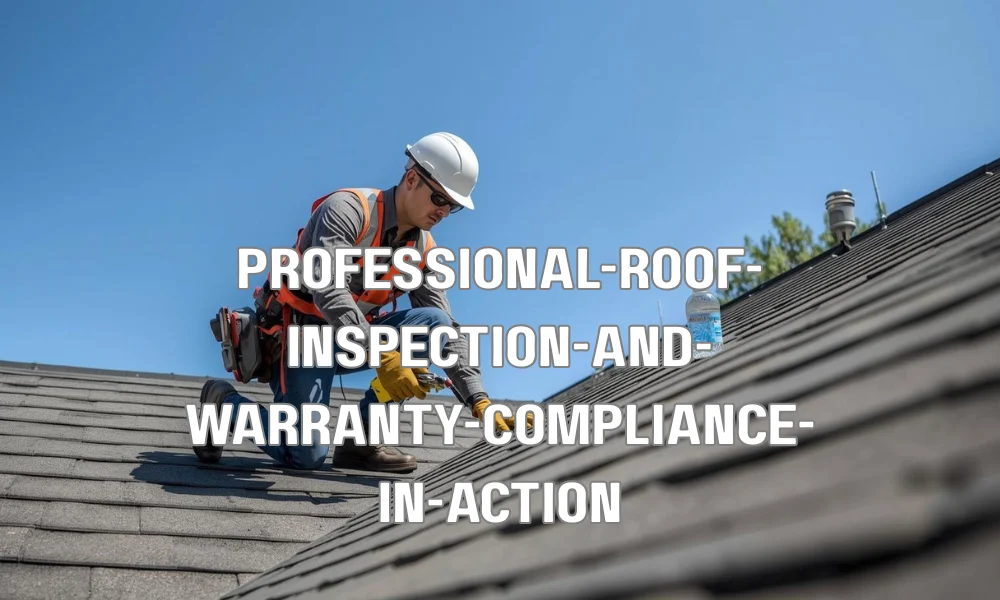
Unapproved repairs or modifications, especially those not performed by a certified or manufacturer-approved contractor, are major warranty voiders. This includes using non-compatible materials for patches, adding new structures like skylights or solar panels without professional guidance, or making alterations that compromise the roof’s structural integrity or drainage system. Always consult your warranty document and potentially the manufacturer before undertaking any significant work.
How do poor ventilation practices impact roof longevity and warranty?
Poor ventilation practices significantly impact roof longevity and can void warranties by causing excessive heat buildup in the attic during summer and moisture accumulation in winter. High attic temperatures can prematurely age shingles, causing them to crack and curl. Excessive moisture leads to mold, mildew, and rot, degrading the roof deck and supporting structures. Manufacturers often specify ventilation requirements to ensure proper air circulation, and failure to meet these can be a direct breach of warranty terms.
When does pressure washing become a warranty risk?
Pressure washing becomes a significant warranty risk when used on most roofing materials, particularly asphalt shingles. The high-force water spray can dislodge protective granules, strip away essential sealant, and even force water underneath shingles, leading to leaks and material degradation. While some hard surfaces like metal or tile might tolerate low-pressure washing, it’s generally best to avoid it or consult a roofing professional and your warranty guidelines before considering any form of high-pressure cleaning.
Critical Fact 2: Many roof warranties explicitly state that any repairs or alterations performed by uncertified contractors or using non-approved materials will immediately void the coverage for that section, or even the entire roof system.
Documentation and Record-Keeping: Your Warranty Safeguard
What essential records should you keep for your roof?
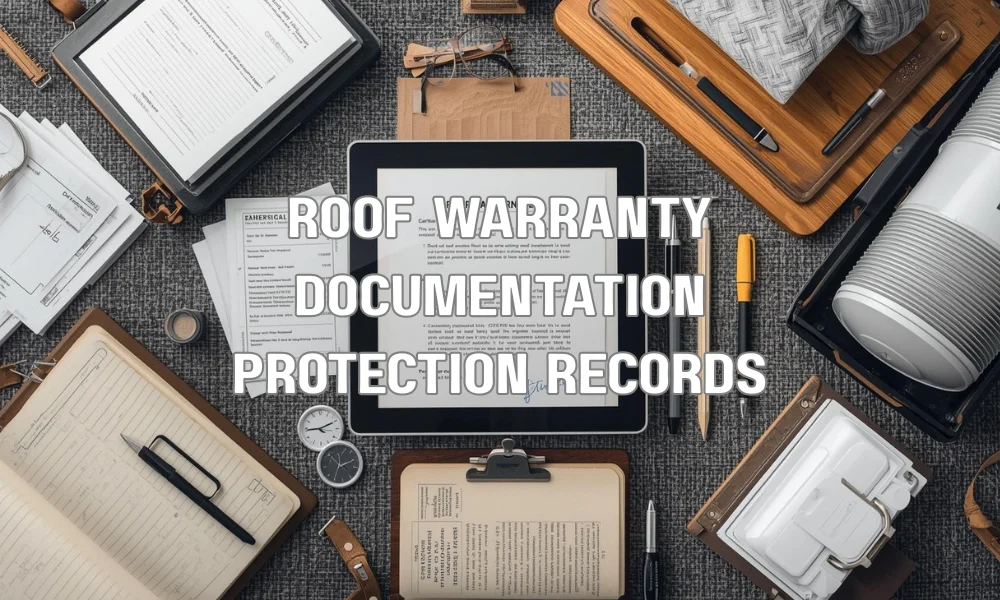
You should keep a comprehensive file of all essential records related to your roof, including the original warranty documents (both material and workmanship), receipts and contracts from the installation, and any subsequent repair or maintenance work. Also, maintain a log of routine homeowner inspections, noting dates and observations, alongside photographs of your roof’s condition over time. Keep contact information for your roofing contractor and the material manufacturer readily accessible.
How do these records protect your warranty claim?
These records protect your warranty claim by serving as irrefutable proof of compliance with the warranty’s terms and conditions. If an issue arises, you can demonstrate that scheduled maintenance was performed, proper materials were used, and certified professionals conducted any repairs. Without this documentation, a manufacturer or contractor can easily deny a claim, arguing that you failed to meet your obligations or that the damage was due to neglect or improper intervention.
Navigating Warranty Claims: What to Expect
What is the typical process for filing a roof warranty claim?
The typical process for filing a roof warranty claim usually begins by contacting your original roofing contractor (for workmanship issues) or the material manufacturer (for material defects). You will likely need to provide your warranty documentation, proof of purchase, and detailed information about the issue, often including photos or videos. The company will then arrange for an inspection to verify the claim’s validity. If approved, they will outline the repair or replacement plan and timeline.
What documentation is required when filing a claim?
When filing a claim, the required documentation typically includes your original warranty certificates, the contract and invoice from the roof installation, and any records of maintenance, inspections, or previous repairs. Photographs and detailed descriptions of the damage are also crucial. Some manufacturers might also request proof of purchase of the specific roofing materials and information about the contractor who installed the roof.
Choosing the Right Contractor: A Long-Term Investment
Why is a certified and insured contractor vital for warranty compliance?
A certified and insured contractor is vital for warranty compliance because many manufacturers require their products to be installed or repaired by professionals certified in their specific systems. This ensures the work meets stringent quality standards, reducing the likelihood of installation errors that could void the material warranty. Furthermore, an insured contractor protects you from liability for accidents or damage that may occur during the job, safeguarding your investment and peace of mind.
Common Roof Types and Warranty Considerations
| Roof Type | Typical Material Warranty | Typical Workmanship Warranty | Key Maintenance Affecting Warranty |
|---|---|---|---|
| Asphalt Shingles | 25-50 years (pro-rated) | 5-20 years | Gutter cleaning, debris removal, granule loss monitoring, shingle repair/replacement by certified pros. |
| Metal Roofing | 30-50 years (non-prorated) | 10-25 years | Coating inspection, fastener integrity checks, rust prevention, panel cleaning. |
| Tile (Clay/Concrete) | 50+ years | 10-20 years | Cracked tile replacement, underlayment checks, debris removal, moss/algae control. |
| EPDM/TPO (Flat) | 10-30 years | 5-15 years | Seam integrity inspections, puncture repair, UV coating application, ponding water prevention. |
Maintaining your roof warranty isn’t just about avoiding costly repairs; it’s about preserving the long-term integrity and value of your home. By being informed, proactive, and meticulous with documentation, you can confidently navigate the complexities of roof care and ensure your warranty stands strong for decades to come.
Critical Fact 3: The warranty on your roof is a legally binding contract; understanding and adhering to its specific clauses regarding maintenance and approved repairs is your direct responsibility as a homeowner.
Frequently Asked Questions
Can a DIY repair void my roof warranty?
Yes, most manufacturer and workmanship warranties explicitly state that repairs or alterations not performed by a certified or approved contractor can void the warranty. DIY repairs, even minor ones, can be done incorrectly, leading to further damage that the warranty provider will not cover.
Is it necessary to clean my gutters to maintain my warranty?
Absolutely. Clogged gutters can cause water to back up onto your roof, leading to premature material degradation, water penetration, and ice dam formation. Manufacturers often consider this neglect, which can void your warranty for related damage.
What happens if I sell my home? Is the roof warranty transferable?
Many roof warranties are transferable to a new homeowner, often with certain conditions or a transfer fee. Always check your specific warranty document for transferability clauses and the required steps to complete the transfer process.
Are hail damage repairs covered under a typical roof warranty?
No, typical material or workmanship warranties do not cover damage caused by “acts of God” such as hail, strong winds, or other natural disasters. This type of damage is usually covered by your homeowner’s insurance policy, not the roof warranty itself.
How often should I have my roof professionally inspected?
While specific warranty terms vary, a good rule of thumb is to have your roof professionally inspected every 3 to 5 years. This frequency allows early detection of potential issues and ensures compliance with any warranty requirements for periodic checks.
Can pressure washing my roof void the warranty?
Yes, pressure washing most types of roofs, especially asphalt shingles, is a common way to void a warranty. The high pressure can remove protective granules, damage sealant, and force water beneath shingles, leading to accelerated wear and potential leaks.
What if my original roofing contractor goes out of business?
If your original contractor (who provided the workmanship warranty) goes out of business, their warranty coverage may be void. However, your manufacturer’s material warranty typically remains active as it’s directly with the product producer. Always keep manufacturer warranty documents secure.
Does installing solar panels affect my roof warranty?
Installing solar panels often requires penetrating the roof surface, which can impact or void your roof’s warranty if not done correctly by a certified installer. It’s crucial to consult both your roof manufacturer and your solar installer to ensure compliance and understand potential warranty implications.
