
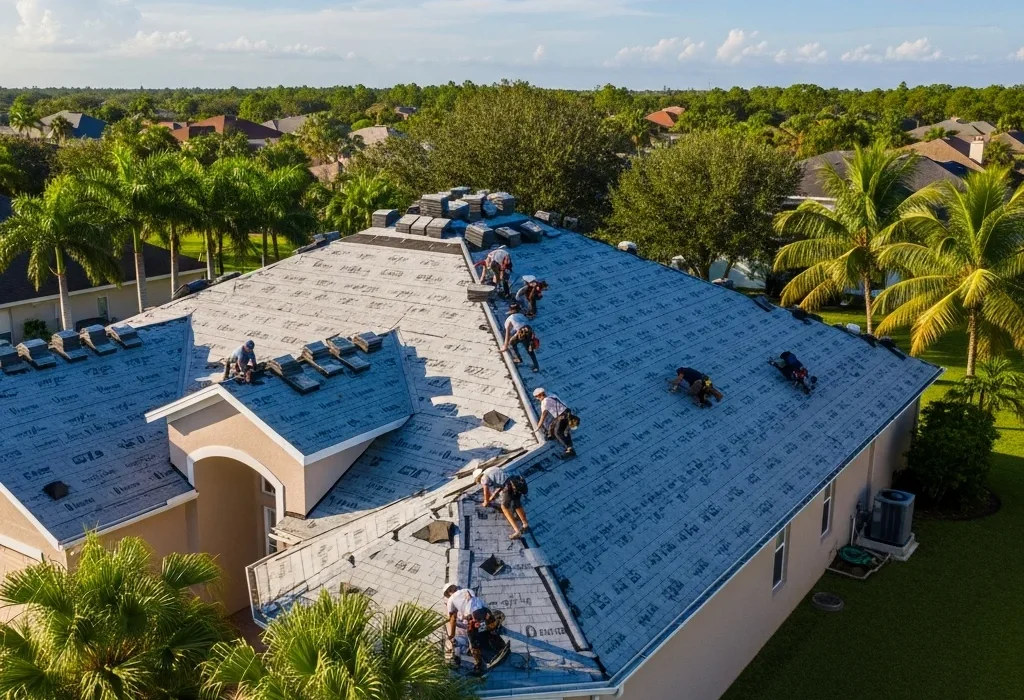
Florida’s unique climate presents specific considerations when deciding on the optimal time to replace your roof. While immediate repairs are often necessary after severe weather, a planned replacement requires careful timing to avoid extreme heat, heavy rainfall, and hurricane season. Understanding these seasonal patterns will help you secure better pricing, ensure contractor availability, and protect your investment from costly damage.
Executive Summary
- The ideal window for roof replacement in Florida falls within the drier, cooler months of late fall and early spring.
- Avoiding the peak of hurricane season (August to October) significantly reduces the risk of weather-related project delays and damage.
- Replacing your roof outside of extreme summer heat improves worker safety and material performance, leading to a higher quality installation.
- Early spring offers good weather and allows for completion before the intense summer humidity and rains begin.
- Late fall provides a window of opportunity before winter rains and cooler temperatures become a factor for contractors.
- Consulting with local roofing professionals will provide the most accurate, site-specific advice for your roof replacement project.
Understanding Florida’s Climate and Roofing
What are the primary weather challenges for roof replacement in Florida?
Florida’s weather presents a dual threat to roof replacement projects: intense heat and humidity during the summer months, and the active hurricane season. High temperatures can make it dangerous for workers and affect the adhesion and lifespan of certain roofing materials, while tropical storms and hurricanes can halt progress, damage new materials, and create costly emergency repairs. Understanding these challenges is crucial for planning a successful and efficient roofing project.
How does the summer heat impact roof replacement?
The prolonged and intense heat of Florida summers, often accompanied by high humidity, poses significant risks to both workers and the roofing materials. Workers are more susceptible to heatstroke and exhaustion, which can lead to mistakes and accidents. Furthermore, many roofing materials, especially asphalt shingles and certain adhesives, perform optimally within specific temperature ranges. Excessive heat can cause premature aging, reduce the effectiveness of seals, and make installation more difficult, potentially compromising the roof’s integrity and longevity.
Why is hurricane season a critical factor for Florida roof replacements?
Hurricane season, officially running from June 1st to November 30th, with peak activity from August to October, represents a period of heightened risk for any construction project, particularly roofing. The unpredictable nature of tropical storms and hurricanes means that projects can be abruptly halted by mandatory evacuations, high winds, and torrential rains. This not only leads to significant delays but also exposes newly installed materials to potential damage before they are fully secured and protected. It’s generally advisable to complete a roof replacement well before the peak of this season or to wait until it has passed.
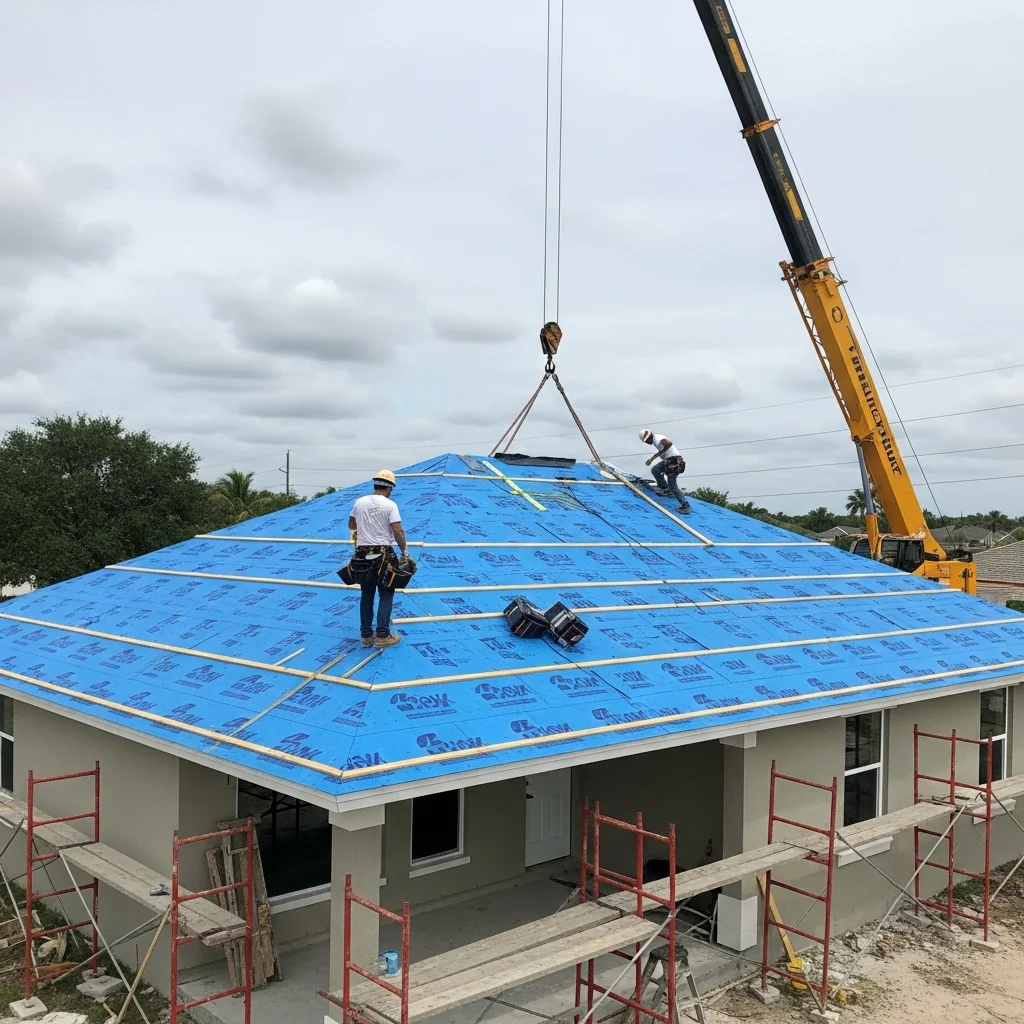
Optimal Timing for Roof Replacement in Florida
When is the best time of year to schedule a roof replacement in Florida?
The prime season for undertaking a roof replacement in Florida generally spans from late fall through early spring, specifically between November and April. This period offers the most favorable weather conditions, characterized by lower humidity, less frequent rainfall, and milder temperatures. By scheduling your project during these months, you can ensure a smoother installation process, better accessibility to reputable contractors, and a reduced likelihood of weather-related disruptions.
What makes late fall an advantageous period for roof replacement?
Late fall, typically from November to December, presents a valuable window for Florida homeowners considering a roof replacement. The intense summer heat and humidity have subsided, and the full force of hurricane season has usually passed, though isolated storms can still occur. This cooler, drier weather makes it more comfortable and safer for roofing crews, leading to better workmanship. Additionally, as the busy holiday season approaches, some contractors may offer slightly more competitive pricing to fill their schedules before the year-end.
Why is early spring considered an excellent time for roof replacement?
Early spring, from March to April, is another prime time for Florida roof replacements. This period benefits from continued mild temperatures and decreasing humidity, offering a significant improvement over the preceding summer. Crucially, completing a roof replacement in early spring ensures that your new roof is fully installed and weathered-in well before the onset of the heavy rains and potential storms of late spring and the active hurricane season. This proactive approach minimizes the risk of unexpected weather damage to your home.
Factors Influencing the Decision
How do contractor availability and pricing fluctuate throughout the year?
Contractor availability and pricing in Florida are heavily influenced by seasonal demand and weather patterns. During the peak of hurricane season and the hotter summer months, demand for emergency repairs and installations can surge, leading to higher prices and longer waiting times for scheduled work. Conversely, the off-peak seasons, like late fall and early spring, often see more availability and potentially more competitive pricing as contractors seek to maintain consistent workloads. Booking well in advance of your preferred season is always recommended.
What are the cost implications of replacing a roof during different seasons?
Replacing a roof during the optimal seasons (late fall to early spring) can sometimes result in cost savings. Contractors may be more willing to negotiate prices to secure work during slower periods. Conversely, attempting a replacement during the height of hurricane season or the oppressive summer heat might lead to inflated costs due to increased demand for emergency services and the added complexities of working in challenging conditions. Unforeseen weather delays can also extend project timelines, potentially increasing overall expenses.
How does the material choice affect the best time for replacement?
While all roofing materials benefit from stable weather, some are more sensitive to extreme temperatures than others. For instance, asphalt shingles can become brittle in extreme cold or too soft and pliable in extreme heat, making installation challenging and potentially affecting their immediate performance. Adhesives used in various roofing systems also have optimal curing temperatures. Replacing your roof during the milder seasons ensures that materials are installed under conditions that promote proper adhesion and long-term durability.
What is the impact of local building codes and permits on scheduling?
Local building codes and permit processes can add a layer of complexity to roof replacement scheduling. Obtaining permits can take time, and inspections are required at various stages of the project. While codes themselves don’t dictate the time of year, the availability of building inspectors and the pace at which permits are processed can be influenced by seasonal workloads. It’s wise to factor in permit acquisition and inspection timelines, which can sometimes be faster during less busy periods for local government offices.
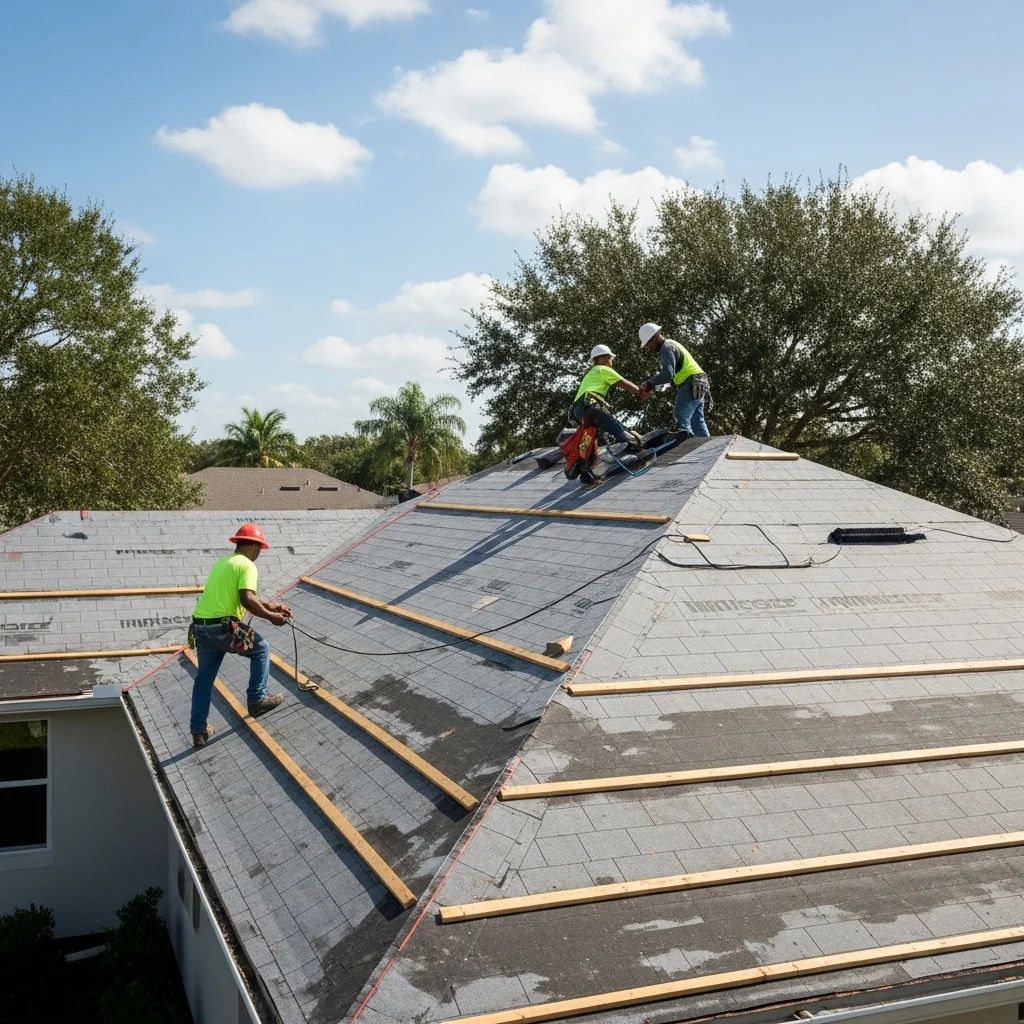
Technical Specifications and Pricing Comparison
Choosing the right roofing material is a significant decision that impacts cost, durability, and installation timing. Here’s a comparative look at popular options in Florida:
| Roofing Material | Typical Lifespan (Years) | Estimated Cost Per Square Foot (Installed) | Best Installation Season in Florida | Key Considerations for Florida |
|---|---|---|---|---|
| Asphalt Shingles | 15-30 | $3.50 – $7.00 | Late Fall – Early Spring | Resistant to wind, but can be affected by extreme heat. |
| Metal Roofing (e.g., standing seam) | 40-70+ | $7.00 – $15.00 | Year-round, but avoid peak hurricane activity | Highly durable, reflective properties reduce cooling costs. |
| Tile Roofing (Clay/Concrete) | 50-100+ | $8.00 – $18.00 | Late Fall – Early Spring | Excellent for heat resistance, but heavy; requires robust framing. |
| TPO/EPDM (Flat Roofs) | 15-25 | $4.00 – $8.00 | Late Fall – Early Spring | Effective for low-slope, but can degrade with prolonged UV exposure. |
Frequently Asked Questions
Is it ever too late in the year to replace a roof in Florida?
While it’s best to avoid the peak of hurricane season (August-October), it’s rarely “too late” to replace a roof. However, winter months can bring cooler temperatures and rain, potentially causing delays. Planning during the drier, milder seasons is always recommended.
Can I replace my roof during the summer in Florida?
You can, but it’s not ideal. The intense heat poses risks to workers and can affect material performance. It’s generally advisable to schedule replacements for the cooler, drier months.
What is the cheapest time of year to get a new roof in Florida?
Typically, the off-peak seasons, like late fall and early spring, may offer more competitive pricing as contractors seek to fill their schedules. However, always prioritize quality over the lowest price.
How long does a roof replacement take in Florida?
A typical residential roof replacement can take anywhere from 1 to 3 days, depending on the size of the house, the complexity of the roof, and the weather conditions.
Should I wait for an insurance claim to replace my roof if it’s damaged?
If your roof is damaged by a covered peril, filing an insurance claim is appropriate. However, if it’s due for replacement due to age or wear, it’s best to schedule it proactively during the optimal seasons.
What are the signs my roof needs replacing in Florida?
Look for curling or cracked shingles, missing shingles, granule loss in gutters, water stains on ceilings or walls, or the age of your roof (typically over 15-20 years for asphalt shingles).
Can heavy rain during a roof replacement damage my home?
Yes, prolonged or heavy rain during a replacement can lead to water intrusion, potentially damaging your attic, insulation, and interior finishes if not properly protected.
What happens if a hurricane hits while my roof is being replaced?
If a hurricane approaches during replacement, work will likely halt, and materials will need to be secured. This can cause significant delays and potential damage to unfinished work.
