
Executive Summary
- Florida roofs typically last 15-30 years, depending heavily on material, installation quality, and maintenance practices.
- Shingle roofs are the most common and generally last 15-25 years, with higher-quality options extending this lifespan.
- Metal roofs offer superior durability, often providing 40-70 years of protection, making them a long-term investment.
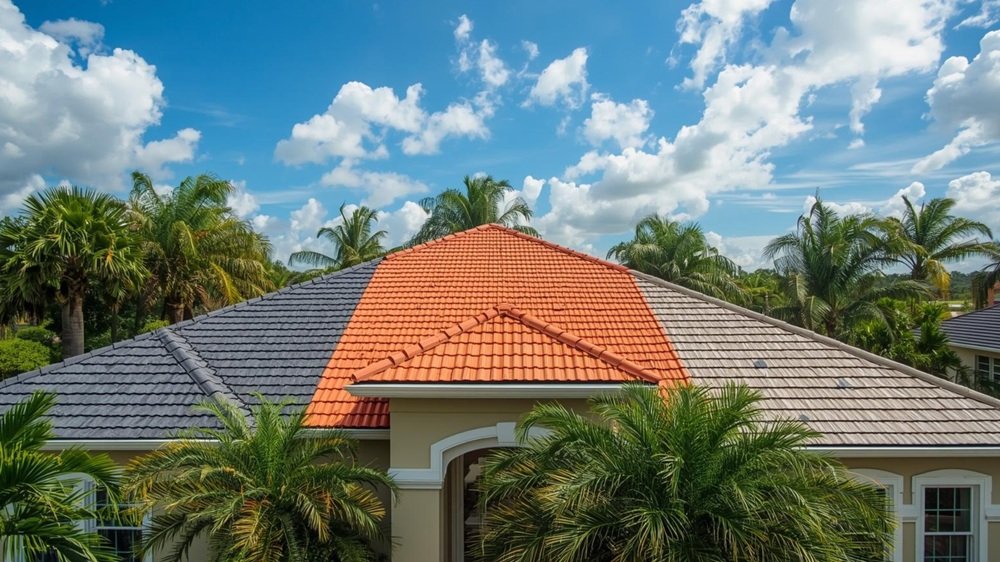
- Tile roofs, particularly concrete and clay, can endure 50+ years when properly cared for, resisting Florida’s harsh elements.
- Regular inspections and prompt repairs are crucial for maximizing any roof’s longevity and preventing costly damage.
- Climate factors like intense sun, humidity, and hurricane activity significantly impact a roof’s lifespan in Florida.
Understanding Florida Roof Lifespan: Factors to Consider
What is the average lifespan of a roof in Florida?
The average lifespan of a roof in Florida generally falls between 15 to 30 years. However, this is a broad estimate, and the actual longevity of your roof will depend on a complex interplay of material choice, installation quality, and ongoing maintenance. Understanding these influencing factors is key to predicting and extending your roof’s service life.
How does the type of roofing material affect its lifespan in Florida?
The material chosen for your roof is arguably the most significant determinant of its lifespan. Different materials possess varying degrees of resilience to Florida’s unique environmental challenges, such as intense UV radiation, high humidity, salt spray (in coastal areas), and the ever-present threat of hurricanes.
Asphalt Shingle Roofs: Longevity and Considerations
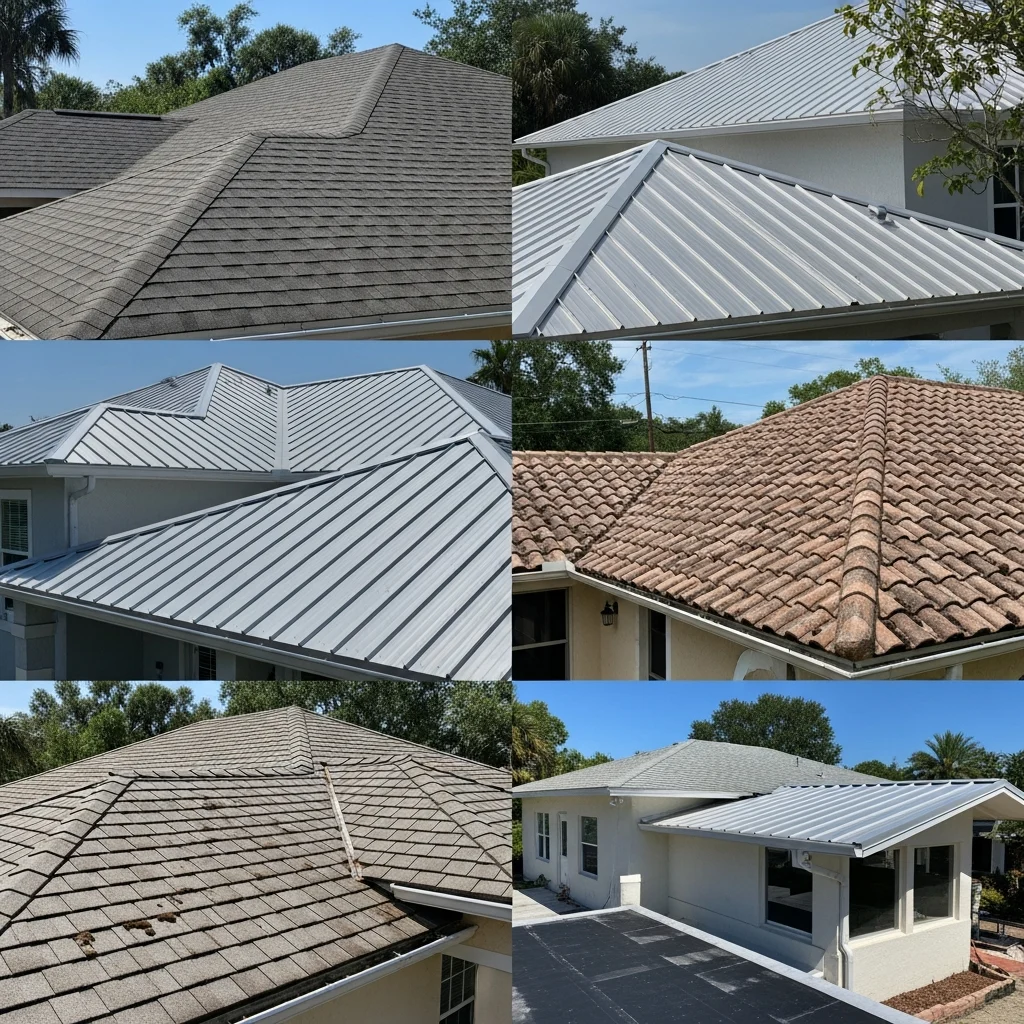
Asphalt shingles are the most prevalent roofing material in Florida due to their affordability and widespread availability. Most standard asphalt shingles are designed to last between 15 to 25 years. However, this range can vary considerably. High-quality architectural shingles, which are thicker and more durable, can often exceed 25 years, sometimes reaching 30 years under ideal conditions. Factors like proper ventilation, the quality of the underlayment, and the impact of severe weather events will play a crucial role in how long these shingles truly last. Over time, asphalt shingles can become brittle, crack, or lose their protective granules, making them susceptible to wind damage and water penetration.
Metal Roofs: Durability and Long-Term Value
Metal roofing systems, including standing seam panels made from materials like aluminum, steel, copper, or zinc, are renowned for their exceptional longevity. In Florida’s climate, a well-installed metal roof can realistically last anywhere from 40 to 70 years, with some systems even exceeding this mark. Their inherent resistance to wind uplift, fire, and pests, combined with modern protective coatings that combat corrosion and UV degradation, makes them an excellent long-term investment. While the initial cost is higher than asphalt shingles, the extended lifespan and reduced maintenance often make them more cost-effective over the roof’s entire service life.
Tile Roofs: Resilience and Enduring Style
Tile roofs, typically made from concrete or clay, offer remarkable durability and are a popular choice in many Florida regions for their aesthetic appeal and robust performance. These roofing materials can easily last for 50 years or more, with many well-maintained tile roofs continuing to perform optimally for a century. Their weight provides excellent wind resistance, and they are inherently resistant to fire and rot. However, tile roofs can be susceptible to cracking if walked on improperly or if subjected to significant impact from falling debris during storms. Regular inspections are vital to ensure that any cracked tiles are replaced promptly to prevent water intrusion.
Other Roofing Materials: A Brief Overview
While shingles, metal, and tile are the most common, other materials exist with varying lifespans. For example, wood shakes and shingles, while aesthetically pleasing, are less common in Florida due to their susceptibility to moisture and fire risks, often lasting 20-30 years with careful maintenance. Flat roofs, often constructed with TPO, EPDM, or modified bitumen, typically have lifespans ranging from 10-20 years, depending on the specific material and installation.
Installation Quality: A Foundation for Longevity
How does professional installation impact a roof’s lifespan?
The quality of installation is paramount and directly correlates with how long a roof will last. Even the most premium materials will underperform or fail prematurely if not installed correctly by experienced professionals. Proper underlayment installation, secure fastening of shingles or panels, correct flashing around vents and chimneys, and adequate attic ventilation are critical steps that a skilled roofer will meticulously execute. An improperly installed roof is more vulnerable to wind damage, leaks, and premature material degradation.
What are the risks of a poorly installed roof in Florida?
A poorly installed roof in Florida faces an elevated risk of catastrophic failure, especially during hurricane season. This can manifest as wind uplift, where shingles or panels are torn from the roof deck, leading to widespread water intrusion. Leaks can develop at critical points like valleys or around penetrations, causing damage to insulation, drywall, and structural components. Furthermore, inadequate ventilation due to poor installation can lead to excessive heat buildup in the attic, accelerating the deterioration of roofing materials and increasing energy costs.
Maintenance and Repair: Preserving Your Investment
What are essential maintenance practices for Florida roofs?
Consistent and proactive maintenance is the cornerstone of extending your roof’s lifespan. In Florida, this involves regular inspections, typically twice a year and after any significant storm event. Homeowners should keep gutters and downspouts clear of debris to prevent water backup. Trimming overhanging branches can reduce the risk of falling debris damaging the roof. It’s also important to keep the roof surface free of excessive moss or algae growth, which can retain moisture and degrade roofing materials over time.
How do repairs influence the longevity of a roof?
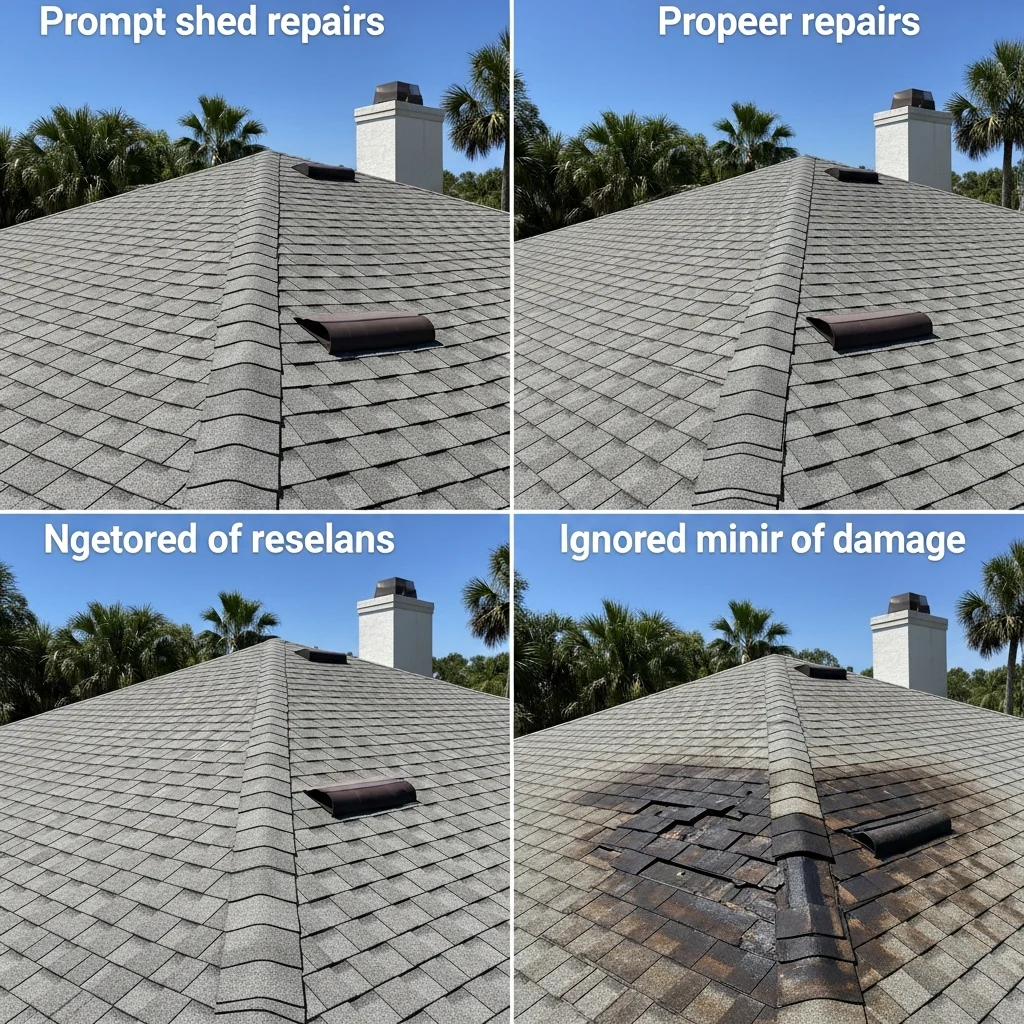
Prompt and proper repairs are crucial for preventing minor issues from escalating into major problems. Addressing small leaks, replacing damaged shingles or tiles immediately, and resealing flashing can significantly prolong the life of your roof. Ignoring minor damage can lead to water seeping into the roof deck, causing rot and structural weakening, which are far more expensive and extensive to repair than the initial problem.
Environmental Factors and Their Impact on Florida Roofs
How does the Florida sun and heat affect roof lifespan?
The relentless Florida sun and high ambient temperatures exert considerable stress on roofing materials. Prolonged exposure to intense UV radiation can cause asphalt shingles to become brittle and lose their protective granules, while also fading their color. Metal roofs can expand and contract significantly, and while modern coatings offer protection, extreme heat can still contribute to material fatigue over many years. This constant thermal cycling accelerates the aging process of all roofing materials.
What role do humidity and moisture play in roof degradation?
Florida’s pervasive humidity creates an environment conducive to the growth of moss, algae, and mold on roofing surfaces. These organic growths retain moisture, which can penetrate and degrade roofing materials over time, especially asphalt shingles and wood. Trapped moisture within the attic space, often exacerbated by poor ventilation, can also lead to rot in the roof deck and rafters.
How do hurricanes and severe storms impact roof longevity?
Hurricanes and severe thunderstorms pose the most significant immediate threat to the lifespan of a Florida roof. High winds can lift shingles, tear off sections of roofing, and cause widespread debris impact damage. Even if a roof survives a storm without catastrophic failure, the stress and trauma of high winds can loosen materials and compromise their integrity, making them more susceptible to future damage. Properly installed, impact-resistant roofing materials are essential for mitigating storm-related risks.
Cost vs. Lifespan: Making an Informed Decision
What is the typical cost range for different roofing materials in Florida?
The cost of a new roof in Florida varies significantly based on material, complexity of the roof, and labor rates. While the upfront cost is a major consideration, it’s essential to balance it against the expected lifespan and long-term maintenance needs.
| Roofing Material | Estimated Cost Per Square Foot (Installed) | Estimated Lifespan (Years) |
|---|---|---|
| Asphalt Shingles (Standard) | $4 – $6 | 15 – 25 |
| Asphalt Shingles (Architectural) | $5 – $8 | 20 – 30 |
| Metal (Standing Seam Aluminum/Steel) | $9 – $15+ | 40 – 70+ |
| Concrete/Clay Tiles | $10 – $20+ | 50 – 100+ |
Is a more expensive roof always a better long-term investment in Florida?
Not necessarily. While a higher upfront cost often correlates with superior durability and a longer lifespan, the “best” investment depends on individual circumstances, budget, and desired home longevity. For instance, a metal roof with a 50-year lifespan might be a better long-term investment than a standard asphalt shingle roof that needs replacement twice within the same timeframe, even if the initial cost is higher. However, if you plan to move within 10-15 years, a standard shingle roof might be sufficient. Evaluating the cost per year of service is a more accurate way to compare long-term value.
Frequently Asked Questions
How often should I have my Florida roof inspected?
It’s recommended to have your Florida roof inspected at least twice a year (spring and fall) and after any significant weather event, such as a strong storm or hurricane.
Can I do my own roof maintenance in Florida?
Minor tasks like clearing gutters are manageable. However, for inspections, cleaning moss/algae, or any repairs, it’s best to hire a professional due to safety risks and the specialized knowledge required to properly assess and maintain a roof’s integrity.
What is the biggest threat to a roof’s lifespan in Florida?
The most significant threat is undoubtedly hurricanes and severe storms, with their high winds and potential for debris impact, which can cause immediate and extensive damage.
Are warranties important for Florida roofs?
Yes, warranties are very important. They protect against manufacturing defects and can cover labor and material costs for a specified period, offering financial security against premature failures.
What signs indicate my roof needs replacement soon?
Look for cracked or missing shingles, granule loss in gutters, sagging areas, daylight showing through the roof deck, or a history of frequent leaks.
How does attic ventilation affect roof longevity?
Proper attic ventilation is critical. It reduces heat and moisture buildup, preventing material degradation, ice dams (though less common in Florida), and premature aging of the roofing system.
Should I choose impact-resistant roofing in Florida?
Given Florida’s storm-prone climate, investing in impact-resistant shingles, windows, and doors is highly recommended to reduce damage and extend the life of your home, including its roof.
How long can I expect a 30-year shingle roof to last in Florida?
A 30-year shingle roof, especially an architectural style, might last closer to 25-30 years in Florida if well-maintained and not subjected to extreme storm damage, but it’s still less durable than metal or tile.
