
Executive Summary
- Streamline your understanding of Florida Product Approval, a critical statewide certification ensuring construction material safety and compliance.
- Grasp the pivotal role of Miami-Dade Notice of Acceptance (NOA) in High-Velocity Hurricane Zones, signifying superior structural integrity.
- Learn how selecting certified products significantly enhances your home’s hurricane resilience, protecting both property and occupants effectively.
- Discover the potential for substantial insurance premium reductions when you install and properly document approved hurricane-resistant components.
- Navigate the complex permitting process efficiently by proactively choosing building materials with valid and accessible product approvals.
- Understand the severe legal and safety ramifications of utilizing unapproved construction components in any Florida home improvement project.
- Empower yourself with comprehensive knowledge to make informed, secure decisions for all your Florida home construction and renovation needs.
Understanding Florida Product Approval
What is Florida Product Approval and why is it essential for homeowners?
Florida Product Approval is a mandatory, statewide certification system designed to ensure that specific building products used in Florida meet rigorous safety and performance standards, particularly concerning hurricane resistance. It’s essential for homeowners because it provides a critical layer of protection, guaranteeing that materials like windows, doors, and roofing have been tested and approved to withstand the unique environmental challenges, such as high winds and tropical storms, prevalent in the state. This system helps prevent catastrophic failures and ensures your home complies with the Florida Building Code, safeguarding your investment and family.
Critical Fact 1: As of 2002, Florida requires state-level approval for most building products, making it one of the most comprehensive building code systems in the nation to address hurricane resiliency.
How does Florida Product Approval protect my home and investment?
Florida Product Approval protects your home by guaranteeing that critical building components have undergone extensive testing for structural integrity, wind resistance, and impact resistance. This rigorous evaluation ensures that the products installed in your home are capable of performing as intended during severe weather events, minimizing damage and preventing costly repairs. For your investment, using approved products increases your home’s longevity, enhances its market value, and is often a prerequisite for obtaining comprehensive homeowners’ insurance or qualifying for wind mitigation credits, directly impacting your financial well-being.
What types of products require Florida Product Approval?
A wide array of building components must secure Florida Product Approval to be legally installed in the state. This includes, but is not limited to, all exterior envelope products such as windows, doors (entry, garage, sliding glass), skylights, and roofing materials. Beyond these, structural components like trusses, wall panels, and even certain types of insulation and exterior claddings also fall under this requirement. Essentially, any product integral to the structural integrity or weather envelope of a building must demonstrate compliance, ensuring a holistic approach to safety and resilience.
Navigating Miami-Dade Notice of Acceptance (NOA)
What is a Miami-Dade NOA and how does it differ from Florida Product Approval?
A Miami-Dade Notice of Acceptance (NOA) is a highly specialized product approval specifically tailored for products used in Florida’s High-Velocity Hurricane Zones (HVHZ), which include Miami-Dade and Broward counties, and parts of Palm Beach County. While Florida Product Approval is a statewide certification, a Miami-Dade NOA represents an even more stringent level of testing and approval. It differs by mandating higher wind load resistances, larger and more demanding impact tests, and more exhaustive cyclic load tests, reflecting the extreme hurricane risks faced by these coastal regions. In essence, all NOAs are Florida Product Approvals, but not all Florida Product Approvals meet NOA standards.
Why is Miami-Dade NOA considered the gold standard for hurricane resistance?
Miami-Dade NOA is widely regarded as the gold standard for hurricane resistance due to its unparalleled testing protocols and stringent performance requirements. Products seeking an NOA must withstand extreme wind pressures, simulated debris impacts (such as a 2×4 projectile traveling at high speeds), and prolonged cyclic pressure loading that mimics repeated hurricane gusts. These tests exceed general Florida Product Approval standards, ensuring that products certified with an NOA offer maximum resilience and protection against the most severe hurricane conditions, making them the preferred choice for areas prone to intense storms.
How can I verify if a product has a valid Miami-Dade NOA?
Verifying a product’s Miami-Dade NOA is crucial and straightforward. The most reliable method is to visit the Miami-Dade Building Code Compliance Office website and utilize their “Product Control Search” database. You can search by the manufacturer’s name, product type, or the specific NOA number, which should be clearly listed on the product’s label, packaging, or technical documentation. Always cross-reference the information found online with the physical product to ensure authenticity and avoid counterfeit or expired approvals.
Practical Steps for Homeowners
What steps should I take to ensure my contractor uses approved products?
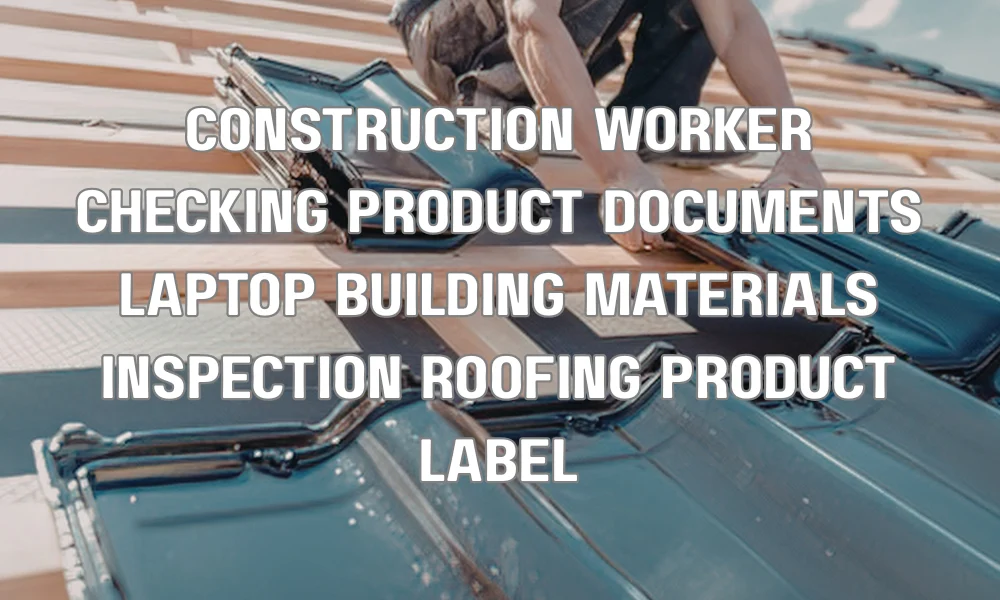
To ensure your contractor uses approved products, start by making product approval a clear contractual requirement. Request that your contractor provide documentation for all major building materials, including Florida Product Approval numbers or Miami-Dade NOA numbers. Physically inspect product labels upon delivery to verify these numbers match the provided documentation. Furthermore, ask your contractor for their process in selecting and verifying approved products, and consider consulting the Florida Building Code Online portal or Miami-Dade Product Control Search yourself to cross-reference product certifications.
Critical Fact 2: Non-compliant products can lead to permit rejection, failed inspections, expensive tear-outs, and potentially voided home insurance claims in the event of storm damage.
Can I get insurance discounts for installing approved hurricane-resistant products?
Yes, installing products with proper Florida Product Approval or Miami-Dade NOA can often qualify you for significant wind mitigation insurance discounts. Insurance companies incentivize homeowners to fortify their homes against hurricane damage because it reduces their risk exposure. To claim these discounts, you’ll typically need a qualified inspector to perform a wind mitigation inspection, which verifies the installation of approved features like impact-resistant windows, doors, and a properly tied-down roof. Always consult your insurance provider to understand their specific requirements and potential savings.
What are the consequences of using unapproved building materials?
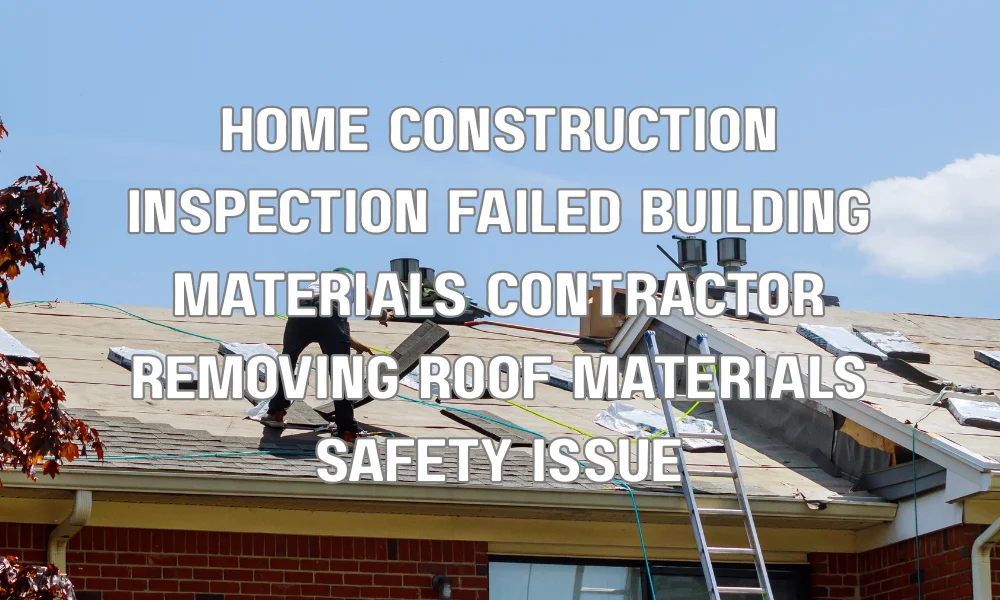
Using unapproved building materials carries severe consequences, impacting safety, legality, and financial stability. At best, it can lead to immediate permit denial and failed inspections, requiring costly removal and reinstallation of compliant products. At worst, unapproved materials may compromise your home’s structural integrity, failing during a storm and causing extensive damage or injury. Furthermore, unapproved construction could void your homeowners’ insurance policy, leaving you without coverage for hurricane damage, and potentially expose you to legal liabilities during future property sales.
Common Misconceptions and Best Practices
Is “hurricane-resistant” the same as having Florida Product Approval or NOA?
No, “hurricane-resistant” is often a marketing term and is not synonymous with having official Florida Product Approval or Miami-Dade NOA. While a product marketed as hurricane-resistant may offer some level of protection, only products with documented and verifiable state or regional approvals have undergone the rigorous, standardized testing required by building codes. Always demand to see the official approval numbers (FL AP# or NOA#) and verify them through official databases; never rely solely on marketing claims when ensuring your home’s safety.
How do I find reputable contractors who prioritize product approval compliance?
To find reputable contractors who prioritize product approval compliance, begin by seeking those specializing in hurricane-resistant construction or those with a strong track record in your local High-Velocity Hurricane Zone. Ask for references and scrutinize their past projects. Crucially, verify their licenses and insurance, and specifically inquire about their process for selecting and documenting approved products. A trustworthy contractor will be transparent about their product sourcing, readily provide approval documentation, and educate you on the importance of code compliance.
What resources are available for homeowners to research approved products?
Homeowners have several invaluable resources to research approved products. The primary official portals are the Florida Building Code Online website (floridabuilding.org) and the Miami-Dade Building Code Compliance Office Product Control Search (miamidade.gov/buildingcode). These databases allow you to search for products by manufacturer, category, or approval number. Additionally, reputable manufacturers’ websites often feature dedicated sections listing their approved products with direct links to their official certifications, providing accessible and reliable information for informed decision-making.
| Approval Type | Scope | Rigor (Hurricane Resistance) | Documentation | Covered Zones | Primary Benefit |
|---|---|---|---|---|---|
| Florida Product Approval | Statewide | Moderate to High | FL AP #, Report | All of Florida | Baseline safety & code compliance statewide |
| Miami-Dade NOA | High-Velocity Hurricane Zones (HVHZ) | Extremely High | NOA #, Certification | Miami-Dade, Broward, portions of Palm Beach | Maximum resilience in extreme wind regions |
| Local Jurisdiction Approval | Specific County/City | Varies (often supplements FL) | Local permit records | Specific local areas | Addresses unique local conditions or amendments |
| Energy Star Certification | National (Energy Efficiency) | Not directly for hurricanes | Energy Star Label | United States | Reduces energy consumption and utility bills |

Critical Fact 3: The Florida Building Code is updated every three years, meaning product approvals must also be periodically re-evaluated or updated to remain compliant with the latest safety standards.
Frequently Asked Questions
What is the primary difference between Florida Product Approval and Miami-Dade NOA?
Florida Product Approval is a statewide standard for building materials, ensuring general compliance with the Florida Building Code. Miami-Dade NOA is a more stringent, specialized approval specifically for products used in High-Velocity Hurricane Zones (HVHZ), requiring higher performance standards against extreme wind and impact.
Do I need a Miami-Dade NOA if my home is not in Miami-Dade County?
If your home is in Broward County or certain parts of Palm Beach County, it falls within a High-Velocity Hurricane Zone (HVHZ) and requires Miami-Dade NOA products. For other counties, Florida Product Approval is typically sufficient, but local amendments might influence specific requirements.
How long is a Florida Product Approval or NOA typically valid?
Product approvals are generally valid for a period, often tied to the Florida Building Code cycle, which updates every three years. Manufacturers must periodically renew or update their approvals to ensure continued compliance with the latest code editions. Always check the expiration date on the documentation.
Can I install a product without a Florida Product Approval or NOA if my contractor says it’s “just as good”?
No, installing products without proper Florida Product Approval or NOA is illegal and can lead to serious consequences. Your building permit will likely be denied, inspections will fail, and you risk significant fines and having to replace the non-compliant materials at your own expense.
Does using approved products guarantee my home won’t be damaged in a hurricane?
While using approved products significantly enhances your home’s resistance to hurricane damage, no product can offer a 100% guarantee against all potential destruction in extreme weather. They drastically reduce risk but cannot completely eliminate it. Proper installation and maintenance are also crucial.
Where can I find the Florida Product Approval number or Miami-Dade NOA on a product?
The approval number (FL AP# or NOA#) is typically printed directly on the product label, packaging, or the product itself (e.g., on a window frame, door slab, or roofing bundle). It should also be available on the manufacturer’s official documentation and websites.
What happens if I try to sell my home and discover unapproved products were used?
Discovering unapproved products during a home sale can create major issues. It may lead to delays, require costly retrofits to meet code, or even jeopardize the sale entirely. Buyers’ inspections will flag non-compliant installations, potentially making your home difficult to sell.
Are there different levels of Florida Product Approval for different hurricane strengths?
Florida Product Approval categorizes products based on various performance metrics, including design pressure ratings and impact resistance, which are directly related to the wind speed and debris impact zones they are approved for. This allows selection based on the specific wind-load requirements of your location.
