
Executive Summary
- Proactive roof management is paramount for Florida commercial facilities, mitigating the severe impact of hurricanes, intense sun, and humidity on structural integrity.
- A comprehensive inspection checklist specifically tailored for Florida’s unique environmental challenges helps prevent costly repairs and extends roof lifespan significantly.
- Regular visual inspections, meticulous documentation, and understanding specific material vulnerabilities are critical for early detection of potential roof failures.
- Integrating thermal imaging and drone technology can greatly enhance inspection accuracy, identifying hidden moisture and damage invisible to the naked eye.
- Engaging certified commercial roofing professionals for specialized assessments ensures compliance with local codes and expert identification of complex issues.
- Developing a data-driven maintenance plan based on inspection findings optimizes repair investments and maintains roof warranty validity.
- Prioritizing safety protocols during all inspection activities protects personnel and ensures thorough, risk-free assessment of roof conditions.
The Imperative of Proactive Roof Management in Florida
Managing a commercial facility in Florida presents a unique set of challenges, particularly concerning roof longevity and performance. The state’s aggressive climate—characterized by intense UV radiation, high humidity, torrential rains, and hurricane-force winds—accelerates wear and tear on roofing systems far more rapidly than in other regions. Consequently, a proactive, systematic approach to roof inspection is not merely a best practice; it is an essential operational strategy for asset protection and financial stability.
Why is regular commercial roof inspection critical for Florida facilities?
Regular commercial roof inspection is critical for Florida facilities because it enables early detection of minor issues before they escalate into major, expensive structural damage. By identifying small cracks, loose flashing, or clogged drains promptly, facility managers can implement targeted, cost-effective repairs that significantly extend the roof’s functional life and prevent costly business interruptions due to leaks or system failures. Furthermore, consistent inspections are often a prerequisite for maintaining manufacturer warranties and ensuring insurance coverage.
Critical Fact 1: Over 70% of commercial roof leaks are attributed to inadequate maintenance and failure to identify issues during routine inspections, leading to exponentially higher repair costs compared to preventive measures.
What unique challenges does Florida’s climate pose for commercial roofs?
Florida’s climate poses unique challenges for commercial roofs, primarily due to relentless exposure to intense UV radiation, which degrades roofing materials, and prolonged periods of high humidity and rainfall that foster mold, mildew, and rot. Additionally, the constant threat of tropical storms and hurricanes introduces extreme wind uplift forces, driving rain, and potential impact from flying debris, which can severely compromise the roof membrane and structural integrity in an instant. This combination demands robust materials and diligent, frequent inspections.
Building Your Comprehensive Florida Roof Inspection Checklist
A tailored, comprehensive checklist is the backbone of effective roof management, ensuring no critical area is overlooked. It systematically guides inspectors through the various components of a commercial roof, from the membrane surface to the intricate drainage systems, considering Florida-specific vulnerabilities at each step. This structured approach helps facility managers compile accurate data for informed decision-making regarding maintenance and repairs.
What are the essential components of a pre-inspection review?
The essential components of a pre-inspection review involve gathering all available documentation, including previous inspection reports, repair records, warranty information, and original roof specifications. Understanding the roof’s history and material types provides crucial context, allowing inspectors to anticipate common failure points and focus on areas that have previously required attention. Safety protocols, necessary permits, and access equipment planning are also critical pre-inspection steps.
How should exterior roof surfaces be meticulously examined?
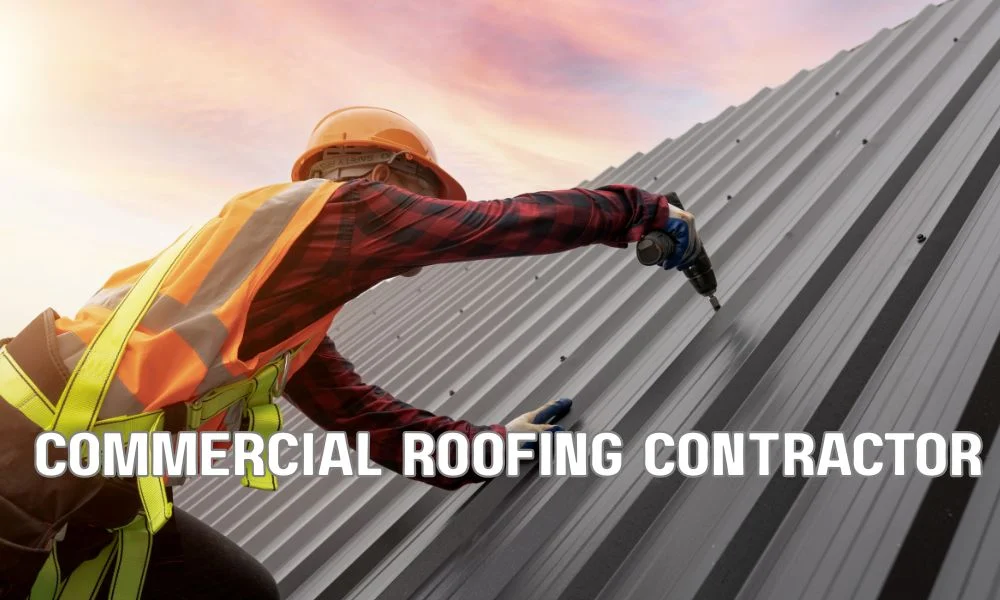
Exterior roof surfaces should be meticulously examined by starting with a clear, systematic grid pattern to ensure every square foot is observed. Inspectors must look for signs of membrane degradation (cracks, blisters, punctures), ponding water, debris accumulation, and organic growth, paying close attention to seams, flashing, and penetration points (HVAC curbs, skylights, vents). Any visible damage to the surface, especially after severe weather, warrants immediate detailed investigation.
What specific structural and support elements require attention?
Specific structural and support elements requiring attention include the roof deck, parapet walls, and any visible support beams or trusses, especially in areas where water ponding or heavy equipment is present. Inspectors should check for sagging, excessive deflection, or any indications of structural fatigue that could compromise the roof’s stability. Fasteners and anchors for rooftop equipment also need to be secure and free from corrosion, which is accelerated in Florida’s humid environment.
How do you assess roof drains, gutters, and ventilation systems effectively?
To assess roof drains, gutters, and ventilation systems effectively, visually inspect them for blockages from leaves, silt, or debris, ensuring clear pathways for water runoff. Check for proper slope to drains, verify that scuppers are clear, and inspect gutters for damage, rust, or detachment. Ventilation systems, including vents and exhaust fans, must be free of obstructions and functioning correctly to prevent moisture buildup within the roof assembly, a common issue leading to premature roof failure in humid climates.
| Roofing Material | Common Florida Challenges | Inspection Focus Points | Typical Lifespan (FL) | Cost Per Sq. Ft. (Installed) |
|---|---|---|---|---|
| TPO (Thermoplastic Polyolefin) | UV degradation, high winds, punctures | Seam integrity, fastener pull-out, surface cracking | 15-20 years | $6 – $12 |
| PVC (Polyvinyl Chloride) | Ponding water, chemical exposure, UV degradation | Welded seam integrity, flashing, membrane flexibility | 20-30 years | $7 – $13 |
| Modified Bitumen (MB) | Heat aging, UV embrittlement, cracking | Granule loss, splits/cracks, flashing adhesion | 15-25 years | $5 – $10 |
| Metal (Standing Seam) | Wind uplift, corrosion, fastener failure | Panel integrity, seam crimps, sealant breakdown, rust | 30-50+ years | $10 – $25 |
| EPDM (Ethylene Propylene Diene Monomer) | UV exposure, hail impact, seam failure | Seam bonds, membrane punctures, sealant deterioration | 20-30 years | $6 – $11 |
What internal signs indicate potential roof issues?
Internal signs that indicate potential roof issues include water stains or discoloration on ceilings and walls, peeling paint, musty odors, or visible mold growth inside the building. These indicators often point to active leaks, condensation issues, or poor ventilation within the roof assembly or attic space. Prompt investigation of these internal symptoms is crucial as they can signify significant hidden roof damage that requires immediate attention.
Critical Fact 2: High humidity in Florida makes identifying internal moisture damage challenging, as condensation can mimic leaks; thermal imaging during inspections helps differentiate between these issues effectively.
Leveraging Technology and Professional Expertise
Modern roof inspections are no longer solely reliant on manual visual checks. The integration of advanced technology significantly enhances the efficiency, accuracy, and comprehensiveness of assessments, providing data-driven insights that traditional methods cannot capture. Coupled with the specialized knowledge of certified professionals, technology forms a powerful duo for optimal roof management.
Can technology enhance the efficiency and accuracy of roof inspections?
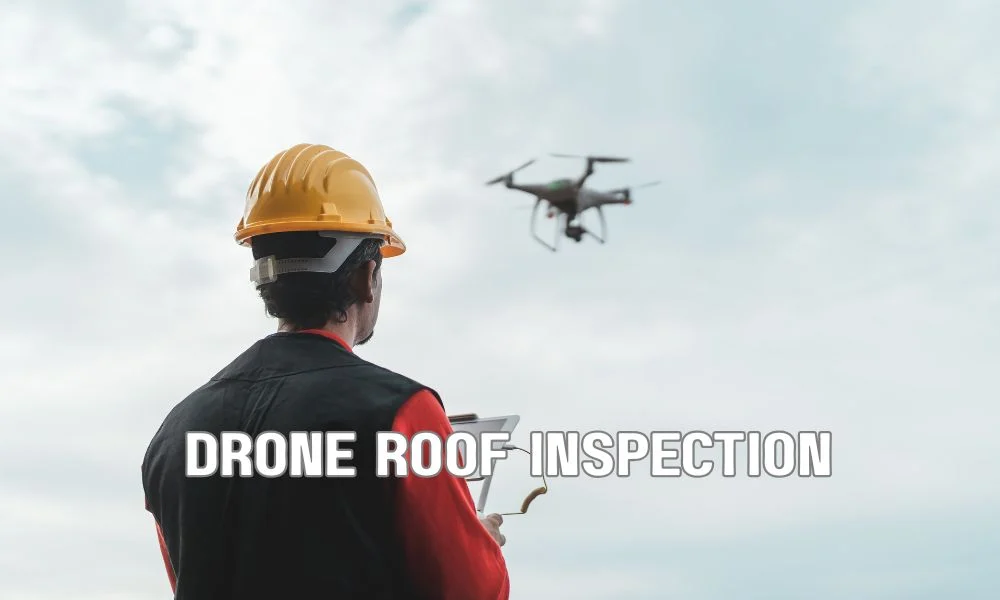
Yes, technology can significantly enhance the efficiency and accuracy of roof inspections through tools like drones equipped with high-resolution cameras, thermal imaging, and moisture meters. Drones can quickly survey large roof areas, identifying visible damage and providing aerial perspectives that improve safety and reduce inspection time. Thermal imaging can detect hidden moisture trapped within the roof assembly, which is invisible to the naked eye, preventing widespread structural damage.
When is it crucial to engage professional roofing contractors for inspections?
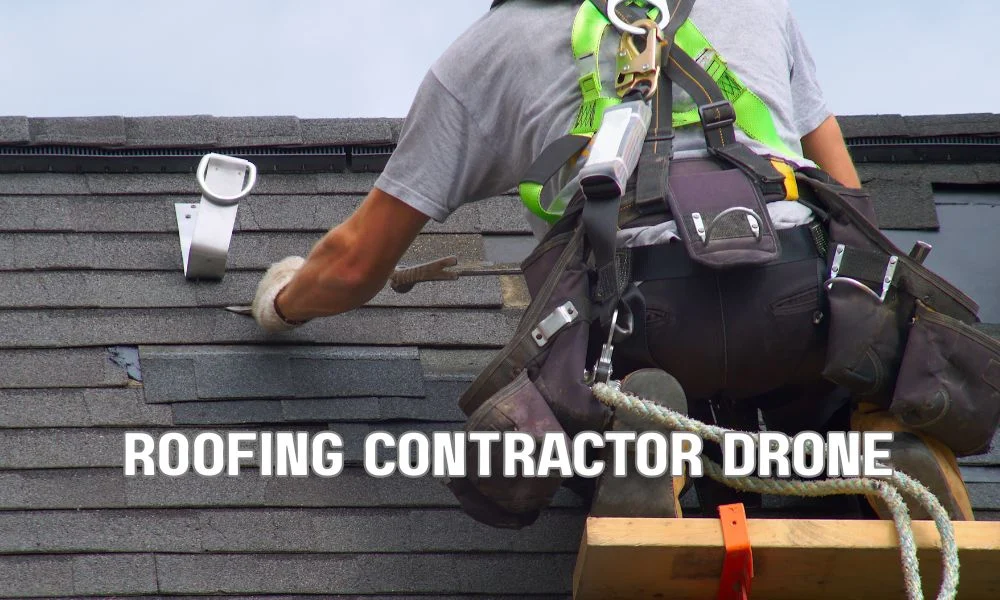
It is crucial to engage professional roofing contractors for inspections when facing complex issues, suspecting hidden damage, or requiring specialized assessments beyond a basic visual check. Professionals possess the expertise to identify subtle signs of structural compromise, understand specific material failures, and navigate warranty requirements. Their specialized tools, such as infrared cameras and core sampling equipment, allow for non-invasive and accurate diagnostics, ensuring comprehensive evaluations and precise recommendations.
Documentation and Action: Completing the Loop
An inspection is only as valuable as the actions it inspires. Meticulous documentation of findings, coupled with a well-defined action plan, transforms raw data into actionable strategies for roof preservation and budget allocation. This final stage closes the loop on proactive roof management, ensuring issues are addressed and future inspections are even more informed.
What is the best practice for documenting inspection findings and creating a maintenance plan?
The best practice for documenting inspection findings involves detailed reports that include photographs, drone footage, thermal images, and precise location mapping of all identified issues. Each finding should be categorized by severity and prioritized for repair. This documentation forms the basis for creating a comprehensive maintenance plan, outlining recommended repairs, their estimated costs, and a proactive schedule for future preventive actions, ensuring accountability and budget foresight.
How often should commercial roof inspections be conducted in Florida?
Commercial roof inspections in Florida should ideally be conducted at least twice annually: once in the spring to assess winter wear and prepare for hurricane season, and again in the fall to evaluate any storm damage and address issues before cooler weather. Additionally, immediate inspections are crucial after any significant weather event, such as heavy rain, hail, or strong winds, to promptly identify and mitigate new damage. This frequent schedule is vital due to Florida’s aggressive climate.
Critical Fact 3: Florida’s unique 130 mph wind uplift requirements, specific building codes (FBC), and insurance mandates necessitate highly detailed inspection reports for compliance and claim validity.
Frequently Asked Questions
What is the primary goal of a commercial roof inspection in Florida?
The primary goal of a commercial roof inspection in Florida is to proactively identify and document any existing or potential damage, wear, or deficiencies that could compromise the roof’s integrity, especially given the state’s harsh climate conditions. This allows for timely repairs, extends the roof’s lifespan, and prevents costly structural damage or business interruption.
How long does a typical commercial roof inspection take?
The duration of a typical commercial roof inspection varies depending on the roof’s size, complexity, and condition, but generally ranges from 2 to 8 hours for a thorough assessment. Larger or more complex roofs, or those requiring drone and thermal imaging, may take longer to ensure comprehensive data collection.
Can I perform my own commercial roof inspection?
While facility managers can perform basic visual checks, a comprehensive commercial roof inspection requires specialized knowledge, safety equipment, and sometimes advanced tools like thermal cameras. For detailed assessments, warranty compliance, and precise identification of hidden issues, it is highly recommended to engage certified professional roofing contractors.
What are the signs of a failing commercial roof in Florida?
Signs of a failing commercial roof in Florida include persistent leaks, visible ponding water, blistering or cracking of the membrane, excessive granule loss on modified bitumen roofs, rusted or corroded flashing, clogged drains, and interior water stains or mold growth. These indicate immediate attention is required.
Does my commercial roof warranty require professional inspections?
Many commercial roof warranties explicitly stipulate regular professional inspections as a condition for maintaining validity. Failure to adhere to these terms can void the warranty, leaving the facility manager responsible for all repair costs. Always check your specific warranty documentation for requirements.
How much does a commercial roof inspection cost in Florida?
The cost of a commercial roof inspection in Florida can vary widely, typically ranging from a few hundred dollars for a basic visual inspection to several thousand for a comprehensive assessment utilizing advanced technology like drones and infrared. Factors like roof size, accessibility, and the contractor’s reputation influence pricing.
What is the difference between a visual inspection and a professional inspection?
A visual inspection is a basic check for obvious damage, often performed by facility staff. A professional inspection, conducted by certified contractors, is far more detailed, using specialized tools, technical expertise, and detailed reporting to uncover hidden issues, assess structural integrity, and provide expert recommendations.
How can I prepare my roof for an inspection?
To prepare your roof for an inspection, ensure clear access points, remove any unnecessary debris, and secure rooftop equipment that might impede movement. Notify tenants or staff about the inspection schedule. Providing previous inspection reports or repair history to the inspector can also be very helpful.
