
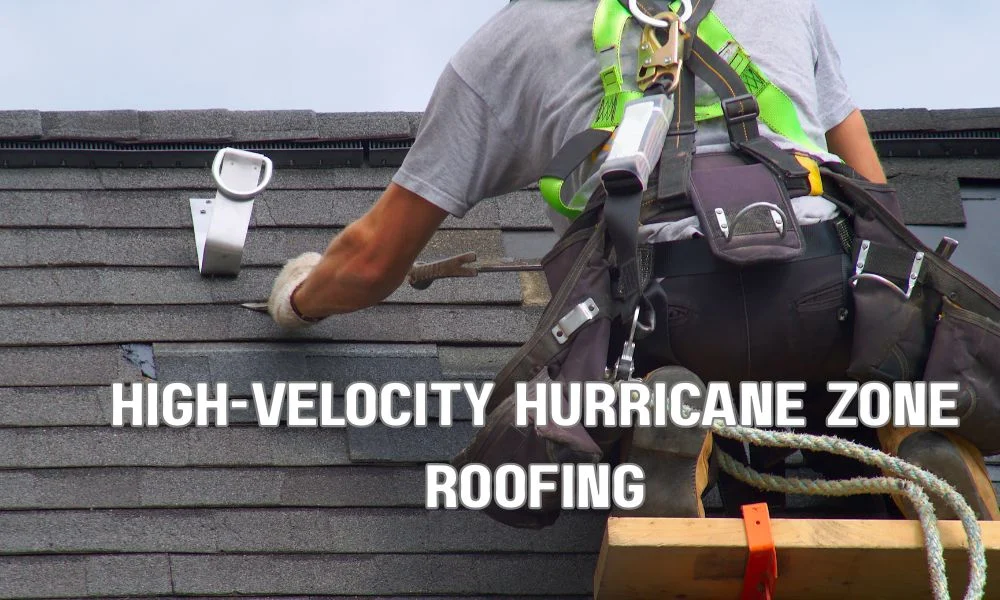
Executive Summary
- Miami-Dade and Broward counties are designated High-Velocity Hurricane Zones (HVHZ), necessitating uniquely stringent roofing requirements for superior storm resilience.
- All roofing components in HVHZ must possess a valid Miami-Dade Notice of Acceptance (NOA) or Florida Product Approval (FPA) to ensure tested performance against extreme wind loads.
- Mandatory enhanced fastener schedules and robust roof deck attachments are crucial for preventing catastrophic roof uplift during severe hurricane events.
- A compliant Secondary Water Barrier (SWB) is legally required under the primary roofing system, offering critical water intrusion protection if the main roof is compromised.
- Homeowners and contractors must meticulously adhere to the latest Florida Building Code (FBC) Chapter 15 and specific HVHZ amendments to avoid fines and ensure structural integrity.
- Investing in HVHZ-compliant roofing reduces insurance premiums, enhances property value, and provides unparalleled peace of mind against South Florida’s challenging weather.
- Proper permitting and rigorous inspection processes are non-negotiable for all HVHZ roofing projects, ensuring every installation meets the elevated safety and durability standards.
Living in South Florida, particularly within Miami-Dade and Broward counties, means residing in a High-Velocity Hurricane Zone (HVHZ). This designation isn’t just a label; it’s a critical classification that mandates some of the most rigorous building codes and roofing requirements in the world. Designed to protect lives and properties from the devastating forces of hurricanes, these special provisions impact every aspect of roof design, material selection, and installation. Understanding and adhering to HVHZ standards is not merely about compliance; it’s about investing in the resilience and safety of your home or business against nature’s most extreme challenges.
Critical Fact 1: The HVHZ designation specifically covers Miami-Dade and Broward counties due to their historical exposure to the highest wind pressures and storm activity in Florida, leading to uniquely stringent building code requirements.
What Defines a High-Velocity Hurricane Zone (HVHZ)?
A High-Velocity Hurricane Zone (HVHZ) is an area where specific building codes are enacted to withstand extreme wind forces, primarily due to hurricane activity. For Florida, this designation is applied to Miami-Dade and Broward counties, which have historically experienced the highest frequency and intensity of hurricane landfalls. The Florida Building Code (FBC) contains an entire section dedicated to HVHZ provisions, elevating the standards for structural integrity, particularly for roofing systems, far beyond those in other parts of the state.
This elevated standard means that roofs in these areas must not only resist direct wind uplift but also cyclic fatigue from repeated wind gusts and projectile impact from wind-borne debris. The FBC’s HVHZ sections address everything from roof deck attachment and underlayment specifications to the types of fasteners and actual roofing materials approved for use. The goal is to create a roofing system that remains intact and protects the building’s interior even under the most severe conditions, significantly reducing post-storm damage and the associated risks.
What Are the Key Roofing Requirements Unique to HVHZ?
Key roofing requirements unique to HVHZ areas center on enhanced wind resistance, superior water protection, and mandatory product approvals. These provisions are codified primarily within the Florida Building Code (FBC) Chapter 15 and related sections concerning structural design and wind loads. Specifically, all roofing components, from the deck fasteners to the final roof covering, must demonstrate an exceptional ability to resist extreme uplift pressures and cyclic wind forces.
A crucial component is the mandated Secondary Water Barrier (SWB), which must be applied directly to the roof deck. This SWB acts as a redundant layer of protection against water intrusion, ensuring the building remains dry even if the primary roof covering is compromised during a storm. Furthermore, HVHZ codes demand rigorous fastener schedules, often requiring more fasteners per square foot and specific types of fasteners that can withstand higher forces. Product approval is paramount; every material used must have a valid Miami-Dade Notice of Acceptance (NOA) or Florida Product Approval (FPA), signifying it has passed stringent laboratory and field tests simulating hurricane conditions.
How Do HVHZ Codes Impact Material Selection for Roofing?
HVHZ codes significantly impact material selection by requiring that all roofing products demonstrate proven resistance to extreme wind loads, water intrusion, and projectile impact. Materials must pass specific testing protocols and obtain either a Miami-Dade Notice of Acceptance (NOA) or a Florida Product Approval (FPA) before they can be used. This means that while many types of roofing materials are permissible, their HVHZ-approved versions often feature enhanced specifications.
For asphalt shingles, HVHZ-approved options are typically heavier, designed with superior adhesive strips, and require a six-nail application pattern for increased uplift resistance. Metal roofing systems, such as standing seam, are highly favored due to their inherent strength, but their fastening systems and panel thicknesses are specifically engineered for HVHZ. Tile roofs, whether concrete or clay, must be installed with specific mortar or foam adhesion methods and often include additional mechanical fasteners to prevent dislodgement. Low-slope systems like TPO and modified bitumen also have specific HVHZ-compliant application methods, emphasizing fully adhered or mechanically attached systems with robust seam integrity. The underlying principle is that the material itself and its method of attachment must withstand forces far greater than those found in non-HVHZ areas.
Critical Fact 2: Every single roofing component, from the smallest fastener to the entire roof covering system, used in HVHZ areas must possess a valid Miami-Dade NOA or Florida Product Approval, ensuring it has undergone rigorous testing for extreme hurricane conditions.
What is the Role of a Secondary Water Barrier (SWB) in HVHZ?
The Secondary Water Barrier (SWB) plays an indispensable role in HVHZ roofing by providing a critical layer of water intrusion protection, acting as a last line of defense should the primary roof covering fail. Mandated by the FBC for HVHZ, this barrier is applied directly to the roof deck, beneath the primary underlayment and roof covering. Its purpose is to prevent water from entering the building’s interior, even if the shingles, tiles, or metal panels are torn off or damaged during a hurricane.
Common SWB materials include self-adhering modified bitumen membranes or two layers of specific felt underlayments applied in a shingle-lap fashion, with sealed laps. The SWB must be continuous and properly sealed at all penetrations and perimeters to form a watertight envelope. This redundant waterproofing system is crucial for protecting the building’s structural components, preventing mold growth, and preserving interior contents, significantly reducing overall damage and recovery costs after a storm event. Its presence is a testament to the comprehensive, multi-layered approach to hurricane resilience in HVHZ.
How Do Fastener Schedules Differ for HVHZ Roofing?
Fastener schedules for HVHZ roofing differ significantly from standard requirements, demanding a higher density of fasteners and specific types to ensure maximum uplift resistance. The increased frequency of fasteners, often specified as 6-nail patterns for asphalt shingles or closer spacing for screws in metal roofing, directly counters the extreme suction forces generated by hurricane-force winds. These enhanced schedules are detailed within the Miami-Dade NOA or Florida Product Approval documents for each specific roofing system.
Furthermore, not just the quantity but also the quality and type of fasteners are critical. HVHZ codes often specify corrosion-resistant fasteners, such as hot-dipped galvanized or stainless steel, to ensure longevity and prevent premature failure in the humid, salt-laden coastal environment. The type of fastener, whether it’s ring-shank nails for roof decking or specific clips for metal panels, is meticulously chosen and tested to work in conjunction with the particular roofing material and deck type. Adhering to these strict fastener schedules is non-negotiable for HVHZ compliance, as they are a primary defense against roof separation from the structure.
What are the Permitting and Inspection Requirements?
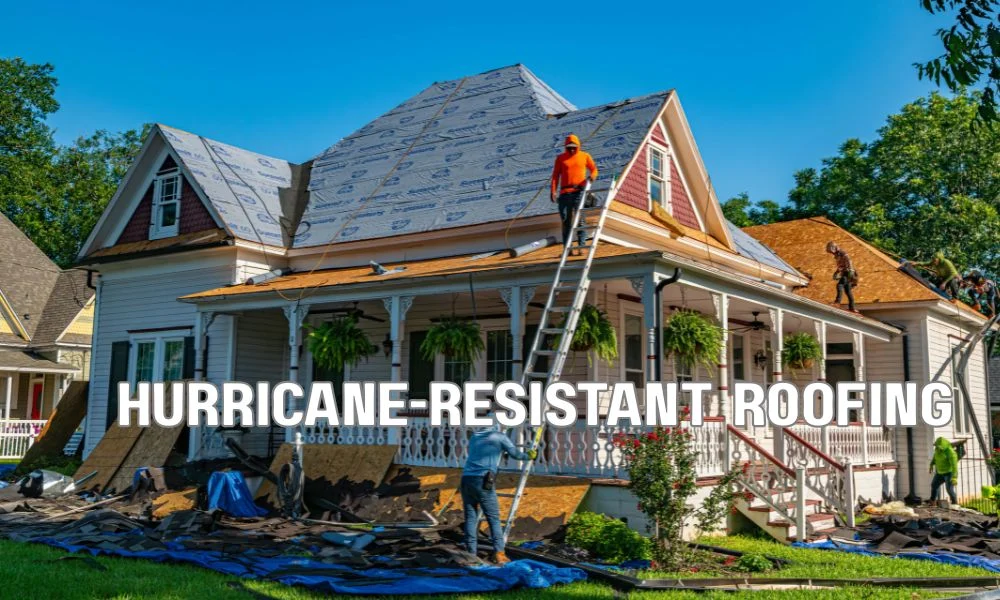
Permitting and inspection requirements for HVHZ roofing projects are exceptionally stringent, reflecting the critical need for compliance with advanced building codes. Before any work begins, a comprehensive permit application must be submitted to the local building department (Miami-Dade County or specific Broward municipalities). This application typically includes detailed plans, product approvals (NOAs/FPAs), specific fastener schedules, and a scope of work demonstrating full adherence to HVHZ standards.
Once permitted, the project undergoes multiple mandatory inspections at various stages of construction. These typically include a “dry-in” inspection after the secondary water barrier and underlayment are installed, but before the primary roof covering. A separate “final” inspection verifies the correct installation of the roof covering, flashing, and all components according to the approved plans and NOAs. These inspections are often more detailed and thorough than in non-HVHZ areas, with inspectors meticulously verifying fastener patterns, lap alignments, and product documentation. Passing these inspections is not just a formality; it’s a legal requirement to ensure the roof meets the elevated safety and durability standards necessary to protect property and lives in an HVHZ.
What are the Consequences of Non-Compliance with HVHZ Codes?
The consequences of non-compliance with HVHZ codes are severe, ranging from significant financial penalties and insurance complications to the catastrophic failure of the roofing system during a hurricane. Homeowners or contractors who fail to adhere to these strict codes can face substantial fines from local building departments, and may be required to completely remove and re-install non-compliant work at their own expense. This can result in astronomical costs, often far exceeding the initial project budget.
Furthermore, a non-compliant roof can lead to immediate and long-term insurance issues. Many insurance carriers in Florida will deny coverage or significantly increase premiums for homes with unpermitted or non-HVHZ compliant roofs. In the event of a hurricane, a non-compliant roof is far more likely to fail, leading to extensive property damage, water intrusion, and potential structural compromise, which may not be covered by insurance due to code violations. Beyond financial repercussions, the ultimate consequence is the jeopardized safety of occupants and the severe devaluation of the property, making HVHZ compliance an absolute necessity, not just a recommendation.
Comparative HVHZ Roofing Material Specifications (Example)
Selecting the right roofing material for an HVHZ property involves evaluating its specific performance against extreme wind and water intrusion, as detailed in its product approvals. Here’s a simplified comparison of common HVHZ-approved roofing materials:
| Roofing Material Type | Key HVHZ Feature | Typical Wind Uplift Rating (PSF)* | Required SWB | Fastener Schedule (Example) |
|---|---|---|---|---|
| Asphalt Shingles (HVHZ-Approved) | Heavyweight, enhanced adhesive | 130 – 150 | Yes (Self-adhered or two-ply felt) | 6 nails per shingle |
| Standing Seam Metal (24-ga steel) | Interlocking panels, concealed fasteners | 160 – 200+ | Yes (Self-adhered membrane) | Continuous clips at 24″ O.C. |
| Concrete/Clay Tile (HVHZ-Approved) | Mortar/foam adhesive + fasteners | 140 – 180 | Yes (Self-adhered membrane) | Foam set or 2 fasteners per tile |
| TPO/PVC Membrane (60-mil) | Fully adhered or mechanically fastened | 120 – 160+ | Yes (Deck-level SWB optional with fully adhered systems) | Mechanically fastened: plates/screws at 6″ O.C. |
This table illustrates that while different materials offer varying aesthetic and performance characteristics, their HVHZ versions all share common threads: robust wind uplift resistance, mandatory secondary water barriers, and meticulous fastening schedules. The specific NOA or FPA for each product will provide the definitive installation instructions and performance specifications required for HVHZ compliance. Always consult with a licensed and experienced HVHZ roofing contractor to ensure proper material selection and installation.
Critical Fact 3: A non-compliant HVHZ roof can lead to insurance claim denials, significant fines, and a complete re-installation mandate, making adherence to code not just a recommendation but a financial and safety imperative.
Frequently Asked Questions
What does “HVHZ” stand for and why is it important for roofing?
HVHZ stands for High-Velocity Hurricane Zone. It’s crucial for roofing because these areas, specifically Miami-Dade and Broward counties, have the strictest building codes globally, requiring roofs to withstand extreme hurricane-force winds and impacts for enhanced safety and property protection.
Do I need a special contractor for HVHZ roofing?
Yes, it is highly recommended to use a licensed and insured contractor who specializes in HVHZ roofing. They possess the necessary expertise, certifications, and understanding of the unique local codes and product approval requirements to ensure a compliant and durable installation.
What is a Miami-Dade Notice of Acceptance (NOA)?
A Miami-Dade Notice of Acceptance (NOA) is a document issued by Miami-Dade County’s Product Control Division, certifying that a building product, including roofing materials, has passed rigorous testing protocols to withstand HVHZ conditions. It’s essential for all products used in these zones.
Is a Secondary Water Barrier (SWB) always required in HVHZ?
Yes, a Secondary Water Barrier (SWB) is a mandatory component for all new roof installations and re-roofing projects in HVHZ areas. It acts as a critical redundancy layer to prevent water intrusion if the primary roof covering is compromised during a storm.
Can I choose any roofing material in an HVHZ?
While many types of roofing materials are available, you can only choose those that have a valid Miami-Dade NOA or Florida Product Approval specifically for HVHZ applications. These approved products are designed and tested to meet the higher performance standards required.
How do HVHZ codes affect roof repair versus full replacement?
Even for repairs in HVHZ, the replacement materials must be HVHZ-compliant and installed according to the original roof’s NOA or current code, whichever is more stringent. For substantial damage or full replacement, the entire new roof must adhere to all current HVHZ codes and permitting requirements.
Will an HVHZ-compliant roof lower my insurance premiums?
Often, yes. Many Florida insurance companies offer significant discounts, such as the “Wind Mitigation Credit,” for homes with HVHZ-compliant roofs and other storm-resistant features. Obtaining a wind mitigation inspection after installation can help secure these savings.
What if my existing roof isn’t HVHZ compliant?
If your existing roof is not HVHZ compliant, it generally doesn’t need to be replaced until it reaches the end of its lifespan or sustains significant damage. However, when it’s time for replacement, or if you perform major repairs, the new work must meet all current HVHZ codes.
