
Executive Summary
- SPF roofing offers a durable, seamless, and energy-efficient solution for Florida’s challenging climate, providing excellent resistance against hurricanes and UV degradation.
- A properly installed SPF roof can last 30-50 years with timely maintenance, significantly outperforming many traditional roofing systems in longevity.
- Regular recoating every 10-20 years, depending on the topcoat and environmental exposure, is crucial to extend the SPF system’s protective lifespan.
- SPF is particularly suitable for flat or low-slope commercial buildings in Florida, enhancing insulation and reducing cooling costs substantially.
- The system’s self-flashing capabilities and monolithic application minimize leak points, offering superior waterproofing crucial for tropical storm conditions.
- Investing in SPF provides a strong return through reduced energy bills, lower maintenance costs over time, and improved building resilience against severe weather.
- SPF roofing systems deliver exceptional R-value per inch, directly translating to substantial energy savings in Florida’s intense heat.
Understanding SPF Roofing in Florida’s Unique Climate
What is SPF roofing and why is it relevant for Florida?
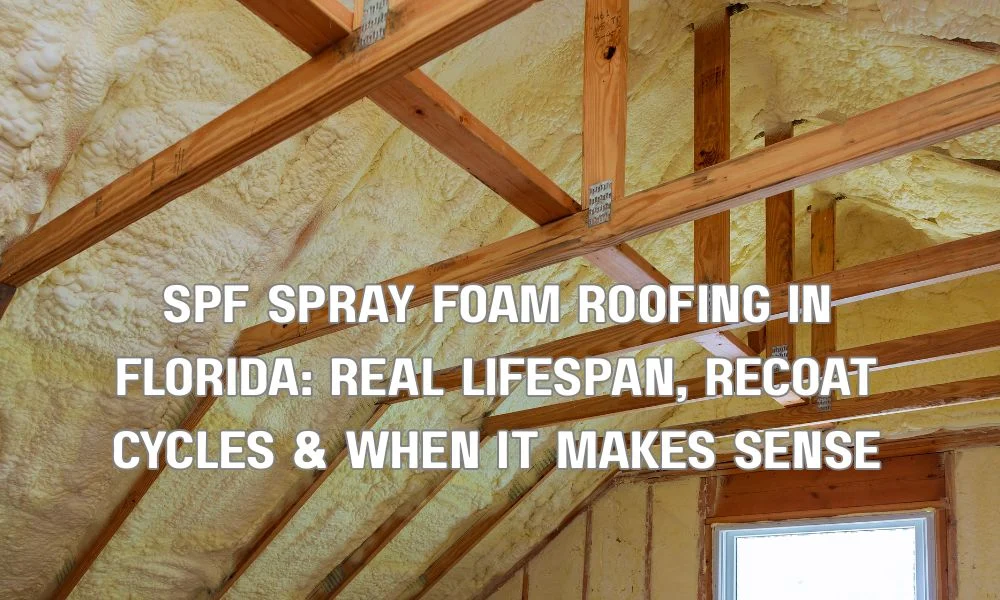
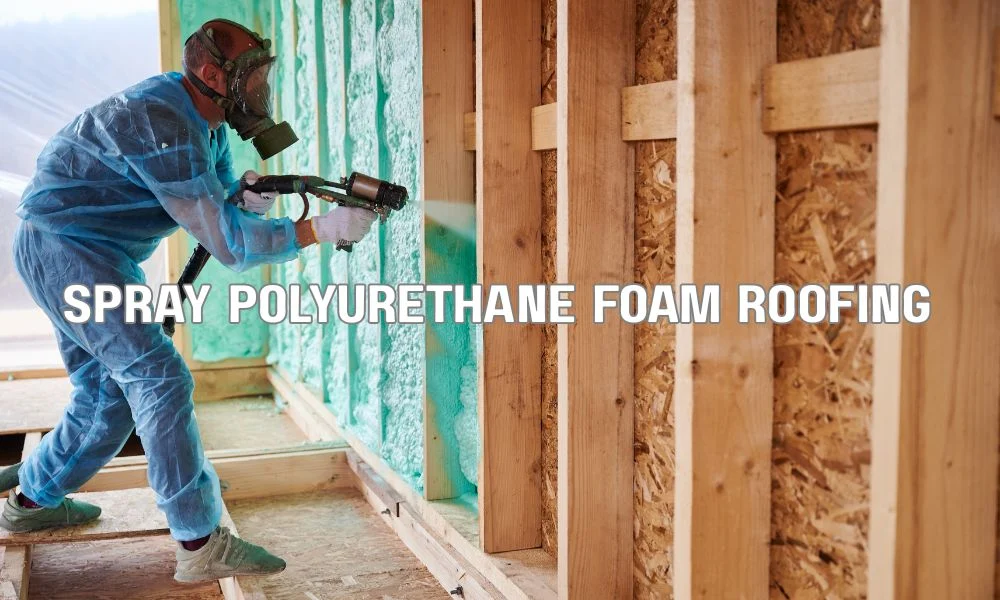
Spray Polyurethane Foam (SPF) roofing is a monolithic, self-flashing roofing system that insulates and waterproofs in a single application. Its relevance for Florida’s unique climate stems from its exceptional resistance to hurricane-force winds, its seamless nature that prevents water intrusion from heavy rains, and its superior insulating properties that significantly reduce cooling costs in the intense heat. This combination makes it a highly resilient and energy-efficient choice for commercial and industrial buildings across the state.
Critical Fact 1: SPF roofing’s closed-cell structure makes it inherently water-resistant and an effective air barrier, which is vital for preventing moisture intrusion and mold growth in Florida’s humid environment.
How does Florida’s climate impact SPF roofing performance?
Florida’s climate, characterized by high humidity, intense UV radiation, frequent heavy rainfall, and the constant threat of hurricanes, presents significant challenges for any roofing system. SPF roofing performs exceptionally well under these conditions due to its seamless application, which eliminates common leak points, and its strong adhesion, which resists wind uplift. The reflective topcoat applied over the foam further protects against UV degradation and helps to lower surface temperatures, mitigating the impact of Florida’s sun.
The Real Lifespan of SPF Roofing Systems
What is the typical lifespan of an SPF roof in Florida?
The typical lifespan of a properly installed and maintained SPF roof system in Florida is remarkably long, often ranging from 30 to 50 years. This impressive longevity is achieved by periodically renewing the protective elastomeric topcoat, which acts as the sacrificial layer against UV radiation and physical wear. Without this crucial maintenance, the foam itself would degrade, but with a diligent recoating schedule, the underlying foam can last for decades.
What factors significantly influence SPF roof longevity?
Several critical factors significantly influence the longevity of an SPF roof. Foremost among these are the quality of the initial installation, including proper substrate preparation and foam application consistency, and the thickness and type of the elastomeric topcoat. Environmental exposure, particularly the intensity of UV radiation and frequency of severe weather events, also plays a major role. Regular inspections and timely recoating are paramount, ensuring minor damage is addressed and the protective layer remains intact, preventing foam degradation.
Understanding Recoat Cycles and Maintenance
When should an SPF roof typically be recoated?
An SPF roof typically requires recoating every 10 to 20 years, depending on the original topcoat’s thickness, the specific type of coating used (e.g., acrylic, silicone), and the roof’s exposure to harsh environmental elements like heavy foot traffic or extreme UV. Regular biannual inspections are crucial to monitor the coating’s condition and determine the optimal recoat timing, ensuring the underlying foam remains protected before any significant degradation occurs.
What is involved in the SPF recoating process?
The SPF recoating process is relatively straightforward and much less disruptive than a full roof replacement. It typically involves thoroughly cleaning the existing roof surface to remove dirt, debris, and any loose coatings. Minor repairs to the existing foam or coating are made as needed. Finally, a new layer of elastomeric protective coating is sprayed directly over the clean, prepared surface, restoring its UV protection and waterproofing capabilities. This renews the roof’s lifespan without adding significant weight.
Critical Fact 2: The insulating properties of SPF can reduce building energy consumption by up to 30-50%, making it a prime choice for HVAC-intensive buildings in Florida’s hot climate.
Comparative Data: Roofing Systems for Florida Commercial Buildings
Here’s a comparison of SPF roofing with other common commercial roofing systems in Florida:
| Feature | SPF Roofing System | TPO (Thermoplastic Polyolefin) | Modified Bitumen (Mod-Bit) |
|---|---|---|---|
| Typical Lifespan (with maintenance) | 30-50 years (with recoats) | 15-20 years | 15-20 years |
| R-Value (per inch) | R-6.5 to R-7.0 | R-0.3 to R-0.4 (membrane only) | R-0.3 to R-0.4 (membrane only) |
| Seamless Application | Yes (monolithic) | No (seams welded) | No (seams hot-applied) |
| Hurricane Resistance (Wind Uplift) | Excellent (strong adhesion) | Good (mechanically fastened) | Good (fully adhered) |
| Energy Efficiency Contribution | High (insulation + reflectivity) | Moderate (reflectivity) | Low to Moderate (darker surfaces) |
| Maintenance & Recoating | Recoating extends life indefinitely | Patching, seam repair | Patching, asphalt repair |
When SPF Roofing Makes Financial and Practical Sense
For which building types is SPF roofing most advantageous in Florida?
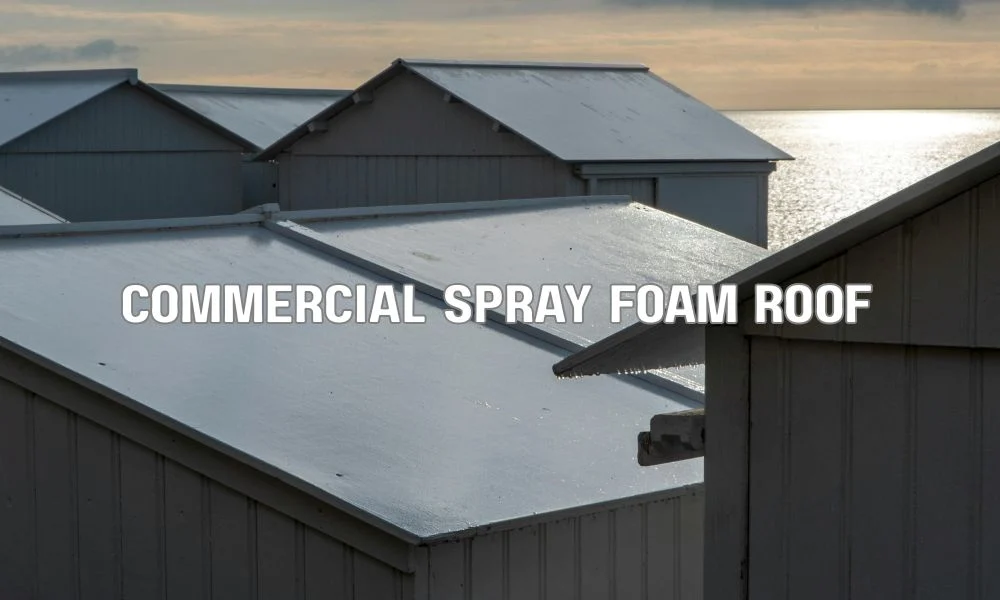
SPF roofing is most advantageous for commercial and industrial buildings in Florida with flat or low-slope roofs, such as warehouses, manufacturing facilities, retail centers, schools, and hospitals. Its ability to adhere directly to various existing substrates without extensive tear-off, combined with its insulation and waterproofing properties, makes it an ideal solution for buildings looking to reduce energy consumption, minimize leaks, and achieve long-term durability in a demanding climate.
What are the cost-benefit considerations for SPF over other roofing systems?
While the initial installation cost of SPF roofing can sometimes be comparable to or slightly higher than traditional systems like TPO or modified bitumen, the long-term cost-benefit analysis heavily favors SPF. Significant benefits include substantial energy savings from superior insulation, reduced lifecycle costs due to fewer repairs and extended lifespan through recoating, and minimized business disruption from less frequent full roof replacements. Its hurricane resilience also lowers potential damage costs and insurance claims.
How does SPF contribute to energy efficiency and resilience in Florida?
SPF contributes to energy efficiency through its high R-value, creating an effective thermal barrier that significantly reduces heat transfer into the building, thus lowering cooling demands. Its reflective topcoat further diminishes heat absorption. For resilience, SPF forms a monolithic, self-flashing membrane that strongly adheres to the substrate, offering unparalleled resistance to hurricane-force winds and preventing water intrusion from heavy rains. This dual benefit of energy savings and enhanced protection makes it a strategic choice for Florida.
Critical Fact 3: Despite its long lifespan, SPF roofing systems are fully sustainable; at the end of their service life, the existing foam can often be cleaned and recoated again, avoiding landfill waste.
Frequently Asked Questions
Is SPF roofing suitable for residential properties in Florida?
While primarily used for commercial properties due to its flat/low-slope application, SPF can be adapted for certain residential designs. Its benefits in energy efficiency and hurricane resistance are highly valuable for Florida homes, though aesthetics and specific roof pitches may limit broader residential adoption.
How does SPF roofing handle hurricane-force winds?
SPF roofing demonstrates exceptional hurricane resistance due to its strong adhesive bond to the substrate, eliminating typical points of wind uplift. Its seamless, monolithic structure provides superior protection against wind-driven rain and debris impact, maintaining building integrity.
What kind of maintenance does an SPF roof require?
Beyond periodic recoating, SPF roofs require minimal maintenance, primarily consisting of biannual inspections to check for minor damage, debris removal, and ensuring drains are clear. Prompt repair of any punctures or damage to the topcoat is crucial.
Can SPF be applied over an existing roof in Florida?
Yes, one of SPF’s significant advantages is its ability to be installed directly over many existing roofing systems (e.g., metal, built-up, single-ply) after proper preparation. This often eliminates costly and disruptive tear-off, saving time and money.
What is the typical cost of an SPF roof installation in Florida?
The initial cost of SPF roofing in Florida can vary based on roof size, existing substrate, and desired thickness, typically ranging from $5.00 to $10.00 per square foot. This includes materials, labor, and a protective topcoat.
Does an SPF roof increase a building’s R-value?
Absolutely. SPF has one of the highest R-values per inch of any insulation material (R-6.5 to R-7.0), dramatically increasing a building’s thermal resistance. This leads to significant energy savings, especially in Florida’s hot climate.
How long does an SPF recoating process take?
The recoating process for an SPF roof is generally quick and efficient, often completed in a matter of days for most commercial buildings, minimizing disruption to operations. The duration depends on roof size and weather conditions.
Are SPF roofs environmentally friendly?
SPF roofs are considered environmentally friendly due to their high insulation value (reducing energy consumption and carbon footprint), their ability to be recoated indefinitely (diverting waste from landfills), and their use of fewer raw materials over the long term compared to multiple roof replacements.
