
Executive Summary
- Proactive due diligence on Florida’s stringent wind codes is paramount for commercial solar projects to ensure structural integrity and compliance from conception.
- Selecting appropriate solar attachment methods that meet High-Velocity Hurricane Zone (HVHZ) standards is critical for array resilience and roof membrane longevity.
- Engaging a structural engineer early in the planning phase is essential to validate roof load capacity and certify attachment designs against extreme wind forces.
- Thorough review of existing roof warranties with solar installers and roof manufacturers is crucial to prevent voiding coverage and mitigate future liability.
- Utilizing manufacturer-approved, non-penetrating or warrantied penetration solar mounting solutions can significantly reduce risks to roof warranties and performance.
- Establishing clear communication channels between property owners, solar developers, and roofing contractors prevents conflicts and ensures cohesive project execution.
- Comprehensive documentation of all design, installation, and warranty agreements provides legal protection and clarity for long-term commercial solar operations.
Understanding Florida’s Unique Commercial Solar Landscape
What makes Florida’s environment uniquely challenging for commercial solar installations?
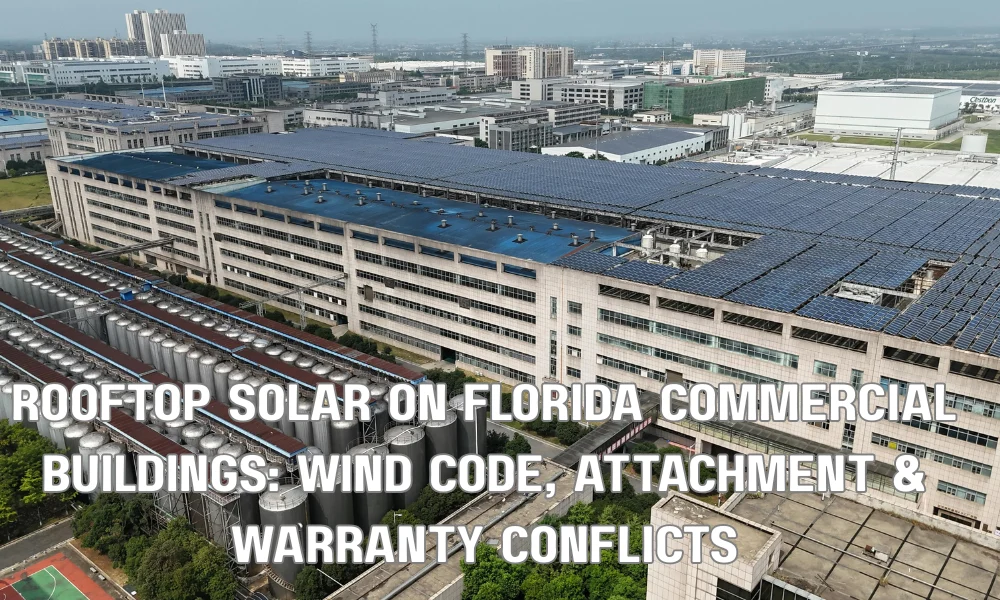
Florida’s unique geographical position, particularly its exposure to hurricanes and intense sun, presents significant challenges for commercial solar installations, primarily due to stringent wind codes and extreme weather conditions. The state’s High-Velocity Hurricane Zones (HVHZ), encompassing regions like Miami-Dade and Broward counties, mandate enhanced structural integrity for all building components, including rooftop solar arrays. This necessitates specialized engineering and installation practices far beyond those in less severe climates.
Critical Fact 1: Florida’s building codes, especially those governing High-Velocity Hurricane Zones (HVHZ), are among the most stringent globally, directly impacting the design and attachment requirements for all rooftop structures, including solar energy systems.
How do building codes specifically impact solar projects in Florida?
Building codes in Florida, particularly the Florida Building Code (FBC) which incorporates ASCE 7-16 (Minimum Design Loads and Associated Criteria for Buildings and Other Structures), directly dictate every aspect of solar project design and installation. These codes mandate specific wind load calculations, attachment methods, and material certifications to ensure solar arrays can withstand hurricane-force winds. Compliance often requires extensive structural analysis by licensed engineers, rigorous permitting processes, and inspections to verify adherence to elevated safety standards, fundamentally shaping project feasibility and cost.
Navigating Florida Wind Code Compliance for Solar
What are the key wind code requirements for rooftop solar in Florida?
The key wind code requirements for rooftop solar in Florida are primarily driven by the Florida Building Code (FBC), which adopts ASCE 7-16 standards, focusing on design for extreme wind events. These codes classify buildings into risk categories and define specific wind speed zones (e.g., 170 mph for HVHZ), mandating precise calculations for wind uplift, drag, and component & cladding loads on solar arrays. Installers must account for building height, roof geometry, exposure category, and the specific location’s basic wind speed to determine the precise forces acting on each solar module and mounting component.
How does wind uplift pressure influence solar panel design and placement?
Wind uplift pressure profoundly influences solar panel design and placement by dictating the robustness of the mounting system and the array’s layout. High uplift forces, particularly at roof edges and corners, can dislodge panels if not adequately secured, leading to catastrophic failure. Consequently, solar designs must incorporate stronger attachment points, closer spacing of supports, and sometimes even ballast systems with additional mechanical fasteners, especially when approaching roof perimeters. This necessitates careful consideration of panel orientation, tilt angle, and the overall aerodynamic profile of the array to minimize vulnerability to suction forces.
What are common methods for demonstrating wind code compliance?
Common methods for demonstrating wind code compliance for rooftop solar projects include detailed engineering calculations, wind tunnel testing data, and product certifications from recognized testing agencies. These approaches validate that the proposed solar system components and attachment methods can withstand the specific wind loads calculated for the project’s location and building characteristics. Often, a licensed Florida structural engineer must stamp and seal design documents, providing an affidavit of compliance that satisfies local Authority Having Jurisdiction (AHJ) permitting requirements and ensures the system’s safety and durability.
Ensuring Robust Solar Array Attachment
What are the primary methods for attaching solar arrays to commercial roofs?
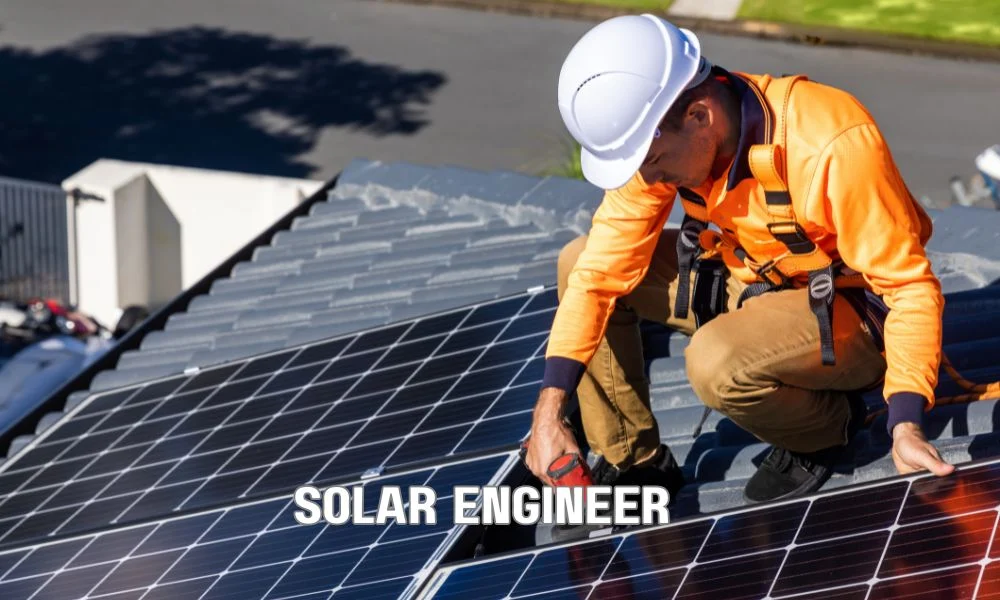
The primary methods for attaching solar arrays to commercial roofs typically include mechanically attached (penetrating), ballasted (non-penetrating), and adhesive-based (non-penetrating) systems. Mechanically attached systems use anchors that penetrate the roof membrane to connect directly to the structural deck, offering the highest wind resistance but requiring careful waterproofing. Ballasted systems use weights (concrete blocks) to hold arrays in place without penetrating the roof, ideal for lighter loads but demanding sufficient roof load capacity. Adhesive systems bond the mounting hardware directly to the roof membrane, providing a non-penetrating solution with good wind resistance for specific roof types.
How do different attachment methods impact roof integrity and warranties?
Different attachment methods significantly impact roof integrity and warranties, making selection a critical decision. Penetrating systems, while robust, introduce potential leak points if not meticulously sealed, often requiring a “no-leak” warranty from the solar installer that coordinates with the roof manufacturer. Ballasted systems avoid penetrations, preserving the roof membrane’s integrity, but require the roof structure to support the added weight, and improper ballasting can lead to roof membrane damage (e.g., concentrated loads, abrasion). Adhesive systems, designed for specific roof types, maintain roof integrity but their compatibility and long-term bond strength with the existing membrane must be pre-approved by the roof manufacturer to avoid voiding warranties.
Critical Fact 2:A comprehensive, single-source roof warranty covering both the existing membrane and the solar installation, ideally from the roof manufacturer or an approved integrator, is the gold standard for mitigating long-term liability.
What role do structural engineers play in attachment plan approval?
Structural engineers play a pivotal role in attachment plan approval by conducting comprehensive analyses to ensure the roof structure can safely support the additional loads imposed by the solar array. They calculate dead loads (weight of panels and racking), live loads (wind, snow if applicable), and seismic loads, providing stamped drawings and calculations that certify the proposed attachment method’s compliance with local building codes. Their approval is mandatory for permitting in Florida, ensuring the building’s structural integrity is maintained and mitigating risks of roof collapse or system failure during extreme weather events.
Preserving Roof Warranties with Solar Installations
How do solar installations typically affect existing commercial roof warranties?
Solar installations typically affect existing commercial roof warranties by potentially voiding them if the installation procedures or components are not explicitly approved by the roof manufacturer. Many roof warranties contain clauses that nullify coverage if the roof membrane is penetrated or altered without the manufacturer’s supervision, approved installer, or specified materials. Even non-penetrating systems can void warranties if they cause excessive concentrated loads, abrasion, or hinder roof maintenance and inspection, making pre-installation communication with the roof manufacturer absolutely vital.
What steps can property owners take to maintain roof warranty validity?
Property owners can maintain roof warranty validity by proactively involving the roof manufacturer in the solar planning process from the outset. This includes obtaining written approval for the chosen solar mounting system, ensuring the solar installer is certified or approved by the roof manufacturer, and using only manufacturer-approved components and waterproofing details. It’s also advisable to seek a “carve-out” or a “no-leak” warranty extension from the roof manufacturer that specifically covers the areas impacted by the solar installation, or to engage an installer who offers such a warranty backstopped by a reputable insurance policy.
Are there specific warranty-friendly solar mounting solutions?
Yes, there are specific warranty-friendly solar mounting solutions designed to minimize impact on existing roof warranties. These often include certified non-penetrating ballasted systems that distribute weight evenly, adhesive-based systems that are explicitly approved by specific roof membrane manufacturers (e.g., TPO, PVC), or penetrating systems that utilize proprietary flashing and sealing methods developed in conjunction with roof manufacturers. Some roof manufacturers also offer integrated or pre-approved solar-ready roofing systems, providing a single-source warranty for both the roof and the solar array, simplifying long-term maintenance and accountability.
Comparative Analysis of Commercial Solar Mounting Systems in Florida
This table compares common solar mounting systems based on critical factors relevant to Florida’s commercial buildings, focusing on wind code, attachment, and warranty considerations.
| Mounting System Type | Primary Attachment Method | Typical Wind Code Rating (HVHZ suitability) | Impact on Roof Integrity | Typical Roof Warranty Impact | Cost (Relative) |
|---|---|---|---|---|---|
| Mechanically Attached (Penetrating) | Fastened to structural deck (e.g., L-feet, standoffs) | Highest (Excellent for HVHZ) | Direct penetrations, requires meticulous sealing | High risk of void if not manufacturer-approved/installed. “No-leak” warranty critical. | Medium to High |
| Ballasted (Non-Penetrating) | Concrete blocks/trays for weight | Good (Limited by friction, uplift calculations) | No penetrations, but potential for concentrated loads or abrasion if not designed properly. | Low risk of void if roof load capacity is verified and proper matting used. | Medium |
| Adhesive-Based (Non-Penetrating) | Proprietary adhesive applied directly to membrane | Good (Specific systems designed for HVHZ) | No penetrations, relies on membrane bond strength. | Low risk of void if explicitly approved by roof manufacturer for membrane type. | Medium to High |
| Integrated/Attached (Hybrid) | Penetrating but designed as part of roof system | Excellent (Often part of HVHZ-rated roof assembly) | Designed to minimize integrity impact, often part of roof system’s warranty. | Lowest risk of void, often covered by a single-source roof/solar warranty. | High |
Strategic Planning for Commercial Solar Success
What are the critical pre-installation assessments required for Florida projects?
Critical pre-installation assessments for Florida commercial solar projects include a detailed roof condition assessment, a structural engineering analysis, and a comprehensive wind load study. The roof assessment determines the membrane’s age, condition, and remaining warranty life, influencing system choice and potential roof replacement needs. The structural analysis confirms the building’s capacity to bear solar array loads, while the wind load study, performed by a licensed engineer, calculates site-specific forces to inform robust attachment design. These assessments collectively de-risk the project by ensuring compliance, durability, and long-term performance.
How can effective communication prevent conflicts between stakeholders?
Effective communication is paramount to prevent conflicts among property owners, solar developers, roofing contractors, and structural engineers throughout a commercial solar project. Establishing a clear communication protocol from the project’s inception ensures all parties are aware of their responsibilities, potential impacts on existing systems, and the implications of design or installation choices. Regular meetings, detailed documentation of agreements, and transparent information sharing about warranties, schedules, and code requirements foster collaboration and proactively address potential issues before they escalate into costly conflicts or delays.
Critical Fact 3: The average cost to repair a commercial roof due to solar installation errors or warranty voidance can exceed $100,000, underscoring the critical need for meticulous planning, expert execution, and robust warranty alignment.
Frequently Asked Questions
What is the typical lifespan of a commercial rooftop solar system in Florida?
A well-designed and properly installed commercial rooftop solar system in Florida typically has an operational lifespan of 25 to 30 years. This longevity is achievable when quality components are used, regular maintenance is performed, and the initial installation adheres strictly to Florida’s demanding wind codes and building standards.
Do I need to replace my commercial roof before installing solar panels?
You do not always need to replace your commercial roof, but it is highly recommended if your existing roof has less than 10-15 years of remaining useful life. Coordinating roof replacement with solar installation maximizes efficiency, avoids future de-installation costs, and allows for a single, integrated warranty.
How do I find a solar installer familiar with Florida’s specific codes?
To find a Florida-code-savvy installer, look for companies with a proven track record of commercial installations in HVHZ regions, ask for references from similar projects, and verify their licensing, certifications, and structural engineering partnerships. Ensure they provide specific documentation for wind load compliance.
Can solar panels reduce my building’s insurance premiums in Florida?
While direct premium reductions are not guaranteed, some insurance providers may offer incentives for robust, code-compliant solar installations due to enhanced building resilience. Furthermore, reducing energy costs can improve cash flow, indirectly affecting financial risk profiles.
What permits are required for commercial solar in Florida?
Commercial solar projects in Florida require electrical permits, building permits, and sometimes zoning approval. These are issued by the local Authority Having Jurisdiction (AHJ) and necessitate stamped engineering plans, detailed schematics, and compliance with the Florida Building Code, including specific wind load calculations.
How often do commercial solar panels need cleaning in Florida?
Commercial solar panels in Florida typically benefit from cleaning 1-2 times per year to maintain optimal efficiency, especially after prolonged dry spells or pollen seasons. Regular rainfall helps, but professional cleaning removes stubborn dust, bird droppings, and environmental buildup that can reduce power output.
Is it possible to get a combined warranty for my roof and solar system?
Yes, it is increasingly possible to get a combined warranty, particularly with integrated solar roofing systems or when using solar installers who partner directly with roof manufacturers. This “single-source” warranty simplifies accountability and can provide better long-term protection for both assets.
What are the potential savings for a commercial building with rooftop solar in Florida?
Potential savings for a commercial building with rooftop solar in Florida can be substantial, including reduced electricity bills, eligibility for federal tax credits (e.g., Investment Tax Credit), and potential state/local incentives. Savings vary based on system size, energy consumption, and utility rates, often resulting in paybacks within 5-10 years.
