

Executive Summary
- Selecting optimal attachment methods is crucial for meeting stringent wind uplift resistance requirements, directly impacting a building’s safety and compliance.
- Advanced bonding techniques like adhesives and induction welding offer superior performance and aesthetics by creating continuous, puncture-free systems.
- The choice of fasteners, plates, adhesives, or induction welding significantly influences both upfront installation costs and long-term maintenance expenses.
- Proper attachment systems contribute to enhanced building envelope integrity, reducing the risk of costly damage during extreme weather events.
- Understanding the direct correlation between attachment technology and wind rating allows for informed design decisions that improve building resilience.
- High-performance attachment methods often lead to better insurance premiums and extended warranty coverage, adding substantial long-term value.
- Engineers and architects must balance performance, cost, and installation complexities when specifying attachment systems to optimize project outcomes.
The Critical Role of Attachment in Building Envelopes
Why are attachment methods paramount for wind resistance?
Attachment methods are paramount for wind resistance because they directly counteract the powerful uplift forces exerted by high winds on a building’s exterior components, particularly roofs and cladding. Without robust and correctly installed attachments, even the most durable materials can fail, leading to catastrophic structural damage and significant financial losses. These methods ensure that all layers of the building envelope remain securely fixed to the substrate, transferring wind loads safely through the structure.
Critical Fact 1: Wind uplift forces can exceed 100 pounds per square foot (psf) in high-wind regions, making secure attachment the primary defense against envelope failure.
Understanding the specific local wind design pressures, as dictated by building codes like ASCE 7, is fundamental. Different building zones, roof heights, and geometries experience varying suction and pressure zones, demanding tailored attachment strategies. A poorly chosen or installed attachment system is the weakest link, jeopardizing the entire building envelope’s integrity. Effective attachment prevents peeling, delamination, and displacement, which can expose the building interior to water intrusion and further damage.
How do different attachment types perform against extreme wind loads?
Different attachment types exhibit varying performance characteristics against extreme wind loads, primarily due to their load distribution mechanisms, material properties, and installation methodologies. Mechanical fasteners concentrate stress at individual points, which can be vulnerable under oscillating wind pressures if not adequately reinforced with plates. Adhesives, conversely, create a continuous bond across a surface, distributing loads more evenly and often leading to superior uplift resistance and reduced stress concentrations.
Induction welding, specifically for thermoplastic membranes, creates an exceptionally strong and monolithic bond by fusing the membrane directly to specialized plates or insulation, effectively eliminating traditional penetration points. While traditional fasteners offer quantifiable, tested point-load capacities, their performance can be compromised by thermal bridging, material fatigue around penetrations, and installation errors. Adhesives and welding provide enhanced resistance to cyclic fatigue and impact damage by eliminating penetrations, which are common failure points in high-wind events. The choice between them often hinges on substrate compatibility, membrane type, and specific project requirements for longevity and resilience.
Diving Deep into Attachment Technologies
What are the advantages and limitations of mechanical fasteners and plates?
Mechanical fasteners and plates offer a straightforward, time-tested method for securing building envelope components, providing distinct advantages in terms of proven performance and installation simplicity in many scenarios. Advantages include their quantifiable pull-out resistance, which allows for precise engineering calculations, and their adaptability to a wide range of substrates and material thicknesses. They are often less sensitive to ambient temperature and humidity during installation compared to some adhesive systems, making them viable in diverse climatic conditions. Plates, used in conjunction with fasteners, distribute the load over a larger area of the membrane or insulation, enhancing tear resistance and preventing pull-through.
However, mechanical fasteners come with several limitations. Each fastener creates a penetration through the waterproofing layer, introducing potential points of water ingress if not properly sealed or if the membrane is compromised. These penetrations can also act as thermal bridges, reducing the building’s energy efficiency by allowing heat transfer. The labor-intensive nature of installing numerous fasteners can increase project duration and cost. Furthermore, concentrated stress points around fasteners can make systems more susceptible to fatigue failure under continuous wind uplift cycles, and their effectiveness relies heavily on the quality of the substrate and precise installation.
How do adhesives and induction welding revolutionize roofing and cladding?
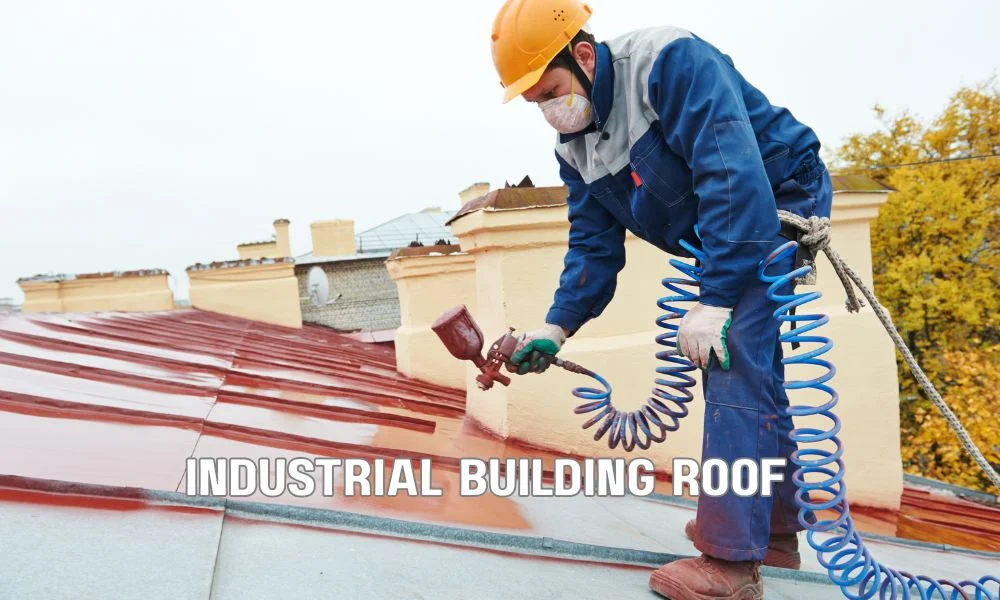
Adhesives and induction welding revolutionize roofing and cladding by introducing non-penetrating, continuous bonding solutions that enhance wind resistance, thermal performance, and aesthetic appeal. Adhesives create a uniform bond between layers, distributing wind uplift forces across the entire surface rather than concentrating them at specific points, which significantly improves the system’s ability to resist delamination and blow-off. This continuous adhesion also eliminates thermal bridging associated with mechanical fasteners, leading to improved insulation performance and reduced energy consumption. Cold-applied adhesives offer flexibility and ease of application, while hot-applied systems provide faster cure times and robust bonds.
Induction welding, specifically used for thermoplastic membranes (like TPO and PVC), takes non-penetrating attachment a step further. It uses electromagnetic energy to heat and fuse the underside of the membrane to specially coated plates or directly to compatible insulation boards. This creates an incredibly strong, monolithic bond that is impervious to water and highly resistant to wind uplift and fatigue. Both technologies minimize damage points, reduce noise transmission, and often result in a cleaner, more streamlined appearance without visible fasteners, contributing to both the durability and visual quality of the building envelope.
Critical Fact 2: Non-penetrating attachment methods like adhesives and induction welding can reduce air and water infiltration risks by over 90% compared to traditional mechanical fastening.
Comparative Performance of Attachment Methods
| Attachment Method | Load Distribution | Punctures | Thermal Bridging | Uplift Resistance (Relative) | Installation Speed (Relative) |
|---|---|---|---|---|---|
| Mechanical Fasteners & Plates | Point-load concentration | Yes (many) | Moderate to High | Good, quantifiable | Fast for large areas |
| Cold-Applied Adhesives | Continuous surface bond | No | Minimal | Very Good, even | Moderate (cure time) |
| Hot-Applied Adhesives | Continuous surface bond | No | Minimal | Excellent, rapid bond | Fast |
| Induction Welding | Monolithic fusion | No | None (spot attachment) | Exceptional, highly durable | Very Fast (automated) |
Economic & Performance Implications
How do attachment choices impact project costs and long-term value?
Attachment choices profoundly impact both immediate project costs and a building’s long-term value by influencing material expenses, labor requirements, equipment needs, and ongoing operational savings. While mechanical fasteners might seem cheaper per unit, the sheer quantity required for high-wind zones, coupled with the labor intensity of installation, can quickly escalate initial costs. Advanced systems like adhesives and induction welding may have higher material costs or require specialized equipment, but they often result in faster installation times and reduced labor expenses for certain membrane types, potentially balancing the upfront investment.
Long-term value is significantly enhanced by attachment systems that offer superior durability and wind resistance. A building designed with high-performance non-penetrating attachments experiences fewer repair costs from wind damage, lower energy bills due to reduced thermal bridging, and potentially more favorable insurance premiums. These systems contribute to a longer service life for the building envelope, delaying the need for costly replacements and improving the overall return on investment. The initial investment in robust attachment methods can therefore be seen as a hedge against future expenses and a boost to asset value.
What is the direct relationship between attachment method and wind uplift rating?
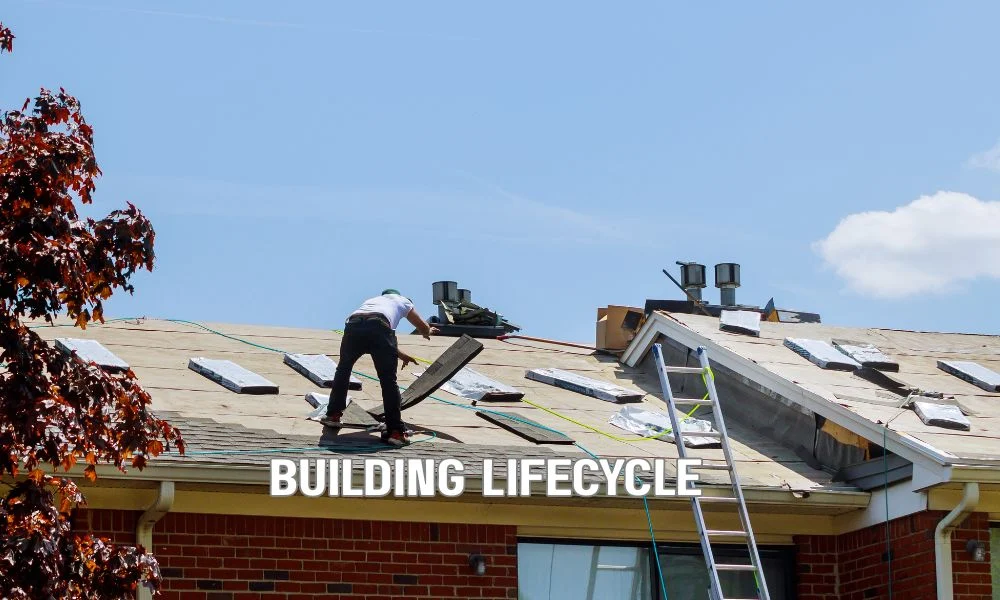
The attachment method has a direct and critical relationship with a building envelope’s wind uplift rating, as it is the primary factor determining how well the system resists the forces pulling it away from the structure. Wind uplift ratings, often determined by industry standards like ASTM E1592 or FM Global, are a direct measure of this resistance. Systems utilizing mechanical fasteners require specific fastener density and plate sizes to achieve desired ratings, with higher wind zones demanding more fasteners per square foot. The pull-out strength of the fasteners from the deck and the tear resistance of the membrane at the plates are key performance indicators.
Conversely, adhesive-applied systems and induction-welded membranes achieve high uplift ratings by creating a continuous or fused bond that distributes stress broadly across the entire surface. This eliminates individual points of failure and often results in superior resistance to cyclic fatigue. The bond strength of the adhesive to both the substrate and the membrane, or the fusion strength of the induction weld, dictates the overall system performance. Building codes mandate specific uplift ratings based on location and building type, making the careful selection and proper installation of attachment methods non-negotiable for compliance and long-term structural integrity. Specifying an attachment system certified for the required uplift resistance is paramount for project success and safety.
Critical Fact 3: The ultimate wind uplift resistance of a roof or wall system is almost always dictated by the weakest link within its attachment assembly, not solely the strength of the membrane or panel itself.
Frequently Asked Questions
What is the primary factor influencing a roof’s wind rating?
The primary factor influencing a roof’s wind rating is the attachment method used to secure the roofing system to the building structure. This includes the type, density, and installation quality of fasteners, adhesives, or induction welds. The strength of this connection directly determines the system’s ability to resist uplift forces generated by high winds.
Are adhesives strong enough for high-wind zones?
Yes, high-performance adhesives are engineered to be exceptionally strong and are widely used in high-wind zones. They create continuous, robust bonds that distribute wind uplift forces evenly across the roof surface, often outperforming mechanically fastened systems in resistance to delamination and cyclic fatigue.
How does induction welding differ from traditional fastening?
Induction welding differs from traditional fastening by creating a non-penetrating, fused bond between a thermoplastic membrane and the substrate or specialized plates, using electromagnetic energy. Traditional fastening involves physically puncturing the membrane with screws or nails, which creates potential vulnerabilities.
Does the substrate material affect attachment choice?
Absolutely, the substrate material significantly affects attachment choice. Different substrates like concrete, steel deck, wood, or existing insulation layers have varying capacities to hold fasteners or form bonds with adhesives. Each attachment method must be compatible with the specific substrate to achieve optimal performance and pull-out strength.
Can attachment methods reduce thermal bridging?
Yes, non-penetrating attachment methods like full-adhesion systems and induction welding significantly reduce thermal bridging. By eliminating through-membrane penetrations, they create a more continuous insulation layer, minimizing heat loss or gain and improving the building’s overall energy efficiency.
What building codes govern wind uplift resistance?
In the United States, building codes such as the International Building Code (IBC) and the International Residential Code (IRC), along with standards like ASCE 7 (Minimum Design Loads and Associated Criteria for Buildings and Other Structures), govern wind uplift resistance. These codes dictate the minimum design pressures and performance requirements for attachment systems.
How do attachment systems impact building insurance premiums?
Robust, high-performance attachment systems can positively impact building insurance premiums. Insurers often offer lower rates for buildings demonstrated to be more resilient to severe weather events, as this reduces their risk exposure. A well-engineered attachment system signifies a reduced likelihood of wind damage and associated claims.
Is it more expensive to use advanced attachment methods?
While the initial material cost for advanced attachment methods like high-performance adhesives or induction welding equipment might be higher than basic fasteners, the overall project cost can be comparable or even lower. This is due to faster installation times, reduced labor, improved energy efficiency, and lower long-term maintenance costs.
