
Executive Summary
- Florida’s building codes strictly mandate enhanced fastening schedules for roof perimeters and corners due to severe wind uplift forces.
- Roof Zone 3 (corners) and Zone 2 (perimeters) experience significantly higher wind pressures compared to Zone 1 (field of the roof) during storms.
- Doubling or increasing the number of fasteners in these critical zones is a direct response to the multiplied wind uplift coefficients identified by engineering standards like ASCE 7.
- Properly securing these high-stress areas is crucial for preventing catastrophic roof failure and minimizing damage during hurricanes and tropical storms.
- Adhering to these fastening requirements not only ensures structural integrity but also qualifies homeowners for valuable wind mitigation insurance discounts.
- Contractors must meticulously follow manufacturer specifications and Florida Building Code guidelines for fastener type, spacing, and embedment depth.
- Ignorance or non-compliance with these zone-specific fastening protocols can lead to voided warranties, failed inspections, and devastating property loss.
Understanding Wind Uplift: The Invisible Threat to Florida Roofs
Wind uplift is a complex aerodynamic phenomenon where strong winds flowing over a roof create a pressure differential, essentially trying to peel the roof off the building. In Florida, this force is particularly dangerous due to the frequent exposure to hurricanes and tropical storms, which bring sustained high-speed winds and intense gusts. The design and construction of roofs in the Sunshine State must rigorously account for these immense upward forces to ensure resilience and safety.
**Critical Fact 1:** Wind uplift is directly governed by Bernoulli’s Principle, where faster-moving air above the roof creates lower pressure, while slower-moving air inside the building or under the roof creates higher pressure, resulting in an upward lifting force.
What is wind uplift, and why is it so dangerous in Florida?
Wind uplift refers to the suction force exerted by wind on a roof, pulling it upwards rather than pushing it down. As wind flows over a roof’s surface, it accelerates, causing a drop in air pressure above the roof. Simultaneously, air trapped inside the building exerts outward pressure on the underside of the roof deck. This combination of external suction and internal pressure creates a powerful upward lifting force that can tear roofing materials, compromise the roof deck, and ultimately lead to complete structural failure if not adequately resisted. In Florida, the prevalence of high-category hurricanes means roofs are regularly subjected to extreme wind speeds, necessitating robust building codes and construction practices to withstand these formidable forces.
Decoding Roof Zones: Where the Pressure Points Are
Roof zones are specific areas of a roof defined by building codes and engineering standards (like ASCE 7) based on their susceptibility to varying levels of wind uplift pressure. These zones acknowledge that wind does not affect all parts of a roof equally; certain areas experience significantly greater suction and stress. Identifying and understanding these zones is fundamental to designing and constructing a resilient roof, especially in high-wind regions like Florida.
How are roof zones defined, and what do they signify?
Roof zones are typically divided into three categories: Zone 1, Zone 2, and Zone 3. **Zone 1**, also known as the “field of the roof,” is the large, central area of the roof that is furthest from edges and corners. This zone generally experiences the lowest wind uplift pressures. **Zone 2**, the “perimeter,” encompasses the areas along the edges of the roof. Here, wind acceleration and turbulence increase significantly, leading to higher uplift forces than in Zone 1. Finally, **Zone 3**, the “corners,” includes the small, critical areas where two roof edges meet. These corner zones are subjected to the most intense and concentrated wind uplift pressures due to extreme aerodynamic effects, often experiencing forces several times greater than the field of the roof. These zones dictate the minimum fastening requirements for roofing materials and components, ensuring that the most vulnerable areas receive maximum protection.
| Roof Zone | Description | Approximate Wind Pressure Coefficient (Cp) | Fastening Requirement (Relative) |
|---|---|---|---|
| Zone 1 (Field) | Central area of the roof, away from edges. | -0.5 to -1.0 | Standard fastening schedule. |
| Zone 2 (Perimeter) | Areas along roof edges (typically 4-6 ft from edge). | -1.5 to -2.5 | Increased fastening (e.g., 2x Zone 1). |
| Zone 3 (Corners) | Small areas where two roof edges meet (typically 4-6 ft x 4-6 ft). | -3.0 to -5.0+ | Significantly increased fastening (e.g., 3-4x Zone 1). |
The Science Behind Double Fasteners in Florida’s High-Wind Regions
Florida’s stringent building codes, particularly the Florida Building Code (FBC), are a direct response to decades of hurricane-related damage. These codes mandate increased fastening in perimeter and corner zones precisely because scientific analysis and empirical evidence from past storms consistently show these areas as the primary points of failure under extreme wind loads. The aerodynamic principles at play amplify wind pressures at edges and corners, necessitating a disproportionate increase in the number and strength of fasteners.
Why do Florida building codes mandate increased fastening in perimeter and corner zones?
Florida building codes mandate increased fastening in Zones 2 and 3 because these areas are subjected to exponentially higher wind uplift forces during hurricanes and high-wind events. As wind flows over a building, it creates vortices and turbulence at the edges and particularly the corners, leading to localized suction pressures that can be 2 to 4 times greater than those in the central field of the roof (Zone 1). Based on standards like ASCE 7 (Minimum Design Loads for Buildings and Other Structures), the FBC translates these pressure differentials into specific requirements for fastener density. Historical data from numerous hurricanes has unequivocally demonstrated that roofs fail first at their perimeters and corners, prompting these critical code provisions to enhance overall structural resilience.
Critical Fact 2:The Florida Building Code (FBC) directly incorporates wind design provisions from ASCE 7, which explicitly details higher wind pressure coefficients for roof perimeter and corner zones, necessitating a proportional increase in fastener density.
What are the specific fastening requirements for different roof types in Zones 2 and 3?
Specific fastening requirements in Zones 2 and 3 vary significantly depending on the type of roofing material and the local wind design criteria. For asphalt shingles, this typically means reducing the fastener spacing (e.g., from 6 inches on center in Zone 1 to 4 or even 3 inches on center in Zones 2 and 3), and sometimes requiring additional fasteners per shingle. Tile roofs often demand additional mortar or adhesive, supplemented by more screws or nails at perimeters and corners. Metal roofing systems will require closer fastener spacing and potentially larger gauge fasteners or specialized clips. For low-slope membrane roofs (TPO, PVC, EPDM), the number of mechanically attached fasteners per square foot or the frequency of adhesive beads will increase dramatically in Zones 2 and 3. All these requirements are meticulously detailed in manufacturer installation guides, which must always be adhered to in conjunction with the FBC.
How does proper fastening contribute to wind mitigation and insurance savings?
Proper fastening, especially in Zones 2 and 3, plays a pivotal role in wind mitigation by reinforcing the roof’s ability to withstand extreme wind forces. A robust roof system significantly reduces the likelihood of roof damage or failure during a hurricane, protecting the entire building envelope. Insurance companies in Florida offer substantial wind mitigation credits and discounts to homeowners whose properties meet specific criteria, often verified through a professional wind mitigation inspection. A key component of this inspection assesses the roof’s attachment, specifically noting if it adheres to the enhanced fastening schedules for perimeters and corners. By meeting these standards, homeowners not only gain peace of mind but also realize tangible savings on their notoriously high Florida property insurance premiums.
Consequences of Non-Compliance: Risks and Liabilities
Failing to adhere to Florida’s strict roof zone fastening requirements carries severe consequences, extending beyond immediate structural vulnerability. Non-compliance can lead to catastrophic roof failure during a storm, resulting in extensive property damage, significant financial burdens, and potential legal liabilities. The risks associated with cutting corners on roof fastening are simply too high in a state prone to powerful hurricanes.
What are the risks of inadequate fastening in Florida roof installations?
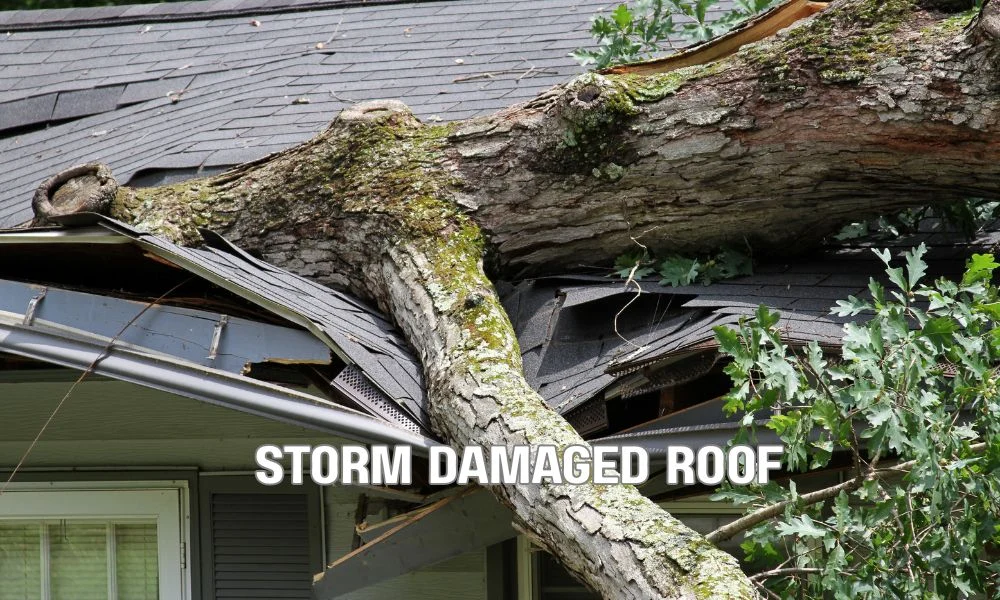
The risks of inadequate fastening in Florida roof installations are profound and multi-faceted. Primarily, it dramatically increases the likelihood of catastrophic roof failure during a hurricane. If perimeters and corners peel back due to insufficient fastening, the entire roof system can rapidly delaminate or be torn off, exposing the interior of the home to torrential rain and further structural damage. This can lead to the loss of personal belongings, extensive water damage, and even make the home uninhabitable. Beyond the physical damage, homeowners may face difficulties with insurance claims, as insurers can deny coverage if the roof was not installed to code. Additionally, contractors responsible for non-compliant installations can face severe legal repercussions, including fines, license suspension, and liability for damages.
Ensuring Resilience: Best Practices for Roof Zone Fastening
Ensuring resilience in Florida roofing requires a steadfast commitment to best practices that go beyond mere compliance; it demands meticulous attention to detail, quality materials, and expert execution. For contractors, prioritizing roof zone fastening is not just a regulatory obligation but a cornerstone of durable construction, protecting both their clients and their reputation. These practices collectively contribute to a roof’s ability to withstand the harshest environmental conditions Florida can dish out.
What are the best practices for contractors to ensure compliance and durability?
For contractors, ensuring compliance and durability in roof zone fastening involves several critical best practices. First, always rigorously adhere to the latest Florida Building Code requirements and manufacturer’s installation specifications, which often exceed minimum code for added performance. This includes verifying the correct type, length, and corrosion resistance of fasteners for the specific roofing material and substrate. Second, meticulously follow the prescribed fastener spacing and pattern for each roof zone, using measuring tools to maintain accuracy, especially in high-stress Zones 2 and 3. Third, train crews thoroughly on these nuanced requirements, emphasizing proper fastener application to avoid over-driving or under-driving. Finally, implement strict quality control measures, including pre-installation checks of materials and post-installation inspections to confirm that all fastening elements meet the highest standards before final inspection.
Critical Fact 3:A properly fastened roof, compliant with Florida’s building codes for all zones, is one of the most effective structural elements in mitigating hurricane damage and preserving a home’s integrity.
Frequently Asked Questions
Why are roof corners considered the most vulnerable part of a roof during a hurricane?
Roof corners are the most vulnerable because wind flow creates extreme aerodynamic turbulence and localized suction pressures where two roof edges meet. These forces can be several times greater than those on the main field of the roof, making corners highly susceptible to initial lift-off and subsequent catastrophic failure.
Does increased fastening in Zones 2 and 3 apply to all roofing materials?
Yes, the principle of increased fastening in Zones 2 and 3 applies to virtually all roofing materials, including asphalt shingles, metal panels, tile, and low-slope membranes. While the specific method of reinforcement may differ (e.g., more nails, screws, or adhesive), the objective is always to enhance attachment in these high-stress areas.
How can I verify if my roof was installed with proper zone fastening?
You can verify proper zone fastening through a professional wind mitigation inspection performed by a qualified Florida inspector. They will assess your roof’s attachment points, including observing fastener spacing in accessible areas or reviewing permit documents to confirm compliance with code requirements.
Can I get an insurance discount for having proper roof zone fastening?
Absolutely. In Florida, homes with proper roof zone fastening and other wind-resistant features typically qualify for significant wind mitigation credits on their homeowner’s insurance premiums. A certified wind mitigation inspection report is required to apply for these discounts.
What happens if a roof fails due to inadequate fastening in Zones 2 or 3?
If a roof fails due to inadequate fastening in Zones 2 or 3, it can lead to extensive water intrusion, structural damage to the attic and interior, and potential loss of the entire roof system. Such failures often complicate insurance claims if the installation was not up to code.
Are there different fastening requirements for new roofs versus re-roofs?
For the most part, current Florida Building Code requirements for roof zone fastening apply equally to both new roof installations and re-roofing projects. Any re-roofing job must bring the roof’s attachment up to the current code standards to ensure hurricane resilience.
What is ASCE 7, and how does it relate to roof zones in Florida?
ASCE 7 is a national standard for minimum design loads for buildings and other structures, including wind loads. Florida’s Building Code directly references and adopts ASCE 7’s provisions, which define the specific wind pressure coefficients and design criteria for each roof zone, dictating fastening requirements.
How do I find a contractor knowledgeable about Florida’s roof zone fastening codes?
Look for licensed and insured roofing contractors who specialize in Florida, have positive local references, and can demonstrate a clear understanding of the Florida Building Code, ASCE 7, and manufacturer specifications for high-wind installations. Ask specific questions about their approach to Zones 2 and 3.
