
Executive Summary
- Selecting the correct roofing for Florida medical offices is critical for patient safety, operational continuity, and compliance with stringent state building codes.
- High-performance materials like TPO, PVC, and metal roofing offer superior resistance to Florida’s harsh climate, including hurricanes, intense UV radiation, and humidity.
- Energy-efficient cool roofing systems significantly reduce HVAC costs and contribute to a sustainable facility, enhancing patient comfort and operational budget management.
- Proactive, regular maintenance schedules are indispensable for extending roof lifespan, preventing costly failures, and ensuring uninterrupted healthcare services.
- Understanding and adhering to specific Florida Building Codes and AHCA regulations is paramount for successful permitting and compliant installation of medical office roofs.
- Investing in durable, code-compliant roofing mitigates risks, protects sensitive medical equipment, and provides a safe, controlled environment essential for healthcare operations.
Understanding Florida’s Unique Roofing Challenges for Medical Facilities
Medical office roofing in Florida presents a unique array of challenges that demand specialized attention to material selection, installation, and ongoing maintenance. The state’s environmental conditions, combined with the stringent operational requirements of healthcare facilities, necessitate a robust and resilient roofing strategy. This section delves into the primary factors influencing roofing decisions for medical offices across Florida.
What specific environmental factors impact medical office roofs in Florida?
Medical office roofs in Florida are constantly exposed to extreme environmental stressors, primarily intense UV radiation, high humidity, and the direct threat of severe weather events like hurricanes. Prolonged sun exposure accelerates material degradation, leading to cracks and reduced reflectivity, while constant humidity encourages mold and mildew growth beneath roofing membranes. Hurricanes, with their high winds and torrential rain, pose an existential threat, demanding roofing systems engineered for exceptional uplift resistance and watertight integrity to protect invaluable medical equipment and patient areas below.
Critical Fact 1: Florida’s statewide building code mandates specific uplift resistance and impact ratings for roofing materials, particularly in high-velocity hurricane zones (HVHZ), directly influencing approved systems for medical facilities.
How do healthcare regulations influence roofing material choices?
Healthcare regulations in Florida significantly influence roofing material choices, prioritizing aspects like hygiene, operational reliability, and structural integrity to safeguard patient care environments. Regulations from agencies such as the Agency for Health Care Administration (AHCA) often demand materials that are easy to clean, non-porous, and resistant to microbial growth, ensuring a sterile environment. Furthermore, the critical need for uninterrupted services means roofing systems must minimize leaks and structural issues that could compromise patient care or sensitive medical equipment, making durability and ease of repair paramount.
Key Roofing Material Options for Durability and Compliance
Choosing the right roofing material is pivotal for medical offices in Florida, balancing the need for resilience against environmental extremes with strict healthcare operational demands and regulatory compliance. The selection process must consider a material’s lifecycle cost, energy efficiency, and its ability to maintain a sterile, reliable environment for patient care.
Which roofing materials are best suited for Florida’s climate and medical facility demands?
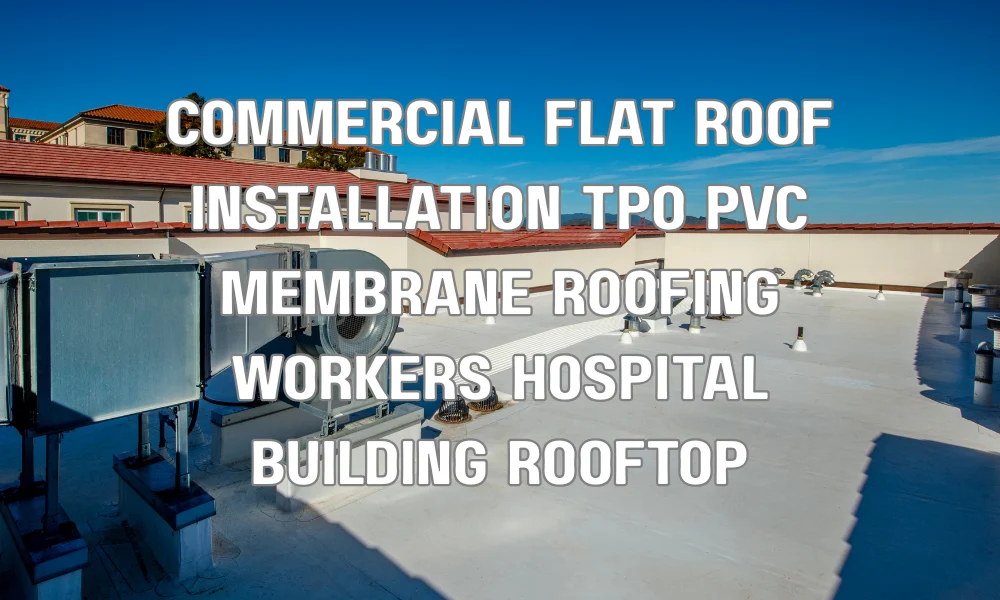
Several roofing materials are exceptionally well-suited for Florida’s climate and the specific demands of medical facilities, primarily chosen for their durability, reflective properties, and resistance to environmental stressors. Thermoplastic Polyolefin (TPO) and Polyvinyl Chloride (PVC) single-ply membranes are popular for their excellent UV resistance, heat reflectivity, and resistance to chemical spills, a crucial factor in medical settings. Metal roofing, particularly standing seam systems, offers unparalleled durability, wind resistance, and a long lifespan, often chosen for its robust protection against hurricanes. Modified Bitumen is another viable option, providing strong waterproofing capabilities and impact resistance. Each material must be installed with meticulous attention to detail to ensure watertight seals and adherence to local building codes for wind uplift.
What are the cost and performance trade-offs for different medical office roofing systems?
The cost and performance trade-offs for different medical office roofing systems in Florida involve weighing initial investment against long-term benefits in durability, energy efficiency, and maintenance. While some materials have higher upfront costs, their extended lifespan and superior performance in extreme weather often result in lower total ownership costs. Conversely, cheaper options might require more frequent repairs or replacements, disrupting medical operations and increasing long-term expenses. Understanding these trade-offs is crucial for making an informed decision that aligns with the facility’s budget and operational requirements.
| Roofing System | Pros for Florida Medical Offices | Cons for Florida Medical Offices | Typical Lifespan (Years) | Estimated Cost per sq. ft. (Installed) |
|---|---|---|---|---|
| TPO (Thermoplastic Polyolefin) | Excellent UV reflectivity, chemical resistance, heat-welded seams, good hurricane performance. | Can be punctured; quality varies by manufacturer; seam integrity depends on installation. | 15-25 | $7.00 – $12.00 |
| PVC (Polyvinyl Chloride) | Superior chemical resistance, durable, strong seams, fire-resistant, suitable for grease vents. | Higher initial cost than TPO; less flexible in extremely cold temperatures (not a major Florida issue). | 20-30+ | $9.00 – $15.00 |
| Metal (Standing Seam) | Exceptional wind uplift resistance, longevity, energy efficiency (cool coatings), sleek aesthetic. | Higher initial cost, potential for noise during heavy rain; can dent from hail/debris. | 30-50+ | $12.00 – $20.00 |
| Modified Bitumen | Good waterproofing, impact resistance, flexible, provides multiple layers of protection. | Dark surface absorbs heat (unless coated white), seams can be vulnerable if not installed perfectly. | 15-20 | $6.00 – $10.00 |
Energy Efficiency and Sustainability in Medical Office Roofing
Beyond structural integrity and compliance, medical office roofing offers a significant opportunity for enhancing energy efficiency and sustainability, directly impacting operational costs and environmental responsibility. Implementing strategic roofing choices can lead to substantial long-term savings and contribute to a healthier environment.
How can medical office roofs contribute to energy savings and sustainability?
Medical office roofs can significantly contribute to energy savings and sustainability primarily through the use of cool roofing materials and optimized insulation. Cool roofs, which are highly reflective and emissive, reduce the amount of heat transferred into the building, thereby decreasing the workload on HVAC systems and lowering cooling costs. This effect is particularly pronounced in Florida’s hot climate. Furthermore, choosing durable materials with long lifespans reduces waste and the frequency of replacements, aligning with sustainable building practices. Integrating photovoltaic (solar) panels directly onto robust roofing systems can also generate clean energy, further enhancing sustainability and reducing reliance on traditional power sources.
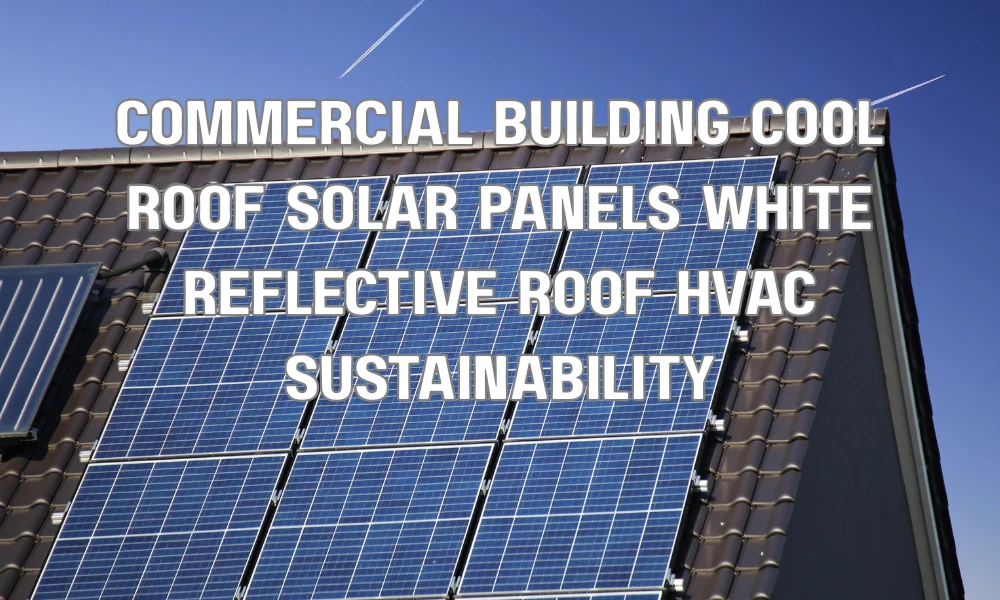
Critical Fact 2: Cool roofs can reduce peak cooling demand by 10-15%, leading to substantial energy cost savings and mitigating the urban heat island effect, which is critical in densely populated Florida areas.
Critical Maintenance and Lifecycle Management
Effective lifecycle management and rigorous maintenance are not merely good practices but essential requirements for medical office roofs in Florida, ensuring longevity, preventing costly disruptions, and maintaining a safe patient environment. Neglecting these aspects can lead to premature failure, regulatory non-compliance, and significant operational setbacks.
What are the essential maintenance practices for medical office roofs in Florida?
Essential maintenance practices for medical office roofs in Florida involve a proactive and comprehensive approach, focusing on regular inspections, debris removal, and prompt repair of any damage. Quarterly or semi-annual inspections are crucial to identify early signs of wear, pooling water, or compromised flashing before they escalate into major issues, especially after severe weather events. Keeping the roof free of debris, such as leaves and branches, prevents drainage obstruction and potential punctures. Immediate repair of punctures, tears, or failing seams is paramount to maintain the roof’s integrity and prevent water intrusion into sterile or equipment-sensitive areas.
How does proactive maintenance extend roof lifespan and ensure compliance?
Proactive maintenance significantly extends a roof’s lifespan by addressing minor issues before they become major, preventing accelerated degradation and costly premature replacement. By regularly inspecting and repairing the roof, facilities can maintain its waterproofing capabilities and structural integrity, crucial for protecting sensitive medical equipment and patient safety. Furthermore, consistent maintenance ensures ongoing compliance with manufacturer warranties, local building codes, and health regulations, avoiding potential fines or operational shutdowns. A well-maintained roof contributes to a facility’s overall reliability, which is non-negotiable in healthcare.
Navigating Permitting and Installation for Medical Facility Roofs
The permitting and installation process for medical facility roofs in Florida is complex, requiring meticulous planning, adherence to specific codes, and coordination with various regulatory bodies. Understanding these requirements from the outset is vital for a smooth project execution and ensuring the new roof meets all necessary standards for a healthcare environment.
What permits and inspections are required for medical office roofing projects in Florida?
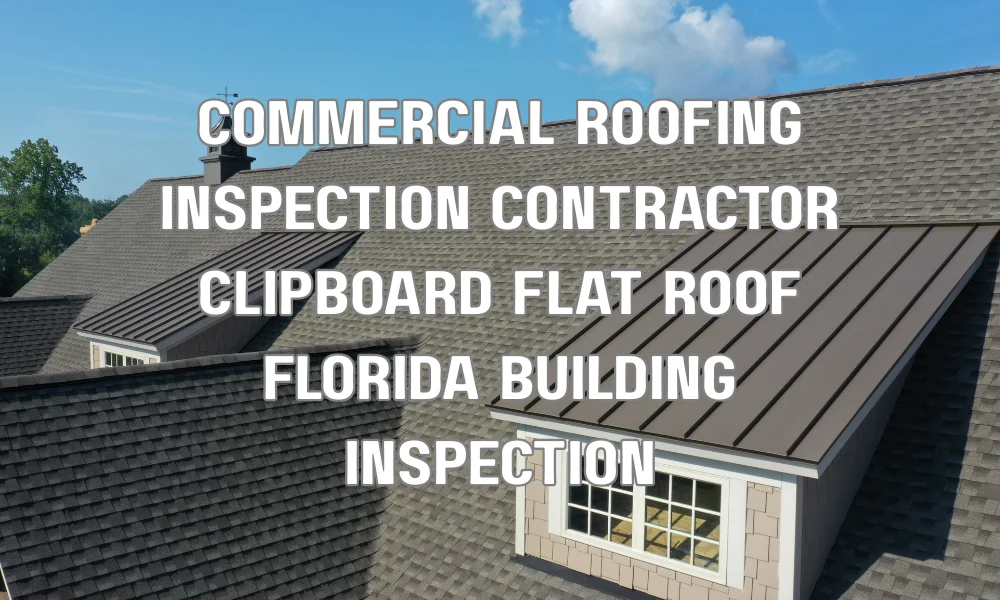
Medical office roofing projects in Florida typically require multiple permits and undergo rigorous inspections to ensure compliance with state and local building codes, particularly the Florida Building Code, which incorporates specific provisions for hurricane resistance. A general building permit is always necessary, and depending on the scope, specialized permits for structural alterations or mechanical work might also be needed. Inspections are conducted at various stages: pre-roofing (for existing deck integrity), dry-in (before membrane application), mid-roofing (for insulation/fasteners), and final inspection (for overall compliance and completion). Facilities might also need to satisfy specific AHCA (Agency for Health Care Administration) requirements, especially if the project impacts life safety or operational continuity. Engaging a qualified and licensed roofing contractor experienced with Florida’s healthcare facility regulations is crucial for navigating this complex permitting and inspection landscape efficiently.
Critical Fact 3: Any roofing project on a licensed healthcare facility in Florida must adhere not only to local building codes but also to Chapter 64E-12, Florida Administrative Code (F.A.C.), which outlines specific construction and maintenance standards for health facilities.
Frequently Asked Questions
What are the most common roofing problems for Florida medical offices?
The most common roofing problems include leaks from hurricane damage or intense rain, premature material degradation due to intense UV exposure, mold and mildew growth from high humidity, and issues with flashing and seals around penetrations. These problems often stem from improper material selection or insufficient maintenance for Florida’s unique climate.
How often should a medical office roof in Florida be inspected?
Medical office roofs in Florida should ideally undergo professional inspections at least twice a year, typically in the spring before hurricane season and in the fall after the season concludes. Additionally, inspections are critical after any major weather event, such as a severe storm or hurricane, to promptly identify and address damage.
Are “cool roofs” mandatory for medical offices in Florida?
While “cool roofs” are not strictly mandatory for all medical offices in Florida, they are highly recommended and often required by certain local energy codes or green building initiatives. Their ability to reflect solar heat significantly reduces energy consumption for cooling, offering substantial long-term operational savings and improved indoor comfort.
What is the typical lifespan of a medical office roof in Florida?
The typical lifespan varies greatly by material and maintenance, but a well-installed and maintained TPO or modified bitumen roof might last 15-25 years. PVC roofs can extend to 20-30+ years, while standing seam metal roofs often exceed 30-50 years, especially with proper care and quality installation.
How do Florida’s hurricane codes affect roofing choices for medical facilities?
Florida’s hurricane codes mandate stringent requirements for roofing materials and installation, especially for uplift resistance and impact ratings. Medical facilities must choose materials and systems certified to withstand high wind speeds and flying debris, ensuring the roof remains intact during severe weather to protect patients and critical operations.
Can solar panels be installed on a medical office roof in Florida?
Yes, solar panels can be installed on medical office roofs in Florida, provided the roof structure is adequately reinforced to support the additional weight and the roofing material is compatible with the mounting system. This offers a sustainable way to reduce energy costs and enhance the facility’s green credentials.
What are the key considerations for roof drainage on medical offices?
Key considerations for roof drainage on medical offices include ensuring adequate slopes to prevent standing water, using oversized drains and gutters to handle heavy rainfall, and integrating overflow systems for emergencies. Proper drainage is crucial to prevent water ingress, mold growth, and structural damage, maintaining a hygienic environment.
What happens if a medical office roof fails to meet Florida Building Codes?
If a medical office roof fails to meet Florida Building Codes, the facility could face significant consequences, including stop-work orders, fines, rejection of occupancy permits, and potential liability issues. Furthermore, non-compliant roofs may not pass inspections by AHCA, jeopardizing the facility’s operating license and patient safety.
