
Executive Summary
- Effective commercial flat roof drainage in Florida is paramount for mitigating the severe damage caused by heavy rainfall and hurricane events.
- Properly designed systems, including internal drains, scuppers, and gutters, prevent water ponding, structural degradation, and costly interior water intrusion.
- Selecting materials with superior corrosion resistance and UV stability is crucial for ensuring the longevity of drainage components in Florida’s harsh, humid environment.
- Integrating tapered insulation and adequate roof slope during design phases significantly enhances drainage efficiency, preventing stagnant water accumulation.
- Adherence to local building codes, including those for wind uplift and high-velocity hurricane zones, is non-negotiable for system resilience and compliance.
- Regular, proactive maintenance routines are essential for keeping drainage systems clear of debris, functional, and extending the overall lifespan of the commercial roof.
- Investing in robust drainage solutions now reduces long-term repair costs, maintains property value, and ensures business continuity during extreme weather.
Understanding the Unique Drainage Challenges in Florida
Why are commercial flat roofs in Florida unique drainage challenges?
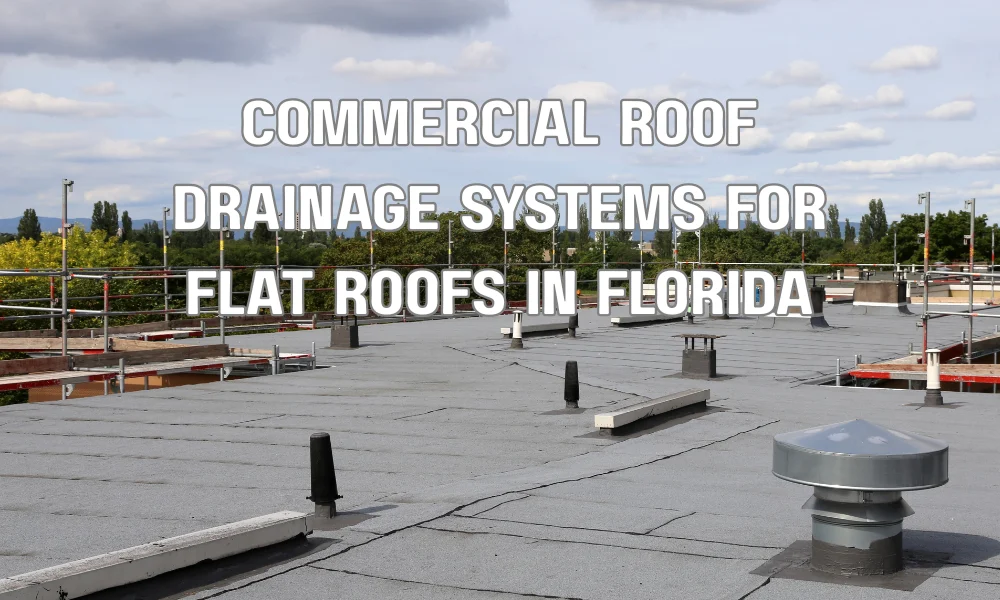
Commercial flat roofs in Florida face unique drainage challenges primarily due to the state’s distinct meteorological patterns, characterized by frequent, intense rainfall and the perennial threat of hurricanes. These conditions demand drainage systems that can not only handle high volumes of water rapidly but also withstand extreme wind loads and corrosive humidity. Without superior design and robust materials, these roofs are highly susceptible to ponding water, accelerated material degradation, and ultimately, costly structural damage and leaks.
Critical Fact 1: Florida experiences an average of 50-60 inches of rain annually, with significant portions delivered during intense thunderstorms and tropical systems, requiring drainage systems designed for extreme peak flow rates.
Key Drainage System Types for Flat Roofs
What are the primary types of commercial flat roof drainage systems?
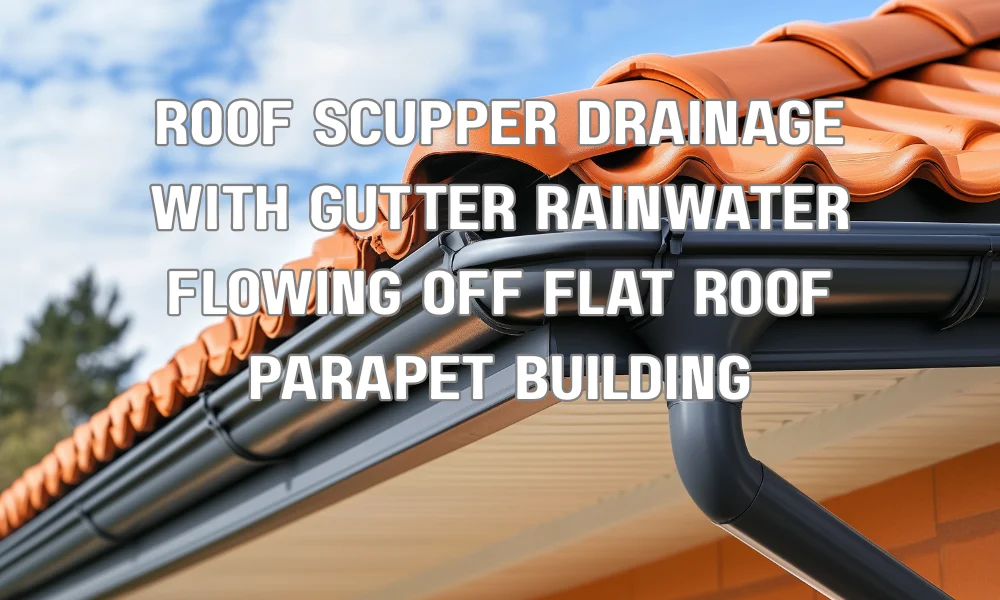
The primary types of commercial flat roof drainage systems include internal drains (also known as roof drains or catch basins), scuppers, and gutters, often used in combination to provide comprehensive water removal. Internal drains collect water from the roof’s interior and channel it through pipes within the building’s structure, while scuppers direct water off the roof’s edge through parapet walls. Gutters, often paired with scuppers or as a standalone perimeter solution, collect and channel water away from the building’s facade to downspouts. Each type offers distinct advantages depending on the roof’s design, building aesthetics, and the specific rainfall intensity expected.
How do internal drainage systems work effectively in Florida’s climate?
Internal drainage systems work effectively in Florida’s climate by rapidly evacuating large volumes of water from the roof’s interior directly into the building’s storm drain network, minimizing exposure to external wind forces. Their design typically involves drain bowls set at low points on the roof, connected to a network of pipes that descend through the building. For Florida, these systems are particularly effective because they are less susceptible to wind-driven rain and debris blockage at the perimeter, providing a more contained and often higher-capacity solution for managing heavy, sudden downpours typical of the region. Proper sizing and spacing are crucial to prevent ponding.
When are scuppers and gutters the preferred drainage solution?
Scuppers and gutters are often the preferred drainage solution when a building’s design allows for perimeter drainage, particularly on roofs with parapet walls or those where internal plumbing is complex or undesirable. Scuppers provide a direct, visible path for water to flow off the roof edge, often into external gutters and downspouts. This external approach can simplify maintenance and reduce the risk of internal leaks should a drain pipe fail. In Florida, they are especially useful for ensuring rapid expulsion of surface water, though careful consideration must be given to their capacity and placement to prevent overflow during extreme rainfall events and to manage runoff away from building foundations effectively.
Crucial Design Considerations for Florida’s Environment
What role does proper slope and tapered insulation play in drainage efficiency?
Proper slope and tapered insulation are foundational to drainage efficiency on flat roofs, as they actively direct water towards drainage points, preventing ponding. Tapered insulation boards are factory-cut to create specific slopes on a nominally flat roof, ensuring that water flows consistently, even if the structural deck is level. In Florida, where standing water can quickly lead to accelerated membrane degradation, algae growth, and increased hydrostatic pressure during hurricanes, a minimum ¼-inch per foot slope is generally recommended. This strategic sloped design not only enhances water evacuation but also contributes to the roof’s overall longevity and performance.
Critical Fact 2: Ponding water, defined as standing water present 48 hours after rainfall, can increase the effective weight on a roof by over 5 pounds per square foot per inch of depth, significantly stressing the structure and roof membrane.
How do hurricane wind loads and excessive rainfall impact drainage system design?
Hurricane wind loads and excessive rainfall profoundly impact drainage system design in Florida, necessitating robust, reinforced solutions that can withstand extreme forces. Drainage components must be securely fastened to prevent uplift during high winds, and their sizing must accommodate rainfall rates that can exceed 6-8 inches per hour in localized areas. This means larger diameter pipes, more numerous drains or scuppers, and reinforced attachments. Additionally, overflow systems are critical to provide redundancy in case primary drains become blocked or overwhelmed, preventing catastrophic roof collapse under extreme water accumulation during storm surges or prolonged heavy rain.
What material considerations are essential for durability in Florida’s climate?
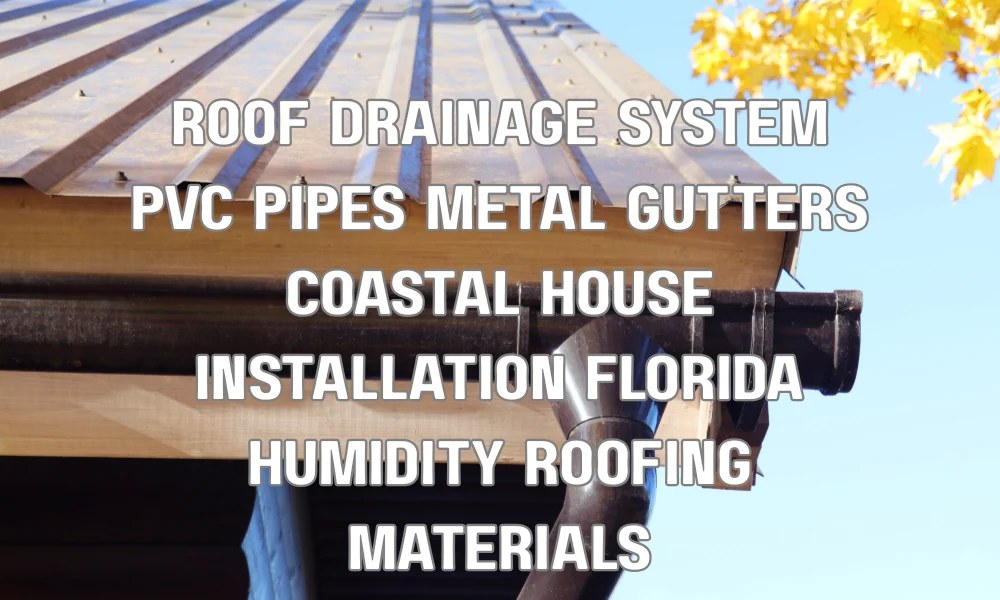
Material considerations for durability in Florida’s climate are essential, focusing on corrosion resistance, UV stability, and resistance to biological growth. Given the high humidity, salt spray near coastal areas, and intense UV radiation, materials like PVC, TPO, galvanized steel, stainless steel, and specific coated metals are often preferred for drainage components. These materials resist rust, degradation from sun exposure, and the proliferation of mold and mildew, which can compromise system integrity and efficiency. Choosing robust, weather-resistant materials upfront significantly extends the lifespan of the drainage system and reduces maintenance needs in Florida’s challenging environment.
| Feature | Internal Drainage Systems (Roof Drains) | Scuppers & Gutters (External Drainage) |
|---|---|---|
| **Water Evacuation Speed** | Very high, especially with multiple drains and proper sizing; direct path to storm sewer. | High, but capacity can be limited by scupper opening size and gutter volume. |
| **Susceptibility to Debris Blockage** | Moderate (strainers can block); internal pipes less prone once water enters. | Higher (gutters and downspouts prone to leaves, branches); scuppers can get partially blocked. |
| **Hurricane Wind Resistance** | Excellent; internal components are protected from direct wind uplift. | Moderate to High; gutters and downspouts can be damaged by extreme wind, scuppers less so. |
| **Corrosion Potential** | Low-Moderate (depends on pipe material, usually PVC/cast iron). | Moderate-High (exposed metal gutters/downspouts susceptible to salt, humidity). |
| **Maintenance Access** | More complex for internal pipe clogs; strainers easily accessible. | Easier for gutter/downspout clearing; scuppers readily accessible. |
| **Aesthetic Impact** | Minimal; drains are typically recessed, pipes are internal. | Visible; can affect building facade aesthetics. |
| **Typical Installation Cost** | Higher due to internal plumbing complexity. | Generally lower, especially for simpler perimeter designs. |
Maintenance and Longevity
Why is regular maintenance critical for commercial roof drainage systems in Florida?
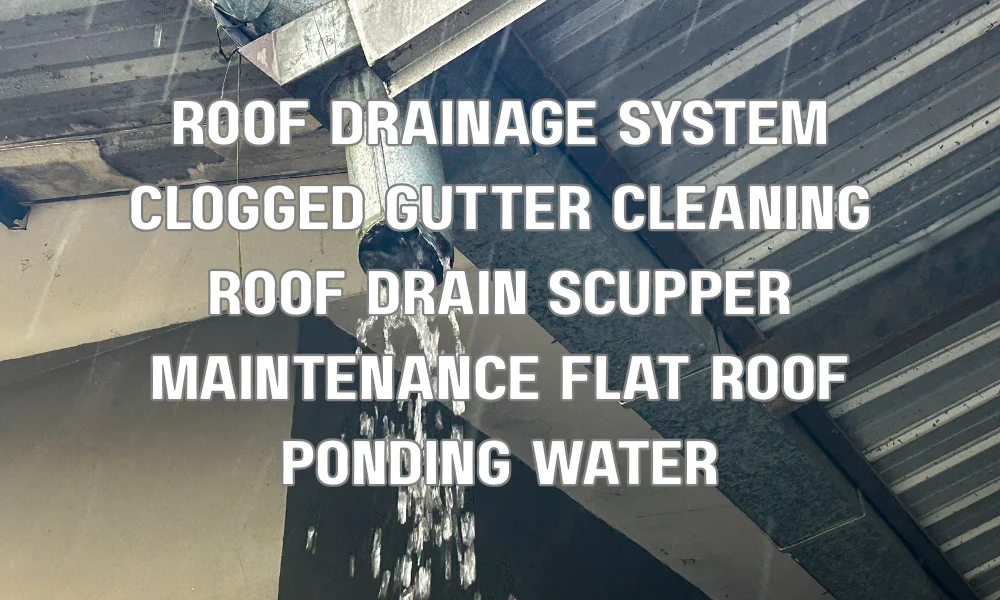
Regular maintenance is critical for commercial roof drainage systems in Florida because it ensures their continuous functionality, preventing blockages that can lead to catastrophic water damage, especially during intense rain events. Debris like leaves, sand, and even wind-blown trash can quickly accumulate, particularly in gutters and internal drain strainers, impeding water flow. Proactive cleaning, inspection for corrosion or damage, and prompt repairs significantly extend the system’s lifespan, safeguard the roof membrane, and protect the building’s interior from water intrusion. Neglecting maintenance inevitably leads to accelerated wear and costly emergency repairs.
What are common drainage issues and how can they be prevented?
Common drainage issues include clogged drains/scuppers, deteriorated gutters, improper slope leading to ponding, and pipe leaks or blockages. These issues can be prevented through a comprehensive maintenance program. Regular debris removal from drain strainers, scuppers, and gutters is paramount. Inspecting for signs of corrosion, cracked pipes, or loose fasteners annually, especially after hurricane season, allows for timely repairs. Ensuring the initial roof design incorporates adequate slope and overflow protection prevents ponding. Utilizing durable, climate-appropriate materials and professional installation also significantly reduces the likelihood of premature failure.
Regulatory Compliance and Best Practices
What building codes and regulations apply to commercial roof drainage in Florida?
Commercial roof drainage in Florida is governed by the Florida Building Code (FBC), which incorporates provisions from the International Plumbing Code (IPC) and specific hurricane-related requirements. Key aspects include minimum roof slope (typically ¼ inch per foot), drain sizing based on rainfall intensity data (e.g., using 100-year, 60-minute storm events for sizing), and provisions for overflow drainage systems. For High-Velocity Hurricane Zones (HVHZ) like Miami-Dade and Broward counties, even stricter requirements apply, including enhanced fastener schedules and material specifications for extreme wind uplift and water infiltration resistance. Compliance with these codes is not only legally mandated but essential for ensuring the safety and long-term performance of the building.
Critical Fact 3: The Florida Building Code mandates that primary roof drainage systems must have provisions for overflow, meaning secondary (emergency) drainage components are required to prevent excessive water accumulation in the event of primary system failure.
Frequently Asked Questions
What is the recommended slope for a commercial flat roof in Florida?
The recommended minimum slope for a commercial flat roof in Florida, as per industry best practices and generally supported by the Florida Building Code, is ¼ inch per foot. This slope ensures adequate positive drainage, preventing ponding water that can lead to membrane deterioration and structural stress in Florida’s heavy rainfall environment.
How often should commercial roof drains be inspected and cleaned?
Commercial roof drains in Florida should be inspected and cleaned at least semi-annually, ideally in spring before the rainy season and again in the fall after hurricane season. More frequent inspections may be necessary for roofs surrounded by trees or in areas prone to excessive debris accumulation.
Are overflow drains legally required on commercial flat roofs in Florida?
Yes, overflow drains are legally required on commercial flat roofs in Florida by the Florida Building Code. This secondary drainage system is crucial for providing emergency water removal in case the primary drainage system becomes blocked or overwhelmed during extreme rainfall events, preventing structural damage.
What materials are best for gutters and downspouts in Florida’s climate?
For gutters and downspouts in Florida’s climate, materials with excellent corrosion resistance are crucial. Options like aluminum, galvanized steel with high-quality coatings, or even stainless steel are preferred. PVC is also a viable option for its corrosion resistance, though its UV stability needs consideration.
How do I prevent algae and mildew growth around my roof drains?
Preventing algae and mildew growth around roof drains involves ensuring excellent drainage to eliminate standing water, regular cleaning of the roof surface, and potentially using roof membranes or coatings with anti-fungal properties. Proper ventilation and avoiding excessive shade can also help.
Can scuppers replace internal roof drains entirely on a commercial building?
Scuppers can replace internal roof drains on some commercial buildings, especially those with parapet walls and suitable exterior aesthetics, but it depends on the roof’s size, design, and rainfall intensity. Often, a combination of both systems provides the most effective and redundant drainage solution for large roofs in Florida.
What is the impact of clogged drains on a commercial roof membrane?
Clogged drains lead to ponding water, which severely impacts a commercial roof membrane by accelerating its degradation, breaking down adhesives, promoting UV damage, and increasing the risk of leaks. The prolonged exposure to moisture can also compromise the insulation’s integrity and add significant weight to the roof structure.
How does hurricane wind uplift affect commercial drainage systems?
Hurricane wind uplift can severely damage or detach inadequately secured commercial drainage systems, particularly external gutters and downspouts. Internal drains are less affected directly by wind but must be securely fastened to prevent dislodgement. Code-compliant fastening methods and robust materials are essential to ensure components remain in place during extreme weather.
