
Executive Summary
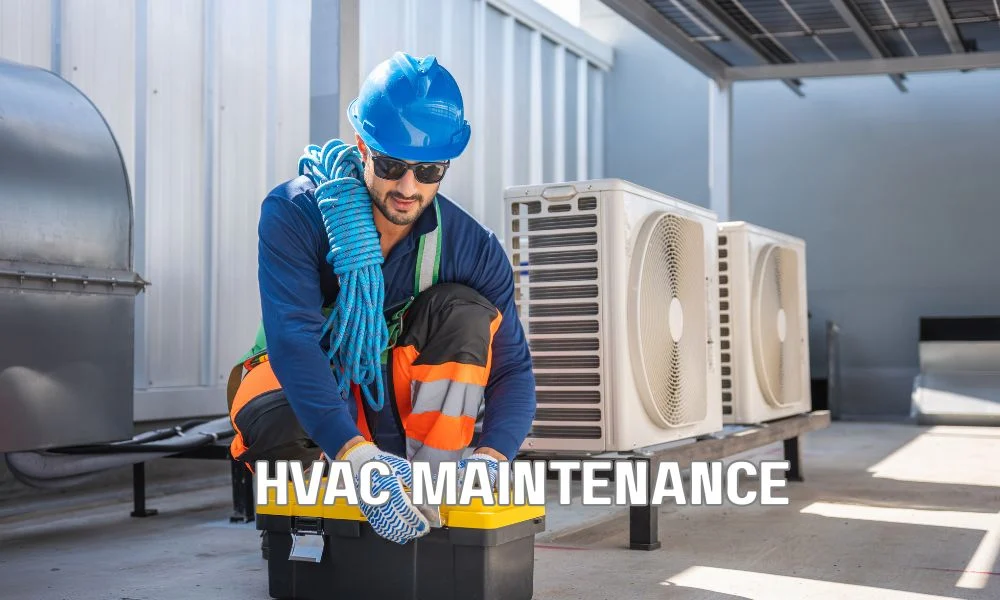
- Commercial roofs face significant degradation from HVAC units, roof penetrations, and human traffic, often leading to costly unseen damage.
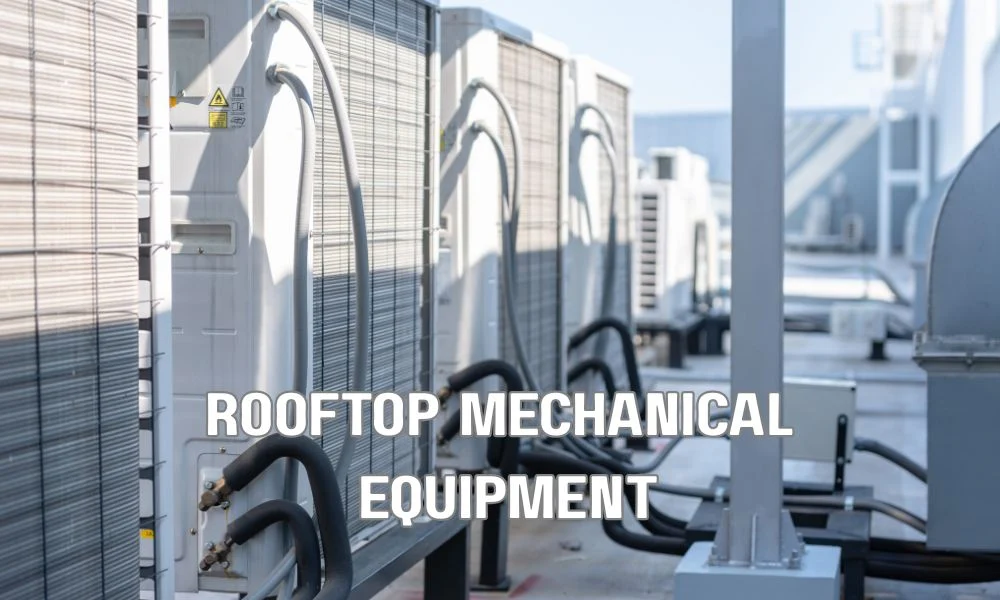
- Heavy HVAC equipment applies constant stress, inducing membrane fatigue and creating vulnerable points for leaks through vibrations and condensation discharge.
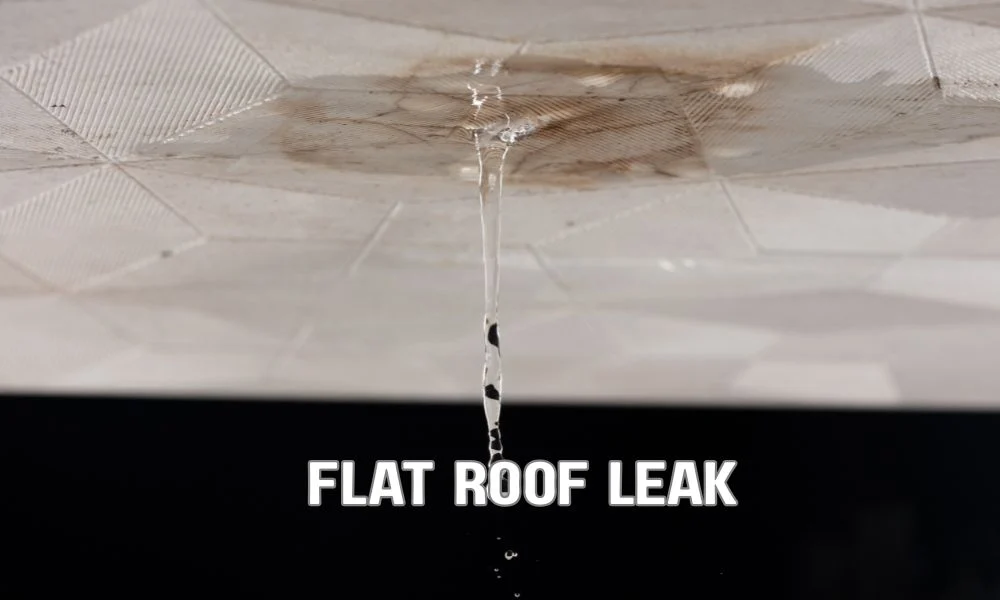
- Improperly sealed or settled roof penetrations are critical failure points, allowing water ingress that compromises insulation and structural integrity over time.
- Regular foot traffic, especially without designated pathways, causes abrasion, punctures, and accelerated wear on protective roof coatings and membranes.
- Proactive maintenance, including routine inspections and timely repairs, is essential to mitigate damage from these pervasive rooftop stressors.
- Implementing protective measures like equipment curbs, pipe supports, and dedicated walkways significantly extends the lifespan of commercial roofing systems.
- Neglecting early signs of roof stress can lead to expensive repairs, operational downtime, and potential structural damage, emphasizing the need for vigilance.
The Hidden Threat: How Rooftop Elements Compromise Integrity
What are the primary culprits causing commercial roof damage?
The primary culprits causing significant commercial roof damage are often overlooked: heavy HVAC units, numerous roof penetrations, and frequent rooftop traffic. These elements, while essential for building function, exert continuous stress and create vulnerabilities that lead to premature roof failure if not properly managed. Their combined impact quietly erodes the roof’s protective layers, paving the way for leaks and structural compromise.
Critical Fact 1: A staggering 80% of all commercial roof leaks originate at or around roof penetrations, making proper sealing and flashing absolutely crucial for long-term roof integrity.
How do HVAC units specifically degrade roof membranes?
HVAC units degrade roof membranes through a combination of static weight, dynamic vibrations, and operational byproducts. Their considerable weight applies constant compressive stress, which can lead to membrane fatigue, crushing of insulation, and eventually punctures or tears, especially if not distributed evenly. Vibrations from operational units transmit mechanical stress into the membrane and structural components, loosening fasteners and causing friction that wears down protective layers. Furthermore, condensate lines can drip acidic water onto the roof, eroding surfaces, and drain blockages can lead to standing water that accelerates membrane deterioration.
Unseen Damage: The Mechanics of Penetration Failures
Why are roof penetrations particularly vulnerable points?
Roof penetrations are particularly vulnerable points because they inherently break the continuous, watertight barrier of the roof membrane, creating interfaces where different materials meet. These junctions are susceptible to improper flashing techniques, sealants that degrade under UV exposure and thermal cycling, and movement from the penetrating elements themselves. Even minor imperfections in sealing or flashing can become pathways for water, making these areas the most common origin points for leaks.
What long-term effects does water intrusion from penetrations cause?
Water intrusion from penetrations causes a cascade of destructive long-term effects, beginning with compromised insulation. Wet insulation loses its thermal resistance, leading to increased energy costs and creating an ideal environment for mold and mildew growth within the building envelope. Unaddressed leaks can then penetrate further, causing structural wood rot, corrosion of metal components, and damage to interior finishes. Ultimately, prolonged water exposure can necessitate extensive, costly structural repairs and compromise the building’s overall integrity.
The Impact of Human Activity: Rooftop Traffic and Maintenance
How does regular rooftop traffic contribute to roof degradation?
Regular rooftop traffic, often from maintenance personnel accessing HVAC units or conducting inspections, significantly contributes to roof degradation through constant abrasion, punctures, and localized wear. Foot traffic grinds dirt and small stones into the membrane, acts like sandpaper, and repeatedly compresses the roof surface. Tools, dropped equipment, or even just repeated walking paths can create weak spots, scuffs, and even direct punctures in the protective layers, especially on softer membrane types.
What preventive measures can mitigate traffic-related damage?
Preventive measures to mitigate traffic-related damage primarily involve establishing clear, durable pathways and strict access protocols. Installing designated walkways made of rubber pads, pavers, or coated fabrics protects the underlying membrane from foot traffic and tool impact. Strategically placed access ladders and platforms can guide personnel to critical areas, minimizing unnecessary traversing. Regular training for maintenance crews on proper rooftop conduct also reinforces the importance of using designated routes and preventing accidental damage.
Proactive Solutions: Safeguarding Your Commercial Roof
What essential strategies extend commercial roof lifespan?
Essential strategies to extend commercial roof lifespan include comprehensive regular inspections, adherence to proper installation standards, and proactive implementation of protective measures. Routine inspections, preferably bi-annually and after major weather events, identify minor issues before they escalate. Ensuring that HVAC units, penetrations, and other rooftop elements are installed with proper flashing, curbs, and supports by certified professionals is paramount. Furthermore, integrating protective systems and establishing clear maintenance protocols significantly reduces wear and tear.
How do roof protection systems enhance durability?
Roof protection systems enhance durability by creating a physical barrier between the roof membrane and external stressors. Equipment curbs elevate HVAC units and other heavy machinery, distributing weight evenly and preventing direct contact with the membrane, while also simplifying flashing details. Pipe supports lift pipes off the roof surface, eliminating abrasion and providing space for thermal movement. Walkway pads and traffic mats shield the membrane from foot traffic, reducing punctures and wear. These systems isolate the membrane from potential damage sources, preserving its integrity.
| Protection System | Primary Benefit | Material Examples | Typical Application |
|---|---|---|---|
| Equipment Curbs | Elevates units, distributes weight, simplifies flashing | Galvanized Steel, Aluminum, Wood | HVAC units, skylights, exhaust fans |
| Pipe Supports | Lifts pipes, prevents abrasion & thermal stress | Recycled Rubber, Galvanized Steel, PVC | Conduit, gas lines, refrigeration pipes |
| Walkway Pads | Shields membrane from foot traffic & punctures | Recycled Rubber, TPO/PVC Walkway Rolls | Maintenance routes, access points |
| Vibration Isolation Pads | Reduces mechanical stress from unit vibrations | Neoprene, Rubberized Cork, Elastomeric | Under HVAC units, pumps, generators |
The Cost of Neglect: Financial Implications of Roof Failure
What are the financial consequences of delaying roof repairs?
Delaying roof repairs leads to escalating financial consequences that far outweigh the cost of proactive maintenance. Minor leaks, if unaddressed, can rapidly expand into significant water intrusion events, damaging insulation, interior finishes, electronics, and even compromising structural elements. This necessitates more extensive and expensive repairs, potentially involving full roof replacement rather than targeted patches. Beyond direct repair costs, businesses face operational disruptions, potential inventory damage, and increased energy bills due to compromised thermal performance, all impacting the bottom line.
Critical Fact 3: Commercial roof failures, especially those linked to HVAC or penetration issues, are estimated to cause over $10 billion in property damage and business interruptions annually in the U.S. alone.
Frequently Asked Questions
How often should commercial roofs be inspected?
Commercial roofs should ideally be inspected twice a year – typically in the spring and fall – to catch any seasonal damage or wear. Additionally, inspections are crucial after severe weather events like heavy storms, high winds, or significant snowfall to assess potential impact.
Can roof penetrations be made fully watertight?
While “fully watertight” is an ideal, proper installation and ongoing maintenance can make roof penetrations exceptionally water-resistant. This involves correct flashing, high-quality sealants, and ensuring that all components are securely fastened and regularly inspected for degradation.
Are rooftop walkways necessary for all commercial roofs?
Rooftop walkways are highly recommended for any commercial roof with regular human traffic, especially around equipment or common access routes. They protect the roof membrane from wear, punctures, and abrasion, significantly extending its lifespan and reducing maintenance costs.
What is the typical lifespan of a commercial roof?
The typical lifespan of a commercial roof varies widely depending on the material, installation quality, climate, and maintenance. TPO/PVC roofs often last 15-20 years, while EPDM can exceed 20-30 years, and built-up roofs (BUR) can last 20-40 years with proper care.
How do vibrations from HVAC units affect the roof?
Vibrations from HVAC units can cause mechanical stress on the roof membrane, leading to fatigue, cracking, and eventual leaks. They can also loosen fasteners, abrade protective coatings, and contribute to the deterioration of flashing and sealant materials over time.
What role does proper drainage play in roof longevity?
Proper drainage is critical for roof longevity as it prevents ponding water, which accelerates membrane degradation, promotes plant growth, and adds excessive weight. Effective drainage systems quickly channel water off the roof, preventing prolonged moisture exposure.
Can a damaged commercial roof impact energy efficiency?
Yes, a damaged commercial roof significantly impacts energy efficiency. Water-soaked insulation loses its R-value, leading to increased heat transfer and higher heating or cooling costs. Compromised membranes also allow air leakage, further reducing energy performance.
What are the signs of impending roof penetration failure?
Signs of impending roof penetration failure include cracked or deteriorating sealants, displaced flashing, standing water around the penetration base, visible gaps, or water stains on interior ceilings directly below the penetration point.
