
Executive Summary
- Proactive roof inspections are crucial for early detection of issues, preventing minor damages from escalating into expensive, complex failures.
- Implementing a rigorous preventative maintenance schedule significantly prolongs the operational longevity of your commercial roof system, often exceeding original warranty periods.
- Strategic roof restoration techniques, such as fluid-applied coatings, can add a decade or more to an existing roof’s life at a fraction of full replacement cost.
- Understanding the unique maintenance requirements of different roofing materials (e.g., TPO, EPDM, Modified Bitumen) is essential for effective upkeep.
- Dedicated budgeting for routine maintenance and future restoration projects safeguards your capital investment and prevents costly emergency roof replacements.
- Leveraging advanced diagnostic technologies, like thermal imaging, improves maintenance accuracy and ensures precise, targeted repairs.
- Partnering with certified, experienced commercial roofing professionals guarantees high-quality workmanship, maximizing the extended lifespan of your roofing asset.
The Imperative of Proactive Commercial Roof Management
Why is a consistent maintenance schedule non-negotiable?
A consistent maintenance schedule is non-negotiable because it forms the bedrock of extending a commercial roof’s life by 10+ years, safeguarding your property investment, and minimizing operational disruptions. Regular, proactive care allows for the early identification and rectification of minor issues before they compound into significant, costly structural failures or leaks. This approach shifts the paradigm from reactive, emergency repairs to strategic, preventative asset management, directly impacting your building’s energy efficiency and interior integrity.
Critical Fact 1: Up to 80% of commercial roof leaks originate from neglected flashing details, edge metal, and penetrations, which are easily identifiable and repairable during routine inspections.
What are the financial implications of neglecting roof maintenance?
Neglecting roof maintenance leads directly to accelerated degradation, significantly higher repair costs, and premature roof replacement, resulting in substantial financial burdens. Deferred maintenance typically allows small problems like cracked membranes or clogged drains to worsen, causing water infiltration, interior damage, mold growth, and potential structural compromise. These escalated issues often require extensive, emergency repairs that are far more expensive than routine preventative measures, ultimately shortening the roof’s lifespan and necessitating a full replacement much sooner than anticipated, impacting operational budgets negatively.
Key Pillars of a Robust Maintenance Program
What are the essential components of routine roof inspections?
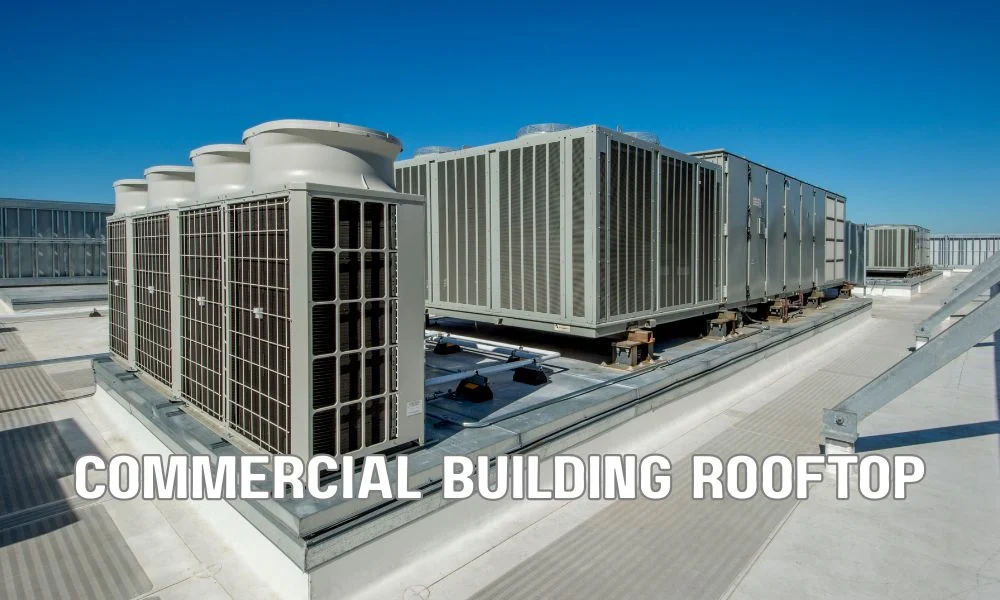
Routine roof inspections must encompass a thorough examination of the entire roof surface, including the membrane, flashing, drains, gutters, HVAC units, and all penetrations, to identify potential vulnerabilities. Key components involve checking for punctures, tears, blisters, open seams, ponding water, debris accumulation, and signs of fastener back-out. The integrity of seals around pipes, vents, and skylights is critical, as is ensuring that drainage systems are clear and functioning optimally to prevent water accumulation that can degrade the roof system over time.
How do material-specific maintenance strategies differ?
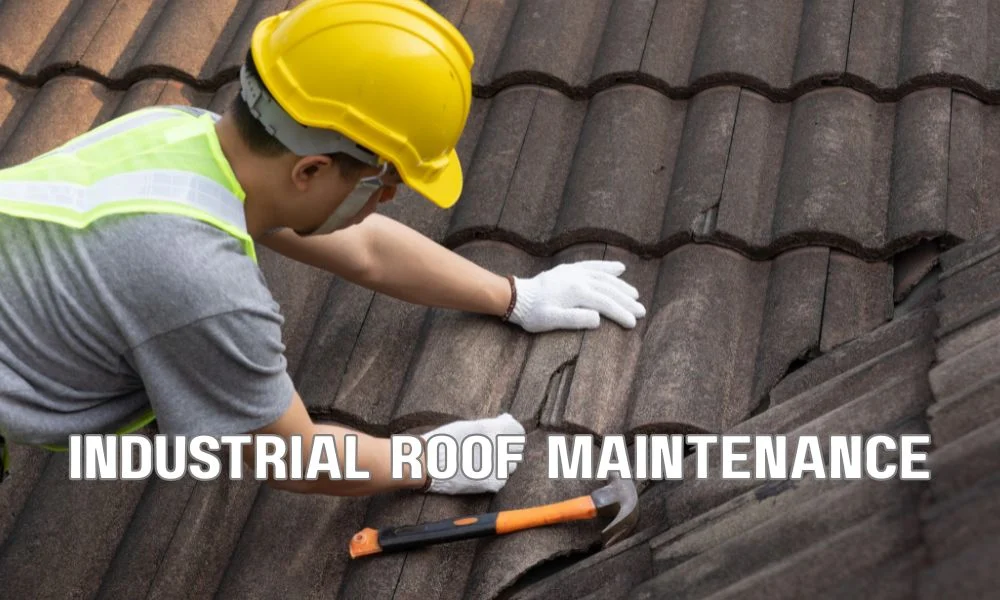
Material-specific maintenance strategies differ significantly based on the unique characteristics and vulnerabilities of each roofing system. For TPO and PVC roofs, strategies focus on inspecting seams for integrity, addressing chemical spills, and checking for UV degradation. EPDM roofs require vigilance for punctures and tears, particularly at seams and penetrations, with an emphasis on patch repairs. Modified Bitumen systems often need checks for granular loss, cracking, and blistering, while built-up roofs demand attention to surface gravel retention and flashing integrity. Understanding these distinctions allows for targeted, effective interventions that maximize each roof type’s lifespan.
Critical Fact 2: A roof coating applied to a well-maintained commercial roof can extend its life by 10-20 years for typically 50-70% less than the cost of a full tear-off and replacement.
Strategic Restoration: Adding Years, Not Just Repairs
When should restoration be considered over replacement?
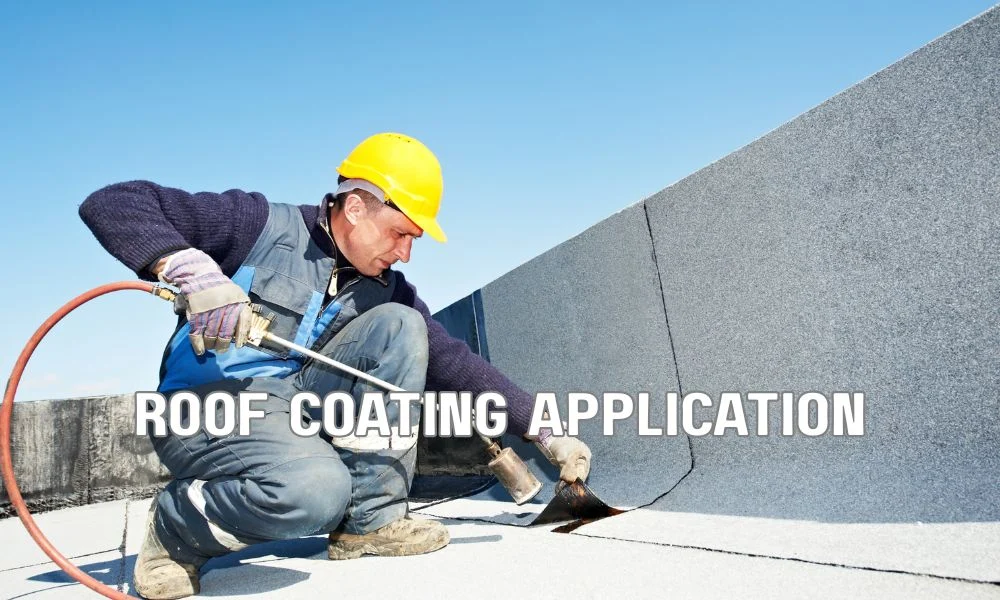
Restoration should be considered over replacement when the existing roof membrane is structurally sound but showing signs of wear, minor leaks, or energy inefficiency, and its insulation remains dry and intact. This approach is ideal for roofs nearing the end of their warranty or serviceable life but not yet facing catastrophic failure or extensive substrate damage. Restoration, often through fluid-applied coating systems, offers a cost-effective alternative by rejuvenating the roof surface, improving waterproofing, and enhancing energy performance, thereby extending its service life significantly without the disruption and waste of a full tear-off.
What are the most effective commercial roof restoration methods?
The most effective commercial roof restoration methods primarily involve fluid-applied roofing systems, often referred to as roof coatings, chosen based on the existing substrate and environmental conditions. Silicone coatings are highly effective for their UV stability, ponding water resistance, and high reflectivity. Acrylic coatings offer excellent reflectivity and cost-effectiveness in areas without consistent ponding. Urethane coatings provide superior durability and impact resistance, often favored for high-traffic roofs. These systems seal existing leaks, protect against further weathering, and often convert the roof into a cool roof, reducing energy consumption.
| Restoration Method (Coating Type) | Average Lifespan Extension | Approx. Cost/Sq. Ft. (Installed) | Primary Advantages | Key Considerations |
|---|---|---|---|---|
| Acrylic Coating | 10-15 years | $2.00 – $4.00 | Highly reflective, good UV resistance, cost-effective | Not ideal for ponding water, requires specific application temperatures |
| Silicone Coating | 15-20 years | $3.50 – $6.00 | Excellent ponding water resistance, highly UV stable, flexible | Slippery when wet, higher initial cost, limited adhesion to some substrates |
| Urethane Coating | 10-20 years | $4.00 – $7.00 | Superior durability, impact & abrasion resistance, strong adhesion | Higher VOCs, requires specialized application, can be less reflective |
| EPDM Single-Ply Overlay | 15-25 years | $5.00 – $9.00 | Proven long lifespan, durable, good weather resistance | Higher material cost, requires clean, flat substrate for adherence |
Budgeting and Long-Term Planning for Roof Longevity
How can businesses effectively budget for roof maintenance and restoration?
Businesses can effectively budget for roof maintenance and restoration by implementing a comprehensive asset management plan that includes regular inspections, preventative maintenance, and a capital expenditure strategy for future restoration or replacement. Allocating a dedicated annual budget for routine upkeep, typically 1-3% of the roof’s replacement cost, helps cover minor repairs and cleaning. For larger restoration projects, it’s crucial to forecast costs based on the roof’s age, material, and inspection reports, spreading these anticipated expenses over several fiscal years to avoid sudden, unmanageable financial hits.
What impact does sustainable roofing have on long-term value?
Sustainable roofing solutions, such as highly reflective cool roofs or vegetated green roofs, significantly enhance long-term value by reducing energy consumption, extending roof lifespan, and potentially offering tax incentives or rebates. Cool roofs drastically lower HVAC loads by reflecting sunlight, leading to substantial energy savings and reduced carbon footprint. Green roofs provide insulation, manage stormwater, and create usable space, adding tangible property value and contributing to urban biodiversity. Both options mitigate urban heat island effects and demonstrate corporate environmental responsibility, attracting environmentally conscious tenants or customers.
Partnering for Success: Choosing the Right Roofing Experts
What qualifications should you look for in a commercial roofing contractor?
When choosing a commercial roofing contractor, look for specific qualifications including extensive experience with your particular roof type, a strong portfolio of successfully completed projects, and comprehensive licensing and insurance. Critical indicators of reliability include manufacturer certifications for installation and warranty adherence, which demonstrate their expertise and ability to provide backed warranties. Additionally, check for positive client testimonials, strong safety records, transparent bidding processes, and a commitment to communication and project management throughout the maintenance or restoration process.
Critical Fact 3: A typical commercial roof replacement generates over 100 tons of landfill waste, making restoration a significantly more environmentally friendly and sustainable option for extending roof life.
Frequently Asked Questions
How often should a commercial roof be inspected?
Commercial roofs should ideally be inspected at least twice a year—typically in the spring and fall—and after any significant weather event like heavy storms, high winds, or excessive snowfall. This proactive approach helps catch minor issues before they escalate, ensuring continuous performance.
What are the signs that my commercial roof needs restoration?
Signs your commercial roof needs restoration include minor leaks, visible wear and tear on the surface, blistering, ponding water that doesn’t drain, increased energy bills, and a general appearance of aging. If the underlying structure is sound, restoration is a viable option.
Can a roof coating be applied to any commercial roof type?
While many commercial roof types are suitable for coatings, it’s not universal. The existing roof membrane’s condition and material dictate compatibility. Single-ply, modified bitumen, and metal roofs are common candidates, but a professional assessment is crucial to ensure proper adhesion and performance.
How long does a typical roof restoration project take?
The duration of a roof restoration project varies based on the roof’s size, complexity, and the chosen system. Generally, it can take anywhere from a few days for smaller roofs up to several weeks for larger, more intricate commercial structures.
Will roof restoration interfere with my business operations?
Roof restoration typically causes minimal interference with business operations compared to a full roof replacement. Most work is conducted on the roof itself, reducing noise and disruption to interior activities. Scaffolding or temporary access may be required.
What is the average cost savings of restoration versus replacement?
Roof restoration can offer significant cost savings, often ranging from 50% to 70% less than a full roof tear-off and replacement. This is primarily due to reduced labor, material, and disposal costs associated with avoiding a complete re-roofing project.
Does roof restoration come with a warranty?
Yes, reputable commercial roofing contractors and coating manufacturers typically offer warranties on restoration projects. These warranties can cover material and/or labor for periods ranging from 10 to 20 years, depending on the system and contractor.
How does a ‘cool roof’ coating benefit my business?
A ‘cool roof’ coating significantly benefits your business by reflecting sunlight and absorbing less heat, reducing your building’s interior temperature. This leads to lower air conditioning costs, extended HVAC equipment life, and potentially increased comfort for occupants.
