
Executive Summary
- Proactive budgeting for commercial roof repairs in Florida is crucial due to unique weather challenges and material variances.
- Understanding the key cost drivers, such as damage extent, material type, and labor rates, empowers better financial planning for property owners.
- Investing in routine inspections and preventative maintenance significantly reduces the likelihood of costly emergency commercial roof repairs.
- Florida’s specific building codes and hurricane resilience requirements can influence repair techniques and associated expenses.
- Comparing bids from multiple licensed contractors, including detailed scopes of work, ensures transparency and fair pricing for roof repairs.
- The type of roofing system, like TPO, EPDM, or metal, directly impacts per-square-foot repair costs and material availability in Florida.
- Long-term financial savings are often realized by addressing minor roof issues promptly rather than deferring repairs until extensive damage occurs.
Understanding Commercial Roof Repair Costs in Florida
Commercial roof repair costs in Florida can fluctuate significantly, primarily influenced by the unique environmental conditions of the state, particularly its intense sun exposure, heavy rainfall, and hurricane risks. Property owners should budget for repairs that account for these factors, as well as the specific materials used, the extent of the damage, and local labor rates. A proactive approach to budgeting and maintenance is essential for managing these expenses effectively.
Critical Fact 1: Florida’s intense UV radiation, high humidity, and frequent severe weather events, including hurricanes, accelerate roof degradation, making regular inspections and timely repairs more critical and potentially more frequent than in other regions.
What factors most heavily influence commercial roof repair costs?
Several critical factors heavily influence commercial roof repair costs, including the extent and nature of the damage, the type of roofing material, the accessibility of the roof, and current labor rates. Minor leaks or isolated membrane punctures identified through professional commercial roof leak detection and repair will naturally incur lower costs than widespread structural damage, extensive flashing failures, or large sections requiring re-roofing. The specific material — whether it’s TPO, EPDM, metal, or modified bitumen — dictates material costs and specialized labor requirements.
How do different roofing materials impact repair budgets?
Different commercial roofing materials significantly impact repair budgets due to varying material costs, specialized installation and repair techniques, and lifespans. For instance, repairing a TPO roof might involve heat welding patches, while an EPDM roof often requires adhesive-based repairs. Metal roofs, depending on the panel type, may need specialized fabrication or replacement sections, which can be more expensive. Modified bitumen repairs typically involve torch-down or cold-application methods, each with distinct labor and material costs. Understanding your roof’s material is the first step in accurately estimating repair expenses.
What are typical repair cost ranges for common commercial roofing systems?
Typical repair cost ranges for common commercial roofing systems vary widely, depending on the material and the severity of the damage. Minor repairs, such as patching a small leak, can range from a few hundred dollars to a couple of thousand. More extensive repairs, like replacing a large section of membrane or addressing flashing issues around multiple penetrations, can easily reach several thousand dollars. The overall cost is often calculated per square foot for material replacement or based on labor hours plus materials for localized fixes.
Here’s a general comparison of common commercial roofing materials and their typical repair costs:
| Roofing Material Type | Typical Repair Cost (Per Square Foot, Localized) | Notes on Repair | Average Lifespan (Years) |
|---|---|---|---|
| TPO (Thermoplastic Polyolefin) | $4.00 – $8.00 | Heat-welded patches; susceptible to UV degradation over time. | 15-25 |
| EPDM (Ethylene Propylene Diene Monomer) | $3.50 – $7.50 | Adhesive-based patches; prone to shrinking and seam failures. | 20-30 |
| Modified Bitumen | $5.00 – $9.00 | Torch-down or cold-applied patches; common in high-traffic areas. | 10-20 |
| Metal (e.g., Standing Seam) | $7.00 – $15.00+ | Panel replacement, re-sealing seams; can be specialized and costly. | 30-50+ |
| PVC (Polyvinyl Chloride) | $4.50 – $9.00 | Heat-welded patches, excellent chemical resistance. | 20-30 |
Critical Fact 2: Emergency commercial roof repairs, often needed after severe weather events, can incur costs 20-40% higher than planned preventative repairs due to expedited labor, material premiums, and overtime charges.
How does Florida’s climate and building codes impact commercial roof repair expenses?
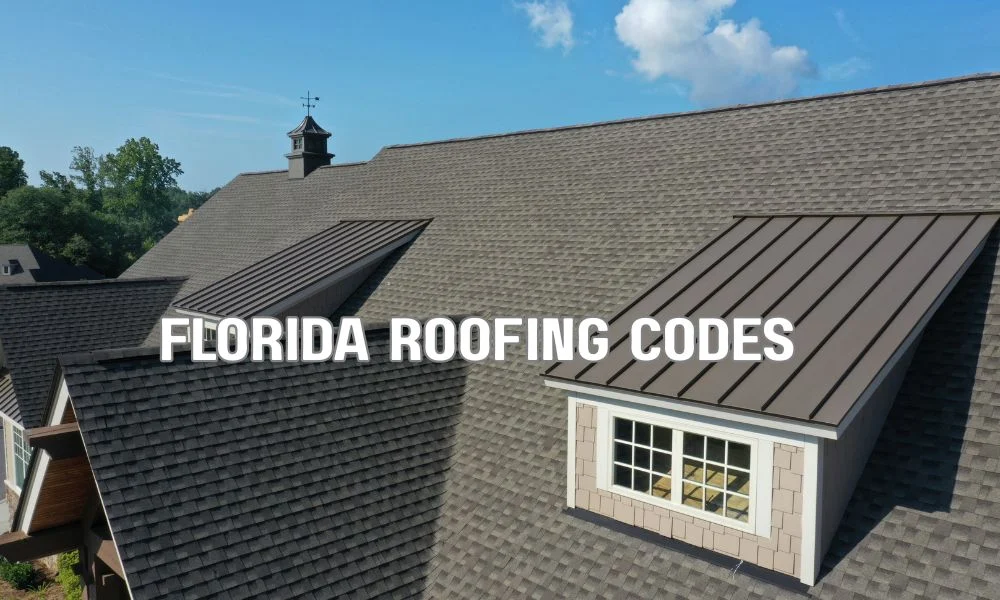
Florida’s climate and stringent building codes significantly impact commercial roof repair expenses by necessitating more durable materials and specialized installation techniques. The high humidity, intense sun, and hurricane-force winds require roofing systems to meet specific wind uplift resistance and moisture protection standards. This often means using heavier gauge materials, more robust fastening systems, and specialized coatings, all of which can increase material and labor costs compared to other regions. Compliance with these codes is mandatory for insurance and safety.
[INTERNAL_IMAGE: A detailed close-up of a commercial flat roof seam being meticulously repaired by a skilled technician, showcasing advanced tools and durable materials under a bright Florida sky. The repair area is clearly defined, suggesting a professional and efficient process.]
Can preventative maintenance genuinely reduce long-term repair costs?
Yes, preventative maintenance can genuinely and significantly reduce long-term commercial roof repair costs by catching minor issues before they escalate into major, expensive problems. Structured commercial roof maintenance programs identify small cracks, punctures, or failing seams that can be patched affordably. Without maintenance, these small defects can lead to extensive water damage to insulation, decking, and interior structures, resulting in far more costly, comprehensive repairs or even premature roof replacement. A consistent maintenance schedule extends the roof’s lifespan and optimizes its performance.
What should commercial property owners look for in a repair quote?
Commercial property owners should look for several key elements in a repair quote to ensure transparency, accuracy, and comprehensive service. A detailed quote should clearly outline the scope of work, including specific materials to be used, labor costs, and a timeline for completion. It should itemize all charges, including any permits, disposal fees, and warranties for both materials and workmanship. Verification of the contractor’s licensing, insurance, and references is also crucial to ensure reliability and protection.
How can owners ensure they are getting a fair price for commercial roof repairs?
Owners can ensure they are getting a fair price for commercial roof repairs by obtaining multiple bids from reputable, licensed contractors. Each bid should be based on a clear, standardized scope of work to allow for direct comparison. Thoroughly review each quote for material specifications, labor estimates, and any hidden fees. Additionally, research average repair costs for similar projects in your Florida region and verify the contractor’s credentials, insurance, and references to gauge their professionalism and value.
Critical Fact 3: The average commercial roof replacement cost in Florida typically ranges from $5 to $15 per square foot, significantly more than the $3.50 to $15 per square foot for repairs, underscoring the financial advantage of proactive maintenance and timely intervention.
Frequently Asked Questions
What is the typical lifespan of a commercial roof in Florida?
The typical lifespan of a commercial roof in Florida varies significantly by material, but generally ranges from 15 to 30 years. Factors like the intensity of UV exposure, frequency of severe storms, quality of installation, and consistency of maintenance play critical roles in determining longevity. Proactive care can extend this lifespan considerably.
Does commercial property insurance cover roof repair costs?
Commercial property insurance often covers roof repair costs resulting from sudden, accidental damage like storms, fire, or vandalism. However, it typically does not cover damage due to neglect, poor maintenance, or general wear and tear. Reviewing your specific policy and understanding deductibles is essential.
How often should a commercial roof in Florida be inspected?
A commercial roof in Florida should be inspected at least twice a year – ideally in the spring and fall – and always after any major weather event, such as a hurricane or severe thunderstorm. Regular inspections are key to identifying minor issues before they become costly repairs.
What are the signs that a commercial roof needs repair?
Signs that a commercial roof needs repair include visible leaks or water stains inside the building, blistering or cracking on the roof membrane, standing water (ponding), damaged or missing flashing, clogged drains, and excessive granule loss on modified bitumen roofs. Any of these indicators warrant immediate attention.
Is it better to repair or replace a commercial roof?
The decision to repair or replace a commercial roof depends on the extent of the damage, the age of the roof, and the overall structural integrity. If damage is localized and the roof is relatively young, repairs are usually more cost-effective. However, extensive, widespread damage on an old roof often warrants a full replacement.
How long do commercial roof repairs typically take?
The duration of commercial roof repairs typically depends on the scope and complexity of the damage. Minor patching might take a few hours, while more extensive repairs involving large sections or multiple areas could take several days to a week. Weather conditions can also impact the timeline.
What financing options are available for large commercial roof repairs?
For large commercial roof repairs, financing options can include commercial loans, lines of credit, or specific property improvement loans offered by banks and credit unions. Some roofing contractors also partner with financing companies. Exploring these options can help manage significant upfront costs.
How do I choose a reliable commercial roof repair contractor in Florida?
To choose a reliable commercial roof repair contractor in Florida, look for companies that are licensed and insured, have extensive experience with your specific roofing material, and provide clear references. Obtain multiple detailed quotes, check their reputation through online reviews, and ensure they offer comprehensive warranties.
