Executive Summary
- Proactive planning, including detailed logistics and scheduling, is paramount to significantly reduce operational interruptions during commercial roof replacement.
- Selecting an experienced and efficient commercial roofing contractor with a proven track record for timely project completion directly minimizes disruption to your daily business activities.
- Strategic material choice, such as single-ply membranes or modular metal systems, can accelerate installation times and decrease the overall presence of work crews on-site.
- Implementing a phased roof replacement approach allows businesses to maintain partial operations, isolating work zones to specific areas at a given time.
- Robust, transparent communication between the business and the roofing contractor ensures alignment on schedules, potential impacts, and proactive problem-solving.
- Prioritizing stringent on-site safety protocols protects employees and customers, preventing accidents that could further impede business continuity during construction.
- Thorough post-project cleanup and final inspection confirm the site is returned to a pristine, safe condition, allowing for immediate, full resumption of normal operations.
For any commercial enterprise, a roof replacement project carries the inherent risk of disrupting daily operations, impacting productivity, and potentially deterring customers. However, with strategic planning, meticulous execution, and clear communication, businesses can navigate this essential upgrade with minimal downtime. This comprehensive guide outlines actionable strategies to ensure your roof replacement is a smooth, efficient process that safeguards your bottom line and preserves business continuity.
Critical Fact 1: A meticulously developed project plan, accounting for every logistical detail from material delivery to waste management, can reduce overall project duration by as much as 15-20%, directly correlating to minimized business downtime.
Proactive Planning: The Cornerstone of Efficiency
Why is meticulous pre-planning crucial for minimizing downtime?
Meticulous pre-planning is crucial because it identifies and mitigates potential delays and disruptions before they occur, creating a streamlined pathway for the project. This involves detailed site assessments, risk analysis, and the development of a comprehensive project timeline that considers your business’s unique operational rhythms.
Effective planning goes beyond simply scheduling the work. It encompasses understanding permit requirements, securing necessary approvals, and outlining a communication strategy with all stakeholders, including tenants, employees, and customers. By establishing clear objectives and contingency plans upfront, businesses can proactively address challenges and avoid costly, time-consuming surprises during the replacement process. A well-defined scope of work, coupled with a realistic budget, also helps prevent change orders that can extend project timelines and increase costs, thereby directly impacting the duration of business disruption.
How does choosing the right time for replacement impact operations?
Choosing the right time for replacement significantly impacts operations by aligning the project with your business’s low-peak periods or seasonal slowdowns. For many businesses, this might mean scheduling during off-season months, holiday closures, or even overnight shifts to reduce interference with customer traffic and daily workflows.
Furthermore, weather considerations play a pivotal role. Scheduling during temperate weather windows—avoiding extreme heat, heavy rain, or freezing temperatures—ensures optimal working conditions, preventing weather-related delays that can prolong the project. A careful analysis of your business cycle and local climate patterns allows for strategic scheduling that minimizes direct interaction between construction activities and your critical business hours.
Strategic Execution: Streamlining the On-Site Process
What role does contractor selection play in accelerating project completion?
Contractor selection plays a paramount role in accelerating project completion because an experienced, reputable commercial roofing contractor brings a wealth of expertise, efficient project management skills, and a skilled workforce to the job. Their ability to accurately estimate project timelines, deploy adequate resources, and adhere to schedules directly influences how quickly your roof replacement is completed.
A contractor with a strong portfolio of commercial projects will demonstrate proficiency in logistical planning, site safety, and quality control, all of which contribute to a smoother, faster installation. They will also have established relationships with suppliers, ensuring timely material delivery and avoiding common procurement delays. Interview prospective contractors about their strategies for minimizing downtime, their communication protocols, and their safety records to ensure their approach aligns with your business continuity goals.
How can material choices influence installation speed and business disruption?
Material choices significantly influence installation speed and business disruption, as some roofing systems are inherently faster and less intrusive to install than others. For example, single-ply membranes (TPO, EPDM, PVC) are often preferred for their relatively quick, heat-welded or mechanically fastened installation methods, requiring less on-site labor and time compared to multi-layer systems like built-up roofs.
Modular metal roofing systems, which arrive as prefabricated panels, can also be installed rapidly, reducing the overall time workers are present on your property. Conversely, complex or traditional systems that require extensive on-site fabrication or multiple layers of application will inevitably extend project duration and potentially increase disruption. Considering the balance between material cost, durability, and installation speed is critical for minimizing downtime.
Critical Fact 2: Opting for a single-ply membrane like TPO or EPDM over a multi-layer built-up roof (BUR) can reduce installation time by up to 50%, significantly shortening the period of active construction on your property.
To illustrate the impact of material choice:
| Roofing Material | Typical Installation Speed (Sq Ft/Day/Crew) | Lifespan (Years) | Downtime Impact |
|---|---|---|---|
| TPO/PVC (Single-Ply) | 1,500 – 2,500 | 20 – 30 | Low (Fast, less odor, fewer hot works) |
| EPDM (Single-Ply) | 1,200 – 2,000 | 25 – 35 | Low (Fast, less odor, fewer hot works) |
| Metal (Standing Seam) | 800 – 1,500 | 30 – 50+ | Moderate (Pre-fabricated, but heavier installation) |
| Modified Bitumen | 700 – 1,200 | 15 – 25 | Moderate to High (Hot asphalt or torch-applied can cause odors/fumes) |
| Built-Up Roof (BUR) | 500 – 800 | 20 – 40 | High (Multi-layer, hot asphalt, labor-intensive, lengthy) |
What are the benefits of a phased or sectional roof replacement approach?
The benefits of a phased or sectional roof replacement approach include allowing a business to maintain significant operational capacity by isolating construction to specific, manageable areas at any given time. This strategy minimizes the impact on critical business functions, employee access, and customer flow.
By dividing a large roof into smaller, sequential work zones, the contractor can focus resources on one section until it’s complete and watertight, then move to the next. This prevents the entire building from being exposed simultaneously, reducing risks associated with weather or accidental damage. A phased approach enables businesses to implement temporary adjustments, such as relocating staff or rerouting pedestrian traffic, in a controlled and localized manner, ensuring that core operations remain largely undisturbed throughout the project’s duration.
Communication and Safety: Ensuring Smooth Operations
How can effective communication minimize surprises and mitigate risks?
Effective communication minimizes surprises and mitigates risks by ensuring all parties—the business owner, project manager, and roofing crew—are consistently informed and aligned on project status, potential issues, and upcoming activities. Establishing clear channels of communication from the outset allows for immediate dissemination of information and prompt resolution of concerns.
Regular meetings, daily updates, and a designated point of contact foster transparency and trust. This proactive exchange of information helps in anticipating potential disruptions, such as noise levels, temporary access restrictions, or material deliveries, allowing the business to prepare and inform its own staff and customers accordingly. When unexpected challenges arise, a well-established communication protocol ensures quick decision-making, preventing small issues from escalating into significant project delays or operational interruptions.
What safety protocols are essential to protect both workers and business assets?
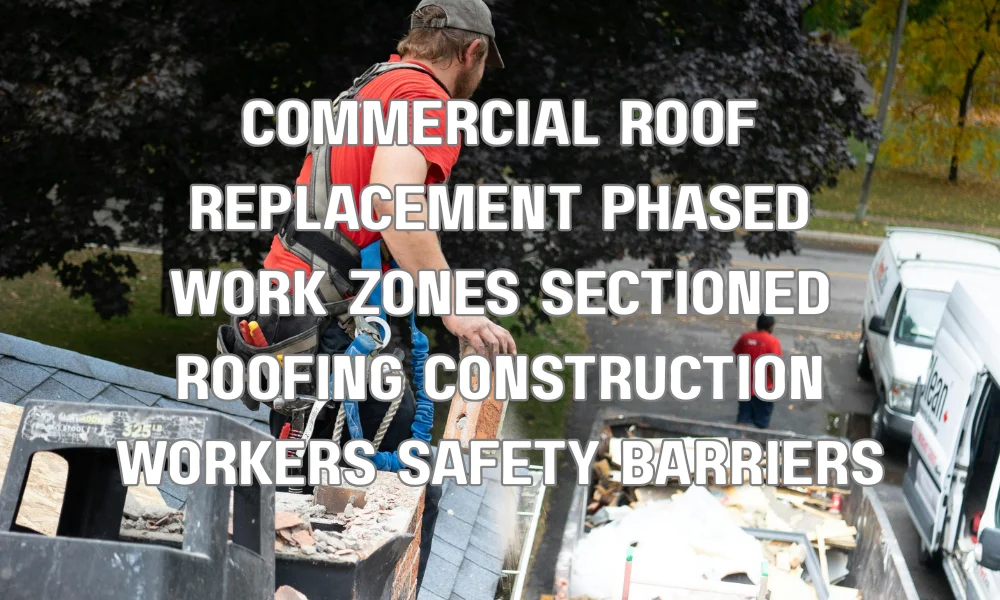
Essential safety protocols are critical to protect both workers and business assets, ensuring a secure environment and preventing accidents that could halt operations or cause damage. This includes the mandatory use of personal protective equipment (PPE) for all on-site personnel, fall protection systems, and clearly marked exclusion zones to separate construction activities from active business areas.
Furthermore, daily safety briefings, regular equipment inspections, and strict adherence to OSHA regulations are non-negotiable. Protecting business assets involves securing sensitive areas, covering inventory, and implementing measures to prevent debris or water intrusion. A comprehensive safety plan, meticulously enforced by the contractor, not only safeguards lives and property but also demonstrates a commitment to operational excellence, fostering confidence among employees and customers.

Post-Installation Considerations: Ensuring Long-Term Value
How does post-project cleanup and inspection contribute to business continuity?
Post-project cleanup and inspection contribute significantly to business continuity by ensuring that the work site is thoroughly cleared of debris, tools, and hazards, allowing for an immediate and safe return to normal operations. A meticulous cleanup prevents potential liabilities from discarded materials, nails, or equipment left behind, which could cause injury or damage to vehicles.
Furthermore, a comprehensive final inspection, often involving both the contractor and the business owner, verifies that all work has been completed to specifications, addresses any punch-list items, and confirms the integrity of the new roof. This final review ensures that the building is not only secure but also aesthetically pleasing, leaving a positive impression on customers and employees. A prompt and thorough completion of these final steps signals the end of disruption and the full resumption of business as usual.
Critical Fact 3: Implementing a detailed, pre-agreed communication plan with the roofing contractor, including daily check-ins and a single point of contact, can reduce unexpected business interruptions by over 30%.
Frequently Asked Questions
How long does a typical commercial roof replacement take?
The duration varies significantly based on roof size, material type, and complexity. A smaller, single-ply roof might take 1-2 weeks, while a large, multi-layered system could extend to 4-8 weeks or more. Detailed planning with your contractor will provide a more accurate timeline.
Can my business remain open during roof replacement?
Yes, most commercial roof replacements are designed to allow businesses to remain open. Strategies like phased installation, careful scheduling, and designated work zones minimize disruption, ensuring your operations can continue with minimal impact.
What about noise and odor during the project?
Noise levels are inevitable during construction, but can often be managed through strategic scheduling (e.g., noisier work during off-hours). Odors, particularly with hot-applied systems, can be noticeable. Discuss mitigation strategies with your contractor, such as improved ventilation or phased work.
How can I protect my inventory and interior spaces?
Work with your contractor to identify sensitive areas. This may involve covering inventory with protective sheeting, sealing off sections, or temporarily relocating valuable items. Ensure the contractor has a plan for weather protection during the project.
Will roof replacement affect access for my customers or deliveries?
Temporary access adjustments may be necessary. A good contractor will work with you to plan pedestrian walkways, vehicle routes, and delivery schedules to minimize inconvenience. Clear signage is essential to guide customers safely.
What should I look for in a contractor to minimize downtime?
Look for a contractor with extensive commercial experience, excellent references, strong project management skills, a clear safety record, and a detailed plan specifically addressing business continuity and minimal disruption.
Is a phased roof replacement more expensive?
While phased replacement might have slightly higher logistical costs due to more frequent material staging or crew shifts, the benefits of minimized business downtime and sustained revenue often far outweigh these additional expenses.
How do permits and inspections impact the timeline?
Permit acquisition and required inspections are crucial steps that can affect the timeline. Ensure your contractor handles these processes promptly and efficiently, scheduling inspections to avoid delays and keep the project on track.