
Executive Summary
- Fortified roofing significantly reduces homeowners insurance premiums, often by 20% or more, due to its enhanced resilience against extreme weather events like hurricanes and hailstorms.
- These advanced roofing systems incorporate specific building standards, including stronger seals, impact-resistant materials, and improved attachment methods, exceeding conventional code requirements.
- Investing in fortified roofing not only offers substantial financial savings on insurance but also provides superior protection, extending roof lifespan and minimizing potential repair costs.
- Government incentives and insurance discounts often offset the initial higher installation cost, making fortified roofing a smart, long-term investment for property owners.
- Understanding the specific certifications, like IBHS Fortified Home™ standards, is crucial for homeowners seeking to maximize both safety and financial benefits.
- Property resale value can also increase as fortified homes are perceived as more durable and less susceptible to weather-related damage, appealing to future buyers.
Understanding Fortified Roofing
What exactly is fortified roofing?
Fortified roofing refers to a specialized system designed and installed to exceed standard building codes, offering superior resistance to extreme weather conditions such as high winds, hail, and heavy rain. Unlike conventional roofing, fortified systems focus on creating a continuous load path from the roof deck to the foundation, ensuring the entire structure can withstand severe forces. This involves enhanced attachment techniques, high-performance materials, and comprehensive sealing methods that prevent water intrusion and uplift during intense storms.
Critical Fact 1: The Insurance Institute for Business & Home Safety (IBHS) developed the “Fortified Home™” program, a set of voluntary construction and re-roofing standards specifically engineered to make homes more resilient against hurricanes, high winds, and hail, often leading directly to significant insurance premium reductions.
How does fortified roofing differ from standard roofing?
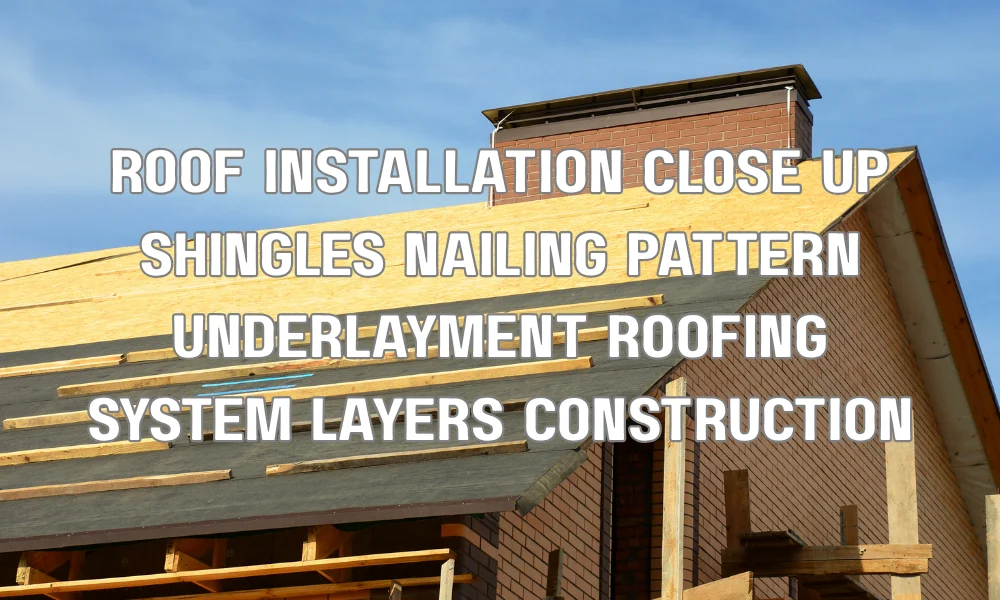
The key differences lie in material specifications, installation practices, and overall system integrity. Standard roofing typically meets minimum local building codes, which may not be adequate for increasingly severe weather patterns. Fortified roofing, by contrast, utilizes thicker, more impact-resistant shingles or tiles, multiple layers of synthetic underlayment, and advanced sealing tapes to prevent water penetration. Crucially, the fastening schedule is significantly more robust, often requiring longer nails and closer spacing to prevent shingles from detaching in high winds, along with sealed roof deck connections to mitigate moisture ingress.
The Science Behind the Savings
Why do fortified roofs lead to lower insurance premiums?
Insurance companies offer substantial discounts, often up to 20% or more, on homeowners premiums for fortified roofs because they demonstrably reduce the risk of damage claims. A fortified roof significantly lowers the likelihood of catastrophic failure during a storm, meaning fewer repairs, fewer emergency services, and ultimately, fewer payouts from the insurer. This reduction in risk translates directly into savings for policyholders, as insurers adjust premiums to reflect the decreased probability of costly incidents. The investment in prevention becomes a win-win: homeowners gain peace of mind and financial benefits, while insurers reduce their exposure.
What specific standards qualify a roof as “fortified”?
The most recognized standard is the IBHS Fortified Home™ program, which offers three levels: Fortified Roof™, Fortified Silver™, and Fortified Gold™. For roofing, the Fortified Roof™ designation is paramount, focusing on a robust system that includes sealed roof decks, enhanced shingle attachment, and impact-resistant materials. This involves specific requirements for underlayment, flashing, and ventilation that go beyond conventional codes. A third-party evaluator verifies compliance with these standards through a rigorous inspection process, culminating in a certification that insurance providers recognize.
Critical Fact 2: Beyond insurance premium savings, fortified roofs can extend the lifespan of your roof by up to 30% and significantly reduce the likelihood of costly repairs after major storms, contributing to substantial long-term financial benefits and increased home equity.
Installation, Cost, and Return on Investment
What is the typical cost of a fortified roof installation?
The cost of a fortified roof installation is generally 10% to 20% higher than a conventional roof due to the superior materials and more intensive labor involved. However, this initial investment is often quickly offset by the insurance premium reductions and potential government incentives. Factors influencing cost include the roof’s size, pitch, chosen materials (e.g., asphalt shingles, metal, tile), and local labor rates. For example, an asphalt shingle fortified roof might cost between $15,000 to $30,000 for an average-sized home, while a standard asphalt roof might be $12,000 to $25,000.
Here’s a comparison of typical roofing options:
| Roofing Type | Typical Material | Wind Resistance (MPH) | Hail Impact Rating | Est. Installation Cost (Avg. Home) | Typical Insurance Discount |
|---|---|---|---|---|---|
| Standard Asphalt Shingle | 3-tab Asphalt | 60-80 | Class 1-2 | $12,000 – $25,000 | 0-5% |
| Architectural Shingle | Laminated Asphalt | 80-110 | Class 2-3 | $15,000 – $30,000 | 5-10% |
| Fortified Roof (IBHS Certified) | Impact-Resistant Asphalt/Metal | 130-150+ | Class 4 | $17,000 – $35,000 | 15-30%+ |
How quickly can homeowners expect to see an ROI?
Homeowners can typically expect to see a return on investment (ROI) within 5 to 10 years, primarily through insurance premium savings. This timeframe can be even shorter in areas prone to severe weather or where significant government grants and incentives are available. When you factor in the reduced likelihood of costly repairs, avoidance of insurance deductibles, and potential increases in home value, the total ROI becomes even more compelling. Many states, particularly those vulnerable to hurricanes or hail, offer specific grants or tax credits to encourage fortified upgrades, further accelerating the payback period.
Beyond Financial Savings: Enhanced Protection
What are the long-term benefits of a fortified roof?
Beyond the immediate financial savings, the long-term benefits of a fortified roof are substantial. These include superior protection for your home and its contents, significantly reducing the risk of water damage, structural compromise, and even total loss during extreme weather events. A fortified roof offers enhanced peace of mind, knowing your home is better equipped to withstand nature’s fury. It also typically boasts a longer lifespan than conventional roofs, deferring replacement costs and reducing your property’s overall maintenance burden. Moreover, the robust construction provides better insulation, potentially leading to lower energy bills.
How does fortified roofing contribute to community resilience?
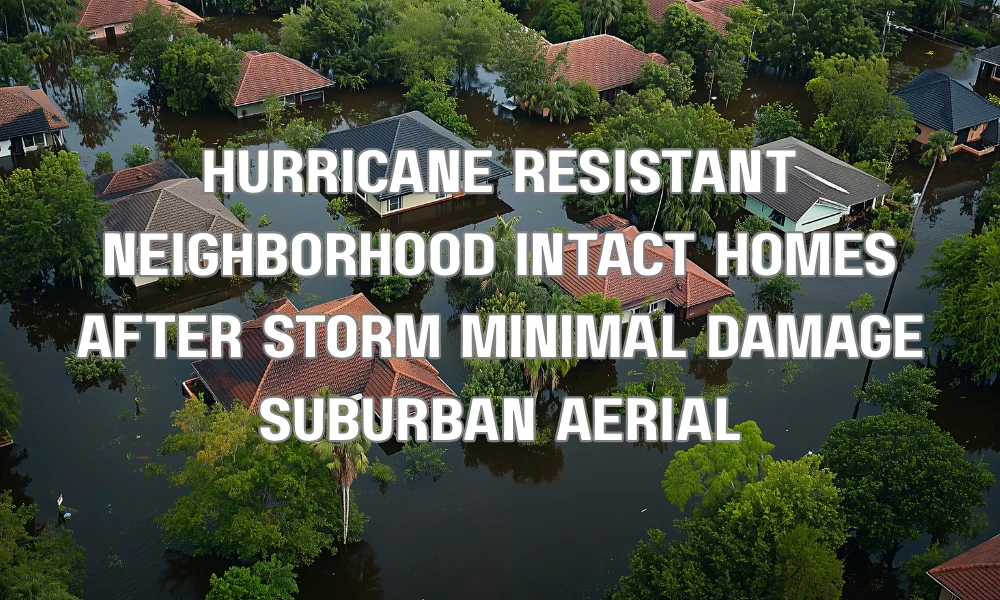
When individual homes adopt fortified roofing, the collective impact on community resilience is profound. A neighborhood with a high percentage of fortified homes experiences less widespread damage after a storm. This reduces the strain on emergency services, lessens the demand for temporary housing, and accelerates the recovery process for the entire community. Fewer damaged homes mean less debris, faster utility restoration, and a quicker return to normalcy, bolstering economic stability and social cohesion in the face of natural disasters.
Navigating Your Fortified Roof Journey
What steps should homeowners take to get a fortified roof?
To embark on the fortified roof journey, homeowners should first research the IBHS Fortified Home™ program and understand its specific requirements. Next, seek out certified Fortified Home™ evaluators and contractors in your area who have experience with these standards. Obtain multiple quotes, ensuring each specifies the fortified materials and installation methods. Before installation, confirm that your insurance provider recognizes the Fortified Home™ certification and inquire about potential premium discounts. Finally, after installation, ensure a certified evaluator inspects the work and issues the necessary documentation for your insurer.
Are there regional considerations for fortified roofing?
Absolutely. Regional weather patterns dictate specific vulnerabilities, which fortified roofing standards address. For instance, homes in hurricane-prone coastal regions will prioritize extreme wind resistance and superior water intrusion prevention. In contrast, properties in hail-prone areas might focus more on Class 4 impact-resistant materials. While the core principles of fortification remain consistent, the specific materials and application techniques might be tailored to counter the prevalent threats in a particular geographic location, ensuring optimal protection where it’s needed most.
Critical Fact 3: As climate change intensifies and extreme weather events become more frequent, fortified roofing is transitioning from a premium upgrade to an increasingly essential investment for long-term home protection and sustained affordability of homeowners insurance.
Frequently Asked Questions
What is the average insurance premium reduction with a fortified roof?
The average insurance premium reduction typically ranges from 15% to 30%, though this can vary by insurer, location, and the specific level of fortification achieved. Many states with high storm risks mandate or encourage these discounts.
Is fortified roofing available everywhere?
While the IBHS Fortified Home™ program is nationally recognized, its adoption and the availability of certified contractors are more prevalent in states frequently impacted by severe weather, such as Florida, Texas, Louisiana, Alabama, and Oklahoma. However, its benefits are relevant in any region.
How long does a fortified roof last compared to a standard roof?
A fortified roof, due to its higher-quality materials and robust installation, typically lasts 25-50% longer than a standard roof. This means deferring replacement costs and enjoying extended peace of mind.
Does my existing roof qualify for fortification, or do I need a full replacement?
In most cases, achieving a Fortified Roof™ designation requires a full roof replacement to implement the sealed roof deck and enhanced attachment systems. Partial upgrades usually don’t meet the comprehensive standards.
Are there government incentives or tax credits for fortified roofing?
Many states and some local governments offer grants, low-interest loans, or tax credits to incentivize homeowners to install fortified roofs, especially in high-risk areas. Check with your state’s emergency management agency or local building department.
How do I find a certified fortified roofing contractor?
The IBHS website (FortifiedHome.org) provides a directory of certified Fortified Home™ evaluators and contractors. You can also ask your insurance agent for recommendations.
Will a fortified roof increase my home’s resale value?
Yes, a fortified roof can increase your home’s resale value. It signals to potential buyers that the home is well-maintained, durable, and comes with the added benefit of lower insurance costs and greater protection.
What is the IBHS Fortified Home™ program?
The IBHS Fortified Home™ program is a voluntary construction and re-roofing standard designed to make homes more resilient against natural hazards. It includes specific requirements for roof, wall, and foundation systems, validated by third-party evaluation.
