
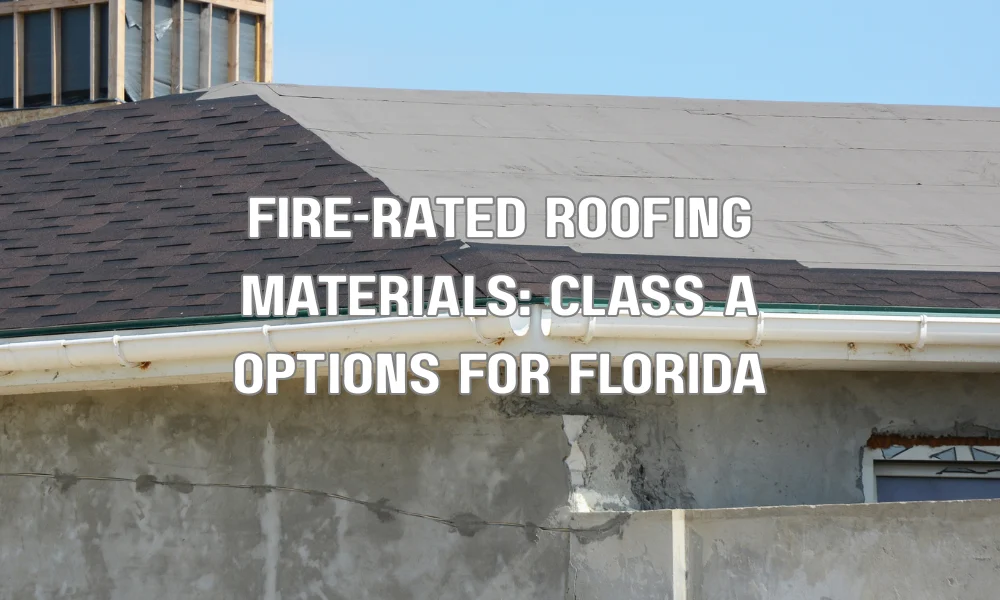
Executive Summary
- Class A fire-rated roofing is paramount for Florida homes, providing the highest level of protection against severe external fire exposure, crucial for safety and compliance.
- Florida’s unique susceptibility to wildfires and hurricane activity makes Class A materials, often inherently resilient, a non-negotiable standard for new construction and re-roofing projects.
- Understanding the distinctions between Class A asphalt shingles, metal, tile, and modified bitumen enables homeowners to select optimal solutions balancing fire safety with local environmental demands.
- Adhering strictly to Florida Building Codes (FBC) when installing Class A roofing ensures the system performs as designed, providing critical defense against ember ignition.
- Investing in certified Class A roofing enhances property value, offers peace of mind, and may lead to favorable insurance considerations in a high-risk state like Florida.
- Properly installed Class A roofs are tested to resist not only fire but also high winds, making them ideal for Florida’s dual challenges of fire and tropical storms.
Understanding Fire Ratings for Roofing
What do roofing fire ratings signify?
Roofing fire ratings classify a material’s resistance to external fire exposure, specifically its ability to prevent flame penetration to the attic and the spread of flames across the roof surface. These ratings, typically Class A, B, or C, are determined through rigorous testing protocols established by organizations like ASTM International. A Class A rating represents the highest level of fire resistance, meaning the material can withstand severe fire exposure for extended periods without igniting, allowing flame spread, or causing embers to penetrate the roof deck.
Why is Class A the highest standard?
Class A is considered the highest standard because materials with this rating undergo and pass the most stringent fire tests according to ASTM E108, “Standard Test Methods for Fire Tests of Roof Coverings.” These tests simulate severe conditions, including intermittent flame exposure, spread-of-flame tests, and burning brand tests that involve placing large, burning embers directly on the roof material. Only materials that demonstrate exceptional resistance to ignition, propagation of flames, and penetration by burning embers achieve this superior classification, offering maximum protection to a building’s occupants and contents.
Critical Fact 1: A Class A fire rating indicates that a roofing material can withstand severe external fire exposure for up to two hours without ignition, flame spread, or allowing fire penetration, offering the highest level of protection.
The Imperative of Class A Roofing in Florida
What makes Florida unique for roofing fire safety?
Florida’s unique geographical and climatic conditions make Class A fire-rated roofing not just beneficial, but often critical. The state’s extensive wildland-urban interface (WUI) zones, particularly in central and northern regions, increase the risk of wildfires spreading to residential properties. Furthermore, Florida’s hot, humid climate can dry out vegetation, making it more combustible, while high winds from hurricanes and tropical storms can carry embers over significant distances. These factors combine to create an elevated risk where fire resistance, coupled with robust wind resistance, becomes paramount for roofing systems.
How do Florida building codes address fire-rated roofing?
The Florida Building Code (FBC) is comprehensive in its requirements for construction, including roofing, to address the state’s specific environmental challenges. While the FBC doesn’t mandate Class A roofing statewide for all structures, it often requires specific fire ratings for roofs in designated wildland-urban interface areas or for certain commercial applications. Many local jurisdictions within Florida adopt more stringent requirements, effectively making Class A a de facto standard for new construction and major renovations to enhance community safety and resilience against fire risks. Homeowners should always consult their local building department for the exact requirements applicable to their property.
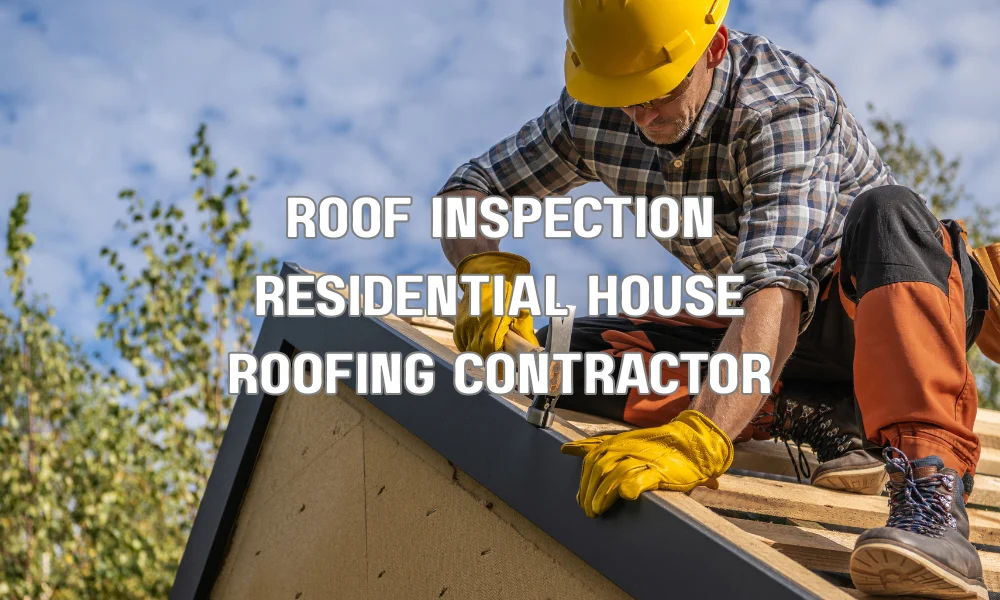
Top Class A Roofing Materials for Florida Homes
What Class A asphalt shingle options are available?
Class A asphalt shingles are a popular and cost-effective choice for Florida homeowners, primarily consisting of a fiberglass mat base coated with asphalt and topped with ceramic granules. The fiberglass mat provides dimensional stability, while the asphalt gives waterproofing, and the granules, often coated with reflective materials, offer UV protection and significant fire resistance. Most architectural or dimensional asphalt shingles readily achieve a Class A fire rating, making them a common and compliant option suitable for Florida’s residential market due to their excellent balance of durability, aesthetics, and fire protection.
Are metal roofs a good Class A choice for Florida?
Absolutely, metal roofs are an excellent Class A choice for Florida, offering inherent non-combustibility and superior resistance to wind uplift, a critical factor in hurricane-prone regions. Materials such as steel, aluminum, and copper naturally achieve a Class A fire rating without special treatments, as they do not ignite or support combustion. Beyond fire resistance, metal roofs are known for their longevity, energy efficiency (especially with cool roof coatings), and ability to withstand extreme weather, making them a robust and sustainable option for Florida homes.
How do tile roofs achieve a Class A fire rating?
Tile roofs, made from clay or concrete, inherently achieve a Class A fire rating due to the non-combustible nature of their materials. Clay tiles are fired at high temperatures, rendering them inert to flame, while concrete tiles are composed of cement, sand, and water, which are all non-flammable. These materials do not ignite, melt, or support combustion when exposed to fire, providing exceptional protection against external flame spread and ember penetration. Beyond their fire resistance, tile roofs are highly durable, resistant to rot and insect damage, and offer significant aesthetic appeal, though they are heavier and require a robust roof structure.
What about other Class A materials like modified bitumen?
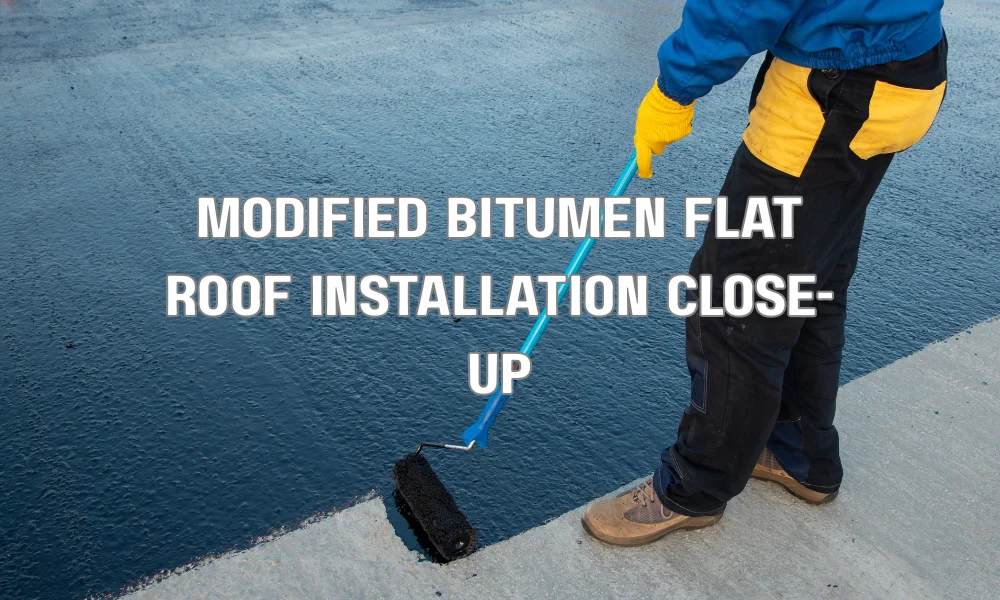
Modified bitumen roofing is primarily used for low-slope or flat roofs, often found on commercial buildings or specific residential architectural styles in Florida. This material achieves a Class A fire rating due to its robust, multi-layered construction, which includes a fiberglass or polyester mat reinforced with asphalt and modified with polymers (like APP or SBS). The surface is typically finished with granular surfacing or reflective coatings that further enhance its fire resistance and UV protection. While not as common for pitched residential roofs, modified bitumen offers a reliable, durable, and Class A compliant solution for appropriate applications.
Critical Fact 2: In Florida’s WUI zones, Class A roofing is not just a recommendation but often a mandatory requirement under local amendments to the Florida Building Code, directly impacting construction permits and property insurance.
Beyond Fire Resistance: Additional Benefits for Florida
How do Class A roofs enhance wind resistance in Florida?
Many Class A fire-rated roofing materials, by their very nature and required installation methods, also offer superior wind resistance, which is critical for Florida’s hurricane season. For instance, metal roofing systems are engineered to withstand extreme wind uplift forces through interlocking panels and secure fastening systems. Similarly, properly installed asphalt shingles with high adhesion ratings, as well as heavy concrete or clay tiles, are designed to remain intact during high winds. This dual protection against both fire and wind makes these materials highly advantageous for Florida homeowners seeking maximum resilience for their properties.
What is the typical lifespan and maintenance for Class A materials?
The typical lifespan of Class A roofing materials varies significantly, from 20-30 years for high-quality architectural asphalt shingles, to 30-70 years for metal roofs, and potentially 50-100+ years for clay or concrete tiles. Maintenance typically involves annual inspections to check for damaged or missing components, clearing debris from gutters, and ensuring proper drainage. For asphalt shingles, this might include checking for granule loss; for metal, inspecting fasteners and coatings; and for tiles, looking for cracks or dislodged pieces. Regular, proactive maintenance helps extend the life of any Class A roof and ensures its continued protective performance in Florida’s climate.
Installation, Costs, and Code Compliance
What are key installation considerations for Class A roofing in Florida?
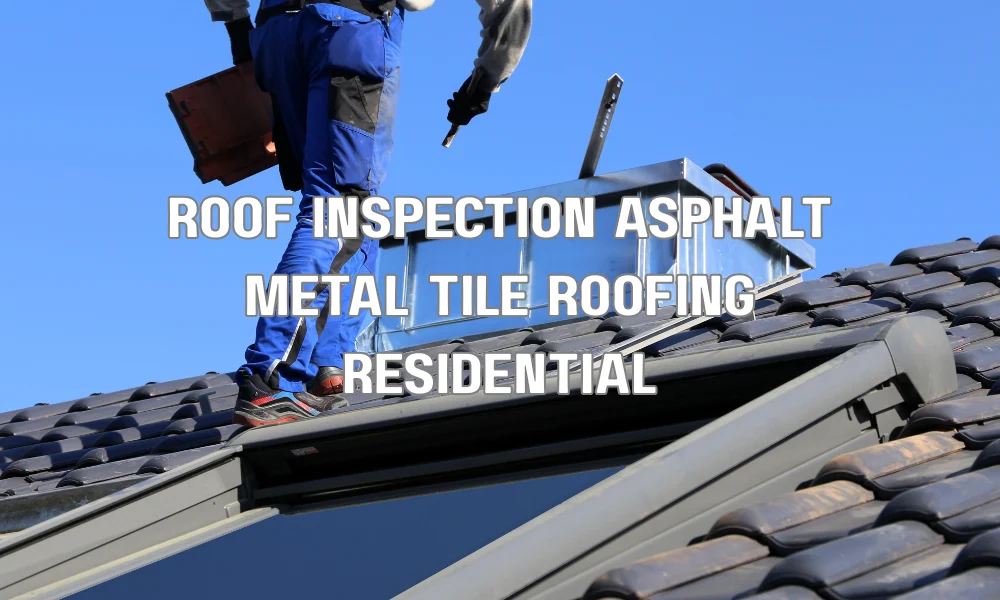
Key installation considerations for Class A roofing in Florida revolve around strict adherence to manufacturer specifications and local building codes, especially regarding high-wind resistance. This includes using appropriate underlayment that provides additional water and fire protection, proper fastening techniques to ensure the roof can withstand hurricane-force winds, and precise flashing around penetrations and valleys. Professional, licensed roofers experienced with Florida’s specific building codes are essential to guarantee that the Class A rating is achieved and maintained, and that the warranty remains valid. Incorrect installation can compromise both fire and wind resistance, leading to costly failures.
How do costs compare for different Class A roofing types?
The cost of Class A roofing materials in Florida can vary widely based on the material chosen, complexity of the roof, and installer. Asphalt shingles are generally the most affordable, followed by metal roofing, and then clay or concrete tiles, which represent a higher upfront investment but offer superior longevity and durability. The initial cost must be weighed against the lifespan, maintenance requirements, energy efficiency, and insurance benefits specific to each material. Below is a comparative overview:
| Material Type | Class A Fire Rating | Est. Lifespan (Years) | Est. Cost per Sq Ft (Installed) | Wind Resistance (MPH) |
|---|---|---|---|---|
| Architectural Asphalt Shingles | Yes (Common) | 20 – 30 | $4.00 – $7.50 | 110 – 130 |
| Standing Seam Metal | Yes (Inherent) | 30 – 70 | $9.00 – $18.00 | 130 – 180+ |
| Clay/Concrete Tiles | Yes (Inherent) | 50 – 100+ | $10.00 – $25.00 | 130 – 180+ |
| Modified Bitumen | Yes (Common) | 15 – 25 | $6.00 – $10.00 | 100 – 120 |
*Costs are estimates and can vary significantly based on location, contractor, roof complexity, and specific product.
Critical Fact 3: While the initial cost of Class A roofing might be higher for some materials, the long-term benefits, including enhanced safety, durability, potential insurance savings, and increased property value in Florida, often outweigh the upfront investment.
Frequently Asked Questions
What does a Class A fire rating mean for my roof?
A Class A fire rating signifies that your roofing material has passed the most rigorous fire tests, proving its ability to withstand severe external fire exposure. This means it can resist ignition, prevent flame spread, and block ember penetration for an extended period, offering maximum protection to your home.
Is Class A roofing mandatory in all parts of Florida?
While not universally mandatory across all of Florida, Class A roofing is often required in designated wildland-urban interface (WUI) zones and by many local municipalities for new construction and re-roofing projects due to the state’s wildfire risks. Always check local building codes for specific requirements.
Does Class A roofing increase home insurance premiums?
Investing in Class A fire-rated roofing can potentially lead to reduced home insurance premiums or make your property more insurable in Florida. Many insurance providers offer discounts for homes with enhanced fire resistance, recognizing the reduced risk of property damage.
Can existing roofs be upgraded to Class A?
Upgrading an existing roof to Class A typically involves a complete re-roofing project, as the fire rating is inherent to the materials themselves. Simply adding a top coating usually isn’t sufficient. Consult with a qualified roofing contractor to assess your options for a full upgrade.
How does Class A roofing perform against hurricanes?
Many Class A fire-rated roofing materials, particularly metal and tile, are also inherently resistant to high winds due to their robust construction and secure installation methods. This dual benefit makes them exceptionally well-suited for Florida’s combined risks of fire and hurricanes.
Are there aesthetic limitations with Class A materials?
No, Class A roofing materials come in a wide array of styles, colors, and textures. Modern asphalt shingles, metal roofs, and clay or concrete tiles offer significant design versatility, ensuring you can find a Class A option that complements your home’s aesthetic.
What is the average cost difference for Class A materials?
Class A materials vary in cost; asphalt shingles are generally the most budget-friendly, followed by metal roofing, and then clay or concrete tiles, which are a premium investment. The difference can range from a few dollars to over $15 per square foot installed, depending on the specific material and complexity.
How often should a Class A roof be inspected in Florida?
Regardless of its fire rating, any roof in Florida should be inspected annually, and especially after significant weather events like hurricanes or severe storms. Regular inspections help identify and address minor issues before they become major problems, ensuring the roof’s longevity and performance.
