
Executive Summary
- Selecting the correct roof type in Florida is paramount for maximizing solar panel efficiency and resilience against extreme weather conditions.
- Metal roofing offers superior longevity and hurricane resistance, making it an ideal, low-maintenance foundation for solar energy systems in the Sunshine State.
- Asphalt shingle roofs are a common, cost-effective choice for solar installations, but their shorter lifespan necessitates careful planning for re-roofing cycles.
- Tile roofs provide durability and aesthetic appeal, yet require specialized, often more complex and costly, solar mounting techniques to prevent damage and ensure stability.
- Thorough roof inspection for age, structural integrity, and local building codes is critical before any solar installation to prevent future complications and costly repairs.
- Optimizing roof pitch and orientation ensures panels capture maximum sunlight, significantly boosting energy production and overall financial returns on your solar investment.
- Investing in a high-quality, solar-ready roof mitigates risks associated with Florida’s unique climate, securing your energy independence and enhancing home value for decades.
Understanding Florida’s Unique Challenges for Solar Roofing
What makes Florida a unique environment for solar roofs?
Florida presents a distinctive set of environmental challenges that profoundly influence the suitability and longevity of roof types for solar panel installations. The state’s notorious combination of intense UV radiation, high humidity, frequent heavy rainfall, and the constant threat of hurricanes and tropical storms demands roofing materials and installation methods that are exceptionally durable and resilient. These factors accelerate material degradation, increase the risk of water intrusion, and necessitate stringent structural reinforcement for solar arrays.
Critical Fact 1: Florida’s building codes for solar panel installations are among the most stringent in the nation, primarily due to hurricane susceptibility, requiring enhanced structural integrity and specialized mounting hardware for all roof-mounted systems.
Beyond the weather, Florida’s diverse architectural styles, from Mediterranean barrel tile to contemporary flat roofs, introduce further complexities in integrating solar technology seamlessly and efficiently. Homeowners must consider not only the roof’s capacity to support the panels but also its ability to withstand prolonged exposure to saltwater air in coastal regions, which can corrode less robust materials. Selecting the right roof type is not just about mounting panels; it’s about creating a harmonious, long-lasting energy system resilient to Florida’s demanding climate.
Top Roof Types for Solar Panel Installation in Florida
Is asphalt shingle roofing suitable for solar in Florida?
Yes, asphalt shingle roofing is generally suitable for solar panel installation in Florida, primarily because it is the most common and often the most affordable roofing material. Its widespread use means installers are highly familiar with working on it, making solar panel integration relatively straightforward using conventional racking systems that penetrate the shingles. However, the suitability largely depends on the age and condition of the existing shingle roof. A roof approaching the end of its typical 15-25 year lifespan will likely require replacement before solar installation to avoid the costly process of removing and reinstalling panels during a future re-roofing project. While shingles offer decent wind resistance when properly installed, their granular surface can experience faster degradation under Florida’s intense UV rays and high heat compared to other materials.
How do metal roofs perform with solar panels in Florida’s climate?
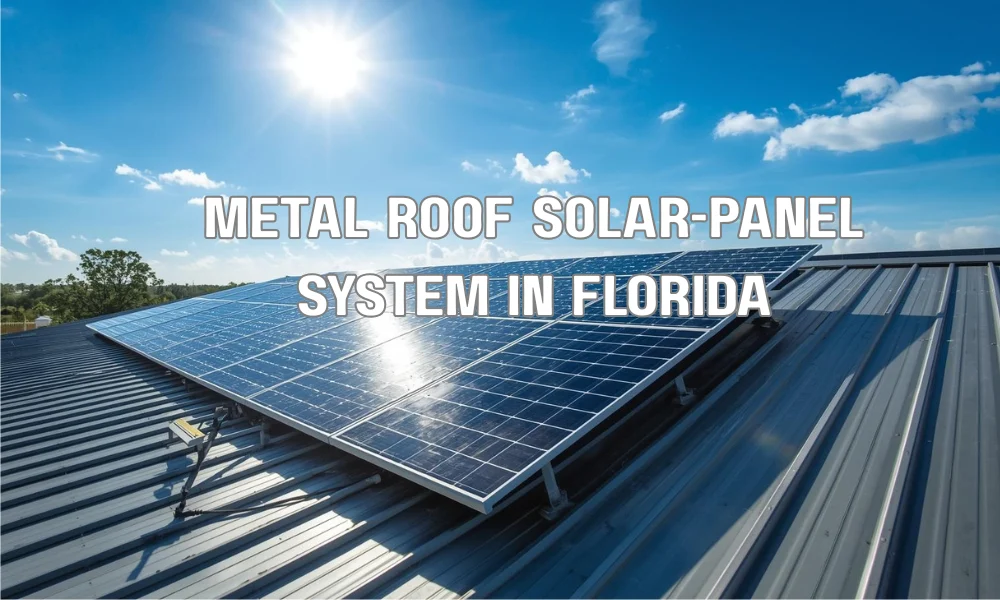
Metal roofs, particularly standing seam metal roofs, perform exceptionally well with solar panels in Florida’s climate and are often considered one of the best choices. Their inherent durability, long lifespan (50+ years), and superior resistance to high winds, hail, and fire make them incredibly resilient against Florida’s harsh weather conditions. Crucially, solar panels on metal roofs can often be installed using clamp-on systems that attach directly to the seams, avoiding roof penetrations entirely. This significantly reduces the risk of leaks and preserves the roof’s integrity, extending both the roof’s and the solar system’s lifespan. While the upfront cost of a metal roof is higher, its longevity and low maintenance, combined with seamless solar integration, often lead to a greater long-term return on investment, especially when paired with a 25-30 year solar warranty.
Are tile roofs a good option for solar in Florida?
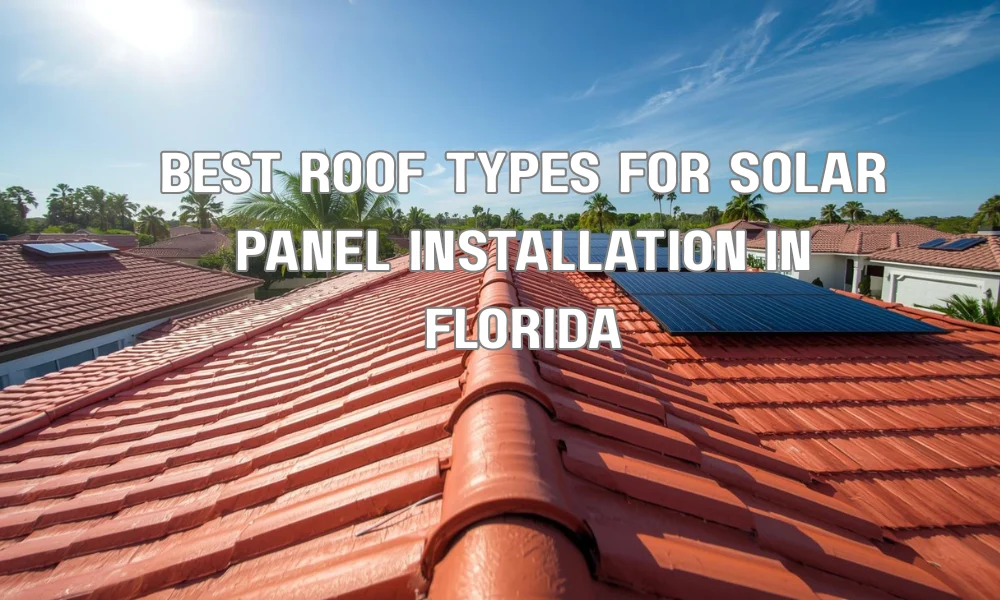
Tile roofs, including concrete and clay varieties, can be a good option for solar panel installation in Florida, offering excellent durability, aesthetic appeal, and a long lifespan of 50 years or more. These roofs are highly resistant to fire, rot, and insects, and generally perform well against high winds, making them a robust choice for Florida’s climate. However, installing solar panels on tile roofs is typically more complex and labor-intensive than on shingle or metal roofs. Specialized mounting systems are required to lift and secure the panels without damaging the fragile tiles. Installers must carefully remove and replace individual tiles or use custom flashing to penetrate the underlayment, which can increase installation costs and time. Proper flashing and sealing are paramount to prevent leaks, and homeowners should ensure their installer has extensive experience with tile roof solar installations.
What about flat roofs for solar arrays?
Flat roofs, commonly found on commercial buildings but also on some residential properties in Florida, offer excellent potential for solar panel installation due to their large, unobstructed surface area. Unlike sloped roofs, flat roofs allow for optimal panel angling (tilt) using ballasted racking systems or penetrating mounts, which can be adjusted to maximize solar capture throughout the day and year. Ballasted systems reduce the need for roof penetrations, minimizing leak risks, but require careful calculation of weight distribution. Penetrating systems provide greater stability in high winds but necessitate meticulous flashing and sealing. Common flat roof materials like TPO, EPDM, or modified bitumen are generally robust, but their condition and warranty must be carefully assessed before installation. Proper drainage and waterproofing layers are crucial to ensure the roof can handle the additional load and remains watertight under the solar array.
Critical Considerations Before Solar Installation
What is the best way to assess my roof’s readiness for solar?
The best way to assess your roof’s readiness for solar involves a comprehensive evaluation by a qualified solar installer and a licensed roofing professional. This assessment should thoroughly examine the roof’s current condition, including its age, material integrity, and any signs of wear, damage, or leaks. Structural engineers often perform an inspection to confirm the roof can safely bear the additional weight of solar panels and withstand Florida’s hurricane-force winds, ensuring compliance with local building codes. Furthermore, a detailed shading analysis is crucial to identify any obstructions (trees, chimneys, adjacent buildings) that could reduce panel efficiency. Understanding your home’s energy consumption patterns and future plans for the property also helps determine the optimal system size and panel placement for maximum long-term benefit.
Critical Fact 2: A roof replacement or major repair should ideally be completed *before* solar panel installation to avoid the significant added cost of temporarily removing and reinstalling panels for future roofing work.
How does hurricane preparedness impact solar roof choices?
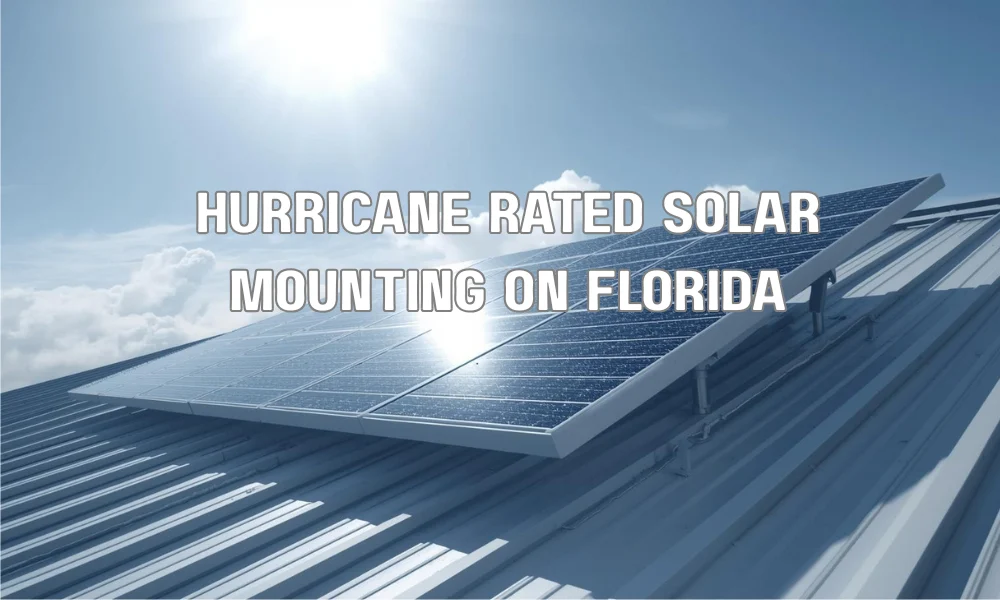
Hurricane preparedness profoundly impacts solar roof choices in Florida, as both the roof itself and the solar array must meet stringent wind load requirements. Building codes mandate specific fastening techniques and hardware designed to withstand hurricane-force winds, ensuring panels do not become dangerous projectiles. Roof types like metal and concrete tile, which inherently offer superior wind resistance, provide a more robust foundation for solar arrays. For asphalt shingle roofs, installers must use enhanced flashing and sealing methods, often exceeding standard practices. Homeowners should always verify that their chosen solar installer uses hurricane-rated mounting systems and follows all local wind mitigation codes, which might include additional strapping or anchoring. Proper permitting and inspections are essential to confirm compliance and ensure insurability against storm damage.
Comparative Analysis of Florida Roof Types for Solar
Choosing the optimal roof type for solar in Florida involves balancing upfront costs, long-term durability, and installation complexity. This table provides a quick comparison of common roofing materials:
| Roof Type | Typical Lifespan (Years) | Avg. Cost/Sq. Ft. (Installed) | Hurricane Resistance | Solar Integration Ease |
|---|---|---|---|---|
| Asphalt Shingle | 15-25 | $4.00 – $7.00 | Good (varies by grade) | Easy (penetrating mounts) |
| Metal (Standing Seam) | 40-70+ | $9.00 – $18.00 | Excellent | Very Easy (clamp-on, no penetrations) |
| Tile (Concrete/Clay) | 50-100+ | $8.00 – $20.00 | Excellent | Moderate-Complex (specialized mounts) |
| Flat (TPO/Modified Bitumen) | 15-30 | $6.00 – $12.00 | Good (ballasted or penetrating) | Easy (optimal tilt, ballasted options) |
Long-Term Maintenance and ROI
What are the long-term cost benefits of solar on optimal roof types?
The long-term cost benefits of installing solar panels on optimal roof types in Florida are substantial, extending far beyond immediate energy savings. Primarily, homeowners experience dramatically reduced or eliminated electricity bills, providing insulation from rising utility costs over decades. An efficiently installed solar system on a durable, solar-ready roof significantly increases a home’s market value, often recovering the initial investment and then some. Furthermore, federal tax credits (like the Investment Tax Credit) and various state or local incentives can offset a significant portion of the installation cost. A robust roof type, such as metal or concrete tile, minimizes the risk of costly roof repairs or replacements under the solar array, preserving the system’s efficiency and longevity. This synergy between a resilient roof and a high-performing solar array ensures a superior return on investment through consistent energy production and reduced maintenance for 25-30 years or more.
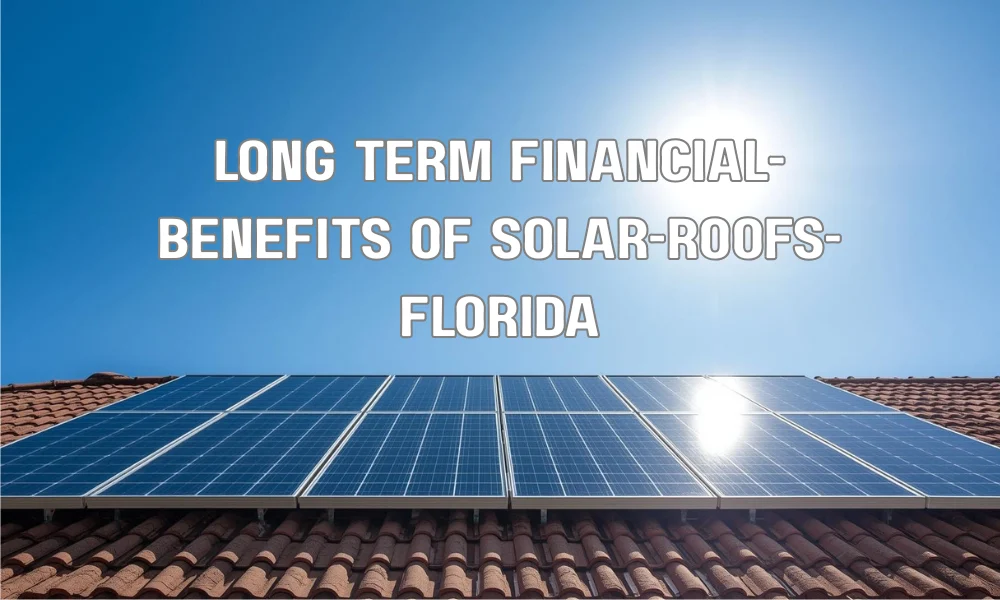
Critical Fact 3: Pairing a solar array with a high-quality, long-lifespan roof (e.g., metal or tile) dramatically enhances the overall return on investment by eliminating the need for expensive solar panel removal and reinstallation during future roof replacements.
Frequently Asked Questions
Do solar panels void my roof warranty in Florida?
No, properly installed solar panels should not void your roof warranty in Florida. Reputable solar installers use methods that comply with roof manufacturers’ specifications. Always confirm with your roofing manufacturer and solar installer that their installation methods meet warranty requirements, especially for penetrations.
How do I ensure my roof is strong enough for solar panels?
A licensed structural engineer or qualified solar professional will conduct a thorough assessment of your roof’s structural integrity. They will determine if your roof can safely support the additional weight of the panels and withstand Florida’s specific wind load requirements.
What permits are needed for solar installation in Florida?
Permits are mandatory for solar installations in Florida. These typically include building permits, electrical permits, and often separate permits for hurricane-related structural modifications. Your solar installer should handle all necessary permitting processes.
Will solar panels protect my roof from further damage?
Solar panels can offer a degree of protection to the portions of the roof they cover, shielding them from direct UV exposure, hail, and some debris. However, they do not inherently protect the entire roof structure or negate the need for a robust underlying roof.
Can I install solar panels on an older roof?
It is generally not recommended to install solar panels on a roof nearing the end of its lifespan. It’s more cost-effective to replace the roof beforehand, as removing and reinstalling panels for a future re-roofing project can be very expensive.
What is the typical lifespan of solar panels in Florida’s climate?
Modern solar panels are designed to last 25-30 years or even longer, with performance warranties guaranteeing a certain output for this duration. While Florida’s intense sun can be harsh, quality panels are built to withstand these conditions.
Are there financing options available for solar and roof upgrades?
Yes, various financing options exist, including PACE programs, FHA loans, home equity loans, and solar-specific leases or power purchase agreements (PPAs) that can often cover both the solar installation and necessary roof upgrades.
How often do solar panels need cleaning in Florida?
While Florida’s frequent rains often help keep panels relatively clean, occasional professional cleaning (every 6-12 months) might be beneficial, especially if pollen, dust, or bird droppings accumulate and impact efficiency.
