
Executive Summary
- Florida’s High-Velocity Hurricane Zones (HVHZ) mandate rigorous roofing standards to protect structures against extreme wind forces during hurricanes.
- Compliance with HVHZ codes is crucial for property safety, longevity, and to ensure insurability against severe weather damage.
- Roofing materials, installation methods, and attachment techniques must meet specific HVHZ criteria for uplift resistance and integrity.
- Rigorous permitting, inspections, and certified professional installation are indispensable for achieving and verifying HVHZ code adherence.
- Investing in HVHZ-compliant roofing significantly reduces repair costs, enhances property value, and offers homeowners peace of mind.
- The HVHZ regulations, primarily driven by Florida Building Code, continuously evolve to integrate the latest in storm resilience technology and data.
- Understanding HVHZ requirements empowers property owners to make informed decisions for robust, storm-resistant roofing systems.
Understanding High-Velocity Hurricane Zones
What defines a High-Velocity Hurricane Zone in Florida?
A High-Velocity Hurricane Zone (HVHZ) in Florida designates specific coastal regions, primarily Miami-Dade and Broward counties, that are subject to more stringent building code requirements due to their extreme vulnerability to hurricane-force winds. These zones are defined by the Florida Building Code (FBC) to ensure structures can withstand sustained wind speeds often exceeding 130 mph. The enhanced regulations apply to all aspects of construction, but are particularly critical for roofing systems, which are the first line of defense against storm damage.
Critical Fact 1: Florida’s HVHZ encompass Miami-Dade and Broward counties, mandating the nation’s most rigorous building codes to combat catastrophic hurricane damage.
The designation of HVHZ areas is a direct response to historical hurricane devastation, prompting a legislative commitment to superior structural integrity. This localized approach recognizes the unique meteorological patterns and geographical exposure of these regions. Property owners within HVHZ must adhere to these elevated standards for any new construction, renovation, or roof replacement project.
Why are HVHZ requirements more stringent than standard Florida Building Codes?
HVHZ requirements are significantly more stringent than standard Florida Building Codes because they are specifically tailored to address the exceptional wind pressures and potential for catastrophic damage in areas with the highest risk of direct hurricane impacts. While the FBC applies statewide, the HVHZ provisions introduce additional layers of safety and durability, particularly concerning roof systems’ ability to resist extreme uplift, impact, and water intrusion. These heightened standards include more rigorous material testing protocols, enhanced fastening schedules, and stricter structural design criteria. The goal is to prevent widespread structural failures, reduce property losses, and safeguard lives when faced with a major hurricane event.
The legislative intent behind these amplified standards is rooted in post-Hurricane Andrew reforms, which underscored the inadequacy of previous building codes. Consequently, HVHZ codes demand higher performance ratings for components like roof coverings, sheathing, and secondary water barriers, ensuring a holistic approach to storm resilience. This robust framework results in buildings that are demonstrably more capable of enduring powerful storms, thereby minimizing repair costs and ensuring quicker recovery times for communities.
Core HVHZ Roofing Requirements
Which specific roofing components are regulated under HVHZ?
Under HVHZ regulations, virtually every component of a roofing system is subject to specific, enhanced requirements to ensure maximum resilience against hurricane-force winds and water intrusion. This includes, but is not limited to, the roof deck attachment, underlayment, secondary water barrier, and the final roof covering material itself. The FBC specifies detailed fastening schedules for roof sheathing, dictating nail type, length, and spacing to prevent uplift. Underlayments must be self-adhering or mechanically fastened with high-performance properties, often requiring multiple layers or specialized materials to form a robust secondary water barrier. The roof covering (shingles, tiles, metal panels) must have specific wind resistance ratings, often tested to withstand pressures significantly higher than those in non-HVHZ areas.
These requirements extend to perimeter edge detailing, flashing, and vents, ensuring that all potential points of weakness are reinforced. For example, drip edges and fascia systems must be securely fastened to resist tearing away under extreme wind loads, preventing water from infiltrating the roof system from the edges. Additionally, all components used must be approved for use in HVHZ and bear appropriate product approvals, indicating they have passed rigorous independent testing for impact, wind uplift, and fire resistance.
How do HVHZ requirements impact material selection?
HVHZ requirements significantly impact material selection by mandating that all roofing products used within these zones meet stringent performance criteria, often exceeding those for standard building codes. This means only materials with specific product approvals, demonstrating high wind uplift resistance, impact resistance, and durability, can be utilized. For example, asphalt shingles must often be rated for higher wind speeds (e.g., 130 mph) and may require specialized adhesive strips and nail patterns for enhanced attachment. Metal roofing systems must meet rigorous panel gauge, fastener type, and seam connection standards to prevent separation.
Concrete and clay tiles, while naturally robust, must be individually fastened with approved methods (e.g., foam adhesive or mechanical fasteners) to prevent individual tiles from becoming dangerous projectiles during a storm. The underlayment beneath these materials is also critical; self-adhering modified bitumen membranes or highly durable synthetic underlayments are frequently specified to create a robust secondary water barrier, protecting the interior even if the primary roof covering is compromised. This focus on high-performance materials and secure installation is central to ensuring a resilient roofing system capable of withstanding the extreme conditions prevalent in HVHZ areas.
Critical Fact 2: All roofing materials utilized in HVHZ areas must carry specific Florida Product Approvals, signifying they have undergone rigorous, state-mandated testing for extreme wind and impact resistance.
Here’s a comparison of common HVHZ-approved roofing materials:
| Material Type | Typical Wind Rating (HVHZ Approved) | Key HVHZ Requirement | Pros | Cons |
|---|---|---|---|---|
| Architectural Shingles | Up to 130 mph | 6-nail application pattern, specialized adhesives, enhanced underlayment | Cost-effective, wide color/style range, good impact resistance | Shorter lifespan than metal/tile, prone to granule loss |
| Metal Roofing (Standing Seam) | 150 mph+ | Specific panel gauges, concealed fastener systems, robust clip attachments | Exceptional durability, long lifespan, energy efficient | Higher initial cost, noisy during heavy rain/hail |
| Concrete/Clay Tile | 150 mph+ | Individual mechanical fastening or foam adhesive, robust underlayment | Very long lifespan, excellent aesthetic, good insulation properties | Heavy (requires stronger deck), prone to breakage from impacts |
| Modified Bitumen (Low Slope) | 150 mph+ | Multi-ply systems, fully adhered or mechanically fastened, reinforced seams | Durable, flexible, good for low-slope applications, excellent waterproofing | Dark colors absorb heat, less aesthetically diverse |
Compliance and Installation
What is the importance of proper permitting and inspections?
Proper permitting and rigorous inspections are paramount in HVHZ areas because they serve as the official mechanisms to ensure that all roofing work strictly adheres to the enhanced Florida Building Code standards. A permit legally authorizes the construction work and triggers a series of mandatory inspections at various stages, from the initial roof deck attachment to the final roof covering installation. These inspections are conducted by qualified building officials who verify that correct materials are used, fastening schedules are met, and the entire system is installed according to the approved plans and HVHZ requirements.
Without proper permitting and subsequent inspections, a roof replacement or repair, even if performed with seemingly HVHZ-compliant materials, may not actually meet the code. This can lead to serious consequences, including invalidation of homeowner’s insurance claims in the event of storm damage, difficulties when selling the property, and the potential for costly remedial work or fines. Furthermore, the permit process ensures that licensed and insured contractors are performing the work, adding an extra layer of consumer protection.
How does professional installation ensure HVHZ compliance?
Professional installation is critical for ensuring HVHZ compliance because the complexity and precision required by these stringent codes demand specialized expertise, training, and strict adherence to manufacturer specifications and FBC guidelines. Experienced HVHZ-certified roofing contractors possess an in-depth understanding of the unique fastening patterns, material layering, and perimeter detailing necessary to achieve maximum wind uplift resistance. They are familiar with the specific product approval numbers and installation instructions for HVHZ-approved materials, ensuring that every component, from the initial deck attachment to the final cap, is installed correctly.
Amateur or inexperienced installers might inadvertently miss critical steps, such as using the wrong fasteners, improper spacing, or insufficient adhesive application, which can severely compromise the roof’s ability to withstand hurricane forces. Professional contractors also have the necessary tools and safety equipment, maintain appropriate licensing and insurance, and are adept at navigating the permitting and inspection processes. Their expertise not only guarantees compliance but also ensures the roof performs as designed, providing the intended level of protection and longevity for the property owner.
Long-Term Benefits and Future Outlook
What are the long-term benefits of HVHZ-compliant roofing?
The long-term benefits of HVHZ-compliant roofing are substantial, encompassing enhanced safety, significant financial savings, and increased property value. Most importantly, a properly installed HVHZ-compliant roof offers superior protection for occupants and the building structure during severe weather events, drastically reducing the risk of structural damage and personal injury. Financially, property owners benefit from lower insurance premiums, as insurers often offer discounts for homes with upgraded, storm-resistant roofs. Additionally, should a storm occur, the likelihood of extensive damage is reduced, leading to fewer costly repairs and potentially faster recovery times.
Furthermore, an HVHZ-compliant roof contributes to the overall longevity of the home, as it is built to withstand extreme environmental stresses, prolonging the lifespan of the entire structure. This robust construction also adds considerable value to the property, serving as a major selling point in a hurricane-prone region. It provides peace of mind for homeowners, knowing their investment is well-protected against Florida’s unpredictable weather, contributing to greater security and stability.
How might HVHZ regulations evolve in the future?
HVHZ regulations are likely to evolve in the future as climate science advances, building material technology improves, and new lessons are learned from subsequent hurricane seasons. We can anticipate continued refinements in wind load calculations, potentially leading to even higher performance standards for specific regions or building types. There will likely be an increased emphasis on sustainable and resilient materials, incorporating green building practices alongside storm hardening. This could include requirements for more energy-efficient roofing systems that also meet HVHZ wind resistance.
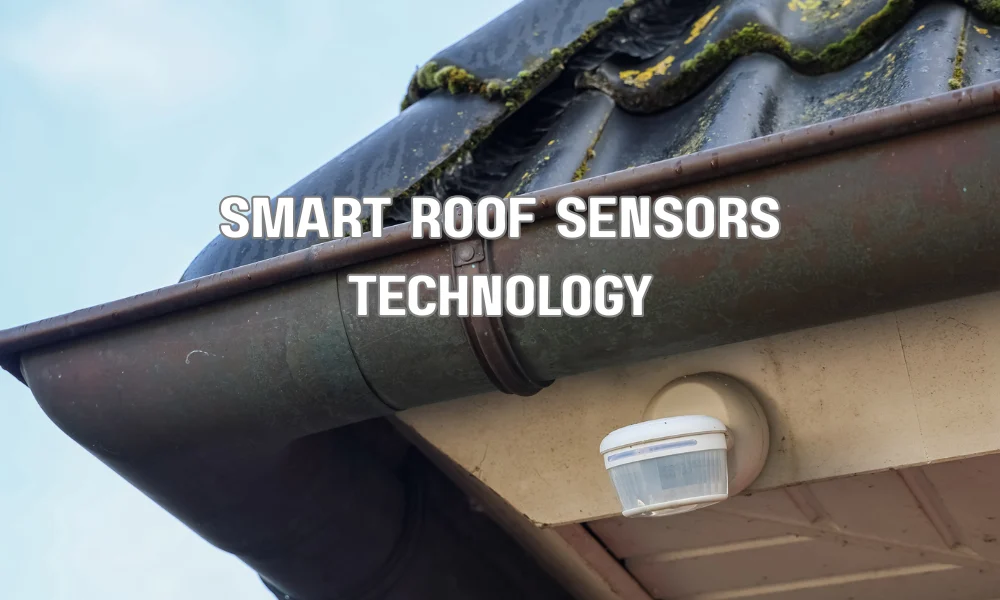
Future updates may also leverage advanced data analytics and predictive modeling to fine-tune material specifications and installation techniques, ensuring they are precisely matched to evolving meteorological threats. The integration of smart building technologies, such as sensors that monitor roof integrity, could also become a part of future compliance. The overarching trend will likely be towards holistic resilience, where HVHZ roofing is not just about wind resistance, but also about broader environmental sustainability and adaptive capacity in the face of climate change.
Critical Fact 3: HVHZ regulations are continually updated every three years as part of the Florida Building Code cycle, incorporating the latest advancements in engineering, materials, and climate science to enhance storm resilience.
Frequently Asked Questions
What is the primary purpose of HVHZ roofing requirements?
The primary purpose of HVHZ roofing requirements is to enhance the structural integrity and resilience of buildings in Florida’s most hurricane-prone areas, specifically Miami-Dade and Broward counties. These regulations aim to minimize property damage, reduce financial losses, and protect lives during severe wind events.
Do HVHZ requirements apply to all of Florida?
No, HVHZ requirements specifically apply to Miami-Dade and Broward counties. While the entire state adheres to the Florida Building Code, HVHZ areas have additional, more stringent standards for construction, particularly for roofing, due to their higher risk of direct hurricane impacts.
How do I know if my current roof meets HVHZ standards?
To determine if your current roof meets HVHZ standards, you can review your home’s original building permits and inspection reports, or consult with a licensed HVHZ-certified roofing contractor. They can inspect your roof, evaluate its components, and check for Florida Product Approval numbers on installed materials.
What is a secondary water barrier, and why is it important in HVHZ?
A secondary water barrier (SWB) is an additional layer of protection beneath the primary roof covering, often a self-adhering membrane. It is crucial in HVHZ areas because it prevents water intrusion into the building envelope even if the main roof covering is compromised by high winds or debris, significantly reducing interior damage.
Can I use any roofing contractor for an HVHZ roof replacement?
It is highly recommended to use a licensed and HVHZ-certified roofing contractor for any work in these zones. These professionals have specialized knowledge of the stringent codes, installation techniques, and required product approvals, ensuring your roof meets all compliance standards.
Are HVHZ-compliant roofs more expensive?
Yes, HVHZ-compliant roofs typically have a higher upfront cost due to the use of higher-performance materials, more labor-intensive installation methods, and stricter inspection requirements. However, this investment often pays off through lower insurance premiums, reduced repair costs after storms, and increased property value.
What happens if my roof isn’t HVHZ compliant after a storm?
If your roof is found not to be HVHZ compliant after a storm, your homeowner’s insurance claim may be denied or significantly reduced. You could also face legal issues, fines, and be required to bring the roof up to code at your own expense, incurring significant unbudgeted costs.
Where can I find the official HVHZ roofing requirements?
Official HVHZ roofing requirements are detailed within the Florida Building Code (FBC), particularly in Chapter 15 (Roof Assemblies and Rooftop Structures) and sections pertaining to HVHZ specific amendments. The Florida Department of Business and Professional Regulation (DBPR) website is a primary resource.
