Executive Summary
- Thoroughly documenting roof damage immediately after an incident is paramount for a successful insurance claim, ensuring all losses are accurately represented.
- Capture high-resolution photographs and videos from multiple angles, including wide shots, close-ups, and comparative views, timestamping everything for credibility.
- A detailed written log of observations, specific dates of damage, and affected areas complements visual evidence, forming a robust claim foundation.
- Obtain at least two professional, itemized contractor estimates before any repairs, as these provide crucial validation of the damage and repair costs to your insurer.
- Understand your insurance policy’s specifics regarding roof damage, including deductibles and coverage limits, to proactively manage expectations and avoid disputes.
- Engage a licensed, reputable roofing contractor for an expert damage assessment; their professional report can significantly bolster your claim’s legitimacy.
- Maintain meticulous records of all communications, paperwork, and submissions throughout the insurance claim process to protect your interests and expedite resolution.
Understanding Roof Damage & Insurance Claims
The integrity of your roof is vital for protecting your home and its contents. When damage occurs, especially from unforeseen events, knowing how to navigate the insurance claim process is crucial. Proper documentation serves as the backbone of a successful claim, transforming anecdotal observations into undeniable evidence.
Critical Fact 1: Over 80% of denied or underpaid roof damage insurance claims are directly attributable to insufficient or poorly organized initial documentation.
What constitutes insurable roof damage?
Insurable roof damage typically includes destruction caused by sudden, accidental events as defined within your homeowner’s policy. This commonly encompasses damage from perils such as hail, strong winds, fallen trees or debris, fire, and lightning. However, general wear and tear, neglect, or issues stemming from faulty construction are usually excluded. It’s essential to review your specific policy to understand what perils are covered and what exclusions may apply to your roof.
Why is proper documentation critical for your claim?
Proper documentation is critical for your claim because it provides concrete evidence of the damage, establishing its cause, extent, and severity to the insurance company. Without thorough records—including photos, videos, and detailed reports—your claim can be delayed, undervalued, or even denied. Comprehensive documentation removes ambiguity, streamlines the adjuster’s assessment, and strengthens your position during negotiations, ensuring you receive fair compensation for all covered losses.
Step-by-Step Documentation Guide
Once your roof has sustained damage, a systematic approach to documentation is key to a smooth and successful insurance claim. Safety should always be your top priority during this process.
How should I begin documenting initial roof damage?
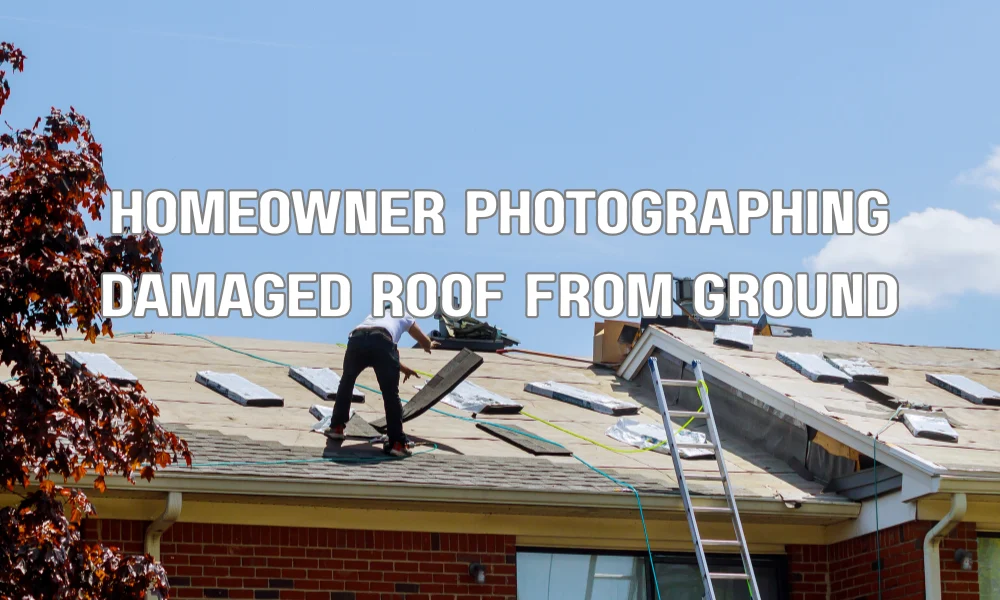
You should begin documenting initial roof damage by prioritizing safety, observing from a safe distance, and then taking immediate, comprehensive visual records of the affected areas. Start by assessing the damage from the ground; do not climb onto a damaged roof yourself. Use a camera or smartphone to capture a series of photographs and videos that provide a clear, timestamped record of the situation immediately following the incident. This initial capture prevents further deterioration from obscuring the original damage.
What specific details should be captured in photographs and videos?
In photographs and videos, you should capture specific details including wide shots showing the entire property and roof, medium shots highlighting damaged sections, and extreme close-ups of individual points of impact or wear. Ensure each image and video clip is date-stamped, providing context to the damage. Include objects for scale, such as a ruler or a coin, next to specific damage points like hail dents or missing shingles. Document water intrusion points, interior ceiling damage, and any detached gutters or vents resulting from the roof incident.
Critical Fact 2: Digital timestamps on photos and videos are crucial for establishing the timeline of damage, which insurers often scrutinize to verify claims.
How do I compile a comprehensive damage report?
To compile a comprehensive damage report, you should create a detailed written log that complements your visual evidence, outlining every observed issue systematically. This report should include the exact date and time the damage occurred, the type of weather event or incident, and a descriptive account of each damaged area. Include specific details like the number of missing shingles, size of punctures, or location of leaks, cross-referencing these points with your photographic and video evidence. Maintain a chronological record of all communications with contractors and the insurance company within this report.
| Documentation Item | Description / Purpose | Importance |
|---|---|---|
| Date/Timestamped Photos | Capture wide, medium, and close-up shots of all damage points immediately post-incident. | Primary visual evidence, establishes timeline. |
| Date/Timestamped Videos | Walk-through footage of roof and interior damage, narrating observations. | Contextualizes damage, shows scale and impact comprehensively. |
| Written Damage Log | Detailed description of damage, location, and presumed cause, cross-referenced with visuals. | Supports visual evidence with specific details, aids adjuster’s report. |
| Professional Contractor Estimates | Itemized quotes from licensed roofers for repair/replacement. | Validates damage scope and estimated costs. |
| Policy Documents | Copy of your homeowner’s insurance policy, declarations page. | Outlines coverage, deductibles, and claim procedures. |
| Communication Log | Record of all calls, emails, and meetings with insurance company/adjuster. | Ensures accountability and provides a reference for follow-ups. |
Navigating the Insurance Process
Once you have meticulously documented your roof damage, the next phase involves actively engaging with your insurance company. This stage requires clear communication, understanding your policy, and potentially leveraging professional assessments.

What is the role of a professional roof inspection?
The role of a professional roof inspection is to provide an expert, unbiased assessment of the damage, identifying issues that might not be obvious to the untrained eye. A licensed roofing contractor can accurately diagnose the cause, extent, and severity of damage, distinguishing between pre-existing wear and new, insurable damage. Their detailed report, often including measurements and specific repair recommendations with cost estimates, serves as powerful corroborating evidence for your claim, lending credibility to your documentation.
How can I effectively communicate with my insurance adjuster?
You can effectively communicate with your insurance adjuster by remaining organized, prompt, and factual throughout the entire claim process. Provide them with your complete, well-organized documentation package, including all photos, videos, your detailed damage report, and initial contractor estimates. Respond to their inquiries promptly, clearly, and concisely, avoiding emotional language. Keep a meticulous log of all communications, including dates, times, names, and summaries of discussions, ensuring you have a record of every interaction and agreement made. This methodical approach ensures clarity and accountability.
Common Pitfalls and Best Practices
While documenting roof damage for an insurance claim can seem daunting, being aware of common mistakes and adhering to best practices can significantly enhance your chances of a fair and swift resolution.

What are common mistakes to avoid during the claim process?
Common mistakes to avoid during the claim process include delaying the reporting of damage, making temporary or permanent repairs before the adjuster has inspected the roof, and failing to provide comprehensive documentation. Additionally, accepting the first offer without thoroughly reviewing it, discarding damaged materials prematurely, or neglecting to read and understand your insurance policy are significant pitfalls. Not keeping detailed records of communication with the insurance company can also lead to misunderstandings or disputes later.
What best practices ensure a smooth insurance claim?
Best practices that ensure a smooth insurance claim involve proactive engagement, meticulous record-keeping, and professional consultation. Start by thoroughly documenting all damage immediately after it occurs, utilizing high-quality visuals and detailed written reports. Promptly notify your insurance company of the damage and be completely transparent, but only provide factual information. Obtain multiple, itemized estimates from reputable, licensed roofing contractors for repairs. Consistently review your insurance policy to understand your coverage limits and responsibilities, and maintain a comprehensive log of all communications, ensuring a streamlined and well-supported claim.
Critical Fact 3: Failing to secure your property from further damage after an incident, even before an adjuster arrives, can result in claim denial for any subsequent losses.
Frequently Asked Questions
Can I start repairs before my insurance adjuster inspects the roof?
No, it is strongly advised not to begin permanent repairs before your insurance adjuster has conducted their inspection. Making repairs can inadvertently remove critical evidence needed to assess the full extent and cause of the damage, potentially jeopardizing your claim. You may perform temporary, emergency repairs to prevent further damage, but document these thoroughly with photos and receipts.
How long do I have to file a roof damage insurance claim?
The timeframe for filing a roof damage insurance claim varies depending on your specific policy and state regulations, but it is typically between 30 days and one year from the date of loss. Always review your insurance policy for the exact deadlines and report damage as soon as safely possible to avoid any issues.
Should I get multiple repair estimates for my roof?
Yes, obtaining multiple, detailed repair estimates from at least two reputable, licensed roofing contractors is highly recommended. These estimates provide an independent validation of the damage scope and associated repair costs, which can be invaluable when negotiating with your insurance company to ensure a fair settlement.
What if my insurance claim is denied or the offer is too low?
If your insurance claim is denied or the offer is too low, you have the right to appeal the decision. First, request a detailed explanation for the denial. Then, gather additional supporting documentation, such as another professional contractor’s report or appraisal. You may also consider consulting with a public adjuster or an attorney specializing in insurance claims.
Does my insurance cover temporary roof repairs?
Most homeowner’s insurance policies cover the cost of reasonable temporary repairs necessary to prevent further damage to your home after a covered peril. Always keep detailed records, including photos before and after temporary repairs, and all receipts for materials and labor, as these costs are typically reimbursable.
Will filing a roof damage claim increase my insurance premiums?
Filing a roof damage claim *can* potentially lead to an increase in your insurance premiums, especially if you have filed multiple claims within a short period. However, premium increases are subject to various factors, including the type of damage (catastrophic versus isolated), your claims history, and your insurer’s specific underwriting policies.
What documentation should I keep regarding communications with my insurer?
You should keep a comprehensive log of all communications with your insurer, including the date, time, name of the representative spoken to, a brief summary of the discussion, and any reference numbers. Save all emails, letters, and policy documents. This meticulous record helps ensure accountability and provides a clear timeline of events.
Can my insurance company require me to use a specific contractor for repairs?
Generally, no, your insurance company cannot legally require you to use a specific contractor for repairs. While they might recommend preferred vendors, you have the right to choose any licensed and reputable contractor you trust to perform the work. However, always ensure your chosen contractor is properly insured and licensed.