Executive Summary
- Document damage thoroughly immediately after an event, including photos and videos, before making any temporary repairs.
- Understand Florida’s specific insurance laws and claim deadlines, which can significantly impact your eligibility and settlement.
- Promptly notify your insurer, providing all necessary documentation and maintaining detailed records of every communication.
- Obtain independent roof inspections and contractor estimates to challenge lowball offers from your insurance company’s adjuster effectively.
- Be prepared for potential claim denials or disputes; consider legal counsel or public adjusters for complex cases.
- Focus on ensuring all repairs meet current Florida building codes to prevent future issues and ensure full coverage.
Navigating the Florida Roof Insurance Claim Landscape
Florida’s unique climate and legal framework make roof insurance claims particularly challenging, demanding a proactive and informed approach from homeowners. The state’s vulnerability to hurricanes and severe weather events results in frequent roof damage, leading to a complex and often contentious claims process. Navigating this landscape requires not just understanding your policy but also being aware of Florida-specific regulations and insurer practices.
Critical Fact 1: Florida law mandates that insurers acknowledge communication regarding a claim within 14 days and respond with a payment decision or denial within 90 days after receiving proof of loss, though this timeline can be extended under certain circumstances.
Why are Florida roof claims uniquely complex?
Florida roof claims are uniquely complex primarily due to the state’s frequent exposure to severe weather, especially hurricanes and tropical storms, which trigger numerous claims and heightened scrutiny from insurers. Stringent building codes, regularly updated to withstand severe weather, introduce additional layers of cost and repair requirements. Furthermore, recent legislative changes in Florida have altered how claims are processed, impacting everything from assignment of benefits (AOB) to litigation avenues, making the process less straightforward for homeowners than in many other states.
Initial Steps After Roof Damage
The immediate actions taken after roof damage are critical for a successful insurance claim, setting the foundation for proper documentation and timely notification. Swift and strategic responses can prevent further damage, ensure accurate assessment, and streamline the entire claims process from the outset. Neglecting these initial steps can lead to delays, disputes, or even claim denial.
What should be my immediate actions after discovering roof damage?
Immediately after discovering roof damage, your first priority should be safety, ensuring no one is at risk from falling debris or structural instability. Next, prevent further interior damage by making temporary, reasonable repairs, such as covering damaged areas with tarps. Critically, before undertaking any extensive repairs or clean-up, thoroughly document all damage with clear, dated photos and videos from multiple angles.
How do I properly document roof damage for an insurance claim?
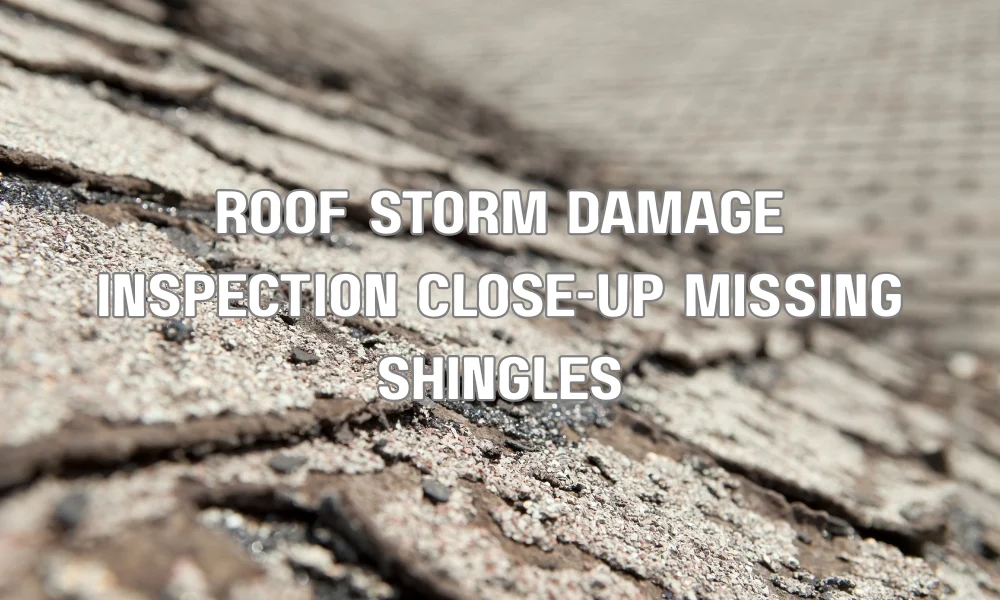
Properly documenting roof damage involves capturing comprehensive visual evidence and detailed written accounts to support your claim. Take numerous high-resolution photos and videos showing the overall condition of your roof, close-ups of specific damage (e.g., missing shingles, punctures, lifted edges, granule loss), and any corresponding interior damage. Include date and time stamps, and provide a written narrative detailing the date of loss, cause of damage, and specific observations. Keep all receipts for temporary repairs.
Filing Your Claim and Working with Insurers
Filing your claim correctly and managing interactions with your insurance company requires diligence, clear communication, and a thorough understanding of the process. An organized approach ensures all necessary information is provided efficiently, reducing potential friction points and expediting the review of your claim. Proactive engagement and meticulous record-keeping are paramount.
What is the correct process for filing a roof insurance claim in Florida?
The correct process for filing a roof insurance claim in Florida involves promptly notifying your insurer of the damage, ideally within the deadlines specified in your policy and by state law. Provide them with all detailed documentation you gathered, including photos, videos, and a written account of the incident. You will typically complete a “Proof of Loss” form, detailing the extent of damage and your estimated repair costs. Cooperate fully with their investigation, including allowing adjuster inspections, while retaining all communication records.
How do I effectively communicate with my insurance adjuster?
Effectively communicating with your insurance adjuster means being polite but firm, providing organized documentation, and being prepared to discuss the details of your damage. Present your evidence clearly, ask pertinent questions about the process and your policy, and always request all agreements, estimates, and denial reasons in writing. Do not feel pressured to accept their initial assessment without verification, and consider having your own contractor present during their inspection.
Understanding Your Policy and Florida Laws
A successful roof claim hinges on a deep understanding of your specific homeowner’s insurance policy and Florida’s unique legislative landscape governing property insurance. These elements dictate what is covered, how much is paid, and the procedures you must follow. Ignoring policy details or state laws can lead to significant delays, reduced payouts, or outright claim denial.
Critical Fact 2: Many Florida homeowner policies include a separate “Windstorm Deductible,” which is typically a percentage (e.g., 2% or 5%) of your home’s insured value, and applies specifically to damage caused by hurricanes or named storms, often exceeding your standard deductible.
What common policy clauses affect Florida roof claims?
Common policy clauses affecting Florida roof claims significantly include “Actual Cash Value (ACV) vs. Replacement Cost Value (RCV),” which dictates whether depreciation is factored into your payout. “Windstorm deductibles” are prevalent, requiring homeowners to pay a higher percentage of their home’s value for hurricane-related damage. Exclusions for “wear and tear,” “neglect,” or “cosmetic damage” can also limit coverage, making the cause of damage a critical point of contention.
How do recent Florida insurance laws impact my roof claim?
Recent Florida insurance laws, notably Senate Bill 2A (2022) and House Bill 837 (2023), have profoundly impacted roof claims by introducing stricter deadlines for filing claims (e.g., one year for hurricane/windstorm claims), reforming attorney fee structures, and limiting assignment of benefits (AOB) agreements. These changes aim to reduce litigation and fraud but often place a greater burden on homeowners to understand and navigate the claim process efficiently and independently.
| Claim Type | Primary Documentation Required | Key Considerations for Florida Homeowners |
|---|---|---|
| Hurricane/Wind Damage | Dated photos/videos, weather reports, police report (if applicable), adjuster’s report | Windstorm deductibles often apply, immediate temporary repairs are crucial, strict deadlines. |
| Hail Damage | Photos of dimples/granule loss, collateral damage (e.g., gutters, AC units), independent inspection report | Often hidden, requires professional inspection, may be confused with wear and tear. |
| Leak Damage | Photos of interior water damage, roof leak source, repair estimates, history of maintenance | Proof of sudden accidental discharge (not maintenance neglect), secondary damage coverage. |
| Wear & Tear / Age | Maintenance records, previous repair invoices | Generally excluded from standard policies; may be covered only if sudden, accidental external event. |
Contractor Selection and Repair Process
Selecting the right contractor and overseeing the repair process are crucial steps to ensure your roof is restored to current building codes and performs optimally for years to come. A qualified contractor will not only perform high-quality work but can also assist in navigating insurance documentation and ensuring all covered damages are addressed appropriately. This phase requires diligence to protect your investment.
How do I choose a reputable roofing contractor for my claim repairs?
Choose a reputable roofing contractor for your claim repairs by verifying their licenses and insurance (liability and workers’ compensation) to ensure they are legitimate and protected. Check their references, review online testimonials, and ensure they specialize in insurance claims and are knowledgeable about Florida building codes. Obtain multiple detailed, written estimates that clearly outline materials, scope of work, and timelines before making a decision.
What if my claim is underpaid or denied?
If your claim is underpaid or denied, review the reasons provided by your insurer carefully, gathering additional evidence such as independent engineering reports or contractor assessments to support your case. Consider hiring a public adjuster who works exclusively for you to negotiate with the insurance company, or consult an attorney specializing in insurance claims to explore mediation, arbitration, or litigation. Do not accept a low offer or denial without challenging it if you believe it is unfair.
Critical Fact 3: Florida homeowners have a limited window, typically five years from the date of loss for non-hurricane claims and one year for hurricane/windstorm claims (for policies issued or renewed after 7/1/2022), to reopen a claim if additional damage is discovered or the initial payout was insufficient.
Frequently Asked Questions
What is the typical timeframe for a roof insurance claim in Florida?
Florida law generally requires insurers to acknowledge a claim within 14 days and to investigate, evaluate, and pay or deny a claim within 90 days after receiving proof of loss. However, complexities like multiple inspections or disputes can extend this timeframe significantly.
Will filing a roof claim increase my insurance premiums?
While a single claim might not drastically increase individual premiums, frequent claims in a storm-prone area like Florida can contribute to higher rates across the board or even lead to non-renewal. Insurers assess risk based on claim history and regional factors.
What’s the difference between ACV and RCV in roof claims?
Actual Cash Value (ACV) pays the depreciated value of your roof, considering its age and condition. Replacement Cost Value (RCV) covers the cost to replace it with a new one of similar quality without depreciation. RCV policies generally provide more comprehensive coverage for roof replacement.
Can I hire my own contractor before the insurance adjuster inspects?
While you can obtain estimates from contractors, it’s generally advisable to avoid signing contracts for major repairs before the insurance adjuster conducts their inspection. However, making temporary emergency repairs to prevent further damage is usually permissible and often reimbursable.
What if my roof damage is from an older storm?
Florida law generally allows homeowners up to one year from the date of loss to report hurricane or windstorm damage for policies issued or renewed after July 1, 2022. For other perils, reporting deadlines vary by policy, so check your specific terms for older damages.
Should I consider a public adjuster?
A public adjuster can be highly beneficial for complex, underpaid, or denied claims, as they work exclusively on your behalf, negotiating with the insurer to maximize your settlement. They typically charge a percentage of the claim payout, making their services contingent on success.
What is a “Right to Repair” clause?
Some Florida insurance policies include a “Right to Repair” clause, which grants the insurer the option to choose the contractor to fix the damage rather than issuing a direct cash payment. Homeowners should review their policy carefully for such provisions, as it limits contractor choice.
What if my insurance company denies my claim for wear and tear?
If your claim is denied due to wear and tear, but you believe the damage was caused by a sudden, accidental, covered peril, gather additional evidence from a licensed, independent roofer or engineer to challenge the denial. You may need to escalate the dispute process with your insurer or seek legal counsel.