
Executive Summary
- Proactive professional damage assessment immediately after a commercial roof incident in Florida is crucial to secure comprehensive insurance coverage.
- Expert documentation, including detailed photographic and video evidence, structural reports, and repair estimates, directly strengthens your insurance claim’s validity.
- Engaging a qualified commercial roof claim specialist significantly streamlines the complex process, from initial filing to final settlement, saving valuable time and resources.
- Understanding Florida’s specific building codes and insurance regulations is vital for navigating disputes and ensuring your claim aligns with all legal requirements.
- Leveraging professional assistance maximizes your potential payout, preventing underpayment and ensuring full restoration of your commercial property.
- Timely action and thorough preparation are paramount to avoid claim denials, coverage limitations, or delays often faced by commercial property owners in Florida.
Navigating Commercial Roof Insurance Claims in Florida
Why are commercial roof claims in Florida uniquely challenging?
Commercial roof claims in Florida are uniquely challenging due to the state’s severe weather patterns, specific building codes, and often complex insurance policies designed to limit payouts. Hurricanes, tropical storms, and intense sun exposure frequently cause significant damage, but insurers often scrutinize claims, looking for pre-existing conditions or maintenance issues to deny or underpay. Florida’s continuously evolving building codes also mean that simple repairs might not be sufficient, often requiring full roof replacement to meet current standards, which insurers may dispute.
Critical Fact 1: Florida’s unique building codes and frequent severe weather patterns significantly complicate commercial roof insurance claims, often leading to initial claim denials or substantial underpayments.
Successfully navigating these complexities requires more than just filing a report; it demands a strategic, evidence-backed approach. Many commercial property owners find themselves overwhelmed by the technical jargon, the back-and-forth with adjusters, and the sheer volume of documentation required. Without expert guidance, the risk of accepting an inadequate settlement or having a claim outright denied is significantly higher, impacting business continuity and financial stability. This is where professional claim assistance becomes not just beneficial, but often essential.
The Critical Role of Professional Damage Assessment
How does a professional assessment benefit my claim?
A professional assessment dramatically benefits your claim by providing an unbiased, detailed, and technically sound evaluation of all roof damage, identifying issues that insurer-appointed adjusters might overlook. These assessments are conducted by independent experts—engineers, licensed adjusters, or roofing contractors—who specialize in damage identification, including latent and hidden issues not visible to the untrained eye. Their comprehensive reports provide objective evidence, validating the extent of damage and establishing a clear causal link to the covered event. This robust documentation counters potential disputes from insurance companies regarding the origin, severity, or scope of necessary repairs, creating a stronger position for negotiation.
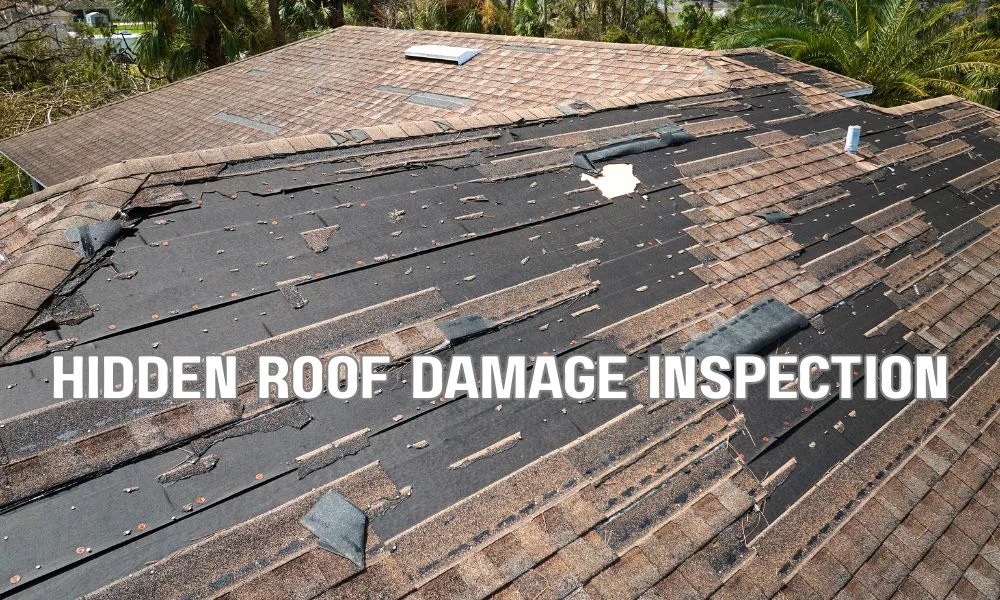
The detailed nature of a professional assessment often includes thermal imaging, moisture detection, core samples, and drone footage, providing irrefutable proof of damage. This level of detail is crucial when dealing with complex roofing systems common in commercial properties, such as TPO, EPDM, PVC, or modified bitumen roofs. Each system reacts differently to various types of impact, wind uplift, and water intrusion, requiring specialized knowledge to accurately diagnose and quantify the damage. Without this expert perspective, crucial damage might be missed, leading to future liabilities and further financial strain when the inadequate repairs inevitably fail.
Mastering Documentation for a Strong Claim
What documentation is essential for a successful claim?
Essential documentation for a successful commercial roof claim includes comprehensive photographic and video evidence, detailed professional damage assessment reports, historical maintenance records, and accurate repair estimates. High-resolution photos and videos should capture all visible damage from multiple angles, showcasing both overall impact and specific problem areas, timestamped whenever possible. The professional damage assessment report should incorporate findings from experts like structural engineers, clearly outlining the cause and extent of damage, estimated repair costs, and compliance with current Florida building codes. Furthermore, past roof inspection reports, repair invoices, and any warranties serve as proof of prior good condition and proper maintenance, preventing insurers from attributing current damage to neglect.
Critical Fact 2: An independent professional damage assessment can increase commercial roof claim payouts by up to 74% compared to relying solely on the insurer’s adjusters, who primarily serve the insurance company’s interests.
Beyond visual evidence and expert reports, you must also gather all relevant insurance policy documents, including declarations pages, endorsements, and the full policy wording. Understanding your specific coverage, deductibles, and limitations is paramount before filing. Maintaining a meticulous log of all communications with the insurance company, including dates, times, names of representatives, and summaries of conversations, provides a vital audit trail. This exhaustive compilation of documentation serves as the backbone of your claim, leaving little room for subjective interpretation or dispute by the insurer, thereby significantly accelerating the claims process and improving settlement outcomes.
The Claims Process: From Filing to Settlement
What are the key steps in a commercial roof insurance claim?
The key steps in a commercial roof insurance claim typically begin with immediate notification to your insurance carrier, followed by a thorough professional damage assessment and meticulous documentation. After initial notification, the insurer will assign their own adjuster to inspect the damage, but it’s crucial to have your independent assessment ready for comparison. The next phase involves submitting your comprehensive claim package, including all evidence, reports, and estimates, initiating the negotiation process. This often involves back-and-forth discussions where a public adjuster or claim specialist can represent your interests, challenging low offers and ensuring all covered damages are addressed. The final step is settlement, where an agreement is reached, and funds are disbursed for repairs or replacement.

Understanding and preparing for each of these stages is critical for a smooth and successful outcome. Rushing through any step or failing to provide adequate documentation can lead to significant delays, underpayment, or even outright claim denial. Engaging a claims expert early in the process ensures that from the initial assessment through to the final negotiation, your rights are protected and your claim is handled with the professionalism required to secure the maximum possible settlement.
Maximizing Your Payout and Minimizing Delays
How can I ensure maximum compensation for my roof damage?
To ensure maximum compensation for your commercial roof damage, it is paramount to engage a qualified public adjuster or commercial roof claims specialist who acts solely on your behalf. These experts possess deep knowledge of insurance policies, Florida building codes, and negotiation tactics, allowing them to accurately assess the full scope of damage and present an indisputable case to your insurer. They meticulously review your policy, identify all applicable coverages, and challenge any attempts by the insurance company to deny or undervalue your claim based on technicalities or subjective interpretations. Their involvement ensures all legitimate costs—including temporary repairs, code upgrades, business interruption, and full replacement value—are factored into the settlement.
Effective communication and timely responses are also crucial; delays can be interpreted as a lack of urgency or can lead to further damage not covered by the initial claim. A professional claims partner will manage all correspondence, submit documentation promptly, and proactively follow up, thereby minimizing processing delays. They leverage their expertise to negotiate aggressively, often leading to significantly higher settlements than property owners might achieve on their own. By ensuring your claim is comprehensive, well-documented, and expertly advocated, you dramatically increase the likelihood of receiving the full compensation necessary to fully restore your commercial property and maintain business continuity.
| Damage Type | Common Causes in Florida | Impact on Claim Severity | Key Documentation Required |
|---|---|---|---|
| Wind Uplift/Tearing | Hurricanes, tropical storms, severe gusts | High (often widespread, critical structural failure) | Drone footage, professional assessment, detailed photos of membrane separation, flashing damage. |
| Hail Damage | Thunderstorms, localized severe weather | Moderate to High (pitting, cracking, impact marks, hidden punctures) | Close-up photos with scale, thermal imaging, core samples, professional assessment of membrane integrity. |
| Water Intrusion/Leaks | Prolonged heavy rain, flashing failures, storm damage | Moderate (interior damage, mold, structural compromise) | Infrared thermography, moisture meters, interior damage photos, professional leak detection report. |
| Ponding Water Damage | Drainage issues, roof deflection, clogged drains | Low to Moderate (accelerated degradation, stress on structure) | Photos of standing water, drainage system assessment, evidence of membrane fatigue. |
| UV Degradation | Intense Florida sun exposure over time | Low (often considered maintenance, but accelerated by storm damage) | Historical maintenance records, material specific assessments, evidence of accelerated deterioration post-event. |
Critical Fact 3: Delaying a commercial roof damage claim in Florida can lead to further structural degradation, potential coverage denial due to policy stipulations, and significant financial loss that could otherwise be mitigated.
Frequently Asked Questions
What is a public adjuster and why do I need one for my commercial roof claim?
A public adjuster is an independent claims professional who advocates solely for the policyholder, not the insurance company. They assess damages, prepare estimates, negotiate with your insurer, and ensure you receive the maximum settlement for your commercial roof claim, often uncovering hidden damages and policy benefits.
How soon after roof damage should I file a commercial insurance claim in Florida?
You should file a commercial roof insurance claim as soon as possible after discovering damage, especially following a major weather event. Timely filing prevents further damage exacerbation, avoids potential policy clauses about delayed notification, and preserves your right to full compensation.
Will filing a commercial roof claim raise my insurance premiums?
While an increase is possible after a claim, it’s not guaranteed. Premiums are influenced by many factors, including regional risk assessments and broad rate adjustments. Failing to file a valid claim, however, means bearing the full repair cost yourself, which is often far more impactful than a potential premium adjustment.
What if my commercial roof claim is denied or underpaid by the insurance company?
If your commercial roof claim is denied or underpaid, you have the right to appeal. A public adjuster can be instrumental in this process, reviewing the denial reason, gathering additional evidence, and reopening negotiations to challenge the insurer’s decision effectively.
Can you assist with hurricane damage claims for commercial roofs in Florida?
Absolutely. We specialize in hurricane damage claims for commercial roofs in Florida, understanding the unique challenges and policy specifics involved. Our experts provide comprehensive damage assessment, documentation, and negotiation services tailored to severe weather events.
Do I need to get multiple contractor estimates before filing a claim?
While not strictly required before filing, having at least one detailed estimate from a reputable commercial roofing contractor for the full scope of repairs or replacement is highly recommended. This helps substantiate your claim and provides a benchmark for negotiations with your insurer.
What types of commercial roofing systems do you have experience with in claims?
We have extensive experience with all major commercial roofing systems common in Florida, including TPO, EPDM, PVC, modified bitumen, metal roofs, and built-up roofing. Our assessments consider the specific characteristics and common failure modes of each system.
How long does the commercial roof insurance claim process typically take in Florida?
The commercial roof insurance claim process in Florida can vary significantly, from a few weeks to several months, depending on the damage complexity, insurer responsiveness, and negotiation required. Professional assistance can often expedite this timeline by ensuring thorough and timely documentation.
