
Executive Summary
- Investing in a new roof before selling your Florida home significantly boosts property value and buyer confidence, making your listing more attractive.
- Upgrading to storm-resistant materials like metal or concrete tile minimizes insurance complexities and reduces premium costs for future homeowners.
- Modern roofing improvements can drastically enhance energy efficiency, a key selling point for cost-conscious buyers in Florida’s climate.
- A well-documented roof upgrade, including permits and warranties, streamlines the inspection process and prevents last-minute negotiation issues.
- Addressing roof issues proactively eliminates major objections during appraisal and inspection, securing a smoother and faster transaction.
- Highlighting a durable, high-quality roof in marketing materials sets your home apart, directly appealing to Florida buyers seeking peace of mind.
- Securing a transferable warranty for your new roof provides invaluable long-term protection and assurance for the new property owners.
Navigating the real estate market in Florida presents unique challenges and opportunities, particularly when it comes to a home’s roof. Given the state’s distinct climate, prone to intense sun, heavy rains, and hurricane season, the condition of your roof is paramount not just for structural integrity but also for marketability and insurance eligibility. A proactive approach to roof upgrades before listing your property can dramatically enhance its appeal, accelerate the sales process, and ultimately secure a higher return on investment. This guide delves into the most impactful roofing improvements, helping you strategically prepare your Florida home for a successful sale.
Critical Fact 1: A recent study by Remodeling Magazine’s Cost vs. Value Report indicated that a new roof replacement can recoup over 60% of its cost at resale, often more in high-demand, high-risk areas like Florida due to insurance benefits.
Understanding Florida’s Unique Roofing Challenges
Why are Florida roofs particularly susceptible to wear and tear?
Florida roofs face an exceptional barrage of environmental stressors that accelerate wear and tear compared to other regions. Intense UV radiation from abundant sunshine degrades roofing materials over time, causing cracking and brittleness. Frequent heavy rainfall and high humidity foster mold, mildew, and algae growth, compromising structural integrity and aesthetic appeal. Furthermore, the constant threat of hurricanes and tropical storms subjects roofs to extreme wind uplift, projectile impacts, and severe water intrusion, leading to rapid deterioration and damage.
How do roof conditions impact home insurance premiums in Florida?
Roof conditions profoundly impact home insurance premiums in Florida, often more so than in other states due to the high risk of hurricane damage. Insurers meticulously evaluate a roof’s age, material, and wind mitigation features when calculating policies. Older roofs, especially those exceeding 15 years, typically incur significantly higher premiums or may even be deemed uninsurable, compelling potential buyers to face substantial costs or policy rejections. Conversely, a new, storm-resistant roof with documented wind mitigation credits can lead to substantial discounts, making your home significantly more attractive to prospective buyers and their lenders.
High-Impact Roof Upgrades for Resale Value
Which roofing materials offer the best ROI for Florida homes?
For Florida homes, roofing materials that offer the best return on investment (ROI) are those combining durability, longevity, and superior storm resistance, often translating into lower insurance costs for buyers. Metal roofs (standing seam or corrugated), concrete and clay tiles, and high-quality architectural asphalt shingles are top contenders. Metal roofs boast exceptional lifespans (50+ years), reflect solar heat, and are virtually impervious to wind and hail. Tiles offer similar longevity and aesthetics, while architectural shingles, though less durable than metal or tile, provide a more affordable upgrade with significant curb appeal and improved wind ratings over traditional 3-tab shingles.
Here’s a comparison of popular roofing materials for Florida homes:
| Material Type | Average Lifespan | Estimated Cost (per sq ft installed) | Storm Resistance (Wind/Hail) | Typical ROI Factor |
|---|---|---|---|---|
| 3-Tab Asphalt Shingles | 15-20 years | $3.00 – $5.50 | Moderate | Low-Moderate |
| Architectural Shingles | 25-30 years | $4.50 – $7.00 | Good | Moderate-High |
| Metal (Standing Seam) | 40-70 years | $10.00 – $18.00 | Excellent | High |
| Concrete/Clay Tile | 50-100+ years | $8.00 – $16.00 | Excellent | High |
| TPO/Flat Roof | 15-25 years | $6.00 – $10.00 | Good | Moderate |
What specific upgrades enhance energy efficiency and curb appeal?
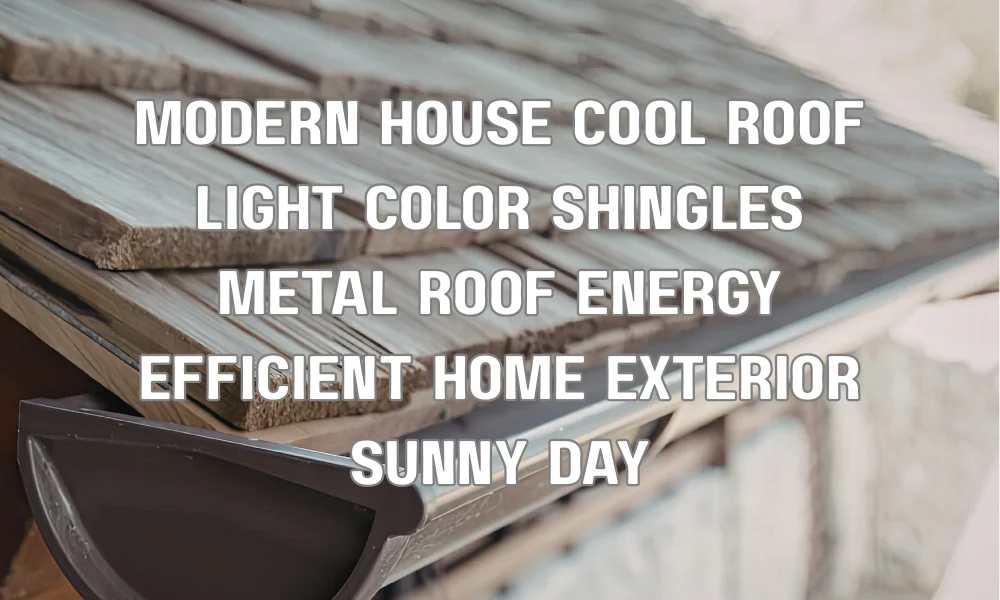
Beyond material selection, specific upgrades can significantly enhance both energy efficiency and curb appeal, directly increasing buyer interest and home value. Opting for “cool roof” technologies, such as reflective coatings on asphalt shingles or light-colored metal and tile roofs, can reduce attic temperatures by 30-50 degrees, drastically cutting cooling costs. Installing proper attic ventilation, including ridge vents and soffit vents, further improves energy performance by allowing hot air to escape. Aesthetically, choosing a roofing color and style that complements your home’s exterior design creates an immediate positive impression, elevating curb appeal and signalling a well-maintained property.
How do modern roofing technologies add value to a sale?
Modern roofing technologies add significant value to a sale by offering advanced performance, longevity, and sometimes smart home integration. Innovations like solar-ready roofs, which can integrate solar panels seamlessly without compromising the roof’s integrity, appeal to environmentally conscious buyers and those looking to reduce utility bills. Advanced underlayment materials provide superior waterproofing and wind resistance compared to traditional felt. Smart roof systems, though less common, can even incorporate sensors to monitor moisture or damage, offering unprecedented peace of mind and showcasing a forward-thinking investment to potential buyers.
Critical Fact 2: Homes with a new roof and verified wind mitigation features can qualify for substantial discounts on the windstorm portion of their homeowner’s insurance premium, a major financial incentive for Florida buyers.
Navigating Permits, Inspections, and Warranty Transfers
What permits are required for roof upgrades in Florida?
In Florida, virtually all roof replacement or significant repair projects require building permits from your local municipality or county. These permits ensure that the work complies with the Florida Building Code, particularly its stringent wind-resistance standards. Failing to secure the necessary permits can lead to fines, stop-work orders, and significant complications during the home selling process, as unpermitted work often invalidates insurance claims and creates liability issues for the new homeowner. Always ensure your chosen roofing contractor handles all permit applications and inspections.
How does a new roof inspection benefit the selling process?
A new roof inspection, ideally performed after the upgrade is complete and approved by local building officials, immensely benefits the selling process by providing buyers with confidence and peace of mind. It acts as a pre-emptive strike against potential objections, demonstrating that the roof meets current codes and is free from defects. Furthermore, a professional inspection report, often accompanied by a “four-point inspection” for insurance purposes, can expedite the buyer’s loan approval and insurance underwriting, removing significant hurdles and making your home a more attractive, hassle-free option.
Is it possible to transfer roof warranties to new homeowners?
Yes, it is often possible to transfer roof warranties to new homeowners, and this feature is a significant selling point. Reputable roofing manufacturers and contractors typically offer transferable warranties on materials and workmanship for a specified period. The process usually involves a simple transfer form and sometimes a small fee. Providing a clear, transferable warranty assures buyers that they are protected against future defects, adding substantial value and mitigating concerns about long-term maintenance costs, directly enhancing the home’s marketability.
Maximizing Your Investment: Marketing Your New Roof
How can I effectively showcase my upgraded roof to potential buyers?
Effectively showcasing your upgraded roof involves integrating it prominently into all marketing materials and buyer communications. Start with high-quality, professional photography and drone footage that highlights the roof’s condition, material, and aesthetic appeal. Include detailed descriptions in your listing, emphasizing features like “newly installed,” “storm-resistant,” “energy-efficient,” and “transferable warranty.” During open houses and showings, provide a binder with all relevant documentation: permits, inspection reports, material specifications, and warranty information. Educate your real estate agent to articulate the benefits clearly, focusing on reduced insurance costs, enhanced curb appeal, and long-term peace of mind for buyers.
Critical Fact 3: A new roof can increase a home’s value by an average of $12,000, and for every $1 spent on roof replacement, homeowners can expect to recoup approximately $0.60 to $0.80 at resale, with Florida homes often seeing higher returns due to insurance savings.
Frequently Asked Questions
What is the ideal age for a roof replacement before selling in Florida?
Ideally, a roof replacement should occur if the current roof is approaching or has exceeded 15 years, or if it shows visible signs of significant wear or storm damage. This proactively addresses insurance concerns and buyer hesitations, ensuring a smoother sale.
Will a new roof guarantee a higher asking price for my home?
While a new roof is a significant asset, it doesn’t guarantee a specific price increase. It primarily enhances marketability, reduces buyer objections, and can help achieve top-tier offers by eliminating a major negotiation point and offering insurance savings.
How long does a typical roof replacement take in Florida?
The duration of a roof replacement depends on the roof’s size, complexity, and material. Most residential asphalt shingle roofs can be completed in 2-5 days, while tile or metal roofs may take 1-2 weeks due to specialized installation requirements.
Are there financing options available for roof upgrades before selling?
Yes, several financing options exist, including home equity loans, personal loans, and specialized PACE (Property Assessed Clean Energy) programs, which allow repayment through property taxes. Consult with lenders to find the best fit for your situation.
What documentation should I keep after a roof upgrade?
Crucially keep copies of the building permit, final inspection report, proof of payment, material warranties, and the contractor’s workmanship warranty. This documentation is vital for appraisal, insurance, and the sale of your home.
How do I find a reputable roofing contractor in Florida?
Look for licensed and insured contractors with a strong track record in Florida, specializing in storm-resistant installations. Check online reviews, request multiple bids, and verify their licensing with the Florida Department of Business and Professional Regulation.
Does roof color impact home energy efficiency?
Yes, roof color significantly impacts energy efficiency. Lighter-colored roofs reflect more sunlight and absorb less heat, helping to keep your home cooler and reduce air conditioning costs, especially beneficial in Florida’s warm climate.
What is a “wind mitigation inspection” and why is it important for a new roof?
A wind mitigation inspection assesses your home’s ability to withstand wind damage. For a new roof, it documents features like roof decking attachment, secondary water barriers, and roof-to-wall connections, which can lead to substantial insurance premium discounts in Florida.
