
Executive Summary
- Replacing an older roof before listing your Florida home can significantly enhance buyer appeal, justify a higher asking price, and expedite the sale process.
- A new roof often resolves critical insurance issues for prospective buyers, as many Florida insurers decline policies for homes with roofs over 10-15 years old.
- Investing in a new roof provides a strong return on investment (ROI), often recouping a substantial portion of the cost through increased home value and fewer buyer concessions.
- Pre-emptive roof replacement mitigates major red flags during home inspections, preventing costly negotiations, repair credits, or deal cancellations.
- A certified, warranted roof installation offers buyers peace of mind, signaling a well-maintained property and reducing perceived future maintenance burdens.
- Consider a professional roof inspection to accurately assess remaining lifespan and identify any immediate repair needs before committing to full replacement.
- Strategic timing is crucial; a new roof completed just before listing can leverage market demand and maximize the home’s competitive edge.
Deciding whether to replace your home’s roof before listing it for sale in Florida is a complex question with significant financial implications. Unlike many other home improvement projects, a roof replacement isn’t just about aesthetics; it directly impacts insurability, structural integrity, and a buyer’s ability to secure financing. For Florida homeowners, these factors are amplified by the state’s unique climate challenges, strict building codes, and evolving insurance landscape. This guide provides a comprehensive overview to help you make an informed decision that maximizes your home’s value and appeal to prospective buyers.
Critical Fact 1: In Florida, homes with roofs older than 15 years often face substantial difficulty securing comprehensive homeowner’s insurance, directly impacting a buyer’s ability to get a mortgage.
Understanding the Florida Market & Roof Dynamics
What impact does a new roof have on home value in Florida?
A new roof significantly impacts home value in Florida by improving structural integrity, enhancing curb appeal, and crucially, resolving insurance hurdles for potential buyers. Given Florida’s climate and insurance complexities, a modern, code-compliant roof signals a well-maintained property, making it more attractive and valuable.
For sellers in Florida, the age and condition of the roof are often one of the first things a buyer’s agent or inspector will scrutinize. An aging or damaged roof can instantly become a point of contention, leading to lower offers or extensive negotiation for repair credits. Conversely, a recently replaced roof can be a powerful selling point, allowing you to list your home at a higher price and often achieve it, as it eliminates a major future expense for the new homeowner. This is particularly true for roofs nearing the end of their typical lifespan (15-20 years for asphalt shingles in Florida’s intense sun and humidity).
How do Florida’s unique insurance requirements influence roof replacement decisions?
Florida’s unique insurance requirements heavily influence roof replacement decisions because many insurers are increasingly reluctant to cover homes with roofs older than 10-15 years, or they demand expensive “3-point inspections” and potential repairs. An older roof often results in higher premiums or even denial of coverage, making it difficult for buyers to secure financing and close the deal.
The state’s susceptibility to hurricanes and severe weather events has led to a hardening insurance market. Insurers view older roofs as higher risks for damage, leading them to either deny policies or impose substantial surcharges. A new roof, particularly one installed to the latest building codes, provides proof of wind mitigation features and reduced risk, which can significantly lower insurance premiums for the buyer. This benefit is a huge selling point and can make your home more accessible and appealing to a wider range of potential purchasers, who are already grappling with rising insurance costs.
Weighing the Costs Against the Benefits
What are the typical costs associated with roof replacement in Florida?
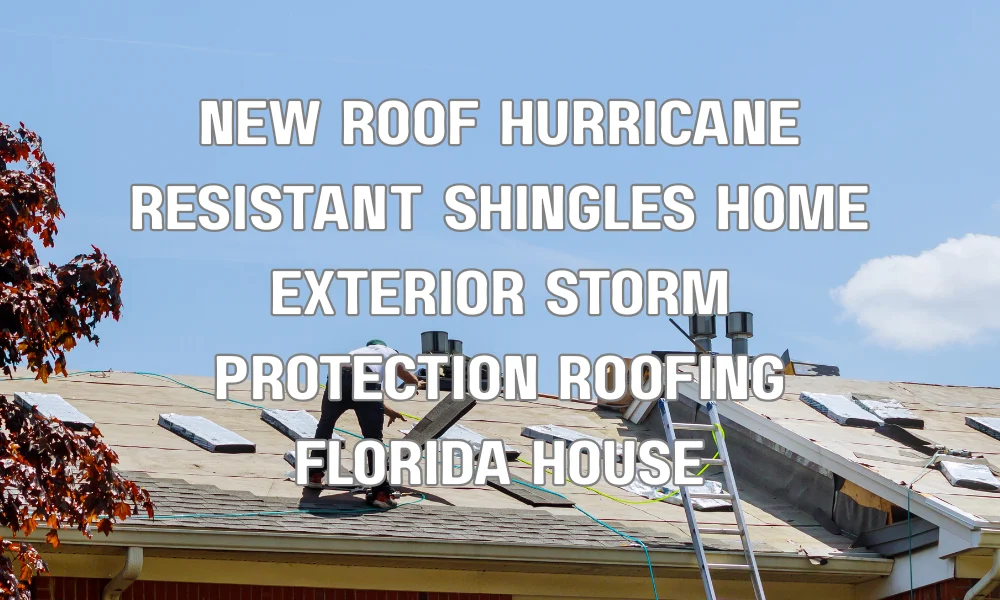
The typical costs associated with roof replacement in Florida vary significantly based on material, roof size, pitch, and local labor rates, ranging from approximately $10,000 for a smaller asphalt shingle roof to upwards of $50,000+ for larger homes with tile or metal. Asphalt shingles are generally the most affordable, while metal and tile roofing offer superior longevity and hurricane resistance at a higher price point.
Understanding these costs is crucial for calculating your potential return on investment. Below is a comparison of common roofing materials used in Florida:
| Roof Type | Avg. Lifespan (Years) | Avg. Cost per Sq. Ft. (Installed) | Key Benefits for Florida Homes | Considerations for Resale |
|---|---|---|---|---|
| 3-Tab Asphalt Shingle | 15-20 | $4 – $6 | Economical, easy installation, widespread availability. | Lower lifespan, less durable against strong winds, minimal buyer appeal enhancement. |
| Architectural Shingle | 20-30 | $5 – $8 | Enhanced durability, better wind resistance, improved aesthetic appeal, moderate cost. | Good balance of cost and performance; strong selling point. |
| Metal Roofing | 40-70 | $8 – $15 | Superior durability, energy-efficient, excellent wind resistance, low maintenance. | Higher upfront cost, can be noisy in heavy rain (some types), significant boost to home value. |
| Tile (Concrete/Clay) | 50-100 | $10 – $25 | Exceptional longevity, distinctive aesthetic, superior wind/fire resistance. | Very heavy (requires stronger roof structure), highest upfront cost, premium buyer appeal. |
What is the potential Return on Investment (ROI) for a new roof when selling?
The potential Return on Investment (ROI) for a new roof when selling a Florida home can be substantial, often ranging from 60% to over 100% of the cost recouped through increased sale price, fewer contingencies, and a faster sale. The ROI is particularly high for roofs that were previously at the end of their life or visibly damaged, as a new roof removes a major financial obstacle for buyers.
Beyond the direct increase in appraised value, the indirect ROI is often higher. A new roof can significantly reduce the “days on market” for your property, saving you holding costs like mortgage payments, utilities, and insurance. It also reduces the likelihood of price reductions during negotiation or the deal falling through due to inspection issues. In a competitive market, a new roof can be the deciding factor for buyers, especially given Florida’s insurance landscape. While a direct cash-for-cash ROI might not always be 1:1, the overall benefit to your selling experience and final profit margin is generally very positive.
Critical Fact 2: A recent survey indicated that homes with a new roof sell 15-20% faster on average compared to those with an aging roof, especially in regions prone to severe weather like Florida.
Navigating Inspections and Buyer Perceptions
How does roof condition affect a home inspection and buyer negotiations?
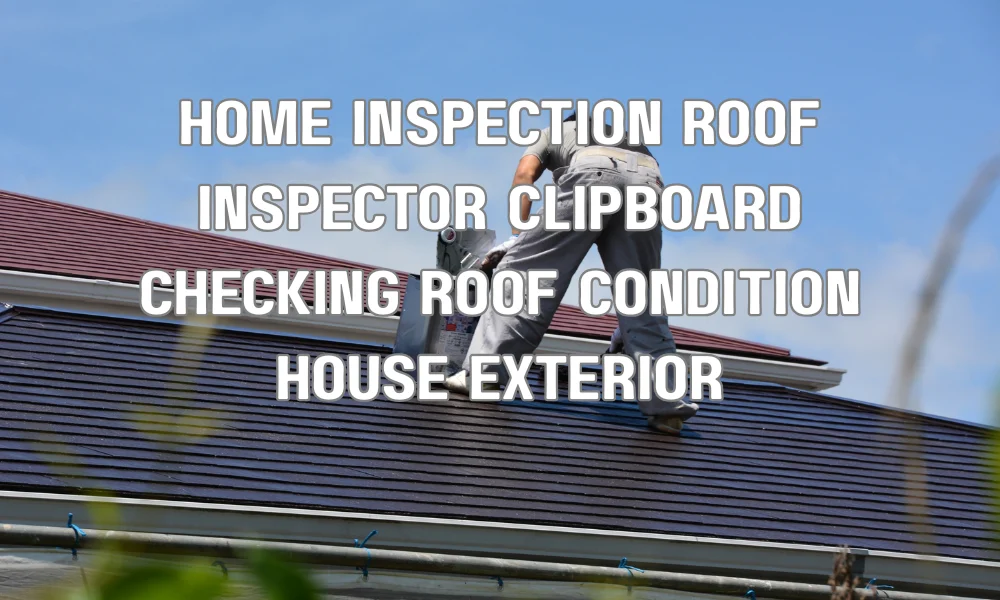
Roof condition profoundly affects a home inspection and buyer negotiations, as an aging or damaged roof will almost certainly be flagged as a major defect, leading to significant demands for repairs, price reductions, or even the termination of the sale. Inspectors will meticulously examine the roof for leaks, missing shingles, soft spots, and signs of improper installation or repair.
When a home inspection report highlights an old or faulty roof, it gives the buyer substantial leverage. They might request a credit at closing to cover the cost of a new roof, demand that you replace the roof before closing, or simply walk away from the deal entirely. These negotiations can be stressful, costly, and can significantly delay the sale process. By proactively replacing the roof, you preempt these issues, present a “clean” inspection report for that critical component, and maintain a stronger negotiating position.
What alternative options exist if a full roof replacement isn’t feasible?
If a full roof replacement isn’t feasible due to budget or time constraints, alternative options include professional repair of specific issues, offering a buyer credit for future roof replacement, or adjusting the listing price to account for the roof’s age. These alternatives, however, often come with caveats and may not fully mitigate buyer concerns.
For minor issues like a few missing shingles or small leaks, a targeted repair by a licensed professional with a transferable warranty can be a viable interim solution. This demonstrates due diligence to buyers without the cost of a full replacement. Another common approach is to obtain multiple quotes for a roof replacement and offer the buyer a credit at closing, allowing them to choose their preferred contractor and materials. While this keeps the cash in your pocket until closing, it still means you’re absorbing the cost. Finally, you could price the home lower from the outset, clearly disclosing the roof’s condition, but this often leads to a lower final sale price than the cost of a new roof would have been.
Strategic Decision-Making for Maximum Profit
When is a roof replacement absolutely necessary before listing?
A roof replacement is absolutely necessary before listing when it is actively leaking, visibly damaged beyond minor repairs, uninsurable by standard Florida carriers, or approaching the end of its projected lifespan (e.g., 15-20 years for asphalt shingles) making it a critical inspection failure point. These conditions make a home nearly impossible to sell without addressing the roof first.
If your roof has suffered significant storm damage, shows widespread moss or algae growth indicative of moisture retention, has curling or brittle shingles, or if a licensed roofer identifies structural issues, pre-listing replacement is highly advisable. Furthermore, if you’ve been informed by your insurance provider or a home inspector that the roof will not pass a 4-point inspection required for insurance purposes, you have little choice but to replace it to ensure the vast majority of buyers can secure a mortgage.
What documentation should I gather if I decide to replace or repair the roof?
If you decide to replace or repair the roof, you should gather all relevant documentation, including the contractor’s license and insurance details, detailed invoices, permits obtained, proof of wind mitigation features, and any transferable warranties. This documentation provides buyers with essential proof of quality work and peace of mind.
Specifically, keep copies of the contract with your roofing company, ensuring it details the scope of work, materials used, and warranty information. Obtain a copy of the final permit sign-off from your local municipality, as this confirms the work met all building codes. If new wind mitigation features were installed, get an updated Uniform Mitigation Verification Inspection Form (often called a ‘wind mit’ report), as this can significantly reduce the buyer’s insurance premiums. Presenting a complete package of professional documentation demonstrates transparency and reduces buyer apprehension, showcasing your investment and the home’s enhanced value.
Critical Fact 3: A new, properly documented roof can typically add 5-10% to a Florida home’s appraised value, often offsetting a significant portion of the replacement cost.
Frequently Asked Questions
Does a new roof guarantee a higher selling price for my Florida home?
While a new roof doesn’t guarantee a specific higher selling price, it significantly increases your home’s market value and appeal. It reduces negotiation points, helps justify a premium asking price, and ensures buyers can obtain crucial homeowner’s insurance, which is often a deal-breaker in Florida.
How long does a roof replacement typically take in Florida?
A typical residential roof replacement in Florida, depending on the size and complexity, usually takes 2-5 days for asphalt shingles. More complex roofs or those with tile/metal materials can take longer, potentially 1-3 weeks. Always factor in weather delays.
Will a new roof affect my home’s property taxes in Florida?
Yes, a new roof is considered a capital improvement and can potentially increase your home’s assessed value, which may lead to a slight increase in property taxes. However, the long-term benefits for resale typically outweigh this minor increase.
Should I get multiple quotes for roof replacement before deciding?
Absolutely. Always obtain at least three detailed quotes from licensed and insured roofing contractors. This ensures you get competitive pricing, understand different material options, and can compare warranties and service levels effectively.
What kind of warranty should I look for with a new roof?
Look for both a manufacturer’s warranty on the materials (e.g., 25-50 years for shingles) and a contractor’s warranty on the workmanship (typically 5-10 years). Ensure these warranties are transferable to the new homeowner, as this is a significant selling point.
Can I sell my Florida home “as-is” with an old roof?
You can sell your Florida home “as-is” with an old roof, but expect a significantly lower asking price, fewer interested buyers, and potentially only cash offers. Buyers will factor in the full cost of a new roof, insurance difficulties, and potential repair contingencies.
Does my home insurance cover roof replacement before selling?
Generally, your homeowner’s insurance will only cover roof replacement if the damage is due to a covered peril (e.g., hurricane, hail, fire), not due to age or normal wear and tear. Always check your specific policy details and consult with your insurer.
How can I make my old roof look better for showings without replacing it?
For minor cosmetic improvements without replacement, you can have the roof professionally cleaned to remove algae and mold. Basic repairs like replacing a few missing shingles or sealing small leaks can also improve aesthetics and address immediate concerns, but won’t change its age or insurability.
