
Executive Summary
- Florida’s challenging climate necessitates robust roofing solutions for multifamily properties, demanding strict adherence to specialized building codes.
- Understanding the Florida Building Code (FBC) for high-velocity hurricane zones is critical for ensuring roof system integrity and compliance.
- Advanced underlayment systems, particularly self-adhered membranes, are essential for superior water resistance and extended tile roof lifespan in humid conditions.
- Evaluating initial installation costs against long-term operational savings and reduced maintenance provides a clear return on investment for property owners.
- Selecting appropriate tile materials, such as concrete or clay, balances aesthetic appeal, durability, and energy efficiency for diverse multifamily projects.
- Proactive maintenance and robust warranty programs are vital for maximizing the longevity and performance of Florida tile roofs against environmental stresses.
- Investing in code-compliant, high-quality roofing systems significantly enhances property value, tenant satisfaction, and insurance eligibility for multifamily developments.
Navigating Florida’s Roofing Landscape for Multifamily Properties
Florida’s unique geography presents an unparalleled set of challenges for roofing systems, especially for multifamily properties that demand long-term resilience and tenant safety. From the relentless sun and high humidity to the constant threat of tropical storms and hurricanes, roofs in the Sunshine State must perform under extreme conditions. This necessitates a strategic approach to material selection, installation methodologies, and, critically, strict adherence to the Florida Building Code (FBC). For property developers and managers, understanding these dynamics is not just about compliance, but about safeguarding investments and ensuring the structural integrity of multi-unit dwellings for decades.
Critical Fact 1: Florida experiences more hurricanes and tropical storms than any other U.S. state, averaging 1.3 landfalling hurricanes per year, making hurricane-resistant roofing a paramount concern.
What makes Florida roofing uniquely challenging for multifamily structures?
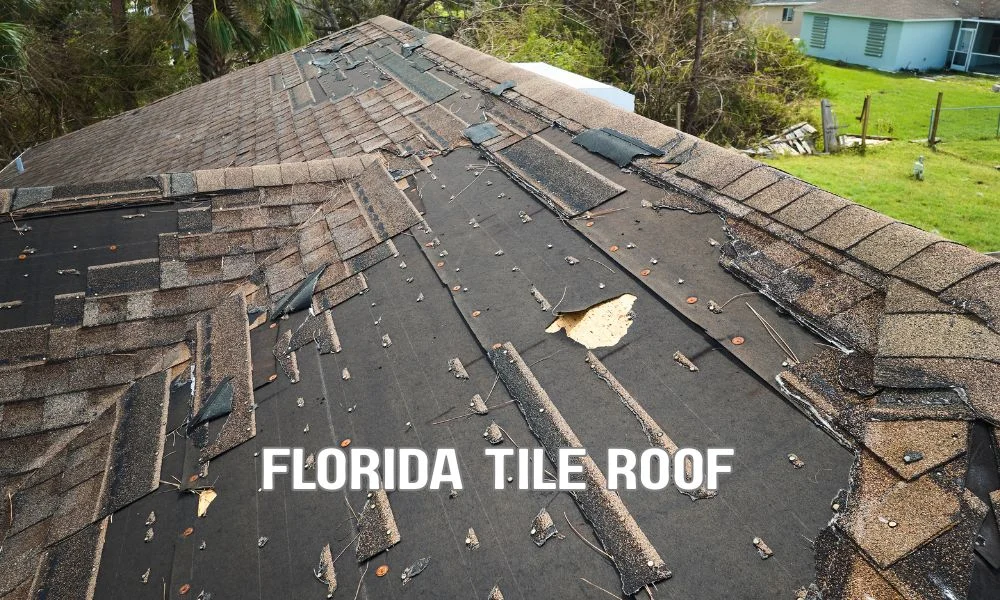
Florida roofing is uniquely challenging for multifamily structures due to a confluence of severe environmental factors and stringent regulatory demands. The primary concern is hurricane force winds, which exert immense uplift pressure and can cause catastrophic damage if roofs are not engineered and installed to specific high-velocity hurricane zone (HVHZ) standards. Beyond wind, intense UV radiation from prolonged sun exposure accelerates material degradation, while high humidity fosters mold and mildew growth, necessitating materials with superior resistance to biological invaders and moisture intrusion. Salt air in coastal regions adds another layer of corrosive stress, further complicating material selection and requiring robust, resilient roofing solutions capable of withstanding these combined environmental assaults over many years.
Decoding Florida Building Code (FBC) for Tile Roofs
How do Florida Building Codes specifically impact tile roof installations?
Florida Building Codes significantly impact tile roof installations by mandating specific requirements designed to withstand the state’s severe weather, particularly high winds. The FBC, especially its provisions for High-Velocity Hurricane Zones (HVHZ), dictates minimum wind uplift resistance ratings for entire roof systems, including fasteners, underlayment, and the tiles themselves. This often translates into stricter fastening schedules, requiring more nails, clips, or foam adhesive applications per tile than in other regions. Additionally, all roofing materials must undergo rigorous testing and approval processes to ensure they meet FBC standards for impact resistance, fire safety, and water shedding capabilities, making material selection a highly regulated process.
What are the critical considerations for underlayment in Florida’s climate?
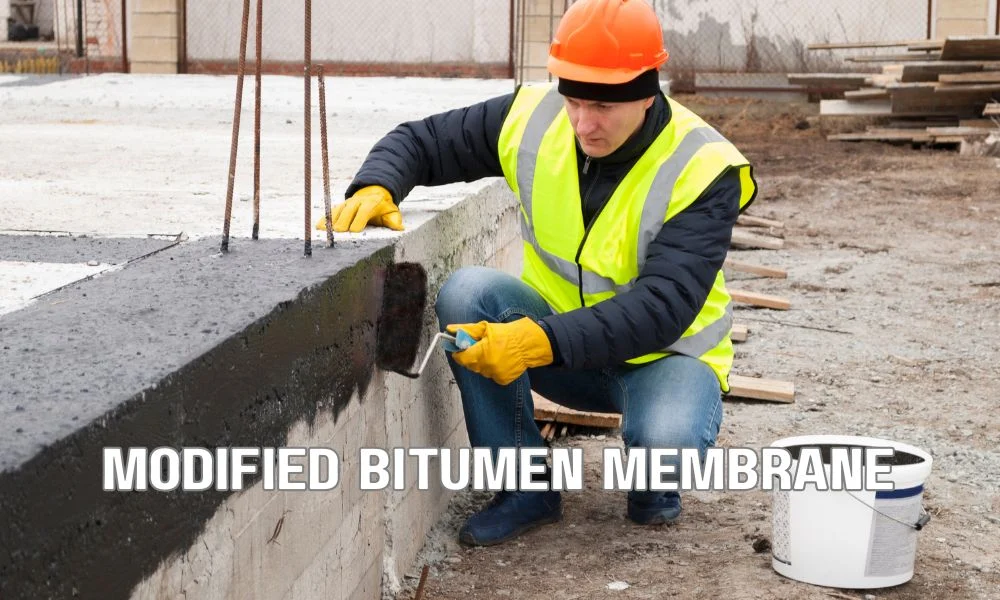
Underlayment selection is a critical consideration in Florida’s climate, serving as the primary waterproof barrier beneath tile roofs and offering redundancy against moisture intrusion. Due to the state’s heavy rainfall and hurricane risks, the FBC often requires enhanced underlayment systems. Self-adhered modified bitumen membranes (SAU) are highly recommended and frequently mandated in HVHZ areas, providing a robust secondary water barrier that adheres directly to the roof deck, sealing fastener penetrations and offering superior resistance to wind-driven rain compared to traditional felt. The choice of underlayment directly impacts the roof’s lifespan and its ability to protect the building from water damage, even if tiles are dislodged during a storm.
Tile Roofing Systems: Material Choices and Performance
Which tile materials offer the best performance and aesthetic for multifamily projects?
For multifamily projects in Florida, both concrete and clay tiles offer excellent performance and diverse aesthetic options, making them popular choices. Concrete tiles are highly versatile, available in various profiles (flat, S-shaped, low profile) and colors, allowing architects to achieve Mediterranean, modern, or traditional looks economically. They are durable, offer good impact resistance, and provide excellent thermal mass, contributing to energy efficiency. Clay tiles, while often a premium option, boast exceptional longevity, superior color retention, and a timeless, natural aesthetic that can significantly elevate a property’s perceived value. Both materials are non-combustible, resistant to rot and insect damage, and can be specified to meet specific cool roof requirements for energy savings.
What are the key installation best practices for tile roofing in high-wind zones?
Key installation best practices for tile roofing in high-wind zones prioritize robust fastening and meticulous sealing to prevent wind uplift and water intrusion. This includes strict adherence to manufacturer specifications and FBC requirements for fastener type, spacing, and embedment depth, often utilizing mechanical fasteners, foam adhesive, or a combination. Perimeter and rake edges require extra attention, often with enhanced fastening or specialized components. Proper headlap and sidelap for tiles are essential to ensure effective water shedding, while all penetrations (vents, skylights) must be meticulously flashed and sealed. Certified installers with experience in Florida’s unique codes are crucial to ensure every detail contributes to the roof’s overall wind resistance and waterproofing.
Critical Fact 2: Properly installed tile roofs can withstand wind speeds exceeding 150 mph, making them one of the most resilient roofing options for Florida’s hurricane-prone regions.
Cost Realities: Investment vs. Long-Term Value
What are the primary cost drivers for multifamily tile roofing projects?
The primary cost drivers for multifamily tile roofing projects include material selection, labor expenses, and the inherent complexity of the roof’s design. Premium tile materials like imported clay or specialized concrete tiles will increase costs, as will high-performance underlayments. Labor is significant due to the specialized skills required for tile installation and adherence to strict FBC fastening schedules, often requiring more time and precision. Additional factors contributing to cost are the roof’s pitch and intricate architectural features (dormers, hips, valleys), the number of penetrations, accessibility for material delivery, and the cost of permitting, inspections, and waste disposal. Geographic location within Florida can also influence labor rates and material availability.
How does initial roofing investment translate into long-term ROI for property owners?
An initial investment in a high-quality tile roofing system translates into substantial long-term ROI for multifamily property owners through several key avenues. The extended lifespan of tile roofs (50+ years) significantly reduces the frequency and cost of re-roofing compared to other materials. Durable tile roofs lead to lower maintenance costs and fewer repairs, minimizing operational expenditures. Furthermore, enhanced wind mitigation features and superior water resistance can result in lower property insurance premiums. Aesthetically pleasing tile roofs boost curb appeal and property value, attracting higher rents and reducing vacancy rates. Finally, energy-efficient cool tile options can lead to significant savings on HVAC costs, further contributing to a positive return on investment.
| Feature | Standard 3-Tab Shingle | Architectural Shingle | Concrete Tile | Clay Tile |
|---|---|---|---|---|
| Lifespan (Years) | 15-25 | 25-35 | 50+ | 75-100+ |
| Upfront Cost (per sq ft) | $4 – $6 | $5 – $8 | $9 – $15 | $12 – $25+ |
| Wind Resistance (MPH) | 60-80 | 110-130 | 130-150+ (FBC Compliant) | 130-150+ (FBC Compliant) |
| Maintenance Intensity | Moderate-High | Moderate | Low-Moderate | Low |
| Aesthetic Value | Basic | Good | Excellent, Versatile | Premium, Timeless |
| Energy Efficiency | Low | Low-Moderate | Moderate-High (Cool Roof Options) | High (Cool Roof Options) |
Maintenance, Warranties & Future-Proofing
What routine maintenance is required to maximize tile roof longevity in Florida?
To maximize tile roof longevity in Florida, routine maintenance is essential, focusing on preventing common issues exacerbated by the climate. This includes regular debris removal, especially from valleys and gutters, to prevent water damming and potential leaks. Annual inspections should check for cracked, broken, or dislodged tiles, which need immediate replacement or repair to maintain the roof’s integrity. Cleaning to remove algae, moss, or mildew buildup not only preserves aesthetics but also prevents biological growth from deteriorating tile surfaces. Furthermore, inspecting and resealing pipe penetrations and flashing around skylights or chimneys every few years ensures these vulnerable points remain watertight against heavy rains.
How do warranties and certifications contribute to project success and peace of mind?
Warranties and certifications are crucial for ensuring project success and providing peace of mind to multifamily property owners. Reputable manufacturers offer long-term warranties on their tile materials, protecting against defects and premature wear, often lasting 50 years or more. Equally important are installer warranties, which cover the workmanship and installation quality for a specified period, typically 5-10 years. Choosing a contractor certified by tile manufacturers or industry associations (like the FRSA) ensures they possess the necessary expertise and adhere to best practices. These combined warranties provide comprehensive protection against both material failures and installation errors, safeguarding the significant investment in a tile roof and assuring long-term performance.
Critical Fact 3: The initial cost of a tile roof, though higher than asphalt shingles, can be offset by significantly lower insurance premiums in Florida due to its superior wind and impact resistance, often leading to substantial long-term savings.
Frequently Asked Questions
Why are tile roofs popular in Florida?
Tile roofs are popular in Florida due to their exceptional durability against hurricanes, high resistance to UV degradation and moisture, and their ability to enhance property aesthetics. They also offer excellent energy efficiency, contributing to lower cooling costs in the hot climate.
What is the lifespan of a tile roof in Florida?
A well-installed and properly maintained tile roof in Florida can have a lifespan of 50 to 100 years or more, significantly outlasting most other roofing materials due to their robust construction and resistance to environmental stressors.
What role does underlayment play in a tile roof system?
The underlayment is critical in a tile roof system, serving as the primary waterproof barrier. It protects the roof deck from water intrusion, especially during heavy rains or if tiles are damaged or dislodged, providing essential redundancy for the overall roofing system’s integrity.
How often should a tile roof be inspected?
A tile roof in Florida should be inspected annually, or more frequently after severe weather events like hurricanes or tropical storms. Regular inspections help identify and address minor issues before they escalate into costly repairs.
Does a tile roof increase property value?
Yes, a tile roof significantly increases property value due to its superior durability, long lifespan, aesthetic appeal, and lower maintenance requirements. It signals quality construction and offers prospective buyers peace of mind and lower long-term ownership costs.
Are tile roofs energy efficient?
Tile roofs are highly energy-efficient. Their natural ventilation, inherent thermal mass, and ability to be manufactured in light colors or with reflective coatings help reduce heat transfer into the building, leading to lower air conditioning demands and energy bills.
What is the difference between concrete and clay tiles?
Concrete tiles are made from cement, sand, and water, offering a wide range of colors and profiles at a more accessible price point. Clay tiles, made from fired clay, are known for their natural earth tones, exceptional longevity, and often command a premium for their classic aesthetic and superior color retention.
How do Florida’s wind codes affect tile roofing?
Florida’s stringent wind codes, particularly in High-Velocity Hurricane Zones (HVHZ), mandate specific tile fastening schedules, underlayment requirements, and material testing to ensure tile roofs can withstand extreme wind uplift pressures, significantly impacting installation methods and material specifications.
