
Executive Summary
- Understanding roof assembly testing standards is critical for ensuring long-term building safety and structural integrity against environmental forces.
- TAS 100, TAS 114, and TAS 125 specifically address Florida Building Code requirements for hurricane-prone regions, focusing on wind uplift and material performance.
- UL 580 evaluates roof assemblies for their resistance to significant wind uplift, a crucial factor in preventing catastrophic roof failures during severe weather events.
- FM 4470 provides a comprehensive standard for assessing overall roofing system performance, encompassing fire, hail, wind, and foot traffic resistance.
- Specifying certified roof assemblies significantly mitigates risks, reduces potential repair costs, and often leads to more favorable insurance premiums for property owners.
- Architects and contractors must prioritize the selection and installation of thoroughly tested and approved roofing systems to ensure compliance and building longevity.
Why Is Robust Roof Assembly Testing Crucial for Building Integrity?
Robust roof assembly testing is absolutely crucial for building integrity because it verifies a roof’s ability to withstand environmental stressors, ensuring safety, longevity, and regulatory compliance. These tests simulate real-world conditions like hurricane-force winds, hail impact, and fire exposure, providing empirical data on a system’s resilience. By adhering to established standards, buildings are better protected from structural damage, water intrusion, and costly failures.
Critical Fact 1: Over 60% of property damage claims during severe weather events are directly or indirectly linked to roof failures, underscoring the vital role of certified roof assembly testing.
Key Testing Standards Explained
What is TAS 100 and why is it important for wind uplift?
TAS 100, formally known as “Test Procedure for Wind Uplift Resistance of Membrane-Roofs Using Uniform Static Air Pressure,” is critical for evaluating how well a roof system can resist outward suction forces generated by high winds. This standard applies static pressure to simulate wind uplift, which helps determine the assembly’s integrity and its ability to remain attached to the building structure under stress. Its importance is paramount in hurricane-prone regions, guiding selection for resilience.
How does TAS 114 evaluate adhesion and bond strength?
TAS 114, “Test Procedures for Wind Uplift Resistance of Adhered or Mechanically Attached Roofing,” evaluates the adhesive or mechanical bond strength of a roof system to its substrate. This standard involves both destructive and non-destructive methods to assess the actual pull-off strength of adhered membranes or the resistance of mechanically fastened components. It ensures that the roofing materials will stay securely attached, even under extreme wind uplift forces, preventing widespread roof detachment.
What does TAS 125 measure in terms of roof assembly performance?
TAS 125, “Standard Requirements for Rigid Roof System Assemblies,” measures a broader range of roof assembly performance characteristics beyond just wind uplift. This standard evaluates critical factors such as material compatibility, water absorption, hail impact resistance, and fastener performance within the entire rigid roof system. It ensures that all components work cohesively to provide comprehensive protection and durability under various environmental stresses.
How does UL 580 assess external fire and wind uplift resistance?
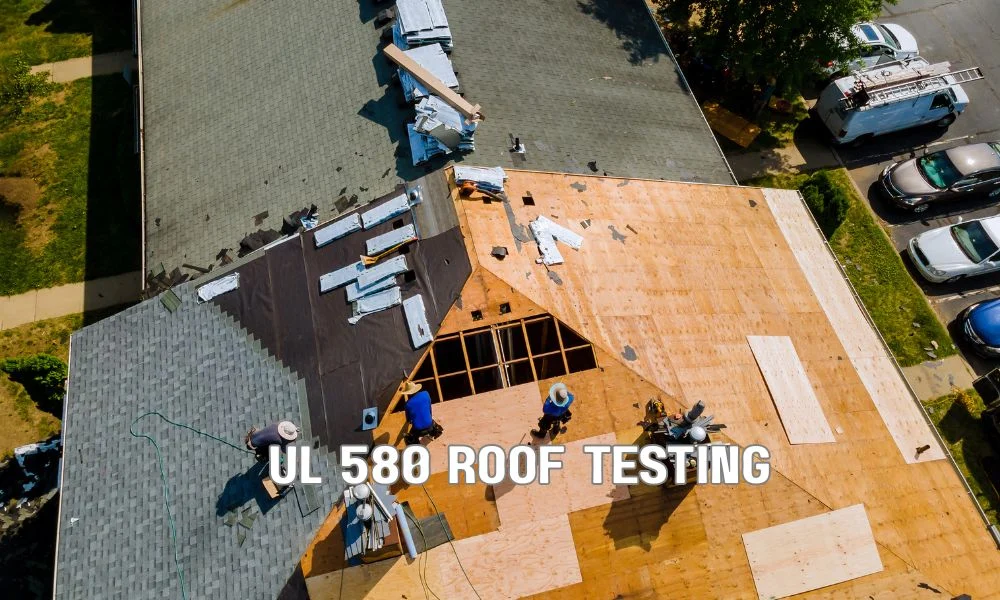
UL 580, “Standard for Uplift Resistance of Roof Assemblies,” assesses a roof assembly’s ability to resist both external fire and high wind uplift pressures. This comprehensive test evaluates the entire roof system, including insulation, fasteners, and membrane, for its structural integrity under these dual threats. It subjects assemblies to cycles of positive and negative pressure, mimicking turbulent wind, combined with fire resistance ratings, assuring robust performance in severe conditions.
What specific performance criteria does FM 4470 establish for roofing systems?
FM 4470, “Approval Standard for Single-Ply, Modified Bitumen, Metal Panel, and Built-Up Roof Assemblies,” establishes stringent performance criteria for comprehensive roofing system approval. This standard evaluates systems against multiple hazards, including fire resistance, hail impact, high wind uplift, and even foot traffic resistance. FM 4470 certification signifies a roofing system has met rigorous durability and performance benchmarks, ensuring maximum reliability and long-term protection for commercial and industrial buildings.
Comparative Overview of Key Roof Assembly Testing Standards
Understanding the nuances of each standard helps in selecting the most appropriate roofing system for specific building requirements and environmental conditions.
| Standard | Primary Focus | Key Evaluation Criteria | Applicability/Code Relevance |
|---|---|---|---|
| TAS 100 | Wind Uplift Resistance (Static) | Uniform static air pressure, membrane adhesion/fastening | Florida Building Code (FBC) High-Velocity Hurricane Zones (HVHZ) |
| TAS 114 | Adhesion & Bond Strength | Destructive/Non-destructive pull-off tests, fastener resistance | FBC HVHZ, ensuring component securement |
| TAS 125 | Rigid Roof System Performance | Material compatibility, water absorption, hail impact, fastener pull-through | FBC HVHZ, comprehensive system durability |
| UL 580 | Wind Uplift & Fire Resistance | Cyclic static pressure, external fire exposure (UL 790 integration) | National Building Codes, Insurance Rating Agencies |
| FM 4470 | Comprehensive System Approval | Wind uplift, fire, hail, foot traffic, material quality | Commercial/Industrial Insurance (Factory Mutual), high-performance needs |
Critical Fact 2: Testing protocols often simulate pressures exceeding design loads by a significant margin to establish safety factors, guaranteeing performance even under unexpected stress.
How do certified roof assemblies reduce long-term costs and insurance premiums?
Certified roof assemblies significantly reduce long-term costs and insurance premiums by ensuring superior durability and resilience against common hazards. A roof tested and approved under standards like UL 580 or FM 4470 is proven to withstand severe weather, fire, and other stressors, drastically decreasing the likelihood of costly repairs or premature replacement. This enhanced reliability translates directly into fewer unexpected expenses for property owners.
Insurance providers recognize the reduced risk associated with certified assemblies. Buildings with demonstrably robust roofing systems present a lower claims risk, leading to more favorable policy terms and reduced premiums. Proactive investment in a tested roof is thus an investment in financial stability, minimizing both direct repair costs and ongoing operational expenditures related to insurance.
Navigating Compliance and Best Practices
What are the implications of choosing untested roof assemblies?
Choosing untested roof assemblies carries severe implications, potentially leading to catastrophic structural failure, voided warranties, and significant legal liabilities. Without verified performance data, an untested roof may fail prematurely under environmental stress, causing extensive property damage, business interruption, and putting occupants at risk. Building codes often mandate the use of certified products, making non-compliance a legal and financial hazard that can attract hefty fines and litigation.
What steps should architects and contractors take to ensure compliance?
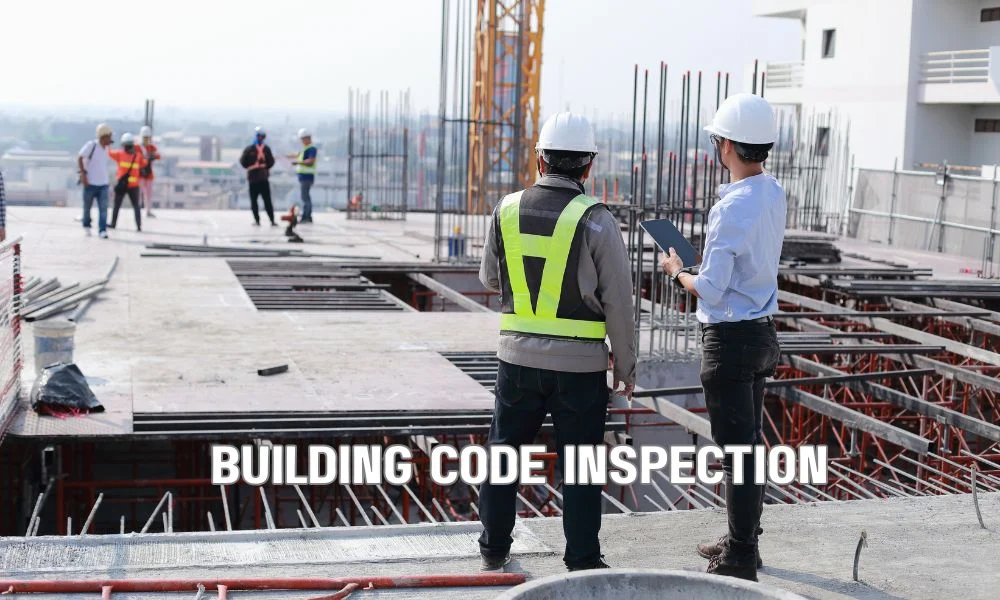
Architects and contractors must prioritize specifying and installing products with clear, verifiable certifications from reputable testing agencies to ensure compliance. This involves thoroughly reviewing product data sheets, requesting current test reports (e.g., TAS, UL, FM approvals), and understanding local building codes applicable to the project location. Additionally, ensuring proper installation by qualified professionals, strictly following manufacturer guidelines and quality control measures, and maintaining comprehensive documentation of all materials and installation processes are crucial steps for guaranteeing compliance and optimal performance.
Critical Fact 3: The initial cost difference between a tested and untested roof assembly is often negligible compared to the potential savings from extended lifespan, avoided repairs, and reduced insurance premiums.
Frequently Asked Questions
Why are Florida Building Code (FBC) standards like TAS crucial?
FBC standards, especially TAS protocols, are crucial because Florida’s High-Velocity Hurricane Zones require roofs to withstand extreme wind uplift and environmental stressors. These specific tests ensure roof assemblies provide the enhanced resilience necessary to protect structures and occupants during hurricanes, minimizing widespread damage.
Can a roof assembly be compliant with one standard but not another?
Yes, a roof assembly can be compliant with one standard but not another. Each standard has unique test parameters and performance criteria. For example, a system passing TAS 100 for static wind uplift might not meet the more comprehensive performance requirements of FM 4470, which includes hail and fire resistance.
What’s the difference between static and cyclic wind uplift testing?
Static wind uplift testing applies constant, uniform pressure to a roof assembly to determine its ultimate failure point. Cyclic testing, conversely, applies fluctuating positive and negative pressures, simulating the dynamic, turbulent forces of actual wind gusts. Cyclic tests offer a more realistic assessment of fatigue and long-term performance.
How do these tests account for varying climate conditions?
These tests account for varying climate conditions by specifying different performance levels or by requiring additional specialized testing. For instance, hail impact tests are crucial in regions prone to hailstorms, while specific fire ratings are critical in areas with wildfire risks or strict building codes for fire safety.
Does using certified roofing materials guarantee a compliant installation?
Using certified roofing materials does not automatically guarantee a compliant installation. Proper installation by skilled professionals, strictly following manufacturer specifications and local building codes, is equally critical. Incorrect installation can void material warranties and compromise the system’s tested performance.
Are these testing standards only for commercial buildings?
While commercial and industrial buildings often have more stringent requirements, many of these testing standards, or components thereof, also apply to high-performance residential roofing. Codes for wind-prone areas, like Florida’s HVHZ, often mandate TAS-compliant products for residential structures as well.
How often are these testing standards updated?
Testing standards are regularly reviewed and updated by their respective organizations (e.g., UL, FM Global, Florida Building Commission) to incorporate new research, material advancements, and lessons learned from real-world events. These updates ensure the standards remain relevant and effective in improving building safety and performance.
Where can I find documentation for certified roof assemblies?
Documentation for certified roof assemblies can typically be found on the manufacturers’ websites, through industry associations, or directly from the testing agencies themselves (e.g., UL Product iQ, FM Approvals RoofNav). Architects and contractors should always request current test reports and approval listings for specified products.
