
Executive Summary
- A new commercial roof significantly mitigates risk factors like storm damage, leading to more favorable insurance premiums in Florida’s volatile market.
- Modern, impact-resistant roofing materials such as TPO, metal, and modified bitumen qualify commercial properties for substantial wind mitigation credits and discounts.
- Proactive roof replacement can reduce depreciation surcharges commonly applied to older roofs, improving overall insurability and policy terms.
- Proper documentation, including permits, certified inspection reports, and warranties, is crucial for insurers to apply maximum premium reductions.
- Understanding the Florida Building Code updates and incorporating enhanced wind-resistant construction can unlock further savings on commercial property insurance.
- Beyond immediate savings, a new roof extends the property’s lifespan, reduces maintenance costs, and enhances property value, contributing to long-term financial health.
- Regular communication with your commercial insurer after installation ensures your policy accurately reflects the property’s updated risk profile and eligibility for discounts.
Understanding the Florida Insurance Landscape for Commercial Properties
The Florida commercial property insurance market is uniquely dynamic, primarily driven by its geographical vulnerability to hurricanes and severe weather events. Insurers operate with a heightened awareness of risk, especially concerning the structural integrity of roofs, which are often the first line of defense against tropical storms. Property owners face stringent underwriting criteria and fluctuating premiums, making strategic investments like a new roof critical for managing costs.
Critical Fact 1: Over 70% of commercial property insurance claims in Florida are directly or indirectly related to roof damage from wind, hail, or water intrusion.
What makes Florida’s commercial insurance market unique for roofs?
Florida’s insurance market is uniquely shaped by its high exposure to catastrophic weather events, primarily hurricanes and tropical storms, which place immense stress on roofing systems. This continuous threat drives insurers to assess roof age, material, and construction methods with extreme scrutiny, often mandating specific standards to qualify for coverage or favorable rates. The state’s strict building codes, which are regularly updated to enhance wind resistance, also play a significant role, pushing property owners to invest in more resilient roofing solutions.
The Direct Impact of a New Roof on Premiums
A new commercial roof serves as a powerful signal to insurers that your property’s risk profile has significantly improved. It demonstrates a proactive approach to property maintenance and protection, directly impacting the actuarial models used to calculate premiums. By reducing the likelihood of future claims related to wear, tear, or storm damage, a new roof can translate into tangible savings on your annual insurance costs, sometimes immediately.
How does roof age specifically influence commercial insurance rates?
Roof age is a paramount factor for commercial insurers in Florida, often leading to significantly higher premiums or even non-renewal for older roofs. As roofs age, their materials naturally degrade, becoming more susceptible to leaks, wind uplift, and general wear and tear, increasing the probability of costly insurance claims. Insurers typically apply depreciation schedules, making older roofs less attractive to cover due to their increased perceived risk and reduced remaining useful life.
Which new roofing materials offer the most significant insurance premium reductions?
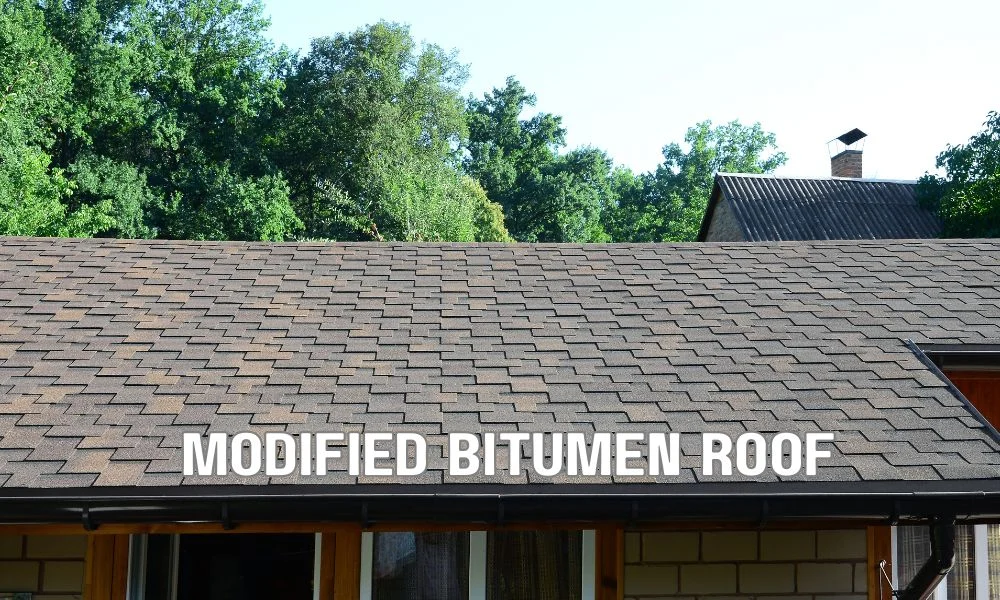
The choice of new roofing materials can dramatically influence insurance premiums, with certain types offering significant reductions due to their superior durability and resistance to Florida’s harsh weather. Metal roofing, TPO (Thermoplastic Polyolefin), and modified bitumen are highly favored by insurers for their longevity and wind resistance, often qualifying for specialized wind mitigation credits. These materials are less prone to damage from strong winds, hail, and UV exposure compared to traditional asphalt or gravel systems, directly lowering perceived risk.
Can wind mitigation features on a new roof lower my insurance costs?
Absolutely, incorporating wind mitigation features into a new commercial roof is one of the most effective strategies for lowering insurance premiums in Florida. These features, which might include specific attachment methods, reinforced decking, or impact-resistant materials, are designed to reduce the severity of damage during high-wind events. Insurers offer substantial credits and discounts for properties demonstrating robust wind mitigation, as verified by a certified wind mitigation inspection report, directly reflecting the reduced risk of future claims.
Navigating the Insurance Process with a New Commercial Roof
Successfully leveraging your new commercial roof for insurance premium reductions requires meticulous attention to the insurance process. It’s not enough to simply install a new roof; you must effectively communicate and document these improvements to your insurer. Understanding the required paperwork, inspection protocols, and timing for policy adjustments is critical to ensure you receive all eligible discounts.
What documentation is required to prove a new roof to insurers?
To prove a new roof and secure potential insurance premium reductions, insurers typically require comprehensive documentation. This includes the building permit issued by the local municipality, which validates the legality of the construction. Additionally, a detailed invoice from the licensed roofing contractor, specifying materials used and the installation date, is essential. Crucially, a certified “Roof Inspection Report” or “Wind Mitigation Inspection Report” completed by a licensed inspector will provide the technical details insurers need to assess the updated risk profile.
**Critical Fact 2:** A professional wind mitigation inspection, conducted by a licensed inspector, can identify up to 7 distinct features on a commercial roof that qualify for significant insurance discounts.
How often should I re-evaluate my policy after roof replacement?
It is highly recommended to re-evaluate your commercial property insurance policy immediately after the installation of a new roof, and then at least annually during your policy renewal period. The initial re-evaluation ensures that your insurer updates your risk profile and applies any eligible discounts promptly. Annual reviews are crucial for discussing any further improvements, understanding changes in market rates, and ensuring your coverage remains adequate and cost-effective, particularly in Florida’s dynamic insurance landscape.
| Roof Material Type | Average Lifespan (Years) | Typical Wind Resistance | Initial Cost Index (1-5) | Potential Insurance Savings (Est.) |
|---|---|---|---|---|
| TPO (Thermoplastic Polyolefin) | 20-30+ | Excellent (150+ mph) | 3 | High (15-25%) |
| Metal (Standing Seam) | 40-60+ | Superior (160+ mph) | 5 | Very High (20-30%) |
| Modified Bitumen | 15-25 | Good (130-140 mph) | 2 | Moderate (10-18%) |
| Asphalt Shingles (Commercial Grade) | 15-20 | Fair (110-120 mph) | 1 | Low to Moderate (5-12%) |
| EPDM (Rubber) | 20-30+ | Excellent (140+ mph) | 3 | High (12-20%) |
Long-Term Benefits and Strategic Considerations
While the immediate reduction in commercial property insurance premiums is a significant advantage, a new roof offers a multitude of long-term benefits that extend beyond annual policy costs. These strategic advantages contribute to the overall financial health, operational efficiency, and market value of your commercial property, making the investment highly worthwhile.
Beyond premiums, what are the long-term financial benefits of a new commercial roof?
Beyond immediate premium reductions, a new commercial roof offers substantial long-term financial benefits, including enhanced property value and marketability, making the building more attractive to tenants and buyers. Modern roofing systems often come with improved insulation properties, leading to significant energy cost savings through reduced heating and cooling demands. Furthermore, a new roof minimizes unexpected maintenance and repair costs associated with an aging or failing system, ensuring operational continuity and budget predictability.
Are there any potential drawbacks or hidden costs to consider with a new roof?
While highly beneficial, installing a new commercial roof does involve a significant upfront capital expenditure. Property owners must also factor in potential business disruption during installation, especially for actively operating commercial spaces. It’s crucial to select a reputable contractor to avoid issues that could lead to unexpected costs or voided warranties, as poor installation can negate the benefits and even complicate future insurance claims.
Critical Fact 3: The average ROI for a commercial roof replacement, considering insurance savings, energy efficiency gains, and extended asset life, often falls between 7-10 years.
Frequently Asked Questions
How soon after roof replacement will my insurance premium decrease?
Typically, your insurance premium can decrease immediately after you submit the required documentation, such as a completion certificate and wind mitigation report, to your insurer. Most companies will process the change within one billing cycle, applying the new rate from the date of the inspection.
Do all roofing materials qualify for the same insurance discounts?
No, different roofing materials offer varying levels of insurance discounts. Insurers heavily favor materials known for their superior wind resistance, durability, and longer lifespans, such as metal, TPO, and modified bitumen, over standard asphalt shingles.
Is a wind mitigation inspection mandatory after a new roof installation?
While not strictly mandatory, a wind mitigation inspection is highly recommended. It provides certified documentation to your insurer, detailing the new roof’s protective features, which is essential for qualifying for maximum discounts and credits.
Can my insurance policy be non-renewed due to an old commercial roof in Florida?
Yes, insurers in Florida frequently non-renew policies for commercial properties with roofs exceeding a certain age (often 15-20 years), especially if they lack updated certifications or show signs of significant wear and tear, due to the increased risk of claims.
What if my contractor isn’t familiar with insurance documentation requirements?
It is critical to choose a contractor experienced with Florida’s building codes and insurance requirements. If they’re not, you may need to hire an independent inspector to ensure all necessary documentation is correctly prepared and submitted to your insurer.
Will a new roof affect other parts of my commercial property insurance?
Yes, a new roof can positively impact other policy aspects. It may lead to lower deductibles for wind-related damage, improve the overall insurability of your property, and potentially make your property more attractive to a wider range of insurers.
Are there grants or financing options available for commercial roof replacements in Florida?
Some local or state programs might offer grants or low-interest financing for energy-efficient or hurricane-resistant commercial property upgrades, including roofing. Additionally, PACE (Property Assessed Clean Energy) programs are available in many Florida counties for such improvements.
How does a new roof impact my property’s overall asset value?
A new roof significantly enhances a commercial property’s asset value by extending its functional lifespan, improving its aesthetic appeal, and reducing deferred maintenance liabilities. This makes the property more attractive to potential buyers or tenants, strengthening its market position.
