
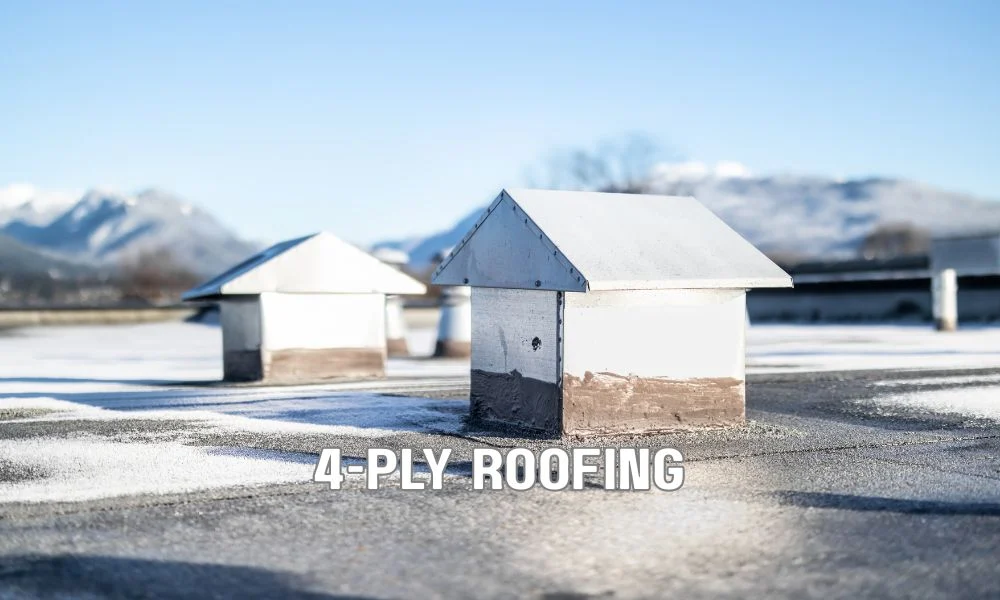
Executive Summary
- Built-Up Roofing (BUR), particularly 4-ply asphalt systems, continues to offer unmatched durability and weather resistance for Florida properties well into 2026.
- Its multi-layer construction provides superior protection against extreme heat, UV radiation, and high-wind events characteristic of the Florida climate.
- Advanced asphalt formulations and cool roof coatings enhance BUR’s energy efficiency and sustainability profile, meeting modern environmental demands.
- When professionally installed and properly maintained, 4-ply BUR systems deliver an exceptional return on investment over their extended lifespan.
- BUR offers a cost-effective long-term solution, often outperforming single-ply alternatives in specific Florida commercial and industrial applications.
- Innovations in materials and application techniques ensure BUR remains a competitive and reliable roofing choice for property owners facing unique regional challenges.
The Enduring Legacy of Built-Up Roofing in 2026
Built-Up Roofing (BUR), often heralded as the “granddaddy” of low-slope roofing systems, continues its reign as a highly effective and reliable choice, particularly for property owners in challenging climates like Florida. In 2026, its multi-layer redundancy, proven resilience, and adaptability to regional demands cement its status, especially when considering the robust 4-ply asphalt variant. This traditional system, comprising alternating layers of bitumen (asphalt) and reinforcing fabrics (felts), topped with a protective surface, has evolved significantly, integrating modern materials and application techniques to meet contemporary performance expectations. It’s a system built for endurance, designed to withstand the relentless sun, torrential rains, and hurricane-force winds that define Florida’s weather patterns.
Critical Fact 1: Built-Up Roofing (BUR) systems have a documented service life exceeding 30-40 years when installed correctly and maintained, making them one of the most durable low-slope roofing options available.
Why is 4-Ply Asphalt Still a Top Choice for Florida Properties?
4-ply asphalt BUR remains a top choice in Florida due to its exceptional resilience against the state’s severe weather and high UV exposure, combined with its long-term cost-effectiveness. The system’s multiple layers of asphalt and felt create a monolithic, impenetrable barrier that inherently resists water intrusion, punctures, and thermal shock far better than many thinner, single-ply alternatives. Each layer adds a redundant waterproof membrane, ensuring that even if one layer is compromised, underlying layers continue to protect the building. This multi-ply strength is crucial for properties facing intense sun, heavy downpours, and the constant threat of hurricane-force winds, which can stress lesser systems.
How Does 4-Ply BUR Compare to Modern Single-Ply Systems in Florida’s Climate?
In Florida’s climate, 4-ply BUR systems typically offer superior puncture resistance and a more robust defense against wind uplift compared to many modern single-ply membranes like TPO or EPDM. While single-ply systems can be quick to install and offer reflective surfaces, their single layer inherently presents a higher risk of total system failure from a single puncture or seam separation, a critical vulnerability in a region prone to debris impact and extreme weather. BUR’s mass and layered composition provide a substantial thermal buffer, mitigating the severe temperature fluctuations that accelerate the aging of all roofing materials. The sacrificial surfacing layer (gravel or coating) further protects the underlying membranes from UV degradation, extending the system’s overall lifespan significantly beyond that of exposed single-ply membranes.
| Feature | 4-Ply Asphalt BUR (Florida) | TPO Single-Ply (Florida) |
|---|---|---|
| **Puncture Resistance** | Excellent (Multi-layer redundancy) | Good (Single layer, vulnerable to sharp impact) |
| **UV Resistance** | Excellent (Sacrificial surfacing/coating) | Good (Proprietary additives, can degrade over time) |
| **Wind Uplift Resistance** | Very High (Heavy, fully adhered system) | High (Adhered/mechanically fastened, depends on attachment density) |
| **Installation Complexity** | High (Requires specialized skill, hot materials) | Moderate (Seam welding, less material handling) |
| **Service Life Expectancy** | 30-40+ years | 15-25 years |
| **Initial Material Cost** | Moderate to High | Moderate |
| **Repair Ease** | Moderate (Patched with similar materials) | Moderate (Heat welding patches) |
What Are the Key Installation Best Practices for Optimal 4-Ply BUR Longevity?
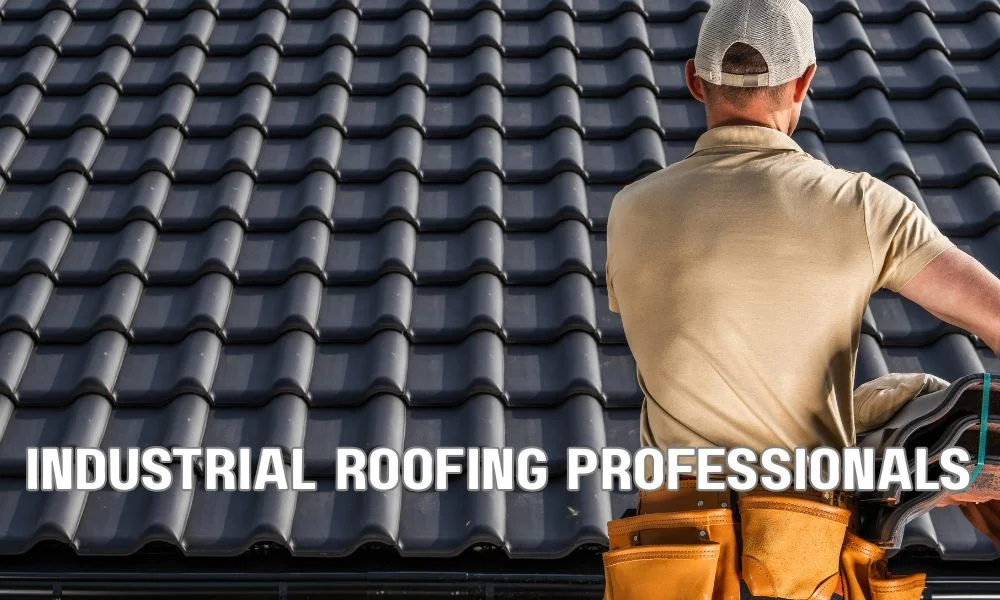
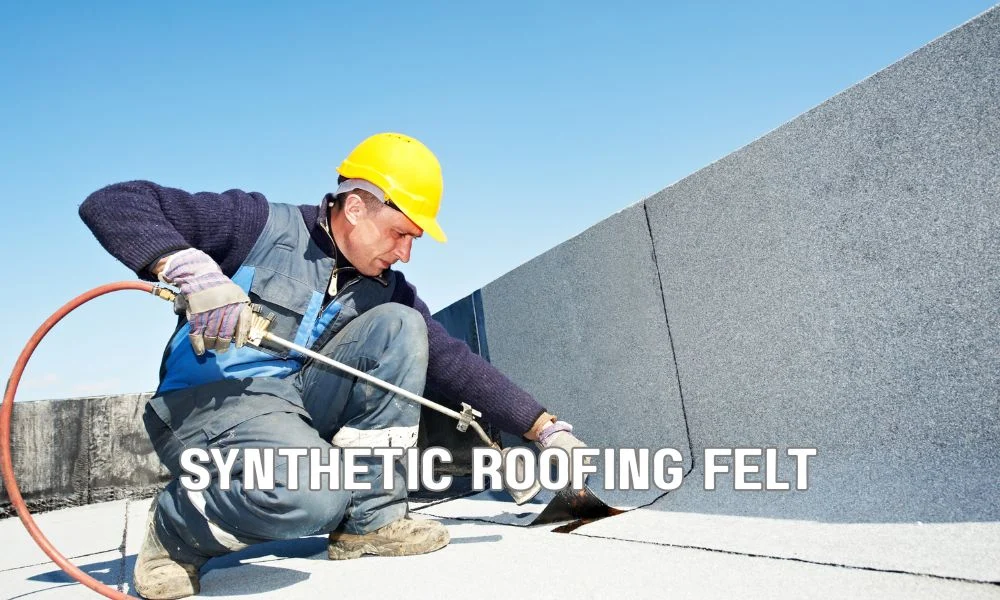
For optimal 4-ply BUR longevity, key installation best practices include meticulous substrate preparation, precise control of asphalt application temperature, and consistent embedment of reinforcing felts. The substrate must be clean, dry, and smooth to ensure proper adhesion. Asphalt should be heated to the manufacturer’s recommended “mopping” temperature, as too cold prevents full embedment and too hot degrades the asphalt. Each felt ply must be fully embedded into a uniform layer of hot asphalt, free of voids or fishmouths, creating a continuous, watertight membrane. Proper flashing details at penetrations, edges, and parapet walls are paramount to prevent water intrusion, often being the first point of failure in any roofing system. Utilizing experienced, certified roofing professionals who understand Florida building codes and BUR intricacies is non-negotiable for achieving a durable, long-lasting installation.
What Maintenance Strategies Maximize the Lifespan of a 4-Ply BUR System?
To maximize the lifespan of a 4-ply BUR system, consistent maintenance strategies are essential, including regular inspections, prompt repairs of minor damage, and ensuring proper drainage. Property owners should schedule semi-annual inspections, ideally after major weather events, to identify any cracking, blistering, ponding water, or breaches in the surfacing. Promptly repairing any small issues, such as minor membrane damage or displaced gravel, prevents them from escalating into costly leaks. Maintaining clear drains and gutters is critical to prevent water accumulation, which can prematurely age the roof and lead to structural issues. Reapplying reflective or protective coatings every 5-10 years can also significantly extend the roof’s life by shielding the asphalt from UV degradation and improving energy efficiency.
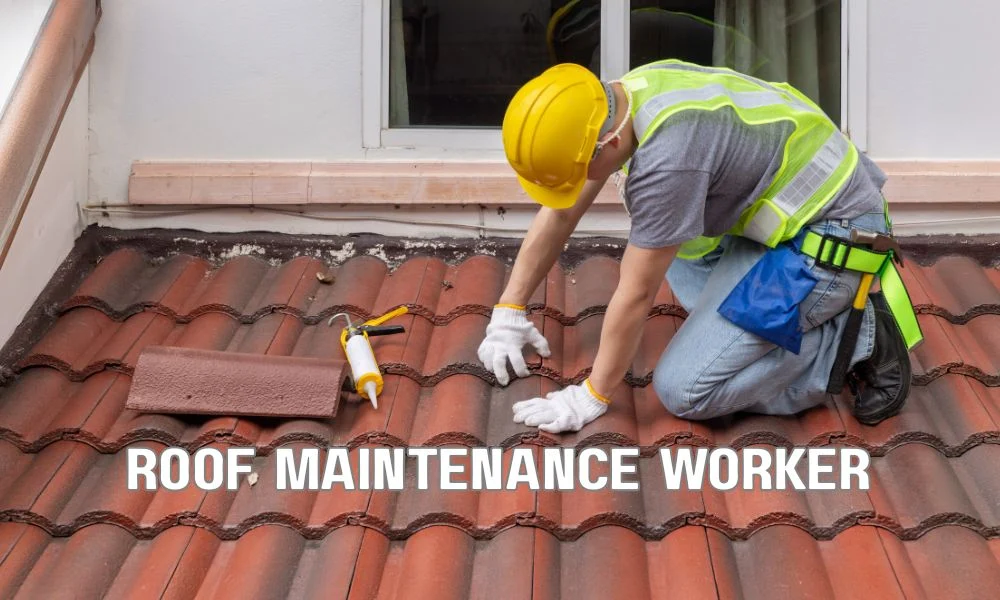
Critical Fact 2: Regular maintenance, including biannual inspections and immediate attention to minor damage, can extend a 4-ply BUR system’s lifespan by an additional 5-10 years beyond its initial projected service life.
Are There Sustainable Aspects to Modern 4-Ply BUR Installations?
Yes, modern 4-ply BUR installations incorporate several sustainable aspects, including advancements in asphalt formulations, the use of recycled content, and the integration of cool roof technologies. Asphalt itself is a petroleum byproduct, but manufacturers are increasingly using recycled rubber and plastics as modifiers to improve performance and reduce waste. Roofing felts can contain recycled paper and textile fibers. More significantly, the application of highly reflective “cool roof” coatings as the final surfacing layer can dramatically reduce the roof’s surface temperature, lowering building cooling loads and mitigating the urban heat island effect. Some systems are also designed for easier deconstruction and recycling of components at the end of their service life, contributing to a circular economy in roofing materials.
What Innovations Can Property Owners Expect in BUR Technology by 2026?
By 2026, property owners can expect several innovations in BUR technology, including enhanced asphalt modifiers, improved felts, and even more advanced reflective coatings. Asphalt modifiers will continue to evolve, offering superior elasticity, UV resistance, and adhesion properties, making the system even more resilient to Florida’s dynamic weather. Reinforcing felts may incorporate stronger, lighter synthetic fibers for increased tear strength and dimensional stability. Expect the development of “smart” BUR systems that integrate sensors to monitor moisture levels or temperature, providing real-time data for predictive maintenance. Additionally, advancements in application equipment will likely lead to more efficient and safer installation processes, reducing labor time and improving overall quality control on the job site.
Future-Proofing Your Investment with 4-Ply BUR
As we look to 2026 and beyond, 4-ply Built-Up Roofing continues to prove itself as a resilient, cost-effective, and adaptable solution for property owners in Florida. Its inherent strength, combined with ongoing innovations, ensures that it remains a premier choice for protecting valuable assets against the region’s formidable environmental challenges. Investing in a well-installed and properly maintained 4-ply BUR system is not merely a purchase; it’s a long-term strategy for durability, performance, and peace of mind.
Critical Fact 3: In Florida’s hurricane zones, the robust, fully adhered nature and multi-ply redundancy of 4-ply asphalt BUR systems often meet or exceed stringent wind uplift requirements, offering superior protection against catastrophic roof failures.
Frequently Asked Questions
What is the typical lifespan of a 4-ply asphalt BUR roof in Florida?
A well-installed and properly maintained 4-ply asphalt BUR roof in Florida can typically last between 30 to 40 years, often exceeding this range with consistent upkeep. Its multi-layered structure and durable materials are built for extreme conditions.
Is 4-ply BUR suitable for properties in high-wind hurricane zones?
Yes, 4-ply BUR is highly suitable for high-wind hurricane zones. Its heavy, fully adhered construction provides exceptional wind uplift resistance, reducing the risk of catastrophic roof failure during severe weather events.
How does 4-ply BUR contribute to building energy efficiency in Florida’s heat?
4-ply BUR can significantly contribute to energy efficiency, especially when finished with reflective “cool roof” coatings or light-colored gravel. These surfaces reflect solar radiation, lowering the roof’s surface temperature and reducing the building’s cooling load.
What are the primary maintenance requirements for a 4-ply BUR system?
Primary maintenance involves semi-annual inspections, ensuring clear drainage, and promptly repairing any minor damage such as cracks, blisters, or displaced surfacing. Occasional reapplication of protective coatings is also recommended.
Can a 4-ply BUR roof be repaired, or does it always require full replacement?
4-ply BUR roofs are highly repairable. Minor damage can often be patched using compatible asphalt and felt materials, restoring the system’s integrity without the need for a full replacement, making it a cost-effective long-term solution.
Are there sustainable options available for modern 4-ply BUR systems?
Yes, modern 4-ply BUR offers sustainable options. These include using asphalt with recycled content, felts made from recycled fibers, and the application of highly reflective “cool roof” coatings to improve energy efficiency.
How does the cost of 4-ply BUR compare to other commercial roofing systems?
While the initial installation cost of 4-ply BUR can be moderate to high, its exceptional longevity and low maintenance requirements often result in a lower lifecycle cost compared to many single-ply systems, providing greater long-term value.
What role does the asphalt type play in 4-ply BUR performance?
The type of asphalt (oxidized vs. polymer-modified) is crucial for 4-ply BUR performance, influencing flexibility, thermal shock resistance, and lifespan. Polymer-modified asphalts offer enhanced elasticity and crack resistance, ideal for Florida’s temperature fluctuations.
