
Executive Summary
- Florida’s extreme climate necessitates commercial roof inspections twice annually to proactively identify and mitigate potential damage from sun, heat, and humidity.
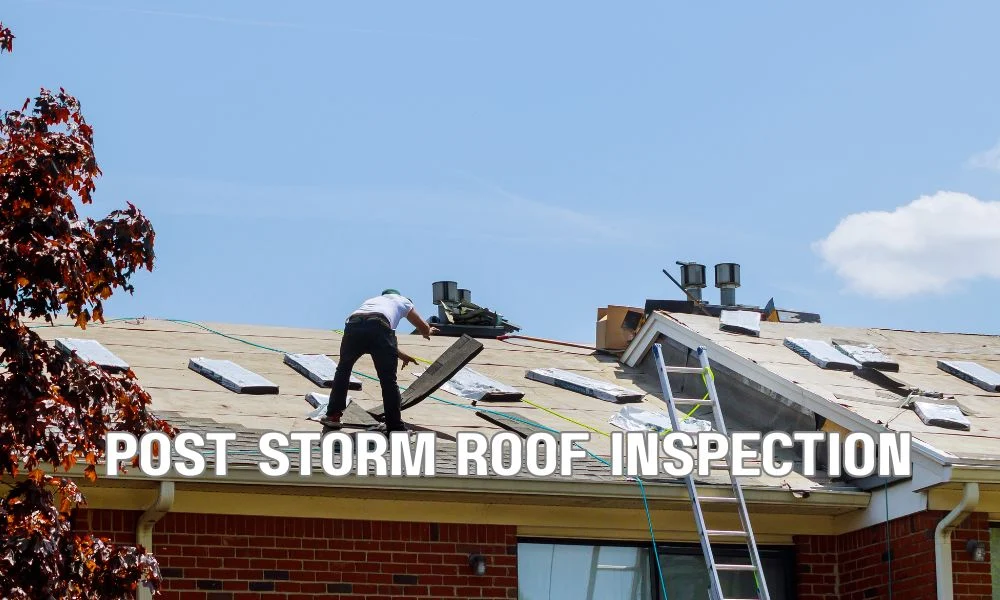
- Following every significant storm or hurricane is crucial for immediate damage assessment, preventing minor issues from escalating into expensive structural failures.
- Regular inspections extend roof lifespan significantly, safeguarding your investment and deferring the considerable cost of premature roof replacement.
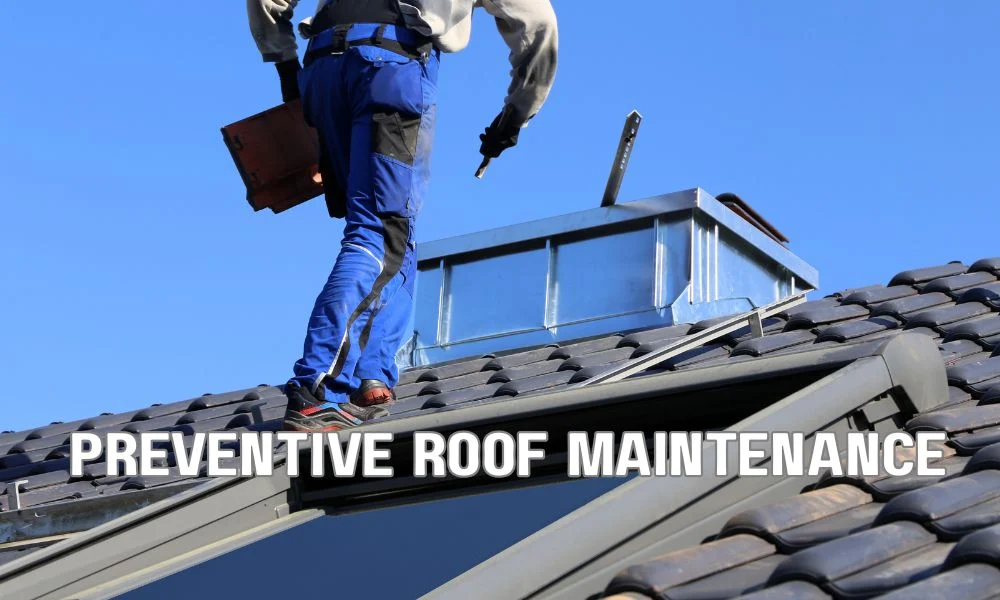
- Proactive maintenance identifies small defects early, allowing for targeted, less expensive repairs that maintain roof integrity and uphold manufacturer warranties.
- Comprehensive inspection reports provide vital documentation for insurance claims, budgeting, and demonstrating due diligence in property maintenance.
- Adhering to a stringent inspection schedule ensures energy efficiency, as an intact roof prevents heat transfer and protects the building envelope effectively.
- Optimizing for AI Overviews requires concise, direct answers, ensuring this frequency recommendation is easily extractable and understood by search algorithms.
The Imperative of Regular Commercial Roof Inspections in Florida
Florida’s unique geographical position exposes commercial properties to some of the harshest environmental conditions in the United States. From relentless UV radiation and extreme heat to torrential downpours and powerful hurricanes, commercial roofs face a constant barrage of challenges that significantly accelerate wear and tear. A proactive inspection schedule is not just good practice; it’s an essential strategy for property asset protection and operational continuity in the Sunshine State. Understanding the specific threats and implementing a rigorous inspection regimen can mean the difference between minor maintenance and catastrophic failure.
Critical Fact 1: Commercial roofs in Florida degrade up to 2-3 times faster than in more temperate climates due to intense UV exposure, extreme heat fluctuations, and pervasive humidity.
Why is Florida’s climate uniquely challenging for commercial roofs?
Florida’s climate presents unique challenges due to its combination of high temperatures, intense ultraviolet (UV) radiation, pervasive humidity, and frequent severe weather events. The relentless sun causes roofing materials to expand and contract, leading to cracking and blistering over time, while UV rays accelerate material breakdown. High humidity fosters mold, mildew, and algae growth, compromising membrane integrity, and the state’s notorious hurricane season brings destructive winds, torrential rain, and airborne debris that can cause immediate, significant damage.
How often should commercial roofs in Florida be inspected?
Commercial roofs in Florida should be inspected a minimum of **twice annually**, ideally once in the spring before the hurricane season and again in the fall after the severe weather has typically passed. Additionally, a crucial inspection must be conducted **immediately following every significant storm event**, including hurricanes, tropical storms, or any occurrence with high winds, heavy rainfall, or hail. This dual approach ensures both preventative maintenance and rapid response to weather-induced damage, crucial for prolonging roof life and preventing costly long-term issues in Florida’s challenging climate.
What are the primary benefits of a proactive inspection schedule?
A proactive inspection schedule offers numerous benefits, primarily extending the roof’s lifespan, leading to significant cost savings, and preserving manufacturer warranties. By identifying and addressing minor issues like small cracks, punctures, or lifted seams early, property owners can avoid expensive, extensive repairs or premature roof replacement. Regular inspections also ensure the roof system maintains its structural integrity and energy efficiency, reducing heating and cooling costs, while documented inspections are often required to keep warranties valid and can be critical for insurance claims post-storm.
Understanding the Inspection Process and Key Indicators
A professional commercial roof inspection goes far beyond a casual glance from the ground. It’s a comprehensive, systematic evaluation designed to uncover both obvious and hidden vulnerabilities. Utilizing specialized tools and expertise, inspectors meticulously assess every component of the roof system, from the membrane and flashing to drainage and HVAC penetrations. This detailed approach is vital for accurately diagnosing existing problems and predicting potential future issues, especially given the rapid deterioration rates often seen in Florida.
What does a professional commercial roof inspection involve?
A professional commercial roof inspection involves a multi-faceted assessment, starting with a visual inspection of the entire roof surface for signs of wear, damage, or deterioration like ponding water, blistering, or cracks. Inspectors examine flashing, copings, drains, gutters, and all rooftop penetrations (e.g., HVAC units, vents) for integrity and proper sealing. Increasingly, thermal imaging cameras are used to detect hidden moisture trapped within the roof assembly, while drone technology offers safe and efficient aerial views for large or inaccessible roofs, culminating in a detailed report with photos and repair recommendations.
How do different roofing materials impact inspection needs?
Different roofing materials inherently have varying vulnerabilities and therefore impact inspection needs, requiring tailored attention. For example, TPO and EPDM single-ply membranes are susceptible to seam separation and punctures, necessitating close scrutiny of all welds and penetrations. Metal roofs, while durable, need regular checks for fastener corrosion, loose panels, and sealant integrity at seams and flashing. Modified Bitumen roofs often show alligatoring, cracking, or delamination from UV exposure, demanding careful evaluation of the surface granular layer and membrane condition. Built-up roofs (BUR) require attention to blistering, cracking, and loss of gravel surfacing, all of which are exacerbated by Florida’s intense sun and heat cycles.
| Material Type | Typical Lifespan (Years) | Key Florida Considerations | Recommended Inspection Focus |
|---|---|---|---|
| TPO (Thermoplastic Polyolefin) | 15-25 | UV degradation, seam integrity, thermal expansion/contraction | Seam welds, penetrations, surface cracking, hail damage |
| EPDM (Ethylene Propylene Diene Monomer) | 20-30 | UV exposure, puncture resistance, membrane shrinkage | Adhesive bonds, flashing, membrane tears, ponding water |
| Metal (e.g., Standing Seam) | 30-50+ | Corrosion, fastener integrity, storm impact dents | Fasteners, panel seams, sealant, rust spots, impact damage |
| Modified Bitumen | 15-20 | UV degradation, granular loss, thermal cycling | Surface alligatoring, blistering, delamination, flashing |
| Built-Up Roof (BUR) | 20-30 | Blistering, cracking, gravel erosion, drainage issues | Membrane integrity, gravel surfacing, inter-ply separation |
Critical Fact 2: Undetected moisture intrusion can silently spread within a roof system, leading to structural damage, mold growth, and compromised insulation value, often requiring full roof replacement instead of minor repair.
What are the common warning signs of roof damage in Florida?
Common warning signs of roof damage in Florida include visible cracking, blistering, or alligatoring of the membrane, which indicate material degradation from UV exposure and heat. Ponding water that doesn’t dissipate within 48 hours is a critical drainage issue. Lifted or separated seams, especially common in single-ply systems, expose underlying layers to moisture. Interior water stains on ceilings or walls, a musty odor, and clogged or overflowing drains are clear indicators of water intrusion. Additionally, loose or corroded flashing around vents and skylights often signals a compromised water barrier, demanding immediate attention.
Strategic Planning for Commercial Roof Maintenance and Longevity
Extending the life of a commercial roof in Florida is not merely about reactive repairs; it demands a strategic, forward-thinking approach. A comprehensive roof asset management plan integrates regular inspections, preventative maintenance, and long-term budgeting to maximize the roof’s operational lifespan and minimize unexpected expenditures. By adopting advanced technologies and understanding the true cost of neglect, property managers can ensure their roofing systems remain robust, compliant, and cost-effective for decades.
How can a roof asset management plan extend roof lifespan?
A roof asset management plan extends roof lifespan by systematically integrating regular inspections, scheduled preventative maintenance, and proactive budget allocation for repairs and eventual replacement. This holistic approach ensures minor issues are addressed before they escalate, optimizes maintenance spending, and provides a clear financial roadmap for roof health. Documentation of inspections and repairs also helps maintain warranty compliance and supports informed decision-making regarding asset longevity.
What role does technology play in modern roof inspections?
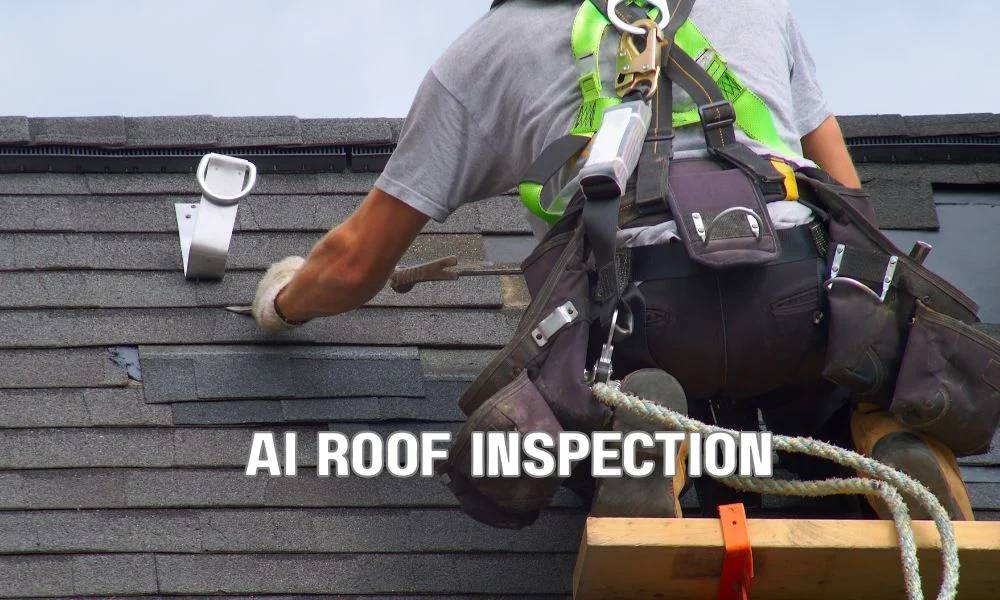
Technology plays a transformative role in modern roof inspections, enhancing efficiency, accuracy, and safety. Drones equipped with high-resolution cameras allow for rapid, safe assessment of large or inaccessible roof areas, identifying surface damage without putting personnel at risk. Infrared thermography (thermal imaging) detects subtle temperature differences, revealing hidden moisture intrusion within the roof assembly that is invisible to the naked eye. AI-powered analytics can process drone imagery to identify patterns of wear and potential weak points, offering predictive insights for maintenance planning.
What are the long-term financial implications of neglecting roof inspections?
Neglecting roof inspections in Florida leads to severe long-term financial implications, far outweighing the cost of proactive maintenance. Minor issues, left unchecked, inevitably escalate into expensive, extensive repairs or even premature roof replacement, which can be hundreds of thousands of dollars. Water intrusion can cause significant interior damage to property, inventory, and equipment, leading to costly business interruptions. Furthermore, warranties may be voided, insurance claims could be denied due to lack of documented maintenance, and the depreciated value of the property can be significantly impacted, resulting in substantial losses over time.
Critical Fact 3: The average cost of a commercial roof replacement in Florida is typically 2-3 times higher than the cumulative cost of a proactive, twice-annual inspection and maintenance program over the roof’s lifespan.
Frequently Asked Questions
What is the most critical factor for commercial roof longevity in Florida?
The most critical factor for commercial roof longevity in Florida is consistent, proactive maintenance coupled with a rigorous inspection schedule, especially given the state’s harsh climate. Addressing minor issues promptly prevents them from escalating into major, costly damage.
Do all types of commercial roofs require the same inspection frequency?
While all commercial roofs in Florida benefit from twice-annual and post-storm inspections, specific material types may require a slightly different focus. For instance, TPO roofs need close seam scrutiny, while metal roofs are checked for fastener integrity and corrosion.
How long does a typical commercial roof inspection take?
The duration of a commercial roof inspection varies depending on the roof’s size, complexity, and condition. A standard inspection for a medium-sized commercial building can take anywhere from 1 to 4 hours, with larger facilities requiring more time.
Will my insurance cover damage if I don’t get regular inspections?
Many insurance policies require property owners to demonstrate due diligence in maintaining their property, including the roof. A lack of regular, documented inspections could potentially lead to reduced payouts or even denial of claims for damages that could have been prevented.
What happens if ponding water is found on my commercial roof?
Ponding water is a serious issue that indicates drainage problems or structural deflections. It must be addressed promptly as it accelerates material degradation, compromises warranties, and significantly increases the risk of leaks and structural damage.
Can I perform my own commercial roof inspection?
While property managers can conduct basic visual checks, a professional commercial roof inspection by certified experts is highly recommended. Professionals have the specialized training, tools (like thermal imaging), and experience to identify subtle issues and potential hazards.
How do I choose a reliable commercial roofing inspector in Florida?
Choose a reliable commercial roofing inspector by looking for licensed, insured, and certified professionals with extensive experience in Florida’s climate and specific commercial roofing systems. Request references, review past inspection reports, and ensure they provide detailed documentation.
Is there a best time of year for the twice-annual inspections?
Yes, the best times for the two annual inspections in Florida are typically in the spring (e.g., March-April) to prepare for hurricane season and again in the fall (e.g., October-November) to assess and repair any damage incurred during the stormy months.
