
Executive Summary
- Florida’s extreme heat, intense UV radiation, relentless humidity, and corrosive salt air significantly accelerate the aging process of commercial roofing systems.
- Proactive selection of climate-resilient roofing materials like TPO, PVC, or specific metal systems is crucial for extending roof lifespan and reducing long-term costs.
- Regular, specialized inspections and preventative maintenance are indispensable for identifying and addressing early signs of wear before they escalate into major failures.
- Implementing advanced protective coatings and cool roof technologies can significantly mitigate thermal stress and UV damage, enhancing energy efficiency and durability.
- Understanding the unique climatic stressors allows property managers to budget appropriately for roof maintenance and replacement, avoiding unexpected capital expenditures.
- Ignoring the specific challenges of Florida’s climate leads to premature roof failure, costly emergency repairs, and potential business disruptions.
Florida’s unique geographical position and tropical climate present an unparalleled challenge for commercial building owners and facility managers. Unlike roofs in more temperate zones, commercial roofs in the Sunshine State face a relentless onslaught of environmental factors designed to accelerate deterioration. From the scorching sun and its potent UV rays to the pervasive humidity and corrosive salt-laden air, each element conspires to shorten a roof’s lifespan, leading to premature failure, costly repairs, and significant operational headaches if not properly managed. Understanding these specific climatic aggressors is the first step toward implementing robust, long-lasting roofing solutions.
Critical Fact: The combined effect of Florida’s climate can reduce the average lifespan of a commercial roof by 30-50% compared to roofs in regions with less severe weather conditions.
The Unrelenting Florida Climate Challenge
How does intense solar radiation and heat affect commercial roofs?
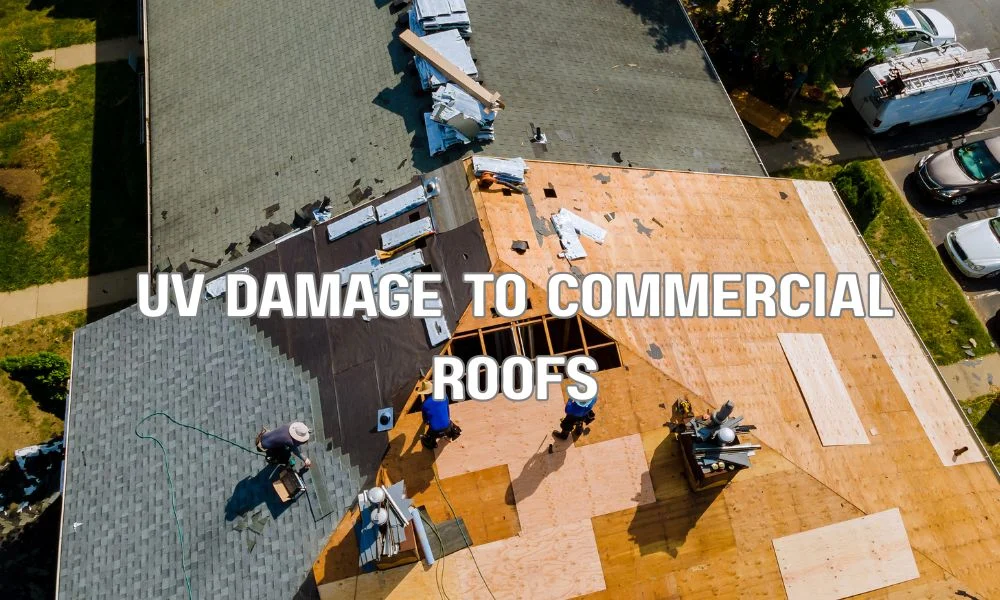
Intense solar radiation and high ambient temperatures cause severe thermal stress and photodegradation, directly impacting the structural integrity and performance of commercial roofs. The sun’s powerful ultraviolet (UV) rays break down chemical bonds in roofing membranes and coatings, leading to chalking, cracking, and brittleness over time. This process, known as photodegradation, rapidly erodes the protective layers of materials like asphalt, modified bitumen, and even certain plastics, diminishing their waterproofing capabilities. Simultaneously, the extreme heat causes materials to expand significantly during the day and contract at night, creating constant thermal cycling. This repeated expansion and contraction puts immense stress on seams, fasteners, and flashing, leading to fatigue, splits, and delamination, which are primary failure points for roofs in Florida.
What role does high humidity and rainfall play in roof deterioration?
High humidity and abundant rainfall significantly contribute to roof deterioration by promoting moisture intrusion, fungal growth, and material breakdown. Florida’s consistent high humidity creates an ideal environment for mold, mildew, and algae to flourish on roof surfaces, which can degrade protective coatings, reduce reflectivity, and lead to aesthetic issues. Persistent moisture, especially when coupled with heavy rainfall, can seep into compromised areas like micro-cracks or loose seams. Once moisture penetrates the roofing system, it can saturate insulation, leading to reduced thermal performance, increased energy costs, and the accelerated decomposition of roofing substrates. Furthermore, trapped moisture can freeze and expand in cooler winter nights (though less common in Florida, still a risk in northern parts), exacerbating damage.
How does salt air accelerate corrosion and material wear?
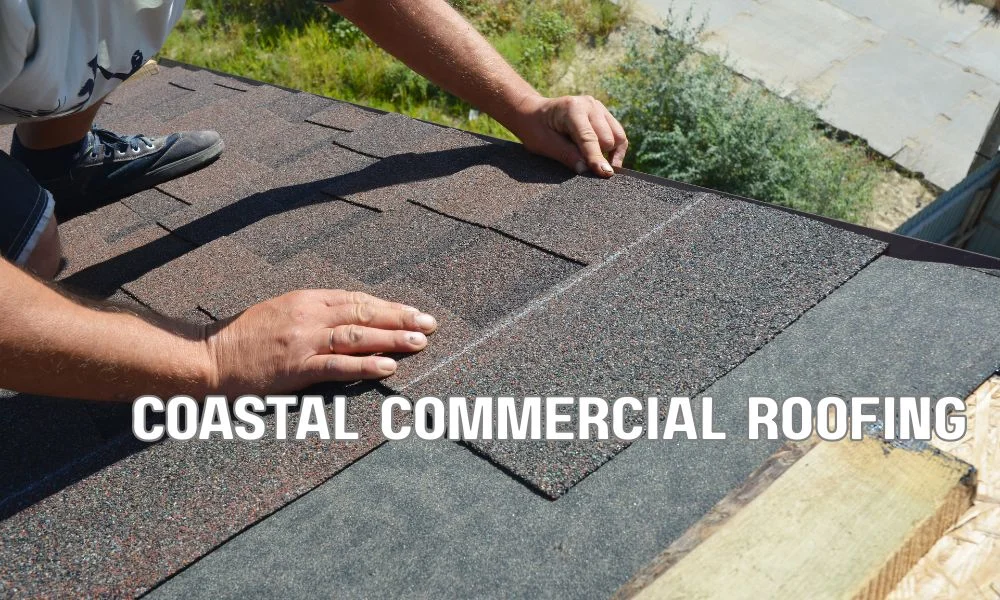
Salt air, prevalent in coastal regions, significantly accelerates corrosion of metal components and causes material wear by introducing chloride ions that break down protective layers. The microscopic salt particles carried by sea breezes deposit on roof surfaces, particularly on metal flashing, vents, HVAC units, and fasteners. These salt deposits attract and retain moisture, creating an electrolyte solution that drastically speeds up the oxidation process on exposed metals. This results in rust, pitting, and ultimately, structural weakening of crucial metal elements. Beyond corrosion, salt can also cause granular erosion on asphalt-based roofs and chemically degrade other membrane types, compromising their integrity and protective capabilities over time, making coastal commercial roofs particularly vulnerable.
Proactive Strategies for Roof Longevity
Which roofing materials are best suited for Florida’s harsh environment?
To combat Florida’s harsh environment, single-ply membranes like TPO (Thermoplastic Polyolefin) and PVC (Polyvinyl Chloride), as well as specific metal roofing systems with advanced coatings, are generally best suited. TPO is highly reflective, reducing heat absorption and UV degradation, and its heat-welded seams offer excellent waterproofing. PVC, similar to TPO, provides superior chemical resistance and durability against ponding water and biological growth. Both offer flexibility to withstand thermal cycling. Metal roofs, particularly those made of aluminum or coated steel (e.g., Kynar 500® finishes), offer exceptional longevity, impact resistance, and can be highly reflective. Modified Bitumen, especially SBS (Styrene-Butadiene-Styrene) polymer modified systems with reflective cap sheets, can also perform well due to their flexibility and ability to resist cracking.
Critical Fact: Investing in high-performance, climate-appropriate roofing materials and professional installation can extend a commercial roof’s service life by 10-15 years, significantly improving ROI.
What maintenance practices are essential for Florida commercial roofs?
Essential maintenance practices for Florida commercial roofs include quarterly inspections, proactive debris removal, gutter and drain cleaning, and prompt repair of minor damages. Structured commercial roof maintenance and preventative maintenance programs are crucial for identifying early signs of wear, such as membrane cracking, seam separation, or fastener popping, before they escalate. Debris like leaves, branches, and trash must be cleared regularly to prevent water ponding and biological growth. Gutters and drains need frequent cleaning to ensure proper water flow and prevent overflow that can saturate perimeters or cause interior leaks. Promptly addressing minor issues like small punctures, loose flashing, or compromised sealants can prevent costly widespread damage and extend the roof’s overall lifespan.
How do protective coatings and cool roof technologies extend roof life?
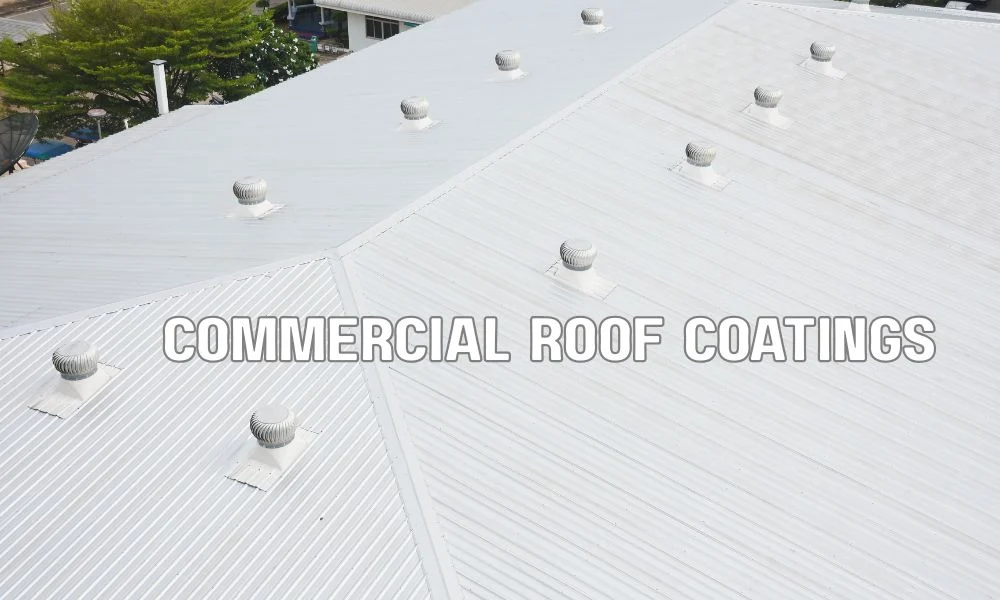
Protective coatings and cool roof technologies extend roof life by significantly reducing heat absorption, reflecting UV radiation, and providing an additional layer of weatherproofing. Reflective coatings, such as acrylic, silicone, or urethane-based elastomeric coatings, are applied directly over existing roofing membranes as part of a commercial roof coatings and restoration project. These “cool roof” systems bounce a large percentage of solar radiation back into the atmosphere, dramatically lowering the roof’s surface temperature and the building’s interior temperature. This reduction in thermal stress minimizes expansion and contraction cycles, preserving the integrity of the underlying membrane. Moreover, these coatings create a seamless, waterproof barrier that enhances resistance to UV degradation, chemical attacks, and biological growth, effectively delaying the aging process of the entire roofing system.
Understanding Roofing Material Lifespan & Suitability in Florida
Selecting the right roofing material is paramount in Florida. The following table provides a comparison of common commercial roofing types, considering their expected lifespan, typical cost range, and specific suitability within Florida’s challenging climate. These figures are estimates and can vary based on manufacturer, specific product line, installation quality, and ongoing maintenance.
| Material Type | Expected Lifespan (Years, Florida) | Typical Cost Range per Sq. Ft. (Installed) | Florida Suitability & Key Features |
|---|---|---|---|
| TPO (Thermoplastic Polyolefin) | 15-25 | $7 – $12 | Excellent UV resistance, highly reflective (cool roof), heat-welded seams, flexible, good against thermal shock. |
| PVC (Polyvinyl Chloride) | 20-30 | $8 – $14 | Superior chemical resistance, heat-welded seams, resistant to grease/oil/acids, good for restaurants/industrial sites. |
| Modified Bitumen (SBS/APP) | 10-20 | $6 – $10 | Good flexibility (SBS), decent UV resistance with granules/coatings, multiple layers for waterproofing. |
| Metal (Aluminum/Coated Steel) | 25-50+ | $10 – $25+ | Exceptional longevity, impact resistance, highly reflective coatings available, corrosion resistance (aluminum, Kynar coated steel). |
| EPDM (Ethylene Propylene Diene Monomer) | 10-20 | $6 – $11 | Good UV resistance, flexible, but black surface absorbs heat (unless white EPDM or coated). Seams are taped/adhered. |
The prolonged exposure to Florida’s intense environmental stressors means that commercial roofs require a tailored approach to material selection, installation, and ongoing maintenance. Ignoring these climate-specific challenges inevitably leads to premature roof system failure, costly repairs, and potential business interruptions. By adopting a proactive strategy that emphasizes high-performance materials, regular expert commercial roof inspections, and the integration of cool roof technologies, building owners can significantly extend the life of their commercial roofs, safeguard their assets, and ensure long-term operational efficiency and cost savings.
Critical Fact: Regular professional roof inspections, ideally conducted twice annually in Florida, can extend a roof’s life by up to 50% by catching small issues before they become catastrophic failures.
Frequently Asked Questions
Why do Florida commercial roofs fail faster than others?
Florida’s climate combines intense UV radiation, extreme heat causing thermal expansion, high humidity promoting moisture damage, and corrosive salt air in coastal areas. These factors collectively degrade roofing materials much quicker than in more temperate climates, accelerating wear and reducing lifespan.
What is the most cost-effective roofing material for Florida?
The “most cost-effective” material depends on specific building needs and budget, but TPO and PVC single-ply membranes often offer an excellent balance of durability, UV reflectivity, and heat-welded seam integrity at a competitive price point, providing long-term value.
How often should a commercial roof in Florida be inspected?
Commercial roofs in Florida should be professionally inspected at least twice annually, typically in late spring before hurricane season and again in late fall after the peak storm period. Additional inspections are recommended after any severe weather event.
Can existing roofs be protected from Florida’s harsh climate?
Yes, many existing commercial roofs can be protected through the application of highly reflective elastomeric coatings. These “cool roof” coatings significantly reduce heat absorption, deflect UV rays, and create an additional waterproof barrier, extending the roof’s life.
What are “cool roof” technologies and why are they important in Florida?
Cool roof technologies utilize materials with high solar reflectance and thermal emittance to reduce the roof’s surface temperature. In Florida, they are crucial for mitigating heat absorption, decreasing thermal stress on the roof, lowering indoor temperatures, and reducing energy consumption for cooling.
Does salt air affect all roofing materials equally?
No, salt air primarily affects metal components (fasteners, flashing, HVAC units) by accelerating corrosion. While it can also degrade other membrane types, its impact is most pronounced on metals, requiring specific corrosion-resistant coatings or materials in coastal areas.
What are the signs of climate-related roof damage to look for?
Look for signs like cracking, blistering, or chalking of membrane surfaces, visible seam separation, fastener back-out, rust on metal components, water ponding, and granular loss on modified bitumen roofs. Any unexplained leaks are also a critical indicator.
How does preventative maintenance save money on Florida commercial roofs?
Preventative maintenance identifies and addresses minor issues (e.g., small cracks, loose flashing) before they escalate into major, costly repairs or full roof replacement. It extends the roof’s lifespan, reduces emergency repair expenses, and helps avoid business interruptions.
