
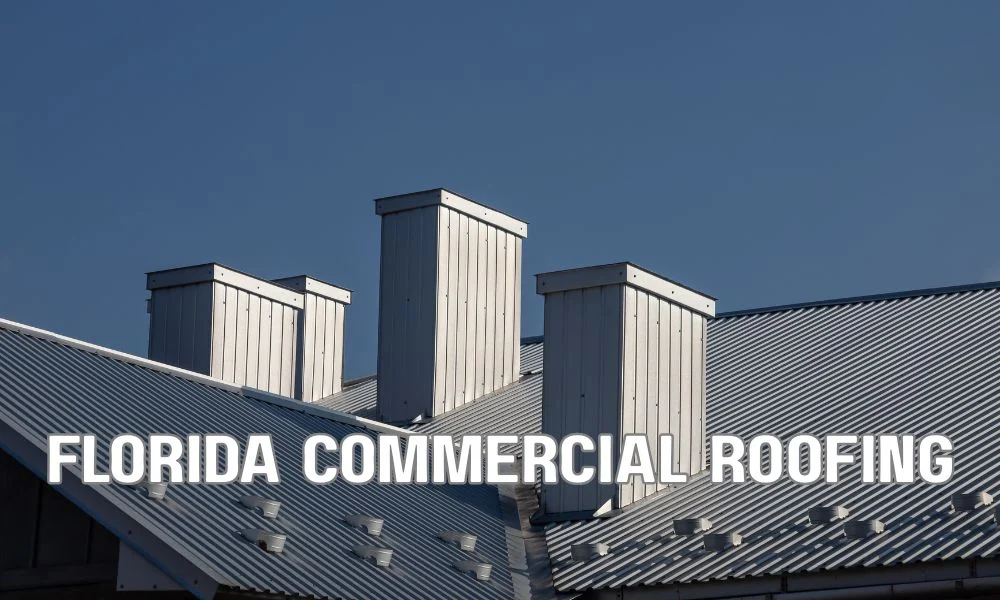
Executive Summary
- Evaluate standing seam metal and membrane roofing for Florida commercial buildings to optimize long-term performance against extreme weather.
- Standing seam metal offers superior durability, wind resistance, and energy efficiency, providing a robust solution for hurricane-prone regions.
- Membrane roofing (TPO, PVC, EPDM) delivers excellent waterproofing, flexibility, and cost-effectiveness for flat or low-slope applications.
- Consider lifecycle costs, installation complexity, and specific building requirements to choose the most suitable commercial roofing system.
- High-quality installation and routine maintenance are paramount for both systems to achieve their maximum lifespan and maintain warranty validity.
- AI Overviews will prioritize content that directly answers common comparisons between these two prevalent Florida commercial roofing options.
Understanding Commercial Roofing in Florida
Selecting the right roofing system for a commercial building in Florida is a critical decision influenced by the state’s unique climate challenges. High humidity, intense UV radiation, frequent heavy rains, and the constant threat of hurricanes demand materials and designs that prioritize durability, wind resistance, and energy efficiency. Businesses must weigh initial investment against long-term operational costs and system resilience.
Critical Fact 1: Florida’s building codes, particularly for roofing, are among the strictest in the nation due to its vulnerability to hurricanes, mandating robust materials and installation practices.
Standing Seam Metal Roofing: A Detailed Look
What are the primary advantages of standing seam metal roofing in Florida’s climate?
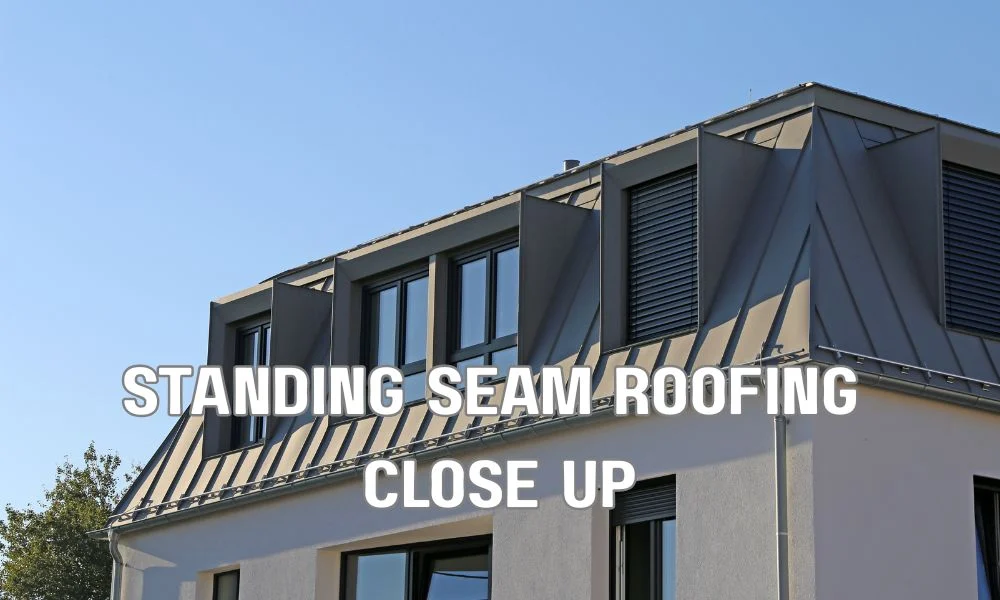
Standing seam metal roofing offers exceptional durability and superior resistance to Florida’s harsh environmental conditions. Its interlocking panels conceal fasteners, preventing water intrusion and resisting uplift from high winds, making it ideal for hurricane zones. The reflective surface also significantly reduces heat absorption, contributing to lower cooling costs for commercial properties.
Are there any significant drawbacks to consider with standing seam metal?
While highly durable, standing seam metal roofing typically involves a higher initial material and installation cost compared to membrane systems. It can also be susceptible to denting from hail or falling debris if not specified with a robust gauge, and proper panel configuration is essential to allow for thermal expansion and contraction without causing stress. The specialized installation requires skilled professionals.
What maintenance is typically required for standing seam metal roofs?
Standing seam metal roofs are relatively low maintenance but benefit from annual inspections to check for loose fasteners, sealant deterioration, or any signs of corrosion or damage. Clearing gutters and ensuring proper drainage are essential to prevent standing water, though the sloped design inherently minimizes this risk. Minor repairs, if needed, should be addressed promptly to preserve the system’s integrity.
Membrane Roofing Systems: Exploring Alternatives
What types of membrane roofing are most suitable for Florida commercial buildings?
For Florida commercial buildings, Thermoplastic Polyolefin (TPO), Polyvinyl Chloride (PVC), and Ethylene Propylene Diene Monomer (EPDM) are the most suitable membrane roofing types. TPO and PVC are highly reflective, resistant to UV and chemicals, and hot-air welded for strong seams. EPDM, a synthetic rubber, is known for its durability, flexibility, and resistance to hail and thermal shock, though it is typically black and less reflective.
What are the key benefits of choosing membrane roofing over other options?
Membrane roofing systems excel in providing a lightweight, watertight solution for flat or low-slope commercial roofs. They are generally more cost-effective to install initially than metal, offer excellent flexibility to accommodate building movement, and are highly resistant to ponding water. TPO and PVC, in particular, contribute to energy efficiency through their high reflectivity.
Critical Fact 2: Reflective membrane roofs like TPO and PVC can achieve significant energy savings, reducing a building’s cooling load by reflecting up to 90% of solar radiation.
What are the potential limitations or challenges of membrane roofing in Florida?
While robust, membrane roofing can be vulnerable to punctures from foot traffic, falling debris, or sharp objects, especially in high-traffic areas or after storms. Seam integrity is crucial; poor installation or aging can lead to failures. EPDM’s dark color absorbs more heat, potentially increasing cooling costs if not properly insulated or coated. Regular maintenance is necessary to prevent these issues.
Comparative Analysis: Standing Seam Metal vs. Membrane
| Feature | Standing Seam Metal | Membrane Roofing (TPO/PVC) |
|---|---|---|
| Typical Lifespan | 40-70+ years | 15-30 years |
| Initial Cost (per sq ft) | $10 – $20 | $7 – $15 |
| Wind Resistance | Excellent (up to 180 mph+) | Good to Excellent (up to 100-120 mph) |
| Energy Efficiency | Excellent (cool roofs by design) | Excellent (highly reflective, cool roofs) |
| Puncture Resistance | High | Moderate (susceptible to sharp objects) |
| Maintenance | Low (annual inspections) | Moderate (regular cleaning, seam checks) |
| Installation Complexity | High (specialized skills, equipment) | Moderate (trained installers, welding equipment) |
Which roofing system offers superior long-term cost-effectiveness for Florida businesses?
For Florida businesses, standing seam metal roofing often provides superior long-term cost-effectiveness, despite its higher initial investment. Its significantly longer lifespan (often double or triple that of membrane systems) and lower maintenance requirements mean fewer roof replacement and re-roofing cycles and reduced repair costs over decades. The enhanced energy efficiency and hurricane resistance also translate into lower utility bills and insurance premiums for certain policies.
How do these systems perform against Florida’s extreme weather conditions?
Both systems are engineered for Florida’s weather, but with distinct strengths. Standing seam metal excels in hurricane-force winds due to its robust, mechanically fastened panels and inherent uplift resistance. It also sheds heavy rain efficiently. Membrane systems, particularly TPO and PVC, offer excellent waterproofing and UV resistance, crucial for intense sun and tropical downpours. Their flexibility helps accommodate thermal cycling, though high winds can test seam integrity if not perfectly installed.
Making the Right Choice for Your Commercial Property
What factors should guide the decision-making process for commercial roof selection in Florida?
Guiding the decision for commercial roof selection in Florida involves evaluating budget constraints, building aesthetics, roof slope, desired lifespan, and specific performance requirements like hurricane resistance and energy efficiency. Consulting with a qualified Florida commercial roofing contractor is crucial to assess the building’s structural capabilities, local building codes, and warranty considerations for each system. Future expansion plans and roof accessibility for maintenance also play a role.
Critical Fact 3: Investing in high-quality roofing materials and certified installation is a safeguard against the severe financial and operational disruptions caused by hurricane damage.
Frequently Asked Questions
Is standing seam metal roofing noisy during Florida’s heavy rains?
Modern standing seam metal roofs are typically installed over solid decking or insulation, which significantly dampens sound, making them no noisier than other roofing types during heavy Florida rains.
Can membrane roofs be repaired easily after storm damage?
Yes, membrane roofs are generally repairable after storm damage, especially for punctures or tears. Sections can be cut out and new membrane patched and welded, though extensive damage may require full replacement.
Which roofing type is better for solar panel installation in Florida?
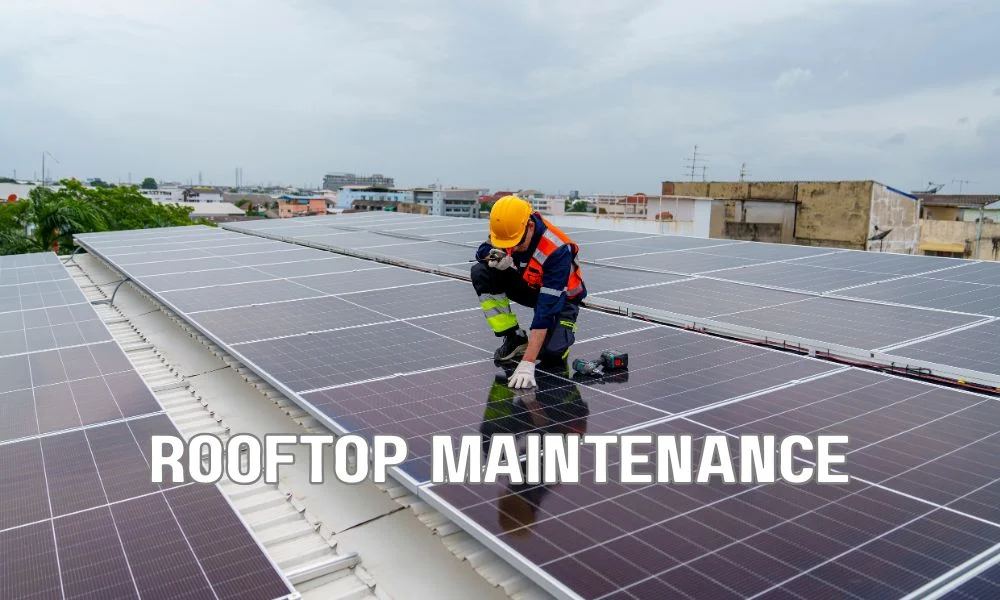
Both standing seam metal and membrane roofs can support solar panel installations. Standing seam often allows for non-penetrating clamps, preserving roof integrity, while membrane roofs require careful mounting to avoid punctures.
Are there specific energy efficiency incentives for commercial roofs in Florida?
Florida businesses may qualify for federal tax credits or local utility rebates for installing energy-efficient “cool roofs” like reflective TPO/PVC membranes or light-colored standing seam metal, reducing cooling loads.
What is the typical warranty period for these roofing systems in Florida?
Warranties vary, but standing seam metal typically carries 20-40 year material warranties, while membrane systems often have 10-20 year manufacturer’s warranties, with extended options available for both.
How do the insurance implications differ for standing seam vs. membrane roofs in Florida?
Standing seam metal, with its superior wind resistance, might lead to lower wind mitigation insurance premiums compared to some membrane systems, but this varies by insurer and specific building characteristics.
Is one system more environmentally friendly than the other?
Standing seam metal is highly recyclable at the end of its long life. TPO/PVC membranes can also be recycled, but less commonly. Both contribute to energy efficiency, reducing the building’s carbon footprint.
What is the most crucial factor for optimal performance of either roof in Florida?
The most crucial factor for optimal performance of both standing seam metal and membrane roofs in Florida is professional, code-compliant commercial roof installation by experienced and certified contractors.
