
Executive Summary
- Florida’s commercial roofs face extreme wind uplift forces, making robust design and construction paramount for structural integrity and longevity.
- Understanding FM Approvals and ASCE 7 standards is crucial for selecting roof systems that can withstand the intense wind loads common in hurricane-prone regions.
- High-Velocity Hurricane Zones (HVHZ) impose significantly stricter building codes, demanding specialized roofing solutions and installation practices to ensure compliance.
- Comprehensive wind uplift ratings, derived from rigorous testing, provide verifiable data on a roof system’s ability to resist negative pressures during severe weather.
- Proactive maintenance, regular inspections, and adherence to manufacturer specifications are essential for maintaining a roof’s certified wind uplift performance over time.
- Investing in properly rated roof systems mitigates financial risks from storm damage, reduces insurance premiums, and ensures business continuity after severe weather events.
Understanding Wind Uplift: A Critical Threat to Florida Roofs
What is wind uplift, and why is it so critical for Florida commercial roofs?
Wind uplift is the negative pressure or suction force exerted by wind flowing over and around a building, attempting to pull the roof system away from the structure. For Florida commercial roofs, this phenomenon is critically important due to the state’s frequent exposure to hurricanes and tropical storms, which generate exceptionally high wind speeds and intense uplift forces. Proper design and installation to counter wind uplift are not just about code compliance; they are fundamental to protecting building occupants, assets, and business operations from catastrophic failure.
Critical Fact 1: Wind uplift forces can be strongest at the perimeter and corners of a commercial roof, often exceeding the pressure exerted on the field of the roof by a factor of two or more, making these areas particularly vulnerable.
How do wind forces specifically impact different areas of a commercial roof?
Wind forces impact different areas of a commercial roof unevenly, creating distinct pressure zones that dictate varying structural requirements. The highest uplift pressures typically occur at the roof’s corners, followed by the perimeter edges, and then the field (or interior) of the roof. As wind flows over the building, it creates a vacuum effect, lifting the roof membrane, insulation, and fasteners. This differential pressure requires roofing systems to be designed with varying fastening densities or adhesion strengths across these zones to ensure uniform resistance against detachment.
Navigating Key Standards: FM Approvals and ASCE 7
What role do FM Approvals play in ensuring roof system resilience?
FM Approvals, a part of FM Global, plays a vital role in ensuring roof system resilience by independently testing and certifying building materials and assemblies for commercial and industrial use. Their rigorous testing protocols, particularly the FM 4470 standard for Class 1 Roof Assemblies, evaluate a system’s ability to withstand various hazards, including severe wind uplift, hail, and fire. A roof system bearing an FM Approved rating signifies that it meets stringent performance criteria, offering verifiable assurance of its durability and resilience against the severe weather common in Florida.
How does ASCE 7 inform the structural design for wind loads?
ASCE 7, “Minimum Design Loads and Associated Criteria for Buildings and Other Structures,” is the primary standard informing the structural design for wind loads in the United States, including Florida. It provides comprehensive guidelines for calculating design wind pressures based on factors such as building height, exposure category (e.g., urban, suburban, open terrain), topography, and wind speed maps. Engineers use ASCE 7 to determine the required resistance values for roof components, ensuring that the entire assembly, from the structural deck to the top membrane, can collectively withstand anticipated wind uplift forces.
The High-Velocity Hurricane Zone (HVHZ) Advantage
What defines Florida’s High-Velocity Hurricane Zones, and why are they unique?
Florida’s High-Velocity Hurricane Zones (HVHZ) are specific geographic areas, primarily Miami-Dade and Broward counties, defined by building codes due to their historical exposure to extremely powerful hurricanes. What makes HVHZ unique is the significantly heightened and more stringent building code requirements compared to other regions. These codes mandate higher design pressures, more robust materials, advanced fastening techniques, and comprehensive testing protocols to ensure commercial roofs can withstand sustained hurricane-force winds and devastating gusts, minimizing damage and preventing structural failures.
Critical Fact 2: Buildings in Florida’s HVHZ (High-Velocity Hurricane Zones) are subject to some of the most stringent building codes in the world, including specific requirements for enhanced fastener spacing and larger fasteners for roof assemblies to achieve superior wind uplift resistance.
What specific building code requirements apply to commercial roofs in HVHZ areas?
Commercial roofs in HVHZ areas are subject to specific building code requirements that surpass national standards. These include stricter fastener spacing and pull-out resistance, often necessitating mechanical attachment or fully adhered systems with higher adhesive rates than in non-HVHZ regions. All roof components, from insulation to membranes, must be HVHZ-approved, which typically involves demonstrating compliance with TAS (Testing Application Standards) protocols, such as TAS 114 (Uplift Resistance), TAS 110 (Membrane Testing), and TAS 105 (Fastener Corrosion Resistance). These rigorous demands ensure maximum resilience against hurricane-force winds, and working with a commercial roofing company in Florida that routinely permits HVHZ projects prevents costly approval delays and rejected submittals.
| Roof Assembly Type | Typical Wind Uplift Rating (psf) | Key Characteristics | HVHZ Suitability |
|---|---|---|---|
| Mechanically Attached Single-Ply | 45 – 90+ | Membrane fastened to deck with plates/screws. | Good, with enhanced fastener patterns & specific products. |
| Fully Adhered Single-Ply | 90 – 150+ | Membrane fully bonded to insulation/substrate with adhesive. | Excellent, often preferred due to continuous adhesion. |
| Ballasted System | 30 – 60 | Membrane loose-laid, held down by gravel/pavers. | Limited, generally not suitable for HVHZ due to projectile risk. |
| BUR/Mod-Bit (Adhered) | 80 – 120+ | Multiple layers adhered with asphalt/modified bitumen. | Good, with proper adhesion methods and reinforcing plies. |
| Structural Standing Seam Metal | 100 – 180+ | Interlocking metal panels fastened to purlins/deck. | Excellent, if panels and clips meet HVHZ standards. |
Achieving Compliance: Testing, Materials, and Installation
What testing methods validate a roof system’s wind uplift resistance?
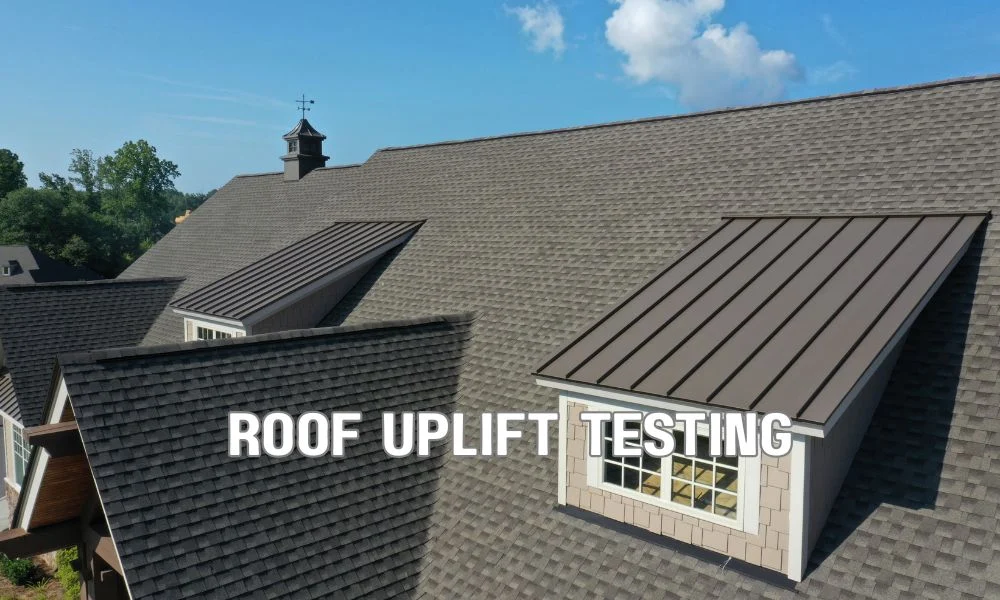
Various testing methods validate a roof system’s wind uplift resistance, simulating the forces experienced during extreme weather events. The most common include destructive uplift tests (e.g., ASTM E108 for fire, TAS 114 for uplift in HVHZ), which determine the point of failure for specific assemblies in a controlled environment. Field uplift tests, often using calibrated equipment like a “vacuum box,” apply negative pressure to a section of an installed roof to verify its resistance on-site. These tests ensure the system meets or exceeds the specified design pressures.
How do material selection and installation practices influence wind uplift performance?
Material selection and installation practices profoundly influence wind uplift performance. High-quality, robust membranes (TPO, PVC, EPDM, modified bitumen) with strong tensile strength and tear resistance are foundational. Insulation boards must be dense and securely attached to the deck, providing a stable substrate. Fastener type, spacing, and embedment depth are critical; inadequate fastening is a primary cause of roof failure. Furthermore, precise adhesion, seam welding, and flashing details are paramount to prevent water intrusion and provide continuous resistance across the entire roof envelope. Professional commercial roof installation adhering strictly to manufacturer specifications and building codes ensures the theoretical uplift rating is achieved in practice.
Long-Term Resilience: Maintenance and Re-Certification
What ongoing maintenance practices are crucial for preserving wind uplift ratings?
Ongoing maintenance practices are crucial for preserving wind uplift ratings and extending the lifespan of a commercial roof. Regular inspections, especially after severe weather, help identify compromised areas like loose fasteners, delaminated seams, or damaged flashing before they escalate. Prompt repair of any discovered deficiencies, removal of debris, and ensuring proper drainage prevent water accumulation and maintain the integrity of the roof system’s attachment points. Adhering to manufacturer-recommended maintenance schedules safeguards the roof’s certified performance against wind uplift over its service life.
When is re-certification necessary for an existing commercial roof system?
Re-certification for an existing commercial roof system becomes necessary under several circumstances. Significant repairs or alterations to the roof assembly can compromise its original uplift rating, requiring re-evaluation. If a building changes ownership or its occupancy classification, new insurance requirements or updated building codes might necessitate re-certification to ensure compliance. Additionally, after a major storm event where the roof has sustained damage, even if repaired, a re-certification process might be prudent to verify its restored integrity and continued ability to withstand future wind loads.
Critical Fact 3: Failing to maintain proper wind uplift resistance in Florida can lead to severe penalties, including invalidated insurance claims, costly repairs, and even legal liabilities if roof failure causes damage to neighboring properties or endangers lives.
Frequently Asked Questions
What is the minimum wind uplift rating required for a commercial roof in Florida?
The minimum wind uplift rating varies significantly across Florida, depending on the building’s location, height, occupancy, and specific wind exposure category. For most commercial properties outside HVHZ, minimum design pressures are typically determined by ASCE 7, often resulting in requirements from 45 psf to 90 psf. In HVHZ regions like Miami-Dade and Broward counties, requirements are much higher, frequently exceeding 120 psf, and demand strict adherence to local building codes like the Florida Building Code, 7th Edition (2020) with Miami-Dade and Broward County amendments.
How do I find out my building’s specific wind uplift requirements?
To determine your building’s specific wind uplift requirements, consult a licensed structural engineer or a qualified roofing consultant familiar with Florida’s building codes. They will assess your building’s location, height, surrounding topography, and local jurisdiction, then use ASCE 7 and relevant Florida Building Code sections (especially for HVHZ) to calculate the precise design pressures your roof must withstand. Architectural plans and building permits may also contain this information.
What is the difference between FM Global and ASCE 7?
FM Global (through FM Approvals) is an insurance company and certification body that tests and approves building products and systems for performance against various hazards, including wind uplift. ASCE 7 is a national standard for minimum design loads (including wind) on structures, used by engineers to calculate wind pressures. FM Approvals certifies specific roof *assemblies* to meet certain performance levels, while ASCE 7 dictates the *calculation methods* for the wind loads those assemblies must resist.
Can a roof’s wind uplift rating decrease over time?
Yes, a roof’s wind uplift rating can decrease over time due to various factors. Material degradation from UV exposure, wear and tear, thermal expansion and contraction, improper maintenance, or damage from foot traffic or minor storms can weaken the adhesion, fasteners, or membrane. Regular inspections and timely repairs are essential to maintain the original design performance.
Are “peel and stick” self-adhered membranes suitable for wind uplift resistance in Florida?
Some “peel and stick” self-adhered membranes are indeed suitable for wind uplift resistance in Florida, but suitability depends entirely on the specific product’s ratings and installation methods. Manufacturers often offer self-adhered systems specifically tested and approved for high wind zones, including HVHZ. It’s crucial to ensure the chosen product has the necessary certifications and is installed strictly according to manufacturer specifications and local building codes.
What is the most wind-resistant commercial roofing system for Florida?
While “most wind-resistant” can be subjective and project-specific, fully adhered single-ply TPO or PVC systems, and structural standing seam metal roofs, often offer superior wind uplift resistance in Florida when properly designed and installed. These systems provide continuous adhesion or robust mechanical fastening, making them highly effective against extreme wind forces, particularly in HVHZ areas. The overall assembly, including substrate and fastening, is as critical as the membrane itself.
Does my insurance company care about my roof’s wind uplift rating?
Absolutely. Insurance companies highly value a commercial roof’s wind uplift rating. A properly rated and well-maintained roof directly correlates to reduced risk of storm damage, leading to lower premiums and more favorable policy terms. Conversely, an inadequately rated or poorly maintained roof increases risk, potentially resulting in higher premiums, coverage limitations, or even claim denials after a hurricane. Many insurers require proof of code compliance for roof systems in Florida.
How often should a commercial roof in Florida be inspected for wind uplift integrity?
A commercial roof in Florida should be inspected at least twice annually – typically in the spring before hurricane season and again in the fall after the season concludes. Additionally, immediate inspections are crucial after any significant weather event, such as a strong thunderstorm, tropical storm, or hurricane, even if no visible damage is apparent. Proactive and frequent inspections are key to identifying and addressing potential issues before they compromise the roof’s wind uplift integrity.
