
Executive Summary
- Miami-Dade NOA signifies rigorous testing for hurricane-force winds, essential for commercial roofs in high-velocity hurricane zones, ensuring unparalleled structural integrity.
- Florida Product Approval extends statewide, mandating compliance with the Florida Building Code, which is crucial for all commercial roofing projects outside of Miami-Dade.
- Selecting an approved roofing system guarantees adherence to stringent safety standards, protecting your investment and mitigating potential liabilities in severe weather conditions.
- Understanding the distinction between NOA and FPA is paramount for architects, contractors, and building owners to ensure legal compliance and optimal performance.
- Compliance with these approvals impacts insurance premiums and claim validity, reinforcing the importance of choosing certified commercial roofing products from the outset.
- These certifications are not just regulatory hurdles but vital assurances of a roof’s ability to withstand Florida’s challenging climate, enhancing long-term durability.
When embarking on a commercial roofing project in Florida, understanding the nuances of local and state building codes is not just a regulatory formality—it’s a critical foundation for durability, safety, and long-term investment protection. Among the most significant designations are the Miami-Dade Notice of Acceptance (NOA) and Florida Product Approval (FPA). These approvals dictate the standards for roofing materials and systems, particularly in a state frequently challenged by severe weather events. Navigating these requirements ensures your commercial roof is not only compliant but also resilient against the elements.
Critical Fact 1: Florida’s stringent building codes, particularly in coastal areas, are a direct response to the state’s history of hurricane damage, making product approvals like NOA and FPA non-negotiable for commercial construction.
Understanding Miami-Dade NOA (Notice of Acceptance)
What is a Miami-Dade NOA and why is it crucial for commercial roofs?
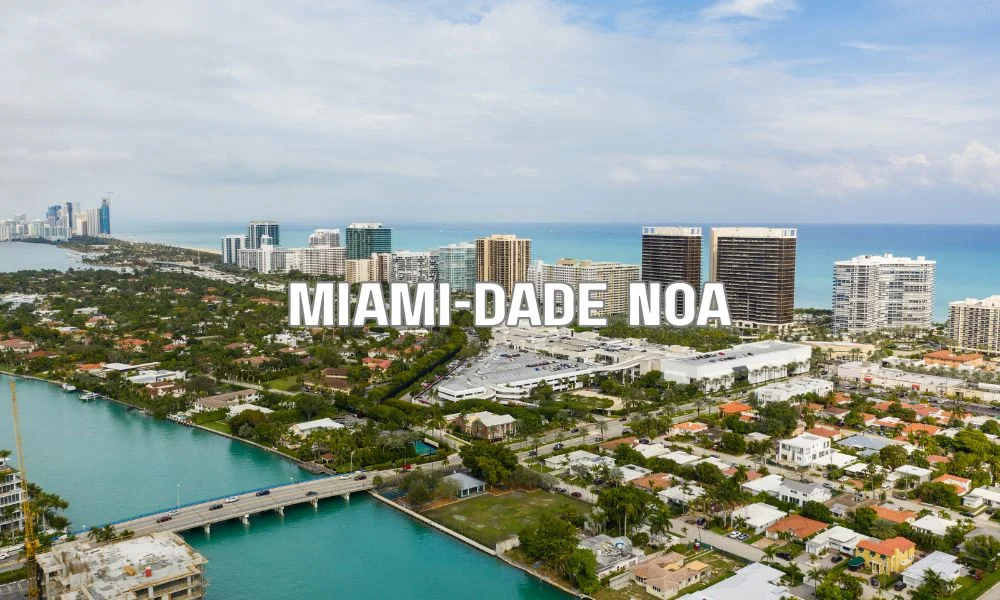
A Miami-Dade Notice of Acceptance (NOA) is a rigorous product approval system specifically developed by Miami-Dade County to certify building materials, including commercial roofing components, for their ability to withstand extreme weather conditions. It is crucial because Miami-Dade County, along with Broward, is categorized as a High-Velocity Hurricane Zone (HVHZ), necessitating the highest level of wind resistance and material integrity. This approval ensures that a commercial roof can endure the unique and severe stresses imposed by hurricane-force winds, heavy rainfall, and flying debris typical of these zones.
How does the Miami-Dade NOA testing process ensure superior resilience?
The Miami-Dade NOA testing process is among the most demanding in the world, employing a battery of tests that far exceed many national standards to ensure superior resilience. This includes large missile impact tests, cyclic pressure loading tests simulating hurricane wind forces (both positive and negative), and rigorous water intrusion tests to evaluate a system’s ability to maintain its integrity under extreme duress. These tests are conducted by third-party laboratories and results are meticulously reviewed by Miami-Dade County’s Product Control Section, guaranteeing that only the most robust materials and systems receive an NOA. The focus is on the entire roofing system – from deck attachment to top-layer membrane – ensuring every component performs cohesively.
What are the specific benefits of choosing an NOA-approved roofing system?
Choosing an NOA-approved roofing system provides unparalleled benefits in terms of structural integrity, long-term performance, and peace of mind for commercial property owners. Such systems offer superior protection against the devastating impacts of hurricanes and tropical storms, significantly reducing the risk of roof failure, costly repairs, and business interruptions. Furthermore, insurance companies often offer more favorable rates or specific coverage requirements for buildings utilizing NOA-approved materials due to their proven resilience. This compliance also simplifies the building permit process within HVHZ areas, as the approved products already meet the stringent local codes.
Decoding Florida Product Approval (FPA)
What is Florida Product Approval and how does it relate to statewide building codes?
Florida Product Approval (FPA) is a statewide system that certifies building materials, including commercial roofing products, for compliance with the Florida Building Code (FBC). It directly relates to statewide building codes by establishing a uniform standard for product performance and acceptance across Florida, ensuring that all construction outside of the specific HVHZ areas adheres to a baseline level of safety and quality. The FBC mandates that any product used in construction must either have a Florida Product Approval, be approved by local jurisdictions (e.g., Miami-Dade NOA), or be reviewed and approved by a licensed professional.
How does FPA differ from Miami-Dade NOA in scope and application?
FPA differs significantly from Miami-Dade NOA in both its scope and application, primarily concerning geographic reach and test stringency. Florida Product Approval applies statewide, serving as the benchmark for building material acceptance across all counties that fall under the general Florida Building Code, excluding the HVHZ. In contrast, Miami-Dade NOA is specific to Miami-Dade and Broward counties, which are subjected to the highest wind load requirements due to their HVHZ designation. While FPA also involves rigorous testing for wind, fire, and structural integrity, the performance thresholds for wind resistance are generally lower than those required for an NOA, reflecting the differing risk profiles across the state.
What are the implications of FPA for commercial roofing projects across Florida?
The implications of FPA for commercial roofing projects across Florida are extensive, ensuring a consistent standard of safety and performance for materials used in construction. For any commercial roof installation outside the HVHZ, selecting FPA-approved products is a legal requirement, simplifying the permitting and inspection processes. Using unapproved products can lead to project delays, fines, removal orders, and nullified warranties or insurance coverage. This statewide approval system streamlines product specification for architects and contractors, providing confidence that materials meet the FBC’s essential criteria for durability and resilience against Florida’s varied environmental challenges, whether the scope is a minor system upgrade or a full commercial roof replacement and re-roofing project.
Critical Fact 2: While Miami-Dade NOA sets the gold standard for hurricane resistance in HVHZ, Florida Product Approval ensures a foundational level of code compliance and safety for commercial roofs across the entire state.
Navigating Compliance and Selection
How do building codes determine which approval is required for my commercial roof?
Building codes determine the required approval for your commercial roof primarily based on the project’s geographic location within Florida. If the commercial property is located in Miami-Dade or Broward County, which are designated High-Velocity Hurricane Zones (HVHZ), then a Miami-Dade Notice of Acceptance (NOA) for all roofing components and systems is mandatory due to the extremely strict wind load requirements. For all other counties in Florida, the general Florida Building Code applies, and thus, Florida Product Approval (FPA) is the required certification for commercial roofing products, ensuring compliance with statewide standards.
What factors should facility managers consider when choosing between NOA and FPA compliant products?
Facility managers choosing between NOA and FPA compliant products must consider several key factors, starting with geographic location and the associated building codes. Beyond compliance, evaluate the specific wind load requirements of your building and its exposure, as a higher-performing NOA product might offer enhanced resilience even if not strictly mandated. Consider long-term durability, warranty implications, insurance benefits, and the potential for reduced maintenance or replacement costs. While NOA products often represent a higher initial investment, their superior performance in extreme conditions can yield significant savings and peace of mind over the roof’s lifespan, even in non-HVHZ areas that experience strong storms.
| Approval Type | Geographic Scope | Primary Testing Focus | Typical Wind Load Resistance | Impact Testing | Application |
|---|---|---|---|---|---|
| Miami-Dade NOA | Miami-Dade & Broward (HVHZ) | Extreme Hurricane Wind, Cyclic Pressure, Large Missile Impact | Very High (e.g., up to 200+ mph) | Required (large missile) | Mandatory in HVHZ; Often chosen for enhanced resilience elsewhere. |
| Florida Product Approval | Statewide (Excluding HVHZ) | General Wind, Fire, Structural Integrity | High (e.g., up to 150 mph) | Not Always Required (small missile, if specified) | Mandatory statewide outside HVHZ; Baseline code compliance. |
| Local Approval | Specific County/City | Local Building Amendments | Varies by jurisdiction | Varies by jurisdiction | For products not covered by FPA/NOA, or for specific local amendments. |
Long-Term Value and Risk Mitigation
How do NOA and FPA certifications contribute to a roof’s longevity and insurance benefits?
NOA and FPA certifications significantly contribute to a commercial roof’s longevity by ensuring that materials and systems have been rigorously tested to withstand specific environmental stressors, directly translating to a more durable and resilient installation. This proactive approach to quality control reduces the likelihood of premature roof failure, leaks, and material degradation. From an insurance perspective, buildings with certified roofing systems often qualify for lower premiums, specific policy endorsements, or reduced deductibles due to the minimized risk of storm damage. In the event of a claim, having a certified roof provides clear documentation of code compliance, streamlining the claims process and ensuring proper coverage.
What are the risks of installing non-approved commercial roofing products in Florida?
Installing non-approved commercial roofing products in Florida carries substantial risks, encompassing legal penalties, voided warranties, increased insurance costs, and ultimately, building vulnerability. Non-compliance with state and local building codes can result in stop-work orders, fines, and the mandatory removal and replacement of the non-approved system at the owner’s expense. Furthermore, product warranties and manufacturer guarantees may be voided if the installation does not meet specified approval standards. Critically, a non-approved roof is inherently more susceptible to damage from Florida’s severe weather, increasing the likelihood of costly repairs, business disruption, and potential liabilities from structural failure.
The journey to a successful commercial roofing project in Florida is deeply intertwined with understanding and adhering to Miami-Dade NOA and Florida Product Approval standards. These certifications are not merely bureaucratic hurdles but essential safeguards that ensure the longevity, safety, and financial viability of your investment. By prioritizing approved products and engaging an experienced Florida commercial roofing team, building owners and facility managers can confidently navigate the complexities of Florida’s building codes, securing a resilient and compliant roof for years to come.
Critical Fact 3: Failing to use NOA or FPA approved products can lead to severe legal and financial repercussions, including invalid insurance claims and mandatory, costly re-installations, far outweighing any perceived upfront savings.
Frequently Asked Questions
What is the primary difference between Miami-Dade NOA and Florida Product Approval?
The primary difference lies in their geographic scope and testing stringency. Miami-Dade NOA is specific to High-Velocity Hurricane Zones (HVHZ) like Miami-Dade and Broward counties and involves exceptionally rigorous testing for extreme wind resistance. Florida Product Approval applies statewide, excluding HVHZ, and certifies products against the general Florida Building Code, which has less stringent wind load requirements than an NOA.
Do all commercial roofing projects in Florida require product approval?
Yes, virtually all commercial roofing projects in Florida require some form of product approval. Depending on the county, either a Miami-Dade NOA or a Florida Product Approval is mandatory to ensure compliance with the Florida Building Code and local amendments. Utilizing approved products is a fundamental legal requirement.
Can I use an NOA-approved product in a non-HVHZ county?
Yes, you can absolutely use an NOA-approved product in a non-HVHZ county. Since NOA standards are more stringent, any product holding a Miami-Dade NOA will inherently meet or exceed the requirements for Florida Product Approval, offering enhanced durability and resilience for your commercial roof.
Who is responsible for ensuring products have the correct approval?
Ultimately, the building owner is responsible for ensuring compliance, but typically, the architect, general contractor, or roofing contractor will specify and procure products with the correct approvals. It’s crucial to work with experienced professionals who are knowledgeable about Florida’s building codes.
How can I verify if a roofing product has an NOA or FPA?
You can verify product approvals by searching the official databases. For Miami-Dade NOA, visit the Miami-Dade County Regulatory and Economic Resources website. For Florida Product Approval, use the Florida Building Commission’s product approval database online. Always check the current status and expiration dates.
What happens if I install a commercial roof without proper product approval?
Installing a roof without proper product approval can lead to significant issues, including failed inspections, stop-work orders, fines, mandatory removal and replacement of the roof, and invalidation of warranties and insurance coverage. This can result in substantial financial penalties and legal liabilities.
Do NOA and FPA apply to all types of commercial roofing materials?
Yes, both NOA and FPA apply to a wide range of commercial roofing materials, including single-ply membranes (TPO, EPDM, PVC), modified bitumen, built-up roofing, metal roofing, and roof coatings. Each component within a system typically requires its own individual or system-level approval.
Does product approval affect my building’s insurance rates?
Yes, having an NOA or FPA-approved commercial roof can positively affect your building’s insurance rates. Insurance providers often offer discounts or more favorable terms for properties with certified, hurricane-resistant roofing systems, as they represent a lower risk for storm-related damage and claims.
