
Executive Summary
- Comprehensive General Liability insurance is paramount, covering third-party bodily injury and property damage claims that may arise from roofing operations.
- Workers’ Compensation is legally required, protecting roofing employees from medical costs and lost wages due to on-the-job injuries.
- Commercial Auto policies cover vehicle-related accidents, essential for transporting materials and crews, safeguarding against significant financial liabilities.
- Specialized inland marine or commercial property insurance protects valuable tools, equipment, and materials, whether on-site or in transit.
- Umbrella insurance provides an extra layer of liability protection, extending coverage limits beyond primary policies for catastrophic claims.
- Understanding policy exclusions, like those for faulty workmanship, is crucial for both contractors and clients to manage expectations effectively.
- Hiring insured contractors mitigates homeowner risk, ensuring financial responsibility for accidents or damages during a roofing project.
Understanding the Cornerstone of Roofing Operations
Roofing work is inherently risky, involving heights, heavy materials, and powerful tools. Because of these dangers, a comprehensive insurance policy is not merely a formality for a roofing contractor; it is an absolute necessity for protecting their business, their employees, and their clients. Understanding what these policies cover offers peace of mind and financial security for all parties involved in a roofing project.
Critical Fact 1: An uninsured roofing accident can lead to devastating financial ruin for a contractor, often exceeding millions of dollars in damages and medical costs.
What is General Liability Insurance and Why is it Essential?
General Liability (GL) insurance is the bedrock of any roofing contractor’s protection, covering claims of bodily injury or property damage to third parties. For a roofing business, this means if a shingle falls and injures a passerby, or if a piece of equipment damages a client’s landscaping during a project, the GL policy would typically cover the medical expenses or repair costs. It also usually includes coverage for advertising injury and personal injury, such as libel or slander.
Does General Liability Cover Faulty Workmanship?
Generally, General Liability insurance *does not* cover the cost of repairing or redoing faulty workmanship itself. Its primary purpose is to cover the accidental damage or injury *resulting* from the work, not the quality of the work. If a roof leaks due to poor installation and causes interior water damage, the GL policy might cover the water damage to the home’s interior, but not the cost to fix the poorly installed roof itself. This distinction is crucial for both contractors and property owners to understand.
Protecting the Workforce: Workers’ Compensation and Commercial Auto
Why is Workers’ Compensation Insurance Mandatory for Roofing Contractors?
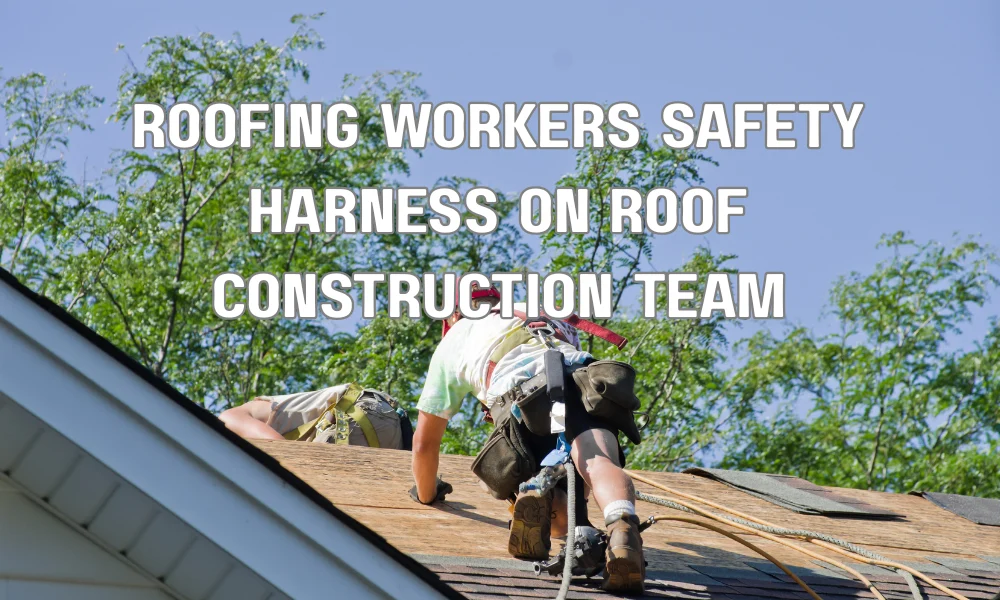
Workers’ Compensation (Worker’s Comp) insurance is a statutory requirement in almost every state for businesses with employees, including roofing contractors. This policy provides crucial financial protection for employees who suffer work-related injuries or illnesses. It covers medical treatment, rehabilitation costs, and a portion of lost wages, ensuring that injured workers receive care without needing to sue their employer. Without it, contractors face significant penalties and personal liability for employee injuries.
What Does Commercial Auto Insurance Cover for Roofing Businesses?
Commercial Auto insurance is vital for roofing contractors who rely on trucks and vans to transport materials, tools, and crews to job sites. This policy covers vehicles owned by the business against damages from accidents, theft, or vandalism. More importantly, it provides liability coverage for bodily injury and property damage claims if a company vehicle is involved in an accident, protecting the business from potentially massive financial payouts. Personal auto policies are usually insufficient for business-related vehicle use.
Beyond the Basics: Specialized Coverages and Umbrella Policies
How Do Inland Marine and Commercial Property Policies Protect Assets?
Inland Marine insurance is specifically designed to cover tools, equipment, and materials that are transported to and from job sites or stored at various locations. This is incredibly important for roofing contractors whose valuable assets are constantly on the move. It protects against theft, damage, or loss, whether the equipment is on a truck, at a client’s property, or stored in a temporary warehouse. Commercial Property insurance, on the other hand, typically covers the contractor’s office building, permanent fixtures, and any tools or materials stored at the primary business location.
Critical Fact 2: Many General Liability policies for roofing contractors carry specific exclusions for claims related to work performed at heights above two stories, necessitating careful review and potentially specialized endorsements.
When is Umbrella Insurance a Smart Investment for a Roofing Company?
Umbrella insurance provides an additional layer of liability protection above and beyond the limits of primary policies like General Liability and Commercial Auto. If a catastrophic event occurs – for example, a severe injury claim that exceeds the $1 million limit of a standard GL policy – the Umbrella policy would kick in to cover the remaining costs, potentially saving the business from bankruptcy. It’s an invaluable safety net for high-risk industries like roofing.
Understanding Exclusions and Verifying Coverage
What Are Common Exclusions in Roofing Contractor Policies?
While comprehensive, insurance policies always have exclusions – specific situations or damages that are not covered. Common exclusions in roofing policies might include:
- Damage due to war or terrorism.
- Intentional acts or criminal activity.
- Pollution or environmental damage (unless specific endorsements are added).
- Asbestos-related claims.
- Damage to the contractor’s own property (this is typically covered by Commercial Property insurance).
- Construction defect claims directly related to faulty workmanship (as discussed earlier, GL covers resultant damage, not defect repair).
It is crucial for contractors to understand their policy’s exclusions to avoid unexpected financial burdens.
Why Should Homeowners Verify a Roofing Contractor’s Insurance?
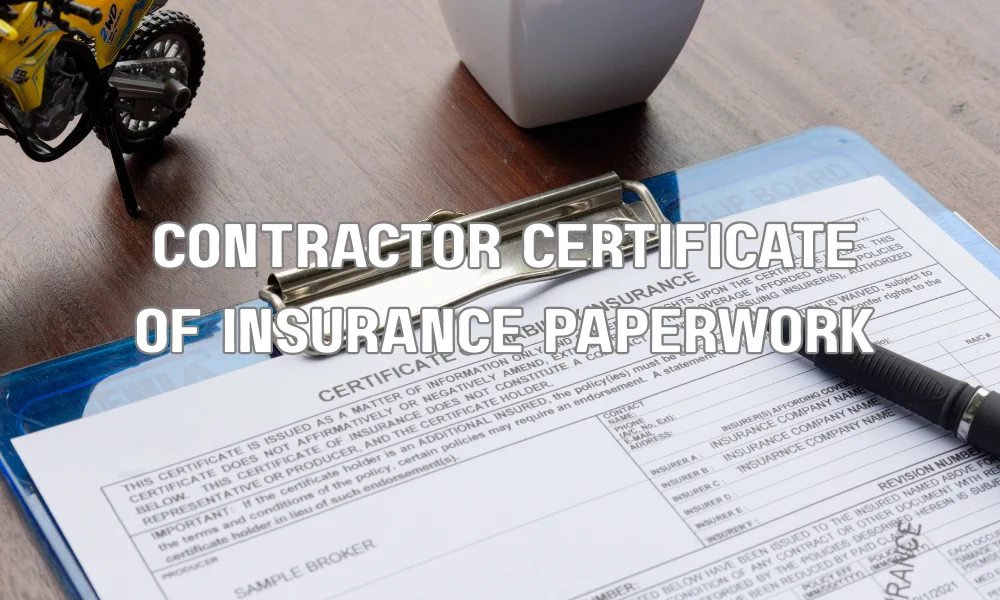
For homeowners, verifying a roofing contractor’s insurance is a critical due diligence step that protects their property and finances. If an uninsured contractor causes damage to your home or a worker gets injured on your property, you could be held personally liable for the costs. Reputable contractors should readily provide current Certificates of Insurance (COI) for General Liability and Workers’ Compensation. Always request a COI directly from the insurer, not just a copy from the contractor, to ensure its authenticity and current status.
Overview of Key Roofing Contractor Insurance Types
| Insurance Type | Primary Coverage | Typical Exclusions (General) | Why it’s Crucial for Roofing |
|---|---|---|---|
| General Liability (GL) | Third-party bodily injury, property damage, advertising injury. | Faulty workmanship (cost of repair), employee injuries, vehicle accidents. | Covers accidental damage to client property or injuries to non-employees. |
| Workers’ Compensation | Employee medical costs, lost wages from work-related injury/illness. | Non-work-related injuries, intentional self-harm. | Mandatory; protects employees and contractor from injury claims. |
| Commercial Auto | Vehicle damage, bodily injury/property damage from vehicle accidents. | Non-business use, mechanical breakdown, personal vehicle use. | Covers vehicles used to transport materials and crew; liability on roads. |
| Inland Marine | Tools, equipment, and materials in transit or on job sites. | Wear and tear, faulty installation of equipment. | Protects valuable mobile assets against theft, loss, damage. |
| Commercial Property | Business office, storage facilities, contents at primary location. | Flood/earthquake (requires separate policy), nuclear hazard. | Protects fixed assets like office space and stored inventory. |
| Commercial Umbrella | Excess liability coverage above primary policy limits. | Underlying primary policy exclusions still apply. | Provides extra financial cushion for catastrophic claims. |
Navigating the complexities of roofing contractor insurance is a critical responsibility for any business owner in this sector. A robust insurance portfolio is not just about legal compliance; it’s about safeguarding the business’s future, protecting employees, and instilling confidence in clients. Regularly reviewing and updating policies ensures that coverage remains adequate as the business evolves and faces new challenges. Partnering with a knowledgeable insurance broker specializing in construction and roofing can provide invaluable guidance to secure the most appropriate and comprehensive coverage.
Critical Fact 3: Many insurance providers offer specialized roofing contractor policies that package common coverages and include industry-specific endorsements, which can be more cost-effective and comprehensive than piecing together individual policies.
Frequently Asked Questions
What is a Certificate of Insurance (COI)?
A Certificate of Insurance (COI) is a document issued by an insurance company that verifies the existence of an insurance policy. It summarizes the coverage, limits, and effective dates, serving as proof that a contractor carries the necessary insurance.
Why can’t a personal auto policy be used for business vehicles?
Personal auto policies are not designed to cover vehicles used for commercial purposes. Business use involves different risks, liabilities, and vehicle types, which personal policies explicitly exclude, leaving a contractor uninsured in case of a business-related accident.
Do roofing contractors need professional liability insurance?
What happens if an uninsured roofer gets hurt on my property?
If an uninsured roofer gets hurt on your property, you as the homeowner could potentially be held responsible for their medical bills, lost wages, and other damages, depending on your state’s laws and your homeowner’s insurance policy.
Does insurance cover damage from subcontractors?
Yes, a responsible roofing contractor’s General Liability policy should include coverage for the actions of their subcontractors, especially if the subcontractor is uninsured or underinsured. It’s crucial for contractors to ensure their subs also carry adequate insurance.
How often should a roofing contractor review their insurance policies?
A roofing contractor should review their insurance policies at least annually with their broker. This ensures coverage remains adequate for business growth, changes in operations, new equipment, or evolving legal requirements.
Can my homeowner’s insurance cover a roofing contractor’s accident?
Your homeowner’s insurance might offer some limited coverage in very specific instances, but it is primarily designed to protect you, the homeowner, and your property, not to act as a primary insurer for a commercial contractor’s liabilities or employee injuries.
What is “Care, Custody, or Control” exclusion in GL policies?
This common exclusion means that General Liability policies typically do not cover damage to property that is in the “care, custody, or control” of the contractor at the time the damage occurs. For roofers, this often means the roof they are actively working on is excluded from property damage coverage under GL.
