
Executive Summary
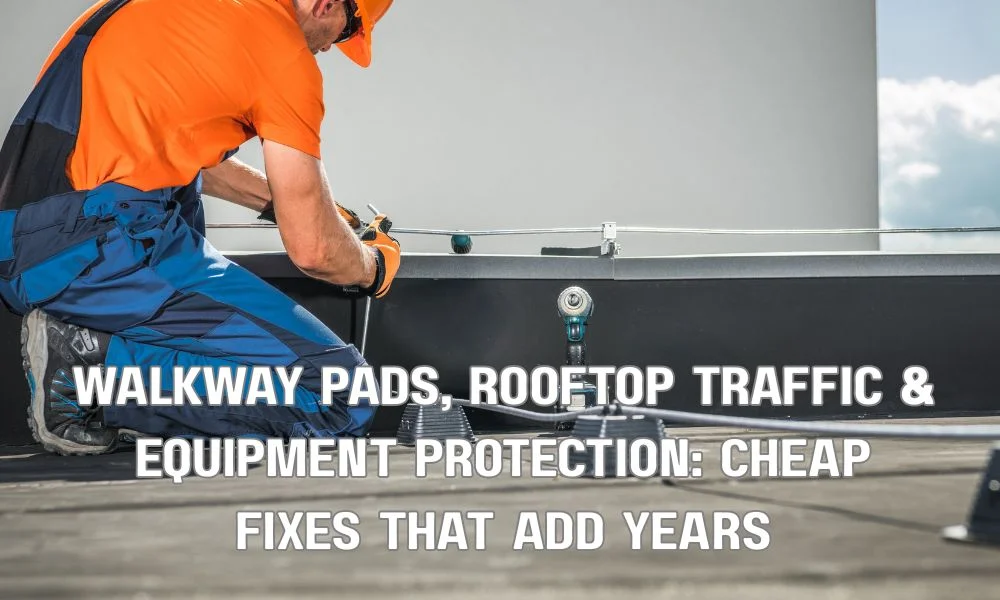
- Rooftop walkway pads offer a cost-effective solution to protect delicate membrane integrity from constant foot traffic and heavy equipment, preventing premature wear.
- Implementing durable traffic pads significantly extends the lifespan of commercial roofing systems, deferring expensive full roof replacement projects for many years.
- Strategic placement of protection pads minimizes point-load stress and abrasion, safeguarding valuable roofing materials beneath HVAC units and routine access routes.
- These inexpensive preventative measures dramatically enhance rooftop safety by providing stable, slip-resistant pathways for maintenance personnel in diverse weather conditions.
- Investing proactively in high-quality rooftop protection yields substantial long-term savings by drastically reducing emergency repairs and associated labor costs.
- Proactive installation of equipment pads mitigates vibration transfer and protects the roof from chemical spills, ensuring both roof and equipment longevity.
- Optimizing rooftop traffic flow with clearly designated walkways streamlines maintenance operations, reducing accidental damage and improving overall operational efficiency.
The Hidden Costs of Unprotected Rooftops
The cumulative impact of foot traffic, equipment movement, and environmental stressors on commercial rooftops is often underestimated, leading to significant long-term damage. Every step taken by maintenance crews, every service performed on HVAC units, and every piece of equipment installed without proper protection slowly degrades the roofing membrane. This incremental wear, characterized by abrasions, punctures, and material fatigue, compromises the roof’s integrity, initiating leaks that can escalate into costly structural damage and operational disruptions. Neglecting these seemingly minor issues invariably results in premature roof failure, demanding expensive repairs or even full roof replacement years ahead of schedule.
Critical Fact: Up to 80% of rooftop leaks in commercial buildings are directly attributable to mechanical damage caused by foot traffic, equipment movement, or installation errors on unprotected surfaces.
What are the primary risks to unprotected rooftops?
Unprotected rooftops face several primary risks, including membrane punctures, abrasions, and degradation from UV exposure and chemical spills. Foot traffic from maintenance personnel, especially without designated pathways, can compress or tear roofing materials, while heavy equipment, such as HVAC units or solar panels, can exert excessive point loads. Furthermore, tools dropped during repairs, oil or refrigerant leaks from machinery, and even the natural expansion and contraction of the roof structure are exacerbated when the surface lacks a protective barrier, leading to accelerated material breakdown.
Walkway Pads: Your Roof’s First Line of Defense
Walkway pads serve as an indispensable first line of defense, creating a robust sacrificial layer that shields the primary roofing membrane from daily wear and tear. By absorbing the impact of foot traffic and distributing the weight of equipment, these pads prevent direct contact and abrasion with the delicate roof surface. This proactive approach not only preserves the roof’s waterproofing capabilities but also maintains its structural integrity, significantly extending its serviceable life and ensuring optimal performance over decades.
How do walkway pads extend roof lifespan and prevent costly repairs?
Walkway pads extend roof lifespan and prevent costly repairs by acting as a durable barrier that absorbs mechanical stresses, dissipates heat, and resists chemical degradation. They protect the underlying membrane from punctures, scuffs, and delamination caused by human activity and equipment movement, which are common precursors to leaks. By diverting damage away from the main roofing system, pads mitigate the need for frequent, expensive patch repairs and significantly delay the necessity for a full roof overhaul. This translates into substantial long-term savings and reduced operational downtime.
Selecting the Optimal Rooftop Protection System
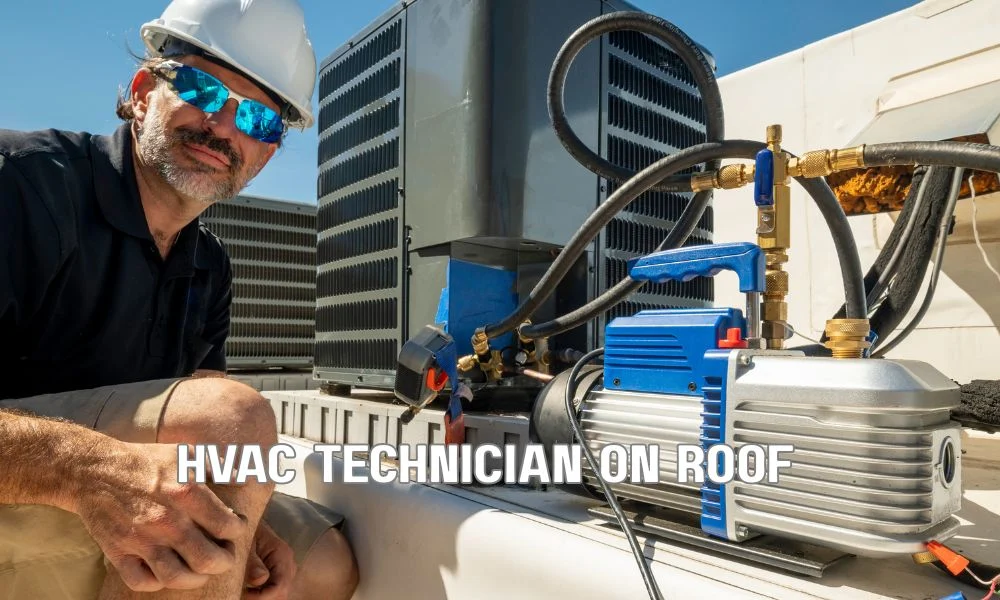
Choosing the right rooftop protection system is crucial for maximizing both roof longevity and cost-effectiveness. The optimal system depends on factors like roof type, expected traffic volume, climate conditions, and the specific equipment needing protection. Considerations range from material composition – like recycled rubber, TPO, or PVC – to installation methods, ensuring the chosen solution is compatible with the existing roof membrane and adequately addresses all potential stressors. A well-selected system offers superior resistance to UV, temperature fluctuations, and chemical exposure, providing comprehensive, tailored protection.
What types of walkway pads are available, and for what applications?
Various types of walkway pads are available, each suited for specific applications based on material, durability, and compatibility with different roofing systems. Recycled rubber pads are popular for their excellent shock absorption and slip resistance, ideal for high-traffic pedestrian paths and under heavy machinery. TPO and PVC walkway pads are formulated to be compatible with their respective single-ply roofing membranes, offering seamless integration and superior weather resistance for designated walkways around equipment. Aggregate-surfaced pads provide enhanced traction in wet conditions, while fiberglass-reinforced polymer pads offer extreme durability for highly abrasive or heavy-load areas.
How do different materials compare in terms of durability and cost-effectiveness?
Different walkway pad materials offer varying levels of durability and cost-effectiveness, making selection critical for long-term value. Recycled rubber pads are generally cost-effective upfront, highly durable, and provide excellent impact resistance and anti-slip properties, lasting 10-20 years with proper care. TPO and PVC pads, while potentially having a slightly higher initial cost, offer superior compatibility and chemical resistance with their matching roof membranes, often lasting 15-25 years. Concrete pavers, though very durable and long-lasting (20+ years), are heavy and require significant structural support, increasing installation costs. Fiberglass-reinforced polymer is extremely durable but comes at a higher premium. The “cost-effectiveness” truly emerges from minimizing future roof repairs and maximizing pad lifespan.
| Material Type | Primary Advantages | Typical Lifespan (Years) | Relative Cost | Best Applications |
|---|---|---|---|---|
| Recycled Rubber | Excellent shock absorption, slip-resistant, eco-friendly | 10-20 | Low-Medium | High-traffic pedestrian paths, under equipment bases |
| TPO/PVC (Membrane-Specific) | Seamless integration, chemical resistant, UV stable | 15-25 | Medium | Designated walkways on TPO/PVC roofs, critical access routes |
| Aggregate-Surfaced | Enhanced traction, aesthetically pleasing, durable | 15-20 | Medium-High | Steep slopes, areas requiring maximum grip, visible walkways |
| Fiberglass-Reinforced Polymer (FRP) | Extreme strength, chemical/corrosion resistant, lightweight | 20-30+ | High | Industrial areas, heavy equipment, highly abrasive environments |
Installation and Maintenance for Maximum Longevity
Proper installation and consistent maintenance are paramount for maximizing the longevity and effectiveness of any rooftop protection system. Even the highest quality walkway pads will fail prematurely if not installed correctly, leading to shifting, damage to the underlying roof, and compromised safety. A robust maintenance schedule ensures that pads remain in their intended positions, free from debris, and continue to provide the protection they were designed for, ultimately safeguarding the entire roofing asset for its projected lifespan.
What are the best practices for installing rooftop protection systems?
The best practices for installing rooftop protection systems involve meticulous surface preparation, precise placement, and securement methods tailored to the roof type. First, ensure the roof surface is clean, dry, and free of debris. Pads should be laid out to create clear, consistent pathways, typically leading to and around all service points. For loose-laid systems, weight distribution is key to prevent shifting. Adhered systems require compatible adhesives applied according to manufacturer specifications to ensure a strong, lasting bond without damaging the roof membrane. Proper edge detailing and transitions are also crucial to prevent tripping hazards and maintain aesthetic integrity.
How does regular maintenance contribute to long-term cost savings?
Regular maintenance contributes significantly to long-term cost savings by proactively identifying and addressing minor issues before they escalate into major, expensive repairs. Periodically inspecting walkway pads for wear, damage, or displacement allows for timely replacement or re-securing, preventing damage to the underlying roof. Clearing debris from around pads and equipment ensures proper drainage, averting water pooling that can degrade both the pads and the membrane. This preventative approach extends the service life of both the protection system and the roof itself, reducing emergency repair costs, minimizing operational disruptions, and ultimately deferring the need for premature roof replacement.
The Unquestionable Return on Investment of Proactive Protection
The return on investment (ROI) for implementing proactive rooftop protection solutions, such as walkway pads and equipment pads, is compelling and multifaceted. While there’s an initial outlay for materials and installation, the long-term savings from preventing roof damage, extending roof lifespan, and reducing emergency repairs far outweigh this cost. Moreover, enhanced safety for personnel reduces liability risks, and improved roof longevity contributes to the overall asset value of the building. This proactive investment safeguards not only the physical structure but also the financial health of the property.
What is the ROI for implementing rooftop traffic solutions?
The ROI for implementing rooftop traffic solutions, such as walkway and equipment pads, is substantial and typically realized through several channels. It includes extended roof membrane life (often by 5-10+ years), significantly reduced frequency and cost of roof repairs, and avoidance of catastrophic leaks that could damage interior property or disrupt operations. The investment often pays for itself within a few years through these direct savings. Additionally, improved safety for rooftop workers reduces potential liability claims and increases productivity by providing stable, predictable pathways, adding indirect but valuable returns to the overall investment.
Critical Fact: Studies show that an investment in rooftop protection systems can extend a roof’s life by 25-50%, translating into savings of tens to hundreds of thousands of dollars by delaying a full roof replacement.
Frequently Asked Questions
Why are walkway pads necessary even on new roofs?
Walkway pads are crucial even on new roofs because they immediately establish protective barriers against mechanical damage from installation crews and future maintenance traffic. This prevents initial wear and tear, ensuring the roof begins its life with full integrity, thereby maximizing its total lifespan from day one.
How do I choose the right walkway pad for my specific roof type?
Choosing the right pad involves considering your roof’s material (e.g., TPO, PVC, EPDM, modified bitumen), anticipated foot traffic, and equipment type. Manufacturer-specific pads (like TPO for TPO roofs) offer seamless compatibility, while universal options like recycled rubber suit diverse applications, prioritizing material compatibility and durability.
Can walkway pads be installed over existing roof damage?
No, walkway pads should not be installed over existing roof damage. Any existing damage must be professionally repaired first to ensure the roof’s integrity. Pads are a preventative measure; covering existing leaks or damage will only conceal and potentially worsen the underlying problem.
Are rooftop walkway pads slip-resistant in all weather conditions?
Many modern rooftop walkway pads are designed with enhanced slip-resistant surfaces to improve safety in various weather conditions, including wet or icy environments. However, no surface is 100% slip-proof, so caution should always be exercised.
How long does it take to install rooftop walkway protection?
Installation time varies depending on the roof size, complexity of the layout, and type of pads used. Smaller, simpler projects might take a day, while extensive systems on large commercial roofs could require several days or even a week with a skilled crew.
Do walkway pads require any special maintenance?
Walkway pads generally require minimal maintenance, primarily involving periodic inspection for wear, displacement, or damage, and keeping them clear of debris. Ensuring proper drainage around them prevents water pooling, contributing to both the pads’ and roof’s longevity.
What is the typical cost range for installing rooftop walkway pads?
The cost range for installing rooftop walkway pads varies widely based on material, quantity, and installation complexity, typically ranging from $5 to $20 per square foot. This includes both material and labor, but large-scale projects often benefit from bulk pricing.
Can walkway pads be removed or repositioned easily?
The ease of removal or repositioning depends on the installation method. Loose-laid or ballasted pads can be easily moved. Adhered pads, however, are bonded to the roof surface and typically require more effort, potentially damaging the roof if not removed carefully by professionals.
