
Executive Summary
- Accurately locating commercial roof leaks is challenging due to water’s extensive lateral migration, often far from the visible entry point.
- Advanced diagnostic technologies like infrared thermography and electronic leak detection are crucial for non-invasive, precise identification of hidden moisture.
- Water can travel significant distances within a roofing system, sometimes tens of feet, making visual inspection alone unreliable for source identification.
- Proactive maintenance and regular professional inspections are vital to detect minor issues before they escalate into costly, widespread leaks and structural damage.
- Understanding the specific commercial roofing material and its interaction with water ingress is critical for selecting the most effective repair and prevention strategies.
- Undetected leaks lead to severe issues including structural deterioration, mold growth, compromised insulation efficiency, and increased energy consumption.
- Partnering with experienced, certified commercial roofing contractors utilizing modern diagnostic tools ensures efficient leak resolution and long-term asset protection.
The Elusive Nature of Commercial Roof Leaks
Why are commercial roof leaks so hard to find?
Commercial roof leaks are notoriously difficult to pinpoint because water rarely enters directly where it manifests inside the building. The complex layering of commercial roofing systems, including membranes, insulation, and vapor barriers, creates a labyrinthine path for water to travel horizontally and vertically before becoming visible. This extensive migration, combined with the often-imperceptible entry points on the vast roof surface, necessitates a systematic, diagnostic approach beyond simple visual checks.
Critical Fact 1: Commercial roof leaks often present themselves tens of feet away from their actual entry point due to water’s ability to migrate laterally through insulation and deck materials, making direct visual detection profoundly unreliable.
How far can water actually travel from the entry point?
Water can travel surprisingly far from its initial entry point within a commercial roofing system, often extending several feet and sometimes even tens of feet. Factors such as the roof’s slope, the type of insulation, the presence of vapor barriers, and the material of the roof deck all influence the distance and direction of water migration. For instance, on a flat roof, water can spread widely across the top of the deck or within saturated insulation layers before gravity eventually pulls it down through a seam or penetration, making the apparent leak location a misleading indicator of the source. This lateral movement is a primary reason why traditional “bucket-and-ladder” leak detection is largely ineffective for commercial properties.
Advanced Techniques for Precise Leak Detection
What are the most effective non-invasive leak detection methods?
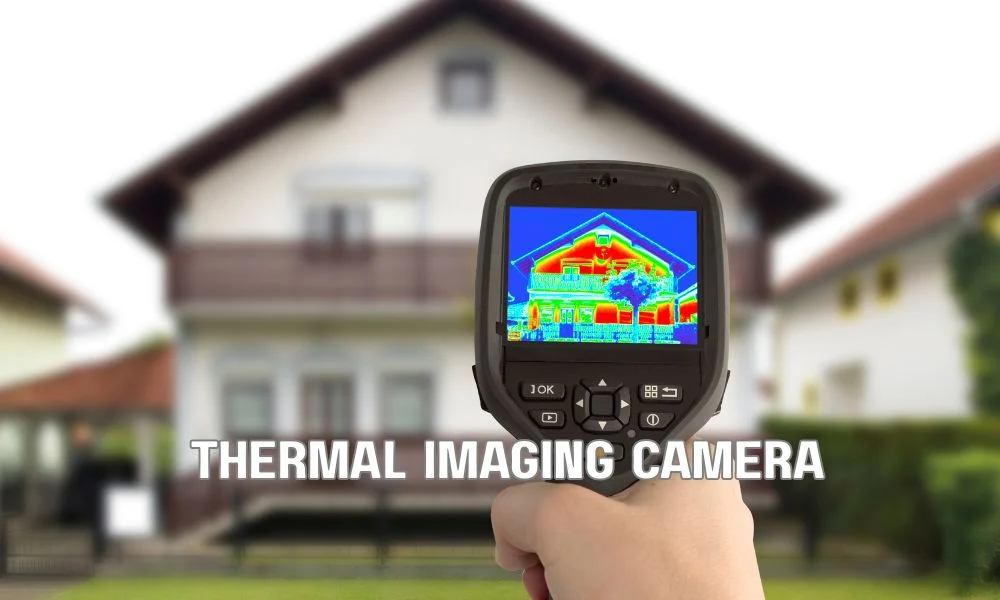
The most effective non-invasive leak detection methods leverage technology to identify moisture without damaging the roof system. Infrared thermography is highly effective, as it detects temperature differences caused by latent moisture evaporating beneath the roof surface, appearing cooler than dry areas at night or warmer during the day. Electronic leak detection (ELD) uses an electrical current applied to the roof surface to pinpoint breaches in the membrane, especially effective on non-conductive membranes. Moisture meters, either capacitance or impedance-based, can measure moisture content in various roofing components by direct contact, providing localized readings. These techniques dramatically reduce the time and cost associated with finding hidden leaks compared to traditional methods.
When should invasive inspection methods be considered?
Invasive inspection methods should be considered when non-invasive techniques provide ambiguous results, or when a precise understanding of the internal roof composition and extent of water damage is required. Core sampling involves removing small sections of the roof down to the deck to visually inspect saturation levels within insulation layers and to assess the condition of the deck. Flood testing, although potentially risky on large roofs, can be used on smaller sections or specific areas of concern where a controlled amount of water is applied to simulate rainfall and observe for leaks. These methods are typically a last resort due to their disruptive nature but can be invaluable for confirming findings or for comprehensive forensic analysis of severe or chronic leak issues.
Understanding Water Migration and Structural Impact
How do different roofing materials affect water travel patterns?
Different commercial roofing materials significantly influence water travel patterns and the challenge of leak detection. Single-ply membranes like TPO, EPDM, and PVC, when compromised, allow water to migrate horizontally between the membrane and the insulation, or within the insulation itself, potentially spreading across wide areas before draining. Built-up roofs (BUR) and modified bitumen roofs, with their multiple layers of felt and asphalt/bitumen, can trap water within layers, making it extremely difficult to pinpoint the exact entry point and creating widespread saturation. Metal roofs, while excellent for shedding water, can suffer from leaks at seams, fasteners, or penetrations, with water often traveling along panels or purlins before dripping, again misleadingly far from the source. The unique properties of each material dictate where water will tend to accumulate and how it will travel once it breaches the surface.
Critical Fact 2: Undetected commercial roof leaks can lead to a 40% reduction in insulation R-value within just three months, significantly escalating energy costs and potentially fostering hazardous mold growth within the building envelope.
What are the hidden dangers of undetected commercial roof leaks?
The hidden dangers of undetected commercial roof leaks extend far beyond visible ceiling stains and can lead to severe structural compromise, health hazards, and significant financial losses. Persistent moisture can saturate insulation, drastically reducing its thermal performance and leading to soaring energy bills. This saturation also promotes the growth of mold and mildew, which can trigger respiratory issues and allergic reactions among building occupants. Structurally, water degrades roof decks, supports, and interior finishes, leading to rot, rust, and eventual collapse in extreme cases. Furthermore, leaks can damage sensitive equipment, inventory, and electrical systems, posing fire risks and causing business interruptions, underscoring the critical need for prompt and accurate leak detection and repair.
Proactive Strategies for Leak Prevention
What role does routine maintenance play in preventing leaks?
Routine maintenance is the cornerstone of commercial roof leak prevention, playing a crucial role in extending the roof’s lifespan and mitigating unexpected issues. Regular inspections, ideally biannually and after severe weather events, allow for the early identification and repair of minor damages like cracked sealants, clogged drains, loose flashing, and membrane punctures before they escalate into major leaks. Debris removal is essential to prevent water ponding and membrane deterioration. Proactive maintenance also includes inspecting and clearing gutters, downspouts, and scuppers to ensure proper drainage, thereby preventing water accumulation that stresses the roof system. This preventative approach is significantly more cost-effective than reactive repairs following a leak event.
How can technology enhance long-term leak monitoring?
Technology significantly enhances long-term leak monitoring by providing continuous data and early warning systems. Smart roof sensors, for example, can be embedded within the roofing system to detect minute changes in moisture levels or temperature, alerting facility managers to potential issues before they become visible leaks. Drone inspections equipped with high-resolution cameras and thermal imaging capabilities can conduct comprehensive roof surveys quickly and safely, identifying vulnerabilities and areas of concern that might be missed during manual inspections. Predictive analytics, utilizing historical data and sensor inputs, can also help forecast potential failure points and optimize maintenance schedules, moving commercial roof management from reactive to proactive and data-driven.
| Detection Method | Effectiveness | Non-Invasive | Typical Cost Range | Best For |
|---|---|---|---|---|
| Infrared Thermography | High (identifies trapped moisture) | Yes | $0.05 – $0.20 per sq ft | Large, flat roofs; identifying saturated insulation |
| Electronic Leak Detection (ELD) | Very High (pinpoints membrane breaches) | Yes | $0.15 – $0.50 per sq ft | Single-ply membranes; new roof QA/QC |
| Moisture Meters | Moderate (localized readings) | Yes | $0.05 – $0.15 per sq ft | Small areas of concern; follow-up verification |
| Core Sampling | High (confirms internal saturation) | No (invasive) | $50 – $150 per core | Forensic analysis; confirming severity of damage |
| Visual Inspection | Low (often misleading) | Yes | Included in maintenance contracts | Initial assessment; obvious damage |
Selecting the Right Professional for Leak Resolution
What qualifications should I look for in a commercial roofing contractor?
When selecting a commercial roofing contractor for leak resolution, look for several key qualifications to ensure competence and reliability. Experience is paramount; choose a contractor with a proven track record specifically in commercial roofing and leak detection, not just residential work. They should possess relevant certifications (e.g., from roofing material manufacturers) indicating expertise with various roofing systems. Verify their insurance and licensing to protect against liabilities. Crucially, inquire about their diagnostic tools and methods; a reputable contractor will utilize advanced technologies like infrared cameras, ELD, and moisture meters. Finally, check references, client testimonials, and their warranty offerings to gauge their commitment to quality and customer satisfaction.
Critical Fact 3: Professional commercial roof leak detection, utilizing advanced methods like infrared thermography, boasts an accuracy rate exceeding 90% in pinpointing hidden moisture, significantly reducing repair costs and future damage compared to traditional visual inspections.
Frequently Asked Questions
What are the first signs of a commercial roof leak?
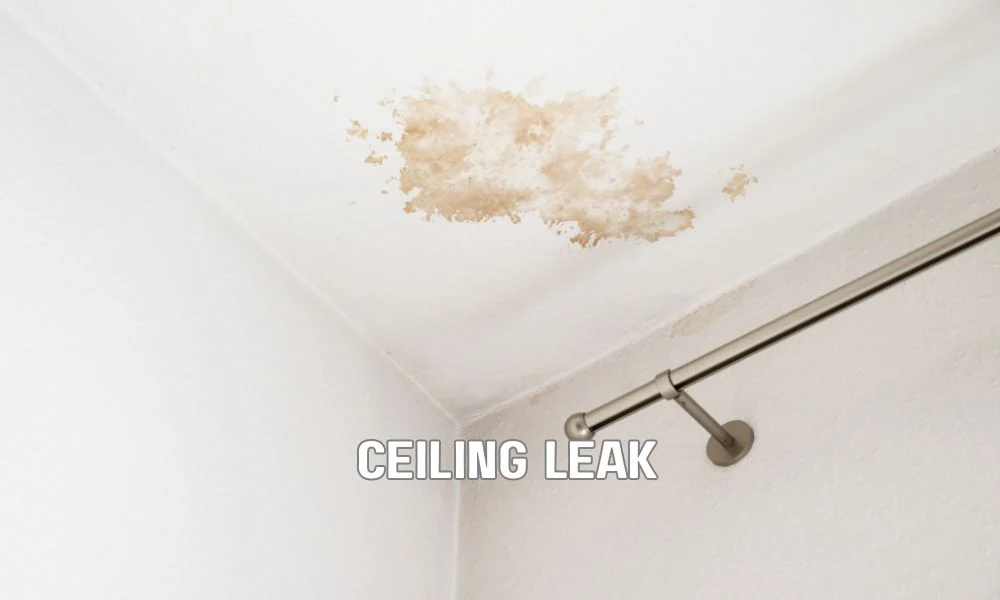
The first signs of a commercial roof leak often include water stains on interior ceilings or walls, dripping water, or a musty odor indicating mold growth. Outside, look for damaged flashing, pooled water on flat roofs, or displaced membrane sections.
Can I find a commercial roof leak myself?
While you can perform a basic visual inspection, accurately finding a commercial roof leak yourself is challenging due to water’s migration patterns. Professional services using specialized tools are usually necessary for precise identification.
How long does it take to find a commercial roof leak?
The time to find a commercial roof leak varies greatly. Simple leaks might be found quickly, but complex ones, especially those with extensive water travel, can take several hours or even multiple visits with advanced diagnostic equipment.
Is thermal imaging effective for all types of commercial roofs?
Thermal imaging is highly effective for most commercial flat roofs with insulation, as it detects temperature differences caused by trapped moisture. Its effectiveness can be limited on highly reflective surfaces or steep-sloped roofs without insulation.
What is the cost of commercial roof leak detection?
The cost of commercial roof leak detection varies based on roof size, complexity, and detection method. Basic visual inspections might be included in maintenance contracts, while advanced methods like infrared surveys can range from $0.05 to $0.50 per square foot.
How do I prevent future commercial roof leaks?
Preventing future commercial roof leaks involves regular professional inspections, prompt repairs of minor damages, routine debris removal, ensuring proper drainage, and investing in a high-quality, properly installed roofing system.
What happens if a commercial roof leak is left unrepaired?
Leaving a commercial roof leak unrepaired can lead to severe structural damage, mold growth, diminished insulation performance, compromised building integrity, damaged internal assets, and significantly higher repair costs down the line.
Should I repair or replace my leaking commercial roof?
The decision to repair or replace a leaking commercial roof depends on the roof’s age, the extent of damage, the number of previous repairs, and overall condition. Minor, isolated leaks might warrant repair, while widespread issues often necessitate replacement.
