
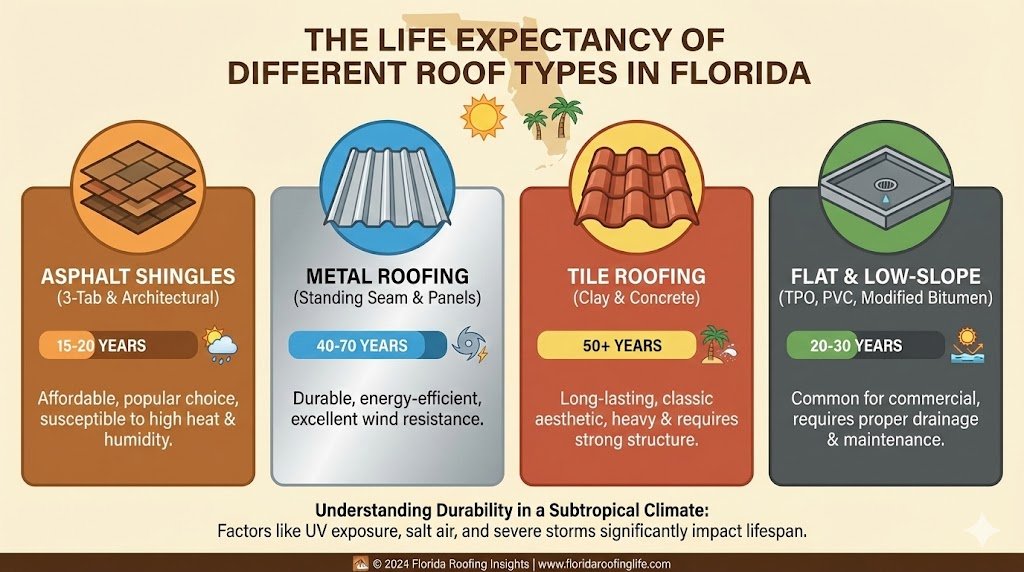
The Enduring Resilience: A Geostrategic Look at Roof Life Expectancy in Florida
As experienced, licensed roofing contractors serving Fort Lauderdale, Hollywood, and the wider South Florida region, we at Shieldline Roofing understand that a roof is far more than just a cover over your head. In our unique, aggressive climate, it’s a critical strategic asset – your first and most vital line of defense against relentless sun, torrential rain, and the looming threat of hurricanes. When discussing roof life expectancy here, we’re not just talking about years; we’re talking about unwavering resilience, energy efficiency, and protecting your most valuable investment.
Florida’s climate fundamentally challenges typical roofing material lifespans. Intense UV radiation, pervasive humidity fostering mold and algae, and the constant threat of high winds and heavy downpours mean that a roof that might last 30 years elsewhere could be severely compromised in half that time here. This comprehensive guide will delve into the true longevity of various roofing materials in South Florida, highlighting why quality installation and adherence to the Florida Building Code (FBC) are paramount for your home or business.
Florida’s Unrelenting Climate: The Primary Factor in Roof Longevity
Before we even discuss materials, it’s crucial to grasp the environmental gauntlet every roof in South Florida must run. Our climate isn’t just “sunny”; it’s a relentless assault on even the toughest materials.
Intense UV Radiation: The Silent Killer
The sunshine we cherish is also the most potent aging accelerator for roofing materials. Prolonged exposure to intense ultraviolet (UV) radiation rapidly degrades organic compounds in asphalt shingles, fades colors in metal coatings, and can even compromise the integrity of single-ply membranes. This isn’t just cosmetic; it directly impacts a roof’s protective capabilities, leading to premature brittleness, cracking, and eventual failure.
High Humidity & Biological Growth
Our near-constant high humidity levels create an ideal breeding ground for algae, mold, and mildew. While often appearing as unsightly black streaks, these organisms actively feed on the limestone fillers in asphalt shingles, leading to granule loss and accelerated deterioration. For other materials, they can trap moisture, promote corrosion, or simply undermine the aesthetic value of your property. Regular cleaning and material selection that resists biological growth are critical considerations in Fort Lauderdale and Hollywood.
Hurricane Threats & Wind Resistance
Every year, the hurricane season reminds us of the critical need for superior wind resistance. The Florida Building Code (FBC), especially in High-Velocity Hurricane Zones (HVHZ) like ours, mandates stringent fastening and installation standards precisely because of this threat. A roof’s ability to withstand sustained winds and uplift pressures, often exceeding 150 mph, is a non-negotiable aspect of its true longevity and value here.
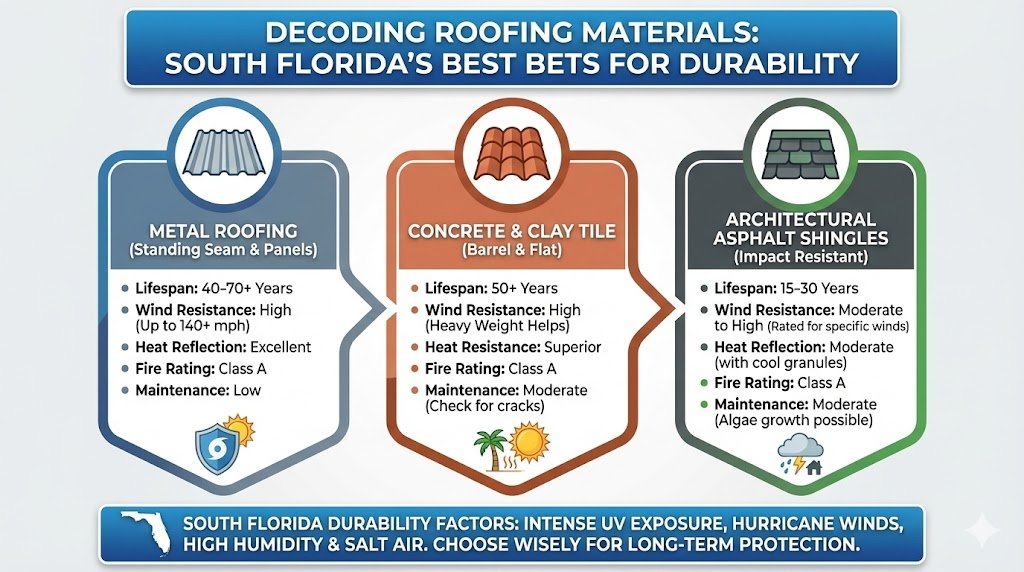
Decoding Roofing Materials: South Florida’s Best Bets for Durability
Choosing the right material for your South Florida roof involves balancing initial cost with long-term performance against our specific environmental challenges. Here’s how common options stack up:
Asphalt Shingles: Ubiquitous, But With Caveats in Our Climate
- Architectural/Laminate Shingles: These multi-layered shingles offer enhanced durability, a more dimensional aesthetic, and better wind resistance than their 3-tab counterparts. They are a popular choice for many homeowners seeking a balance of cost and performance. Expected life: 15-25 years.
- 3-Tab Shingles: A more economical option, but significantly more susceptible to granule loss and wind uplift due to their single-layer construction and lower adhesion. We rarely recommend these for their long-term value in our climate. Expected life: 10-15 years.
- Florida-Specific Challenges: Our extreme UV radiation rapidly accelerates granule erosion, diminishing a shingle’s protective capabilities. High humidity fosters aggressive algae and mold growth. Tropical storms and hurricanes frequently test the limits of their wind resistance. STAT: Florida’s intense heat and UV exposure can reduce the expected lifespan of asphalt shingles by 25-40% compared to national averages.
Metal Roofing: The Strategic Investment for Enduring Resilience
- Standing Seam Metal: This is a premium, long-term solution characterized by concealed fasteners and interlocking panels, offering superior wind resistance, weatherproofing, and a sleek, modern aesthetic. It’s an investment that truly pays off in South Florida’s challenging conditions.
- Corrugated & Ribbed Metal: More budget-friendly options with exposed fasteners, requiring greater vigilance for maintenance and sealant integrity. While viable, they demand more attention to prevent leaks over time.
- Benefits in Florida: Metal roofs offer exceptional wind resistance (many systems can withstand Category 5 hurricane-force winds with proper FBC-compliant installation), an extended lifespan, excellent energy efficiency due to reflective properties, and inherent fire resistance. STAT: Light-colored metal roofs can reduce peak cooling loads by 10-25% by reflecting up to 70% of solar radiation. This translates directly to lower energy bills for homeowners and businesses in Fort Lauderdale.
- Life Expectancy: 30-50+ years, with many systems capable of outlasting the structure they protect.
Tile Roofing: Classic Aesthetic Meets Florida Strength
- Concrete Tiles: Highly durable, available in a vast array of styles, colors, and profiles (e.g., barrel, flat, slate-look), offering excellent wind and impact resistance. They are a staple of Florida architecture for good reason.
- Clay Tiles: Revered for their natural beauty, incredible longevity, and inherent thermal mass that aids in insulation. Clay tiles are an elegant and extremely durable choice for our region.
- Key Consideration: The Underlayment: While the tiles themselves possess extraordinary longevity, the **underlayment** beneath is the true waterproofing membrane. Its lifespan, often 20-30 years, dictates when the entire system will require significant maintenance or replacement, even if the tiles remain intact. A high-quality Secondary Water Barrier is paramount.
- Life Expectancy: 40-75+ years for the tiles themselves, with underlayment replacement typically needed around the 20-30 year mark. STAT: Properly installed tile roofs are engineered to withstand sustained winds exceeding 150 mph.
Flat & Low-Slope Systems: Practical Solutions for Specific Designs
- TPO (Thermoplastic Polyolefin): A single-ply synthetic membrane known for its energy efficiency, reflectivity, and heat-weldable seams, making it popular for commercial and some contemporary residential designs in Fort Lauderdale and Hollywood. STAT: A well-maintained, light-colored TPO membrane can reflect up to 80% of incident solar radiation, significantly reducing heat gain.
- PVC (Polyvinyl Chloride): Similar to TPO but often more flexible, chemical-resistant, and can withstand ponding water better in some formulations.
- Modified Bitumen: A multi-ply asphalt-based system reinforced with polymers, offering good puncture resistance and a granular top surface.
- Challenges in Florida: These systems are susceptible to ponding water, intense UV degradation of membrane surfaces, and the critical importance of robust, sealed seams to prevent leaks during heavy rainfall and high winds. Proper drainage and regular inspections are essential.
- Life Expectancy: 15-25 years for TPO/PVC; 10-20 years for Modified Bitumen.
Beyond Materials: The Geo-Strategic Imperatives for True Longevity
While material choice is fundamental, our decades of experience at Shieldline Roofing prove that several other factors are equally, if not more, critical to your roof’s actual performance and lifespan in South Florida.
The Unsung Hero: Quality of Installation & Florida Building Code
This is arguably the single most critical factor determining a roof’s actual lifespan and performance. Even the most durable material will fail prematurely if installed poorly, with inadequate fastening, improper flashing, or compromised sealing. Our region operates under some of the strictest building codes in the nation, the Florida Building Code (FBC), specifically designed to enhance hurricane resistance. Choosing a licensed and insured contractor like Shieldline Roofing who meticulously adheres to these codes, including enhanced fastening schedules and proper detailing, isn’t just about compliance; it’s about guaranteeing the long-term integrity and safety of your property.
Vital Components: Underlayment, Ventilation, and Secondary Water Barriers
These often-overlooked components are vital for overall system performance and longevity. A robust, water-resistant underlayment or Secondary Water Barrier (SWB) provides critical secondary protection during extreme weather, acting as a last resort against leaks if the primary roofing material is compromised. Proper attic ventilation, especially crucial in our hot climate, mitigates heat buildup, extending the life of the roofing material, preventing moisture issues that can lead to mold, and significantly improving interior energy efficiency and comfort. Neglecting these elements can drastically cut your roof’s effective lifespan.
Proactive Maintenance: Your Shieldline Against Premature Failure
In Florida, a “set it and forget it” approach to roofing is a recipe for disaster. Regular inspections, routine cleaning (especially for algae on shingles), debris removal (especially from gutters and valleys), and prompt repair of minor issues (e.g., loose fasteners, cracked caulk, displaced tiles) can significantly extend the effective lifespan of any roof system. Shieldline Roofing offers comprehensive maintenance plans tailored to the unique demands of Fort Lauderdale and Hollywood properties, designed to catch small problems before they become costly emergencies.
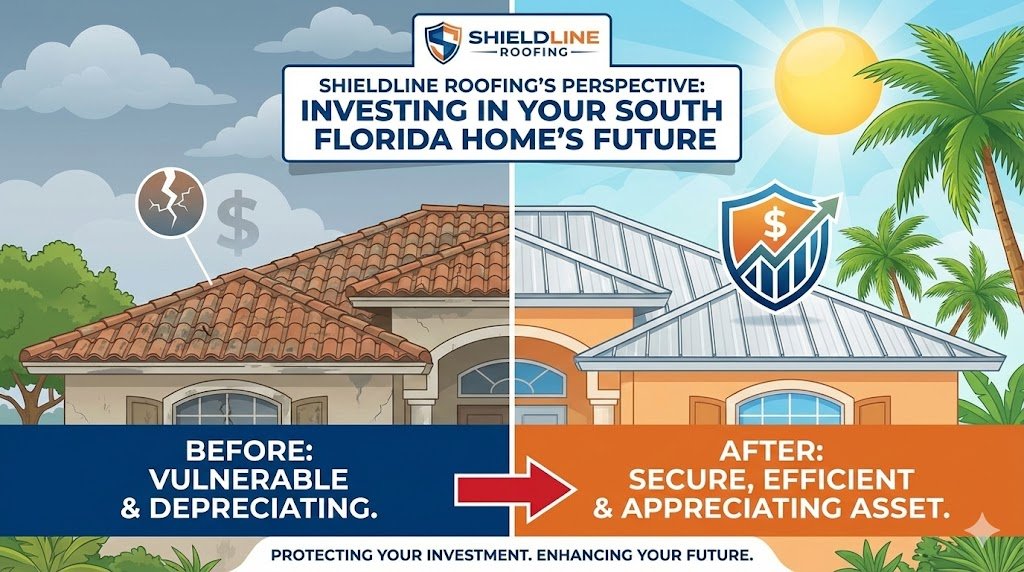
Shieldline Roofing’s Perspective: Investing in Your South Florida Home’s Future
Here at Shieldline Roofing, we believe that understanding roof life expectancy in Florida is not just about choosing a material; it’s about making a strategic investment in the safety, energy efficiency, and long-term value of your property. Our expertise as a leading licensed and insured contractor in Fort Lauderdale, Hollywood, and across South Florida is built on years of navigating our unique challenges and delivering solutions that endure.
Understanding Total Cost of Ownership
From a geostrategic perspective, the higher initial investment in durable materials like metal or tile often yields a lower total cost of ownership over time. Their extended lifespan, reduced maintenance needs, and superior protection against Florida’s harsh environment mean fewer repairs, lower energy bills, and ultimately, greater peace of mind for you, the homeowner or business owner.
Choosing the Right Contractor Matters
We cannot stress enough the importance of hiring a reputable, licensed, and insured local contractor. The quality of installation is paramount, dictating whether your roof will merely meet code or truly exceed expectations for resilience and longevity. Shieldline Roofing prides itself on meticulous workmanship, unwavering adherence to the Florida Building Code, and transparent communication every step of the way.
Our Commitment to Safety and Compliance
Roofing work is inherently dangerous and complex, especially when ensuring compliance with stringent codes in an HVHZ like ours. Don’t risk injury or costly code violations by attempting DIY fixes or hiring inexperienced, uninsured labor. We prioritize safety for our crew and your property, ensuring every project is completed to the highest standards, fully licensed and insured for your protection.
FAQs: Your Top Questions About Florida Roof Life Expectancy
Which roof type is best for hurricane resistance in Florida?
Metal roofs (particularly standing seam) and concrete/clay tile roofs generally offer the highest levels of hurricane resistance when installed in strict accordance with the Florida Building Code’s enhanced fastening requirements. These materials are engineered to withstand the extreme wind loads common in our region.
How often should I have my roof inspected in Florida?
An annual inspection is highly recommended for all roof types in South Florida, ideally after the end of hurricane season (around December) or immediately following any significant storm event. Proactive inspections help identify and address minor issues before they escalate into costly problems.
Does roof color affect its lifespan in Florida?
Yes. Lighter-colored, highly reflective roofs absorb less solar heat, which significantly reduces thermal stress on the roofing materials. This not only potentially extends their lifespan by mitigating UV degradation but also contributes to lower cooling costs for your home or business in Fort Lauderdale or Hollywood.
Is it worth paying more for a specific roof type in Florida?
Absolutely. From a geostrategic perspective, the higher initial investment in durable materials like metal or tile often yields a lower total cost of ownership over time. This is due to their extended lifespan, reduced maintenance needs, and superior protection against Florida’s harsh environment, saving you money and stress in the long run.
What are the key signs my Florida roof needs replacement?
Visible granule loss on asphalt shingles, cracked or curled shingles, missing or broken tiles, extensive mold/algae growth that won’t clean off, water stains on interior ceilings, and the roof nearing or exceeding its typical life expectancy are all strong indicators. If you observe any of these, contact Shieldline Roofing for a professional, no-obligation inspection.
Understanding the nuances of roof life expectancy in Fort Lauderdale, Hollywood, and throughout South Florida is critical for protecting your property. With our expertise, Shieldline Roofing ensures your roof isn’t just installed, but engineered for resilience and longevity against everything our unique climate can throw at it.
Ready to secure your property with a roof built to last in Florida? Don’t wait for a problem to escalate. Contact Shieldline Roofing today for a free, comprehensive, code-compliant roof inspection and consultation for your home or business in Fort Lauderdale, Hollywood, or the surrounding South Florida areas!
Get Your Free Roof Inspection Now!
