
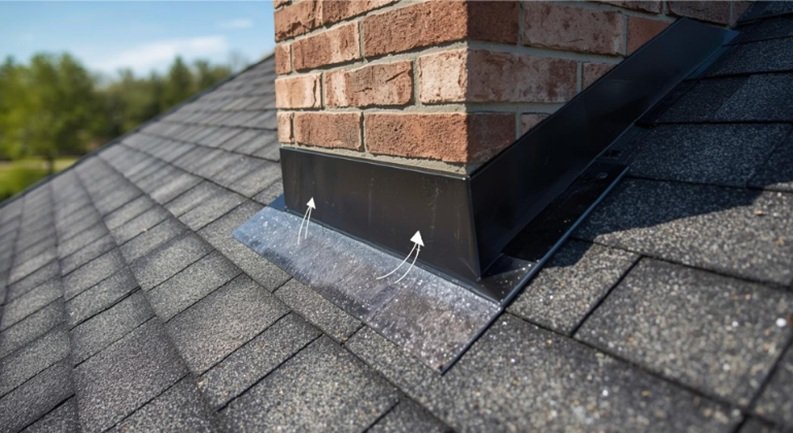
The Unsung Hero: Why Proper Roof Flashing is Crucial for Structural Integrity in Fort Lauderdale & South Florida
As licensed roofing contractors deeply rooted in Fort Lauderdale and serving the entire South Florida region, Shieldline Roofing knows firsthand the unique challenges our climate presents. From the relentless sun and humidity to the torrential downpours and high winds of hurricane season, your roof is constantly under assault. While shingles, tiles, or metal panels often get the spotlight, there’s an often-overlooked yet utterly vital component tirelessly working to protect your property: roof flashing.
Neglecting this crucial element is akin to leaving your home’s most vulnerable points exposed, inviting devastating and costly water damage. Let’s delve into why proper flashing isn’t just a recommendation—it’s an absolute necessity for every homeowner and business owner in our tropical environment.
What is Roof Flashing and Why Does it Matter for South Florida Properties?
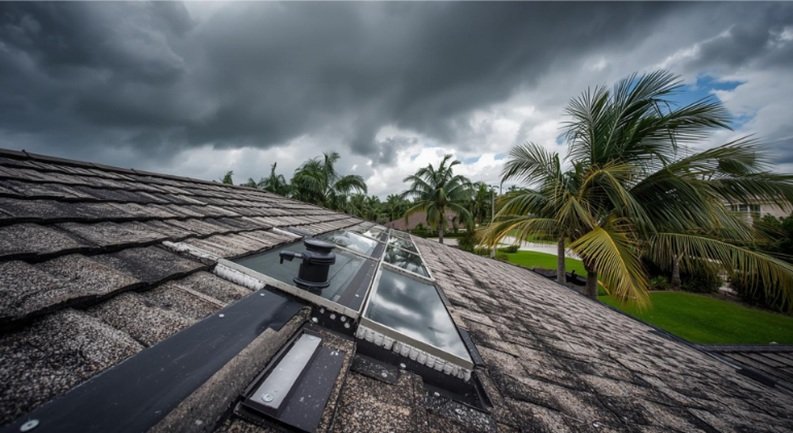
In the high-humidity, high-precipitation environment of South Florida, water intrusion isn’t just an inconvenience; it’s a structural threat. Roof flashing acts as your property’s first line of defense, a specialized barrier designed to divert water away from critical junctions and penetrations on your roof. Without it, even the most robust roofing material is powerless against leaks in these vulnerable areas.
Defining Roof Flashing: A Critical Barrier Against Florida’s Elements
At its core, roof flashing is a thin, impermeable material, most commonly made of durable metals like galvanized steel, copper, or aluminum, though lead and various composite materials are also utilized. Its primary purpose is to create a watertight seal at points where the main roofing material cannot effectively do so on its own.
Imagine water running down your roof; when it encounters an obstruction or a change in plane, flashing guides it safely over and away, channeling it towards your gutters. This is particularly crucial in a region like Fort Lauderdale, where storm intensity can quickly turn a minor vulnerability into a significant leak.
Vulnerable Points: Where South Florida Roofs Need Protection Most
South Florida roofs, with their intricate designs often incorporating skylights, complex valleys, and numerous penetrations for HVAC and plumbing, have many points susceptible to water intrusion. These “vulnerable points” are precisely where flashing becomes non-negotiable. Without it, these areas are gaping invitations for water to seep into your roof deck, attic, and ultimately, your home or business. Common hot spots include:
- Chimneys: The intersection of a vertical structure and a sloped roof.
- Skylights: Where the window frame meets the roof surface.
- Vents: Plumbing vents, attic vents, and exhaust vents that penetrate the roof.
- Roof Valleys: The internal angles where two roof planes meet, channeling a significant volume of water.
- Wall-to-Roof Intersections: Where a vertical wall meets a sloped roof, common with dormers or additions.
- Eaves and Rakes: Though less common, starter flashing and drip edge are essential for directing water off the roof.
For Shieldline Roofing, every one of these points is meticulously addressed to ensure compliance with the latest **Florida Building Code (FBC)** and to withstand our local climate.
Common Types of Flashing and Their Application in the Tropics
Understanding the different types of flashing is key to appreciating its comprehensive protection. Each serves a specific purpose, meticulously designed to tackle particular architectural challenges:
- Step Flashing: Used at roof-to-wall intersections and around chimneys. Individual L-shaped pieces are interwoven with shingle courses, stepping up the roof.
- Counter Flashing: Often used in conjunction with step flashing around chimneys or parapet walls. It’s installed into a mortar joint or cut into the wall and overlaps the step flashing to create a second layer of defense.
- Valley Flashing: Installed in the “valleys” of the roof, this wider, continuous piece of metal is critical for channeling large volumes of water. Its design is paramount for efficient water shedding during heavy South Florida rains.
- Vent Pipe Flashing: A pre-formed collar that fits snugly around vent pipes, featuring a flange that sits under the roofing material.
- Chimney Flashing: A complex system often involving base flashing, step flashing, and counter flashing to completely seal the chimney penetration.
- Skylight Flashing: Specific kits designed by skylight manufacturers to integrate seamlessly with the roof system, crucial for preventing leaks around the window.
The selection of flashing material and its gauge is also critical in our **High-Velocity Hurricane Zone (HVHZ)**. Thicker, more resilient metals are often preferred to ensure longevity against wind uplift and corrosion from salt air.
[STAT] Roughly 40% of all building-related problems are due to water intrusion. This staggering statistic underscores why preventative measures like proper flashing are not merely an option but a critical investment, especially for properties in Fort Lauderdale and Hollywood, FL.
The Critical Role of Flashing in South Florida’s Water Management & Hurricane Preparedness
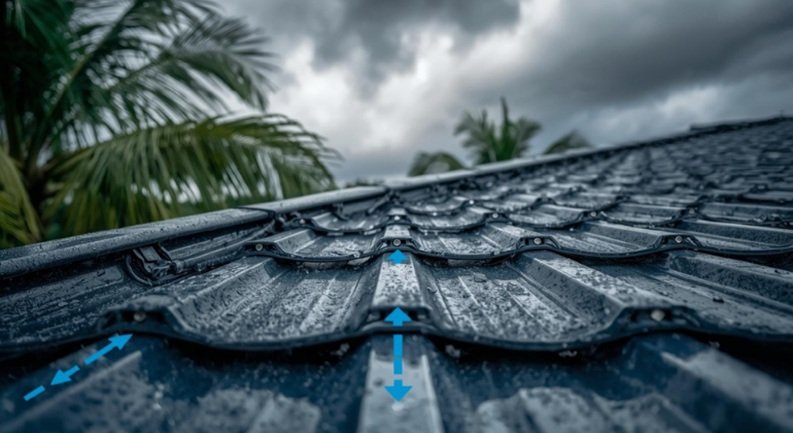
In South Florida, effective water management is at the heart of robust property protection. Flashing plays an indispensable role, not just in everyday rain, but as a vital component in hurricane preparedness and ensuring your roof complies with the stringent demands of the **Florida Building Code (FBC)**.
Directing Water Flow: Safeguarding Against Torrential Rains
Our region is renowned for its sudden, intense downpours. Without proper flashing, areas like roof valleys or around a chimney become collection points for water, allowing it to pool and eventually seep underneath your roofing materials. Flashing is meticulously installed to create channels and overlaps that actively direct water downwards, ensuring it flows efficiently off the roof and into your gutters.
This prevents water from sitting, which can lead to rapid degradation of materials and the development of leaks that compromise your entire roof system. Shieldline Roofing emphasizes continuous water flow solutions tailored to the unique rainfall patterns of Fort Lauderdale and Hollywood.
Creating Watertight Seals: The Imperative for HVHZ Zones
The mechanics of flashing involve overlapping and sealing, creating a “shingling effect” that prevents water from ever reaching the sub-roofing layers. In an **HVHZ** (High-Velocity Hurricane Zone) like South Florida, this watertight integrity is paramount. Strong winds during a hurricane can drive rain horizontally, pushing it into the smallest gaps or under loosely fitted materials. Properly installed flashing, combined with a robust **secondary water barrier (SWB)**, ensures that even if a shingle is lifted or a tile dislodged, your roof deck remains protected. Shieldline Roofing adheres strictly to **FBC 2023** standards, utilizing advanced sealing techniques and materials to ensure every penetration and junction is impervious to wind-driven rain.
Mitigating Wind-Driven Rain and Secondary Water Intrusion
While ice dams are a concern for colder climates, their functional equivalent in South Florida’s hurricane environment is the threat of wind-driven rain and subsequent secondary water intrusion. When hurricane-force winds hit your roof, rain is forced under shingles and tiles. This is where the underlying flashing and the **secondary water barrier (SWB)**—an essential FBC requirement for roofs in our region—become critical. Flashing ensures that even if the primary roofing material fails under extreme conditions, water is still diverted and prevented from penetrating the roof deck. Our installation practices at Shieldline Roofing always prioritize this layered defense, providing peace of mind against the harshest weather events.
Preventing Devastating Water Damage and Preserving Your Property’s Value
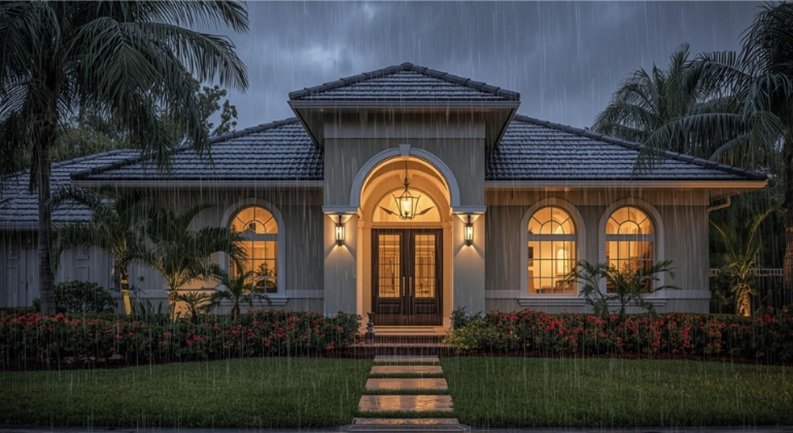
The consequences of faulty or absent flashing extend far beyond a simple drip. In the warm, humid climate of South Florida, water intrusion can quickly escalate into a catastrophic problem, threatening both the structural integrity of your property and the health of its occupants.
The Ripple Effect of Leaks: Beyond a Drip in Your Fort Lauderdale Home
What starts as a small, seemingly insignificant drip can rapidly cause widespread damage. Water travels along structural components, often manifesting far from its entry point. This means a leak around a vent pipe could be silently saturating insulation and ceiling drywall, leading to extensive repairs.
For homeowners and business owners in Fort Lauderdale, these hidden leaks are a silent destroyer, compromising everything from aesthetics to safety before they’re even discovered. Shieldline Roofing’s comprehensive inspections proactively identify flashing vulnerabilities before they lead to these cascading issues.
[STAT] Water damage from roof leaks is estimated to cost homeowners billions annually in repairs. In a high-value real estate market like Fort Lauderdale and Hollywood, FL, preventative measures like expert flashing installation are a small investment that guards against potentially colossal expenses.
Combating Wood Rot, Termites, and Mold in South Florida’s Humidity
Moisture is the archenemy of structural wood. When water infiltrates your roof deck, rafters, and framing, it creates the ideal breeding ground for wood rot and decay. This significantly weakens the structural integrity of your roof, potentially leading to costly collapses. Furthermore, South Florida’s subtropical climate is notorious for termites, which are attracted to damp wood.
A leak can effectively roll out the welcome mat for these destructive pests. Equally concerning is mold and mildew growth, which not only degrades property but also poses significant health risks, especially for individuals with respiratory issues. Proper flashing keeps these threats at bay, safeguarding both your investment and your well-being.
Protecting Interior Finishes and Foundation Stability
Beyond structural damage, leaks can wreak havoc on your interior finishes. Stained ceilings, peeling paint, ruined drywall, and damaged insulation are common visual signs of flashing failure. These cosmetic repairs can quickly add up, diminishing your property’s appeal and value. In extreme cases, chronic roof leaks can saturate the ground around your foundation, leading to soil erosion or hydrostatic pressure against foundation walls, potentially causing cracking or shifting. Shieldline Roofing understands that a secure roof, supported by diligent flashing, is fundamental to the overall stability and long-term value of your Fort Lauderdale property.
Extending Roof Lifespan, Enhancing Curb Appeal, and Saving Costs for South Florida Property Owners
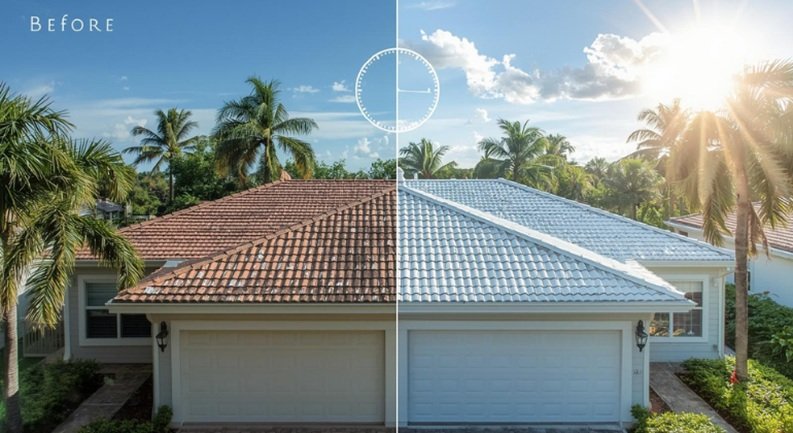
Investing in quality roof flashing and professional installation isn’t just about preventing immediate damage; it’s a strategic move that significantly extends the life of your roof, maintains your property’s aesthetic appeal, and delivers substantial financial savings over time. For properties in Fort Lauderdale and Hollywood, where roof replacement costs are significant, this long-term perspective is crucial.
Premature Roof Degradation: How Faulty Flashing Accelerates Replacement Needs
Your roof system is designed to work as a cohesive unit, with each component contributing to its overall longevity. When flashing fails, water penetration directly undermines this system. Persistent moisture can cause shingles to lift and curl, tiles to loosen, and underlying membranes to deteriorate prematurely.
This accelerated degradation means you might face a full roof replacement years before it should be necessary, negating the expected lifespan of your expensive roofing materials. Shieldline Roofing ensures that flashing is integrated flawlessly, protecting your entire roofing investment from premature failure.
Maintaining Material Integrity Against Sun, Heat, and Moisture
South Florida’s intense sun, high temperatures, and constant humidity are tough on all roofing materials. However, when these elements combine with moisture intrusion from compromised flashing, the effect is compounded. Roofing materials that are consistently damp or subjected to frequent wet-dry cycles will break down faster, losing their protective qualities and aesthetic appeal. Flashing protects the edges and junctions of these materials, preventing moisture from undermining them from below or behind, thus preserving their strength, color, and finish against our harsh local climate.
Avoiding Expensive Repairs and Boosting Property Value
The cost comparison is stark: the relatively modest investment in proper flashing installation or repair pales in comparison to the expenses associated with water damage remediation. Think about replacing sections of rotted roof decking, hiring mold remediation specialists, repairing interior drywall, repainting, and potentially addressing structural compromises.
These repairs can quickly run into thousands, or even tens of thousands, of dollars. Furthermore, a well-maintained, leak-free roof is a significant asset that enhances your property’s value and marketability. Conversely, signs of water damage or a history of roof leaks can significantly deter potential buyers and impact insurance premiums. Shieldline Roofing provides cost-effective, long-term solutions that protect your property’s financial future.
Installation Best Practices, FBC Compliance, and Professional Expertise from Shieldline Roofing
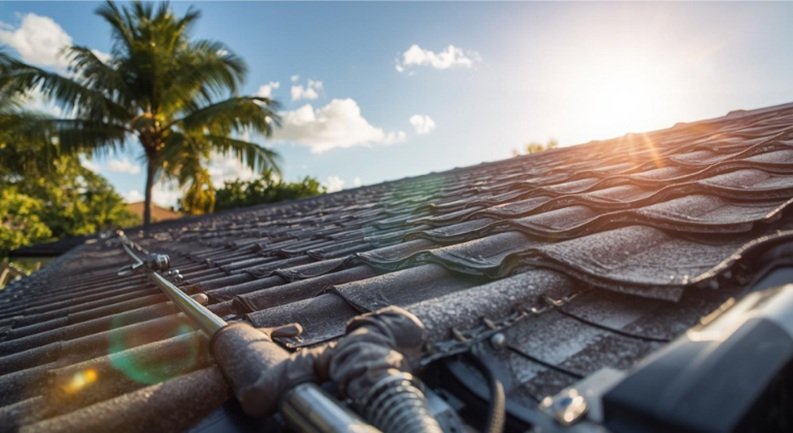
Even the highest quality flashing materials are only as effective as their installation. In a **High-Velocity Hurricane Zone (HVHZ)** like Fort Lauderdale and Hollywood, proper installation isn’t merely good practice; it’s a non-negotiable requirement mandated by the **Florida Building Code (FBC)**. This is where the expertise of a licensed and insured roofing contractor like Shieldline Roofing becomes invaluable.
The Imperative of Proper Installation: Beyond DIY in a High-Wind Zone
Roof flashing installation is a precise and often complex task that demands specialized knowledge and experience. It involves understanding various roof geometries, material compatibility, and the specific water flow dynamics of each penetration point. Attempting a DIY approach or hiring an unlicensed contractor for flashing work in South Florida is a gamble with potentially catastrophic consequences.
Incorrectly installed flashing can create new pathways for water, making your roof even more vulnerable than if no flashing were present. In our hurricane-prone region, every detail, every overlap, and every seal must be perfect to withstand extreme weather events. This is why Shieldline Roofing insists on only licensed and highly trained professionals for every project.
Key Installation Steps: Overlapping, Sealing, and Integration with FBC Standards
Proper flashing installation involves several critical steps that Shieldline Roofing meticulously adheres to:
- Preparation: The area must be clean, dry, and free of debris. Any underlying damage to the roof deck must be repaired first.
- Layering: Flashing is always installed in a “shingle fashion,” meaning upper pieces overlap lower pieces. This ensures that water flows over, not under, the flashing.
- Integration: Flashing must be seamlessly integrated with the surrounding roofing materials. For step flashing, this means interleaving it with each shingle course. For valley flashing, it means extending adequately under the roofing material.
- Sealing: High-quality, weather-resistant sealants, specifically designed for roofing applications in humid climates, are used to seal joints and penetrations, creating a truly watertight barrier. All sealants must be appropriate for South Florida’s climate, resisting UV degradation and maintaining flexibility.
- FBC Compliance: Every step of our flashing installation strictly adheres to the latest **Florida Building Code (FBC)**, including specific requirements for fastening schedules, material thickness, and integration with the **secondary water barrier (SWB)** system. This ensures your roof not only functions optimally but also passes all necessary inspections.
The Value of Certified Roofing Professionals for Your South Florida Investment
Choosing a certified and reputable roofing contractor like Shieldline Roofing for your flashing needs provides unparalleled peace of mind. Our team possesses the in-depth knowledge of **FBC** regulations, local climate challenges, and the precise techniques required for flawless flashing installation. We understand which materials perform best under South Florida’s sun and humidity, and how to apply them to maximize durability and compliance.
By entrusting your roof to Shieldline Roofing, you’re not just getting a repair or installation; you’re securing a long-term solution backed by expertise, adherence to safety standards, and a commitment to protecting your Fort Lauderdale property. Never compromise on a licensed and insured professional when your property’s structural integrity is at stake.
[STAT] Improperly installed or damaged flashing is a leading cause of roof leaks, accounting for a significant percentage of roofing contractor call-outs. Don’t wait for a leak to discover your flashing is faulty; proactive inspection and expert installation are key.
Maintenance, Inspection, and Proactive Measures for Lasting Protection
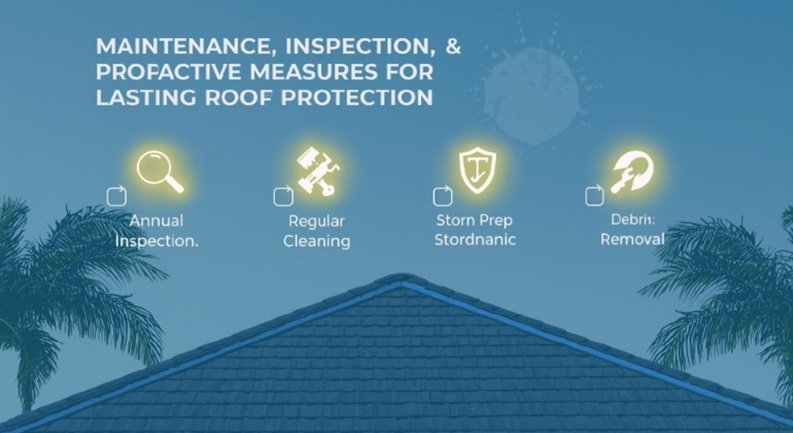
Even the most expertly installed flashing requires routine attention to ensure its ongoing effectiveness. In the demanding climate of Fort Lauderdale and South Florida, proactive maintenance and regular inspections are not just recommended – they are essential safeguards against unexpected and costly water damage.
Routine Inspections: What to Look For After Every Storm
We recommend inspecting your roof’s flashing at least twice a year, ideally in the spring and fall, and critically, after any significant weather event, especially tropical storms or hurricanes. From the safety of the ground with binoculars, or by a qualified professional on the roof, look for common signs of wear or damage:
- Cracks or Rust: Particularly in metal flashing, rust indicates corrosion and potential material compromise.
- Lifted Edges or Loose Sections: Wind, thermal expansion, or improper fasteners can cause flashing to pull away from the roof, creating entry points for water.
- Compromised Sealant: Over time, caulk or sealant around flashing can dry out, crack, or pull away, losing its watertight properties.
- Missing Flashing: In severe weather, sections of flashing can be torn off or dislodged.
- Visible Damage: Dents, punctures, or physical distortions can impede water flow or create new leak points.
If you spot any of these issues, contact Shieldline Roofing immediately for a professional assessment. Our experts are trained to identify subtle signs of damage often missed by the untrained eye.
Cleaning and Debris Removal: Essential for Optimal Water Flow
Leaves, twigs, pine needles, and other organic debris can accumulate around flashing, especially in valleys and behind chimneys or skylights. This debris can trap moisture against the flashing and roofing materials, promoting corrosion and decay. Worse, it can block the intended flow of water, causing it to back up and bypass the flashing, leading to leaks. Regularly clearing debris from these critical areas ensures that water can always flow freely and efficiently off your roof, protecting your Fort Lauderdale property from preventable water damage.
Prompt Repairs: Addressing Minor Issues Before They Become Major Headaches
One of the biggest mistakes property owners make is delaying minor repairs. A small crack in sealant or a slightly lifted edge might seem insignificant, but in South Florida’s climate, these minor flaws can quickly escalate into major breaches during the next heavy rain or strong gust of wind. Addressing these issues promptly is far less costly and disruptive than dealing with extensive water damage remediation.
Shieldline Roofing offers rapid response and expert repair services for flashing, ensuring that minor issues are resolved effectively and in full compliance with **FBC** standards, safeguarding your investment before it’s too late.
FAQs About Roof Flashing in South Florida
A: Critical areas, especially vital in our **HVHZ** climate, include chimneys, skylights, plumbing and attic vents, dormers, roof valleys (where two roof planes meet), and any wall-to-roof intersections. These are the most vulnerable points for water intrusion.
A: Common materials include galvanized steel, copper, aluminum, and sometimes lead. For South Florida, the material choice considers durability against high winds, UV radiation, and corrosion from humidity and salt air. Shieldline Roofing often recommends materials that meet or exceed **FBC** requirements for longevity and performance.
A: We recommend inspecting flashing at least once a year, preferably in the spring and fall, and critically, after any severe weather events like tropical storms or hurricanes. Regular professional inspections by Shieldline Roofing can catch issues early.
A: While minor surface repairs might seem simple, proper flashing installation is highly complex and crucial for your property’s integrity. It requires specific knowledge of **FBC**, material selection, and installation techniques to create a genuinely watertight seal. It’s generally best, and safest, to hire a qualified, licensed, and insured professional like Shieldline Roofing to ensure it’s done correctly and effectively, protecting your investment from water damage.
A: Signs include water stains on ceilings or walls (often near roof penetrations), peeling paint, visible rust or cracks in the flashing material, lifted or missing sections of flashing, and water pooling in roof valleys. Also, check for damaged or degraded sealant around flashing. Any of these are red flags requiring immediate professional attention.
Protect Your Fort Lauderdale Property from Water Damage
Don’t let overlooked roof flashing compromise the structural integrity and value of your home or business in Fort Lauderdale, Hollywood, or anywhere in South Florida. Proper flashing, installed to the highest **Florida Building Code** standards, is your ultimate defense against our challenging climate.
Ready for a comprehensive, code-compliant roof inspection? Suspect you have damaged flashing? Contact Shieldline Roofing today for expert service you can trust. Let us ensure your property remains safe, dry, and protected for years to come.
