
The Impact of Salt Air on Coastal Roofing Systems
Living in coastal Florida offers beautiful views and easy access to the ocean, but this prime location comes with a unique set of challenges for your home, particularly your roof. The constant barrage of sea spray, high humidity, and the threat of hurricane-force winds place immense stress on exterior building materials. Unlike roofs inland, a home near the beach must contend with one invisible, powerful adversary: salt air.
Salt-laden air accelerates corrosion and degrades materials, drastically shortening the lifespan of an average roof. That’s why selecting the right coastal roofing materials is crucial—it’s the difference between a roof that lasts decades and one that needs replacement in just a few years.
In this guide, we’ll explore exactly how salt air affects your roof, recommend the best coastal roofing options for your home, and provide actionable maintenance tips to maximize your investment.
How Salt Air Affects Roofs in Coastal Areas
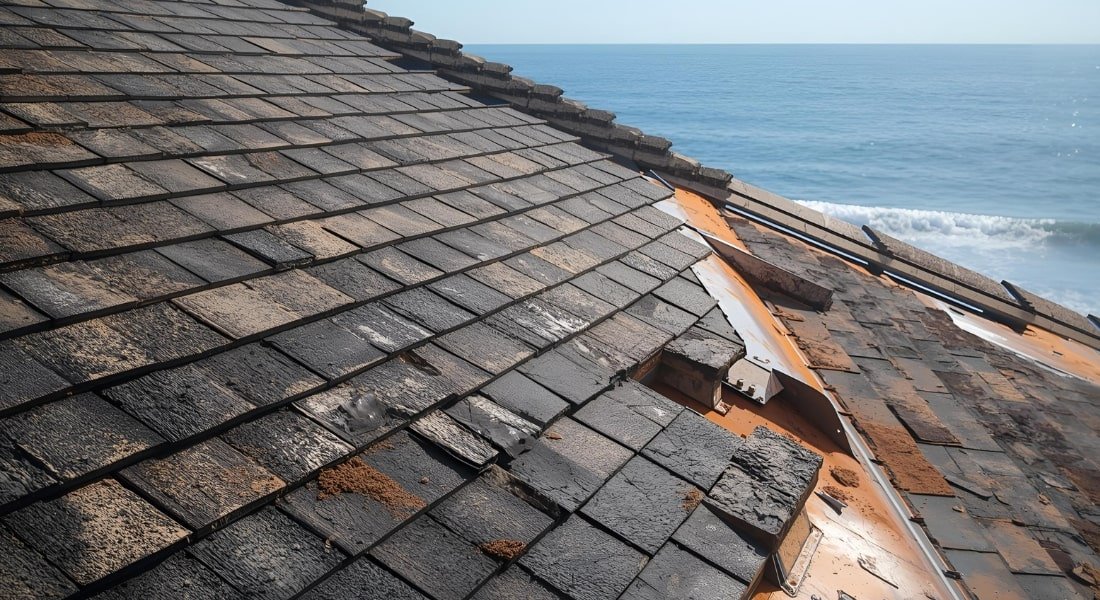
The atmosphere near the ocean is saturated with microscopic salt particles. When these particles settle on your roof surface, they combine with moisture from the air, creating a corrosive brine that attacks materials at a chemical level. This leads to what professionals call salt air roof damage.
The Corrosion Catalyst
The primary effect is accelerated corrosion, especially on metal components:
- Fasteners and Flashing: Even if you don’t have a full metal roof, almost every roofing system uses metal screws, nails, vents, and flashing. Salt dramatically speeds up the rusting process, compromising the integrity of these essential seals. Once a fastener rusts, it can lose its grip, allowing wind to lift shingles or tiles, and the underlying material to leak.
- Asphalt Shingles: While not metal, the granules on asphalt shingles can be dislodged by the abrasive nature of salt, exposing the asphalt layer underneath. The heat and humidity then accelerate the drying and cracking of the asphalt itself.
- Aesthetics and Performance: Salt residue can also dull the color of roofing tiles and shingles, and over time, it compromises the effectiveness of factory-applied protective coatings.
A coastal environment demands superior performance from your materials. Choosing resilient coastal roofing materials is the only way to effectively counteract this constant corrosion and degradation.
Best Roofing Options for Coastal Homes
When building or replacing a roof in a high-salt environment, you need materials that are designed to resist both chemical breakdown and extreme weather. Fortunately, there are several reliable options for roofing for beach homes.
| Roofing Material | Expected Coastal Performance | Key Benefit |
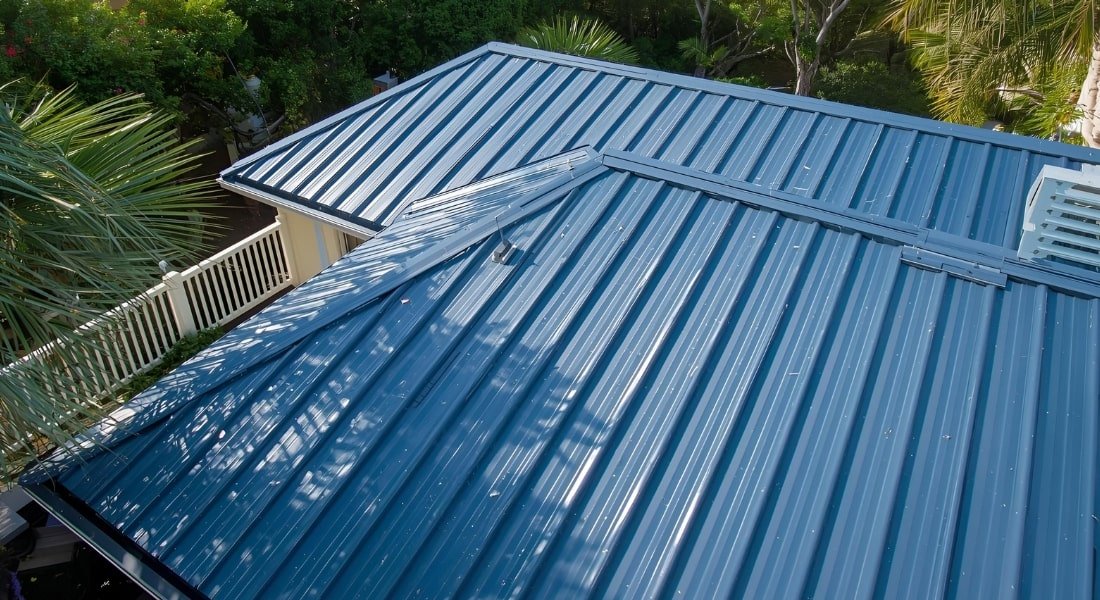
| Metal (Aluminum/Copper) | Excellent | Naturally resistant to rust and corrosion; best longevity. |
| Concrete/Clay Tile | Excellent | Withstands high winds, sun, and moisture; highly durable. |
| High-Grade Architectural Shingles | Good | Better wind resistance and UV protection than standard shingles. |
1. Metal Roofing (Aluminum and Copper)
If you’re looking for the best salt resistant roofing, aluminum and copper are the top choices.
- Aluminum naturally forms an oxidized layer that protects against further corrosion, making it ideal for the salty Florida air.
- Copper forms a natural patina that is also highly corrosion-resistant and provides unmatched longevity.
- Note: Galvanized steel requires a superior coating (like Kynar 500®) to protect it from the salt air, but it remains a solid choice when well-maintained.
2. Concrete and Clay Tile
Tile has been the preferred option for roofing near the ocean for generations in Florida. Tiles are:
- Inert: They are non-porous and do not corrode, making them highly resistant to salt-induced degradation.
- Durable: They handle intense UV exposure and hurricane-force winds exceptionally well, often lasting 50 years or more.
3. Architectural Shingles
For homeowners who prefer asphalt, investing in high-end architectural or laminated shingles is essential. These are thicker, heavier, and offer superior wind ratings and UV resistance compared to budget 3-tab shingles, providing a more robust line of defense in the marine environment.
Maintenance Tips to Protect Against Salt Air
Even the best coastal roofing materials need care to maximize their lifespan against the challenging marine environment roofing faces. Regular, targeted maintenance can significantly delay corrosion and material breakdown.
Here are four key steps to protect your coastal roof:
1. Regular Rinsing
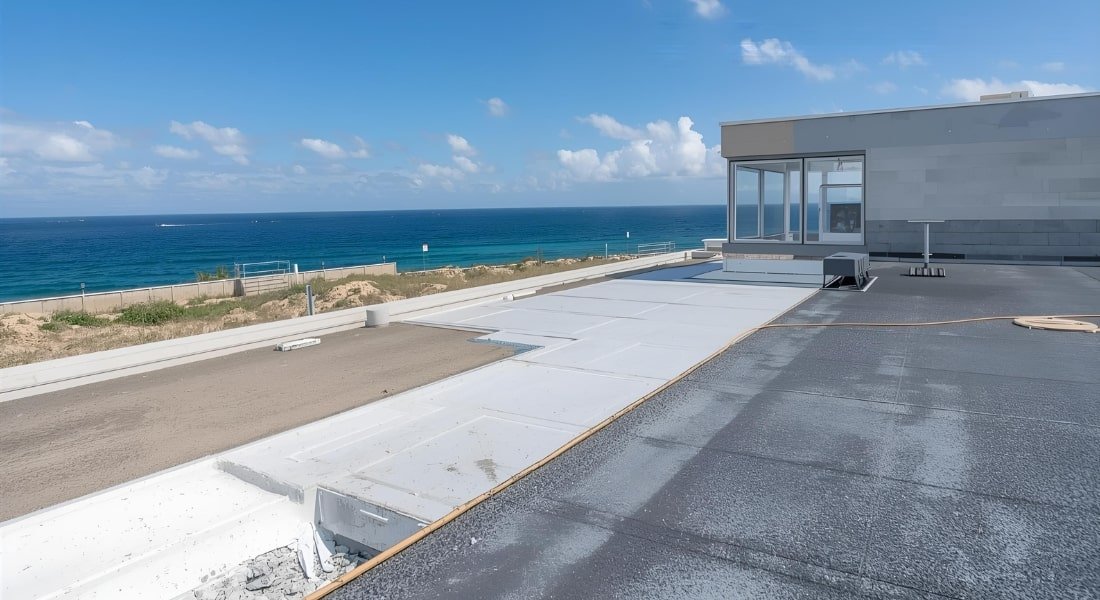
The simplest defense is routine cleaning. Salt crystals are water-soluble. Rinsing your roof (with a garden hose, not a high-pressure washer) every few months, or after every significant storm, washes away the corrosive salt buildup before it has time to work its damage. Focus especially on low-slope areas and where water tends to collect.
2. Conduct Visual Inspections
After every major storm and at least twice a year, perform a visual check (from the ground or with binoculars) for signs of:
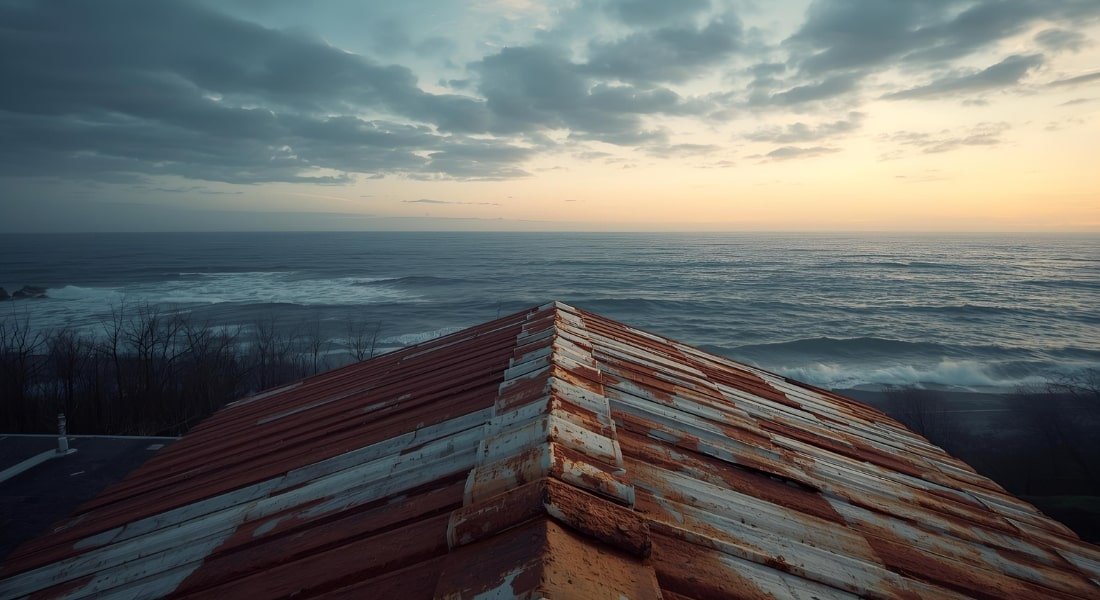
- Rust: Look for rust streaks near vents, pipes, and flashing seams.
- Loose Fasteners: Check if any screws or nails are starting to back out or appear oxidized.
- Granule Loss: Noticeable bald spots on shingles are a sign of degradation.
3. Repair Protective Coatings
For metal roofs, the protective paint or finish is the primary barrier against salt. If you notice scratches or areas where the finish is flaking, have a professional re-seal or re-paint the area immediately. This small repair is vital for maintaining coastal roofing materials integrity.
4. Ensure Proper Attic Ventilation
Florida’s humidity often leads to condensation in the attic, trapping moisture and accelerating the corrosion of metal fasteners from the inside. Proper attic ventilation is critical to keeping the space dry and extending the life of your entire roofing system.
Why Work with a Local Expert
Coastal roofing is a specialized field. A company that primarily works inland may not understand the stringent requirements for materials, sealants, and installation techniques needed to withstand hurricane wind codes and persistent salt exposure.
Shieldline Roofing has years of experience installing and maintaining coastal roofing systems throughout the Florida region. We don’t just put on a roof; we provide a complete weather- and salt resistant roofing system, using high-quality aluminum flashing, stainless steel fasteners, and materials specifically rated for the harshest marine environment roofing conditions. When you work with us, you benefit from local knowledge, expertise in Florida building codes, and a commitment to protecting your home for the long term.
Conclusion
The impact of salt air on a coastal home is undeniable, but it doesn’t have to shorten your roof’s life. By understanding how salt causes salt air roof damage and by investing in the right coastal roofing materials—such as high-grade metal or durable concrete/clay tile—you can build a resilient, long-lasting defense against the elements.
Remember that maintenance, particularly regular rinsing and professional inspections, is the key to maximizing the life of your investment. Reaffirm that choosing the right coastal roofing materials protects your home and investment.
If you live near the coast and want a roof built to last, contact Shieldline Roofing—your trusted expert in coastal roofing solutions.
