
Executive Summary
- Liquid-applied silicone coatings offer a cost-effective alternative to full roof replacement for aging Florida flat roofs, extending lifespan by decades.
- These coatings provide superior weather protection against Florida’s intense UV radiation, heavy rains, and high humidity, preventing leaks and material degradation.
- Significant long-term savings are realized through reduced energy consumption due to enhanced solar reflectivity and minimal maintenance requirements.
- The application process is less disruptive and produces less waste compared to traditional tear-off re-roofing, supporting sustainable building practices.
- Property owners can achieve a high return on investment (ROI) by deferring expensive roof replacements and enhancing building efficiency immediately.
- Silicone coatings are highly durable and resist ponding water, a common issue in flat roofs, maintaining integrity even in challenging Florida conditions.
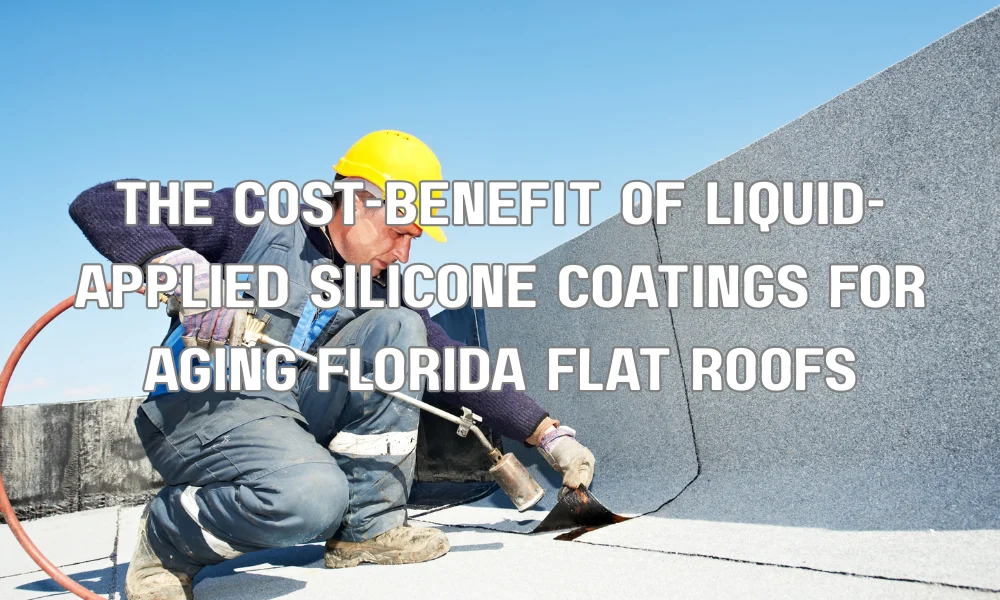
Aging flat roofs in Florida face a relentless assault from the state’s harsh climate, leading to frequent leaks, escalating maintenance costs, and premature degradation. Property owners often grapple with the daunting prospect and significant expense of a complete roof replacement. However, liquid-applied silicone coatings have emerged as a highly effective, economical, and sustainable alternative, offering a compelling cost-benefit proposition for extending the life and enhancing the performance of existing flat roofs.
Critical Fact 1: A well-maintained silicone roof coating can extend the life of an existing roof by 15-20 years, effectively halving the frequency of major roof expenditures compared to traditional replacements.
Understanding Liquid-Applied Silicone Coatings
What are liquid-applied silicone coatings?
Liquid-applied silicone coatings are seamless, monolithic membranes that are sprayed or rolled directly over an existing roof substrate. These elastomeric coatings cure to form a durable, waterproof, and highly reflective surface that protects the underlying roof from environmental damage and extends its functional life.
How do silicone coatings address Florida’s unique climate challenges?
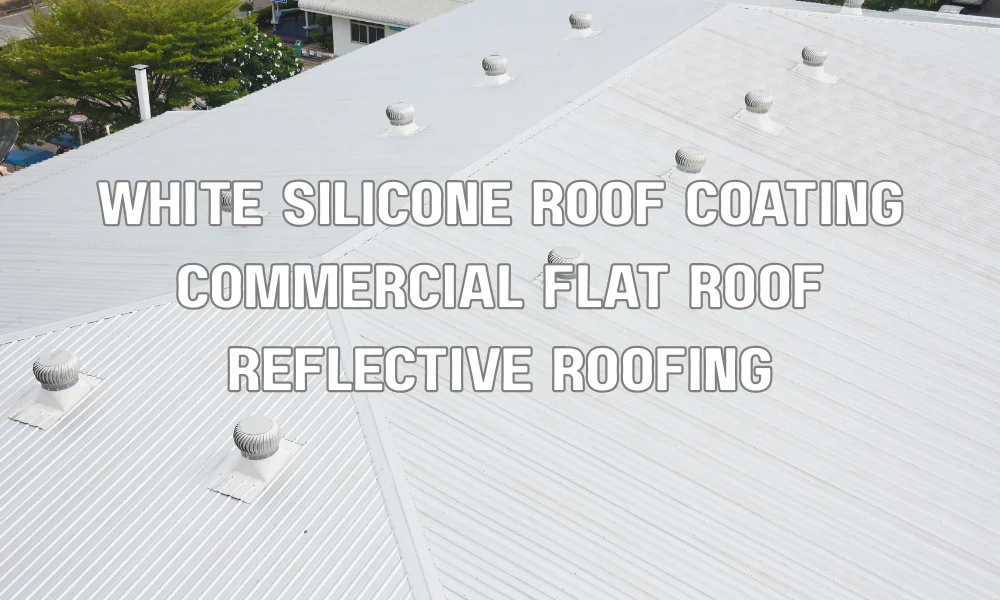
Silicone coatings are exceptionally well-suited for Florida’s unique climate due to their inherent properties. Their high solar reflectivity significantly reduces roof surface temperatures, combating intense UV degradation and lowering cooling costs. Unlike other materials, silicone remains flexible and stable across extreme temperature fluctuations, preventing cracking and delamination, while its excellent resistance to ponding water is crucial for managing heavy rainfall.
The Financial Case: Cost-Benefit Analysis
What is the upfront cost comparison with traditional re-roofing?
The upfront cost of a liquid-applied silicone coating system is typically 50-70% less than a complete tear-off and re-roofing project. This significant initial saving stems from reduced labor, elimination of extensive demolition, and lower waste disposal fees. While the exact cost varies based on roof condition and size, the difference is substantial enough to make silicone coatings a highly attractive immediate financial solution.
How do long-term savings and ROI stack up?
Long-term savings and return on investment (ROI) with silicone coatings are compelling. Beyond the initial cost reduction, energy savings from increased solar reflectivity can be as high as 15-30% on cooling costs, providing continuous financial benefits. Furthermore, the extended roof lifespan delays the next major roof expenditure for decades, dramatically improving the asset’s financial performance over its lifecycle. Maintenance is also simplified, reducing future repair budgets.
Critical Fact 2: Buildings with highly reflective silicone roofs can see up to a 50°F reduction in roof surface temperature, directly translating to substantial energy savings and reduced strain on HVAC systems.
To illustrate the financial advantages, consider the typical costs for a commercial flat roof in Florida:
| Cost Factor | Traditional Tear-off Re-roof | Liquid-Applied Silicone Coating |
|---|---|---|
| Initial Material & Labor (per sq ft) | $7.00 – $12.00 | $3.00 – $6.00 |
| Waste Disposal & Landfill Fees | High (Significant Tonnage) | Negligible (Minimal Waste) |
| Building Downtime/Disruption | Moderate to High (Days to Weeks) | Low (Hours to Few Days) |
| Estimated Lifespan Extension | N/A (New Roof) | 15-20+ Years |
| Energy Savings Potential | Low (Standard Materials) | High (15-30% Cooling Costs) |
| Typical Warranty Period | 10-20 Years | 10-20 Years (Material & Labor) |
Performance & Longevity
What are the key performance advantages of silicone coatings?
Silicone coatings offer a suite of key performance advantages, particularly relevant to Florida’s environment. They possess exceptional UV stability, meaning they won’t chalk, crack, or degrade under intense sun exposure. Their high elasticity allows them to move with the roof’s thermal expansion and contraction, preventing splits. Furthermore, silicone’s natural resistance to mildew and algae growth keeps roofs cleaner and more reflective over time, maintaining energy efficiency.
How does a silicone coating extend the lifespan of an existing roof?
A silicone coating extends the lifespan of an existing roof by encapsulating and protecting it from the elements. It seals minor cracks, seams, and penetrations, creating a truly monolithic, waterproof layer. By preventing water intrusion, UV degradation, and thermal shock, the coating significantly slows down the aging process of the underlying membrane, effectively adding 15 to 20 years or more to its serviceable life, deferring the need for a costly full replacement.
Environmental and Installation Benefits
What are the environmental advantages of silicone roof coatings?
Silicone roof coatings offer substantial environmental advantages. By avoiding a complete tear-off, they prevent thousands of pounds of old roofing material from ending up in landfills, significantly reducing waste. Their high reflectivity reduces urban heat island effects, contributing to cooler city environments. The energy savings they provide also translate to a reduced carbon footprint, making them a greener choice for property owners committed to sustainability.
How does the installation process for silicone coatings differ?
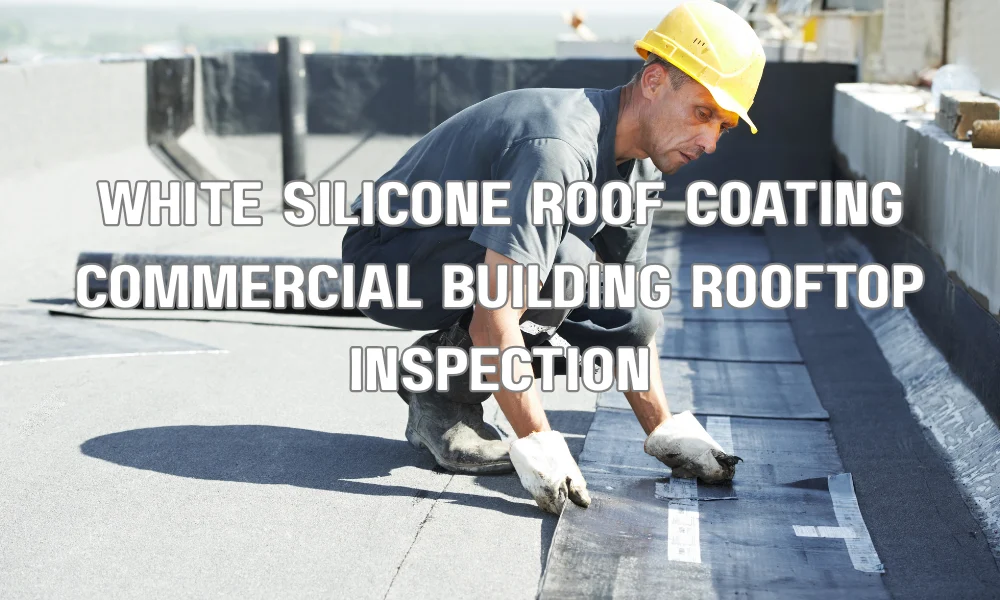
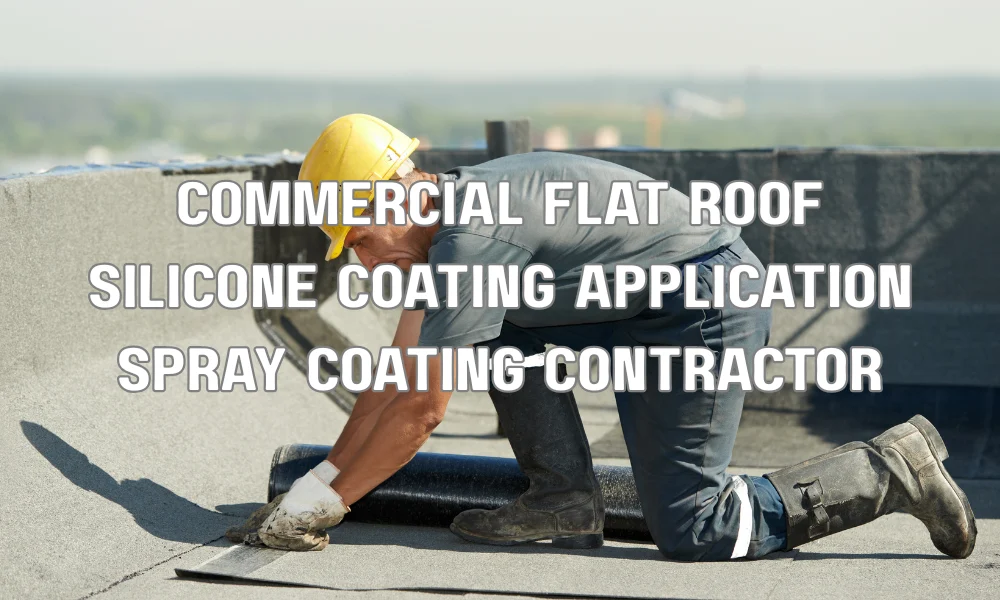
The installation process for silicone coatings is markedly less disruptive than traditional re-roofing. It typically involves thorough cleaning and minor repairs to the existing roof, followed by primer application (if needed), and then the seamless liquid coating is applied by spray or roller. This “restore, don’t replace” approach means minimal noise, dust, and disruption to building occupants and operations, often allowing businesses to continue uninterrupted.
Addressing Common Concerns
What are the common misconceptions about silicone roof coatings?
One common misconception is that silicone coatings are merely a temporary fix; in reality, they provide long-term protection comparable to or exceeding new roof installations. Another concern is that they become slippery when wet; while they can be slick, most reputable systems incorporate anti-slip granules or textured finishes for safety. Some believe they are only for minor repairs, but they are robust solutions for entire roof systems, even those with significant wear, provided the substrate is sound.
Critical Fact 3: The initial investment in a quality silicone coating system can be recouped in energy savings alone within 5-7 years, often much faster depending on building size and existing energy inefficiency.
For Florida property owners contending with aging flat roofs, liquid-applied silicone coatings represent a superior solution. They offer a compelling blend of upfront cost savings, long-term financial benefits through energy efficiency and extended roof life, and significant environmental advantages. By choosing to restore rather than replace, property owners can achieve a high-performance, durable roof that stands up to the Florida climate while optimizing their investment for years to come.
Frequently Asked Questions
Q1: How long does a silicone roof coating last on a Florida commercial flat roof?
A properly applied silicone restoration coating typically delivers 10–15 years of service life on a Florida commercial flat roof under manufacturer’s warranty terms. The primary aging mechanisms are UV exposure and ponding water, both of which silicone chemistry resists exceptionally well. After the initial warranty period, re-coating at a reduced cost extends system life for an additional 10+ years without tear-off, making silicone restoration a renewable roofing strategy.
Q2: Can liquid-applied silicone be installed over any existing commercial roof material?
Silicone can be applied over most common commercial roofing substrates including TPO, EPDM, modified bitumen, BUR (built-up roofing), metal panels, and spray polyurethane foam, provided the substrate passes a moisture survey showing less than 25% wet insulation. The substrate must also be structurally sound, properly adhered, and free of active delamination. Silicone is not typically applied directly over PVC membranes due to plasticizer migration compatibility issues—a specific primer or intermediate layer is required.
Q3: Is silicone roof restoration covered by a manufacturer’s warranty?
Yes. Leading silicone coating manufacturers including GE, Tremco, Sherwin-Williams (Wet-R-Dri), and Gaco offer 10–15 year NDL (No Dollar Limit) or dollar-limit warranties on qualifying silicone restoration projects. Warranty eligibility typically requires: a pre-application moisture survey, installation by a manufacturer-approved contractor, application at the warranted dry film thickness (verified by wet film thickness gauge during application), and warranty inspection by the manufacturer’s rep. Shieldline maintains approved contractor status with multiple major silicone coating manufacturers.
Q4: Is silicone roof restoration an immediate tax deduction or must it be capitalized?
Silicone roof restoration is generally treated as a deductible repair and maintenance expense under IRC Section 162 rather than a capitalized improvement under Section 263, because restoration maintains (rather than improves beyond original function) the existing roofing system. This allows the full cost to be deducted in the year of installation rather than depreciated over 39 years. However, tax treatment depends on specific facts and circumstances. Always consult a qualified CPA or tax attorney to confirm treatment for your property.
Q5: How do I know if my Florida commercial flat roof qualifies for silicone restoration?
The qualification process involves two steps: (1) an infrared thermographic scan of the roof surface, typically conducted after sunset when moisture in wet insulation re-emits heat at a different rate than dry insulation—this scan creates a moisture map of the roof; and (2) core samples at suspected wet areas to verify insulation moisture content. If less than 25% of the total insulation is found to be wet, restoration is typically viable. Shieldline provides comprehensive moisture assessments as a pre-project service.
Q6: How does silicone restoration compare to acrylic roof coatings for Florida flat roofs?
Silicone significantly outperforms acrylic coatings in Florida’s environment. Acrylic coatings re-emulsify when wet—meaning standing water softens and gradually erodes the coating. In Florida, where rain events are frequent and flat roofs commonly experience ponding, this is a critical limitation. Silicone maintains full performance regardless of ponding duration. Silicone also retains flexibility and UV resistance over a longer service cycle than acrylic. The cost premium for silicone over acrylic (approximately $0.50–$1.00/sq. ft.) is well justified in Florida climates.
Q7: What does a commercial silicone roof restoration project actually look like day-to-day for an occupied building in Florida?
A typical Florida commercial silicone restoration project proceeds as follows: Day 1—pressure washing and surface prep. Day 2—primer application and fabric reinforcement of all seams and penetrations. Day 3–4 (for larger roofs)—first silicone coat applied at 12–15 wet mils. Day 4–5—second coat applied at 12–15 wet mils to achieve warranted total thickness. Total project duration for a 20,000 sq. ft. roof is typically 4–7 days. Sections cure to foot traffic within 1–2 hours and to full cure within 24 hours, allowing phased restoration with minimal disruption to occupied spaces below.
