
Executive Summary
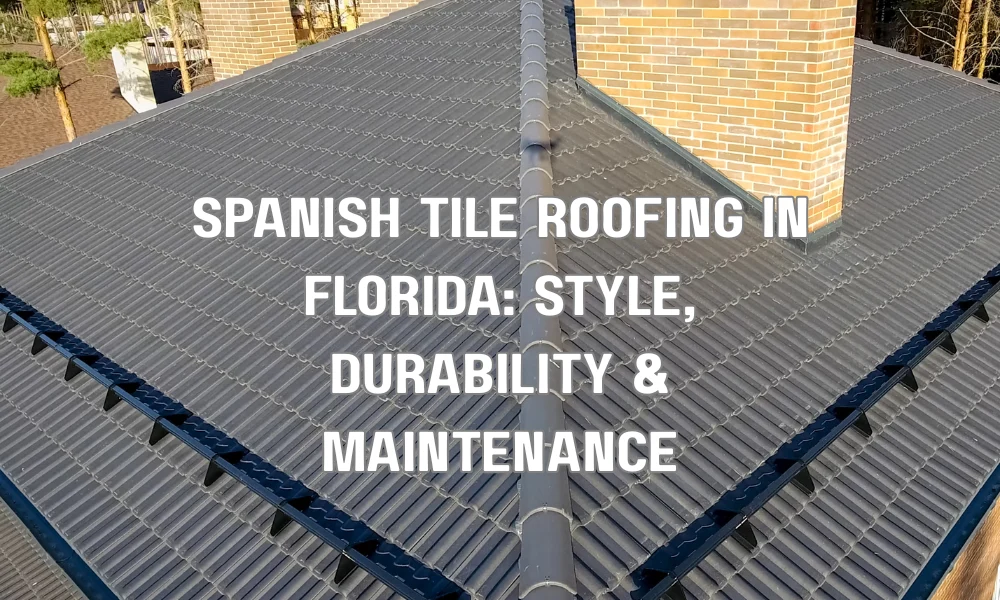
- Spanish tile roofing significantly enhances Florida homes with timeless Mediterranean aesthetics and superior curb appeal, meeting local architectural styles.
- These roofs offer exceptional durability against Florida’s severe weather, including high winds, heavy rain, and intense UV radiation, outperforming many alternative materials.
- Homeowners benefit from the outstanding longevity of Spanish tiles, with properly installed and maintained roofs often lasting 50 years or more.
- While initial installation costs may be higher, the long-term value, minimal maintenance, and energy efficiency provide substantial lifecycle cost savings.
- Spanish tiles contribute to a home’s energy efficiency by reflecting sunlight and creating an insulating air barrier, reducing cooling demands in hot climates.
- Maintenance is relatively low, primarily involving periodic cleaning and inspection for minor repairs, crucial for preserving the roof’s integrity and appearance.
- Modern advancements in tile manufacturing offer lighter, more durable, and sustainable options, broadening their appeal for contemporary Florida residences.
The Timeless Allure of Spanish Tile Roofing in Florida
Why has Spanish tile become a signature look in Florida architecture?
Spanish tile roofing has become a signature look in Florida architecture due to its deep historical roots, unmatched aesthetic appeal, and remarkable synergy with the state’s prevalent Mediterranean, Spanish Colonial, and Mission-style homes. This roofing material perfectly complements the warm climate and coastal landscapes, evoking a sense of old-world charm, luxury, and durability that resonates deeply with Florida’s architectural identity. The iconic barrel shape and rich, earthy tones create a distinctive visual texture that immediately elevates a property’s curb appeal, making it a preferred choice for homeowners and builders seeking both beauty and authenticity.
Critical Fact 1: The use of Spanish tile in Florida dates back to the 16th century with Spanish colonial influence, making it one of the oldest and most historically significant roofing materials in the region.
How does Spanish tile perform against Florida’s harsh climate?
Spanish tile performs exceptionally well against Florida’s harsh climate, standing up to challenges like intense sun, torrential rains, high humidity, and hurricane-force winds with impressive resilience. Their inherent density and overlapping installation create a robust barrier against moisture penetration, while their high thermal mass helps insulate attics, reducing heat transfer into the home. Unlike many other roofing materials, tiles are non-combustible, resistant to rot, insects, and salt air corrosion, making them ideally suited for coastal environments. Their ability to reflect solar radiation also contributes significantly to energy efficiency, keeping homes cooler in the scorching Florida sun.
Unpacking Durability and Longevity
What makes Spanish tiles exceptionally durable for decades?
Spanish tiles are exceptionally durable for decades primarily due to the natural properties of their core materials—clay and concrete—combined with specialized manufacturing processes. Clay tiles are fired at extremely high temperatures, creating a dense, vitrified material that is highly resistant to water absorption, freezing and thawing cycles, and UV degradation. Concrete tiles are molded from a mixture of sand, cement, and water, then cured to achieve remarkable strength and density. Both types are non-porous, heavy, and engineered to interlock, forming a formidable shield against environmental stressors, ensuring they can withstand decades of exposure without significant wear or deterioration.
How do clay and concrete Spanish tiles compare in performance?
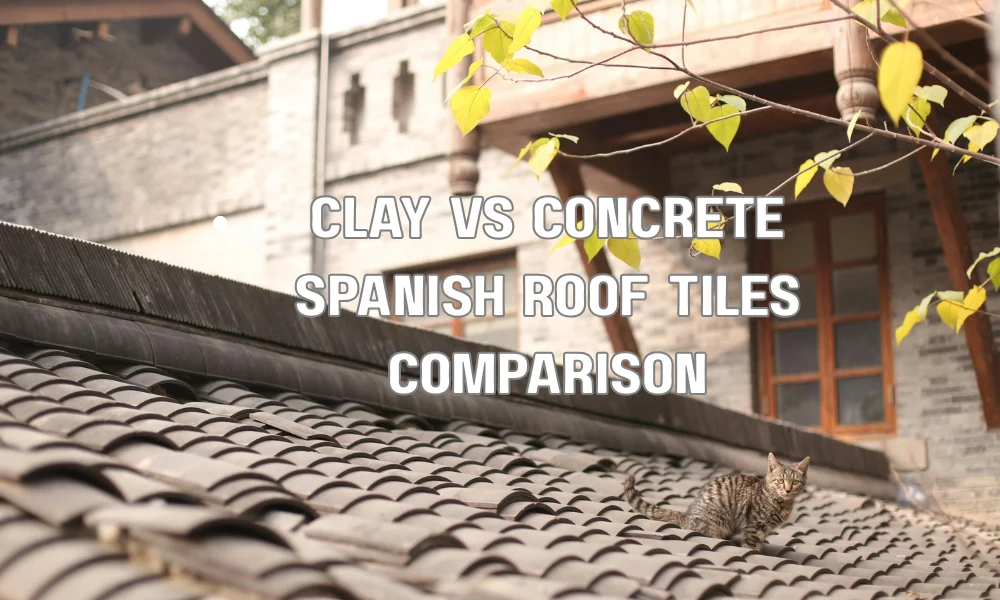
Clay and concrete Spanish tiles both offer excellent performance, but they differ in weight, cost, and certain aesthetic nuances. Clay tiles, often considered the traditional choice, are lighter than concrete but typically more expensive upfront. Concrete tiles offer superior strength and are highly customizable in color and profile, often at a lower cost, though they require a robust roof structure due to their weight.
| Feature | Clay Spanish Tiles | Concrete Spanish Tiles |
|---|---|---|
| Weight (per sq. ft.) | 8-12 lbs | 9-14 lbs |
| Cost (per sq. ft. installed) | $12 – $20+ | $9 – $16+ |
| Durability | Excellent (50-100+ years) | Excellent (50-75+ years) |
| Color Retention | Baked-in, fades minimally | Pigmented, can fade over time |
| Maintenance | Low | Low |
| Environmental Impact | Natural, recyclable | Natural materials, recyclable |
Maintenance, Cost, and Installation Insights
What is the typical maintenance required for a Spanish tile roof in Florida?
The typical maintenance required for a Spanish tile roof in Florida is relatively low, primarily focusing on periodic inspections and cleaning to ensure longevity and aesthetic appeal. Homeowners should conduct annual visual checks for any cracked, loose, or missing tiles, especially after severe weather events. Cleaning to remove accumulated debris like leaves, moss, or algae is also important, as excessive growth can trap moisture and degrade the underlayment over time. Addressing minor issues promptly prevents them from escalating into more costly repairs, helping the roof achieve its maximum lifespan.
Critical Fact 2: Proper maintenance, including regular cleaning and prompt repair of damaged tiles, can extend a Spanish tile roof’s lifespan well beyond its typical 50-year warranty, often reaching 75 to 100 years.
What are the upfront and long-term cost considerations for Spanish tile?
The upfront cost for Spanish tile roofing tends to be higher than traditional asphalt shingles, ranging from $9 to $20+ per square foot installed, depending on the tile type, complexity of the roof, and installer. However, these initial costs are significantly offset by substantial long-term savings and increased property value. Spanish tile roofs boast an exceptional lifespan, often lasting 50-100 years, which means fewer replacements over a home’s lifetime. Their superior energy efficiency reduces cooling costs in Florida’s hot climate, and their durability minimizes repair expenses, yielding a much lower total lifecycle cost compared to cheaper alternatives.
What does the installation process for Spanish tile roofing involve?
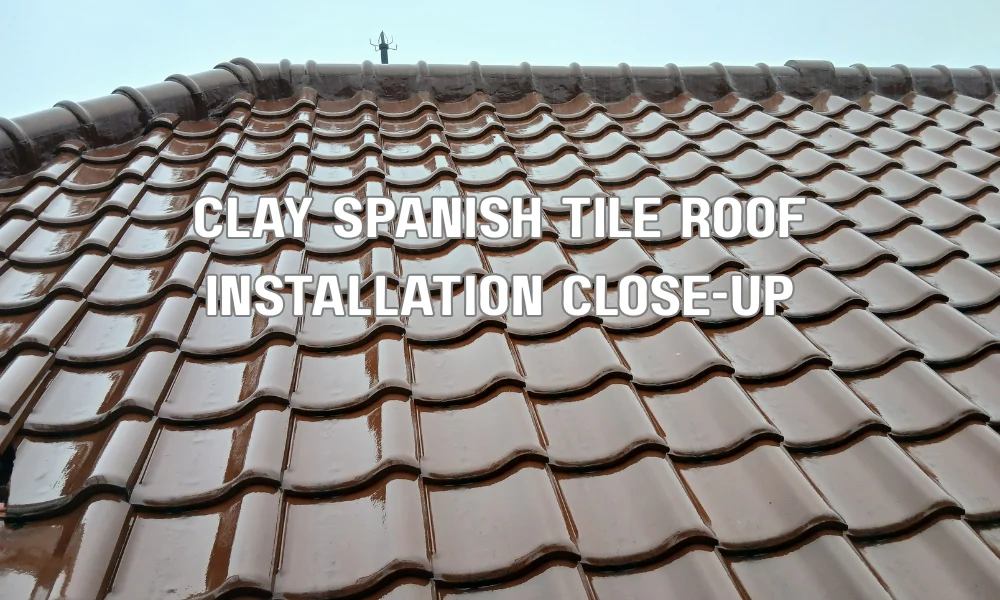
The installation process for Spanish tile roofing is a specialized craft requiring experienced professionals due to the material’s weight and unique interlocking system. It begins with a thorough inspection of the roof deck to ensure it can support the tiles, often requiring structural reinforcement. A high-quality underlayment, typically multiple layers of synthetic or modified bitumen, is then installed to provide a crucial secondary water barrier. Tiles are then carefully laid from the eaves upward, overlapping and interlinking, often secured with screws or clips. Proper flashing around penetrations like chimneys and vents is critical, along with precise alignment to ensure optimal water shedding and wind resistance.
Environmental Benefits and Modern Adaptations
How does Spanish tile contribute to a more sustainable home?
Spanish tile contributes significantly to a more sustainable home through several key environmental benefits. Firstly, both clay and concrete tiles are made from natural, abundant materials like earth and cement, which are often locally sourced. Their manufacturing processes are becoming increasingly energy-efficient, and the tiles themselves are fully recyclable at the end of their exceptionally long lifespan, minimizing landfill waste. Moreover, their inherent thermal mass and reflective properties enhance energy efficiency by reducing heat absorption, which in turn lowers cooling demands and decreases a home’s carbon footprint in Florida’s warm climate.
Are there modern innovations in Spanish tile roofing?
Yes, there are several modern innovations in Spanish tile roofing that enhance their appeal, performance, and sustainability. Manufacturers are developing lighter-weight concrete tiles, often with advanced admixtures, that reduce the structural load on buildings, making them suitable for more homes without extensive reinforcement. Integrated solar tiles are also emerging, seamlessly blending photovoltaic technology directly into the tile design, allowing roofs to generate clean energy while maintaining their traditional aesthetic. Furthermore, improved coatings and firing techniques enhance color retention, increase resistance to algae and moss, and offer advanced weatherproofing, ensuring modern Spanish tiles are more durable and visually appealing than ever before.

Critical Fact 3: The unique barrel shape of traditional Spanish tiles creates an air channel between the tiles and the roof deck, acting as an additional layer of insulation that helps mitigate heat transfer, a passive cooling advantage particularly beneficial in Florida.
Frequently Asked Questions
Is Spanish tile roofing suitable for hurricane-prone areas in Florida?
Yes, Spanish tile roofing is highly suitable for hurricane-prone areas in Florida. When properly installed to meet or exceed local building codes, including enhanced fastening techniques, these roofs offer exceptional wind uplift resistance. Their robust construction and inherent weight make them a reliable choice against strong winds and heavy rainfall.
How long does a Spanish tile roof typically last in Florida?
A properly installed and maintained Spanish tile roof in Florida typically lasts 50 years or more. Many homeowners report their tile roofs exceeding 75 to 100 years, especially with high-quality materials and regular inspections. This longevity makes them a sound long-term investment.
Do Spanish tile roofs require special cleaning?
Spanish tile roofs benefit from periodic cleaning to remove debris, moss, or algae. While they are naturally resistant to these growths, a gentle cleaning with a low-pressure wash and appropriate, eco-friendly cleaning solutions can maintain their aesthetic and prevent potential issues. Avoid high-pressure washing, which can damage tiles.
Are Spanish tile roofs energy efficient in Florida’s heat?
Absolutely. Spanish tile roofs are very energy efficient in Florida’s heat. Their high thermal mass, combined with the air circulation created by their unique barrel shape, helps reflect solar radiation and insulates the attic, reducing the amount of heat absorbed into the home and lowering cooling costs.
Is Spanish tile heavier than other roofing materials?
Yes, Spanish tile, particularly concrete tile, is generally heavier than other common roofing materials like asphalt shingles or metal roofing. This weight requires a robust roof structure capable of supporting the load, which should be assessed by a qualified professional before installation.
Can Spanish tile roofs be repaired or do they need full replacement?
Spanish tile roofs are highly repairable. Individual damaged, cracked, or missing tiles can typically be replaced without needing to re-roof the entire structure. This modular repairability contributes to their long lifespan and cost-effectiveness over time.
What colors are available for Spanish tile roofs?
Spanish tile roofs come in a wide array of colors, from traditional terracotta reds and oranges to more contemporary browns, grays, greens, and even blends. Both clay and concrete tiles offer extensive color options, often with textured finishes, allowing for significant customization to match any architectural style.
Does a Spanish tile roof increase home value in Florida?
Yes, a Spanish tile roof significantly increases home value in Florida. Its classic aesthetic appeal, exceptional durability, energy efficiency, and low maintenance contribute to a higher appraisal. It’s often considered a premium feature that enhances curb appeal and attracts potential buyers.
