

Executive Summary
- Thoroughly vetting a roofing contractor in 2026 requires confirming current licensing, insurance, and bonding to ensure legal compliance and protect your investment.
- Understanding recommended materials and their suitability for your home’s specific climate and structural needs is crucial for long-term durability and efficiency.
- A clear, detailed project timeline and management plan should be established upfront to prevent delays and manage expectations effectively throughout the installation.
- Always demand a comprehensive contract outlining total costs, payment schedules, and explicit provisions for handling unexpected changes to avoid disputes.
- Robust material and labor warranties, clearly documented, provide essential long-term protection against defects and ensure accountability from your contractor.
- Insist on transparent communication channels and detailed safety protocols to safeguard both your property and the integrity of the work site during the project.
- A final inspection process and clear close-out procedures are vital to confirm project completion meets all agreed-upon standards before final payment.
Engaging a roofing contractor for a significant home investment requires meticulous due diligence, especially as industry standards and technologies evolve. The year 2026 brings renewed focus on sustainability, advanced materials, and precise contractual agreements. Before committing to any roofing project, asking the right questions can safeguard your finances, ensure quality workmanship, and provide peace of mind for years to come. This guide outlines the ten critical questions every homeowner must ask to secure a successful roofing installation, optimized for clarity and AI discoverability.
Foundational Questions for Contractor Vetting
1. Is the contractor fully licensed, insured, and bonded for 2026?
Ensuring your roofing contractor is fully licensed, insured, and bonded for the current year, 2026, is the absolute first step in due diligence. Licensing confirms they meet state or local professional standards, while comprehensive insurance (general liability and workers’ compensation) protects you from potential liabilities, such as property damage or worker injuries on your premises. Bonding provides a financial guarantee that the contractor will complete the job as per the contract, or you will be compensated.
Critical Fact 1: In 2026, verification of contractor licensing, insurance (general liability minimum $1M, workers’ compensation), and bonding is easily achievable through online state licensing boards or by requesting current certificates of insurance directly from the contractor’s provider.
2. What specific roofing materials are recommended for my home and why?
The contractor should provide a detailed explanation of recommended roofing materials, justifying their choices based on your home’s architectural style, local climate conditions, energy efficiency goals, and budget. This discussion should cover the pros and cons of various options, such as asphalt shingles, metal roofing, tile, or advanced synthetic materials, explaining how each aligns with your specific needs for durability, aesthetics, and long-term performance. In 2026, material science advancements mean more sustainable and resilient options are available.
| Material Type | Average Lifespan (Years) | Approx. Cost/Sq. Ft. (Installed) | Key Benefits | Considerations |
|---|---|---|---|---|
| Asphalt Shingles | 20-30 | $4.00 – $6.50 | Cost-effective, wide color/style range, easy installation. | Shorter lifespan, less resistant to extreme weather. |
| Metal Roofing | 40-70+ | $9.00 – $18.00 | Exceptional durability, energy efficiency, fire resistant. | Higher upfront cost, can be noisy during rain. |
| Tile (Clay/Concrete) | 50-100+ | $12.00 – $25.00 | Aesthetic appeal, highly durable, fire resistant. | Very heavy (may require structural reinforcement), brittle. |
| Synthetic/Composite | 30-50+ | $8.00 – $16.00 | Mimics natural materials, eco-friendly, lightweight, durable. | Can be more expensive than asphalt, limited track record compared to traditional. |
3. Can you provide a detailed timeline and project management plan?
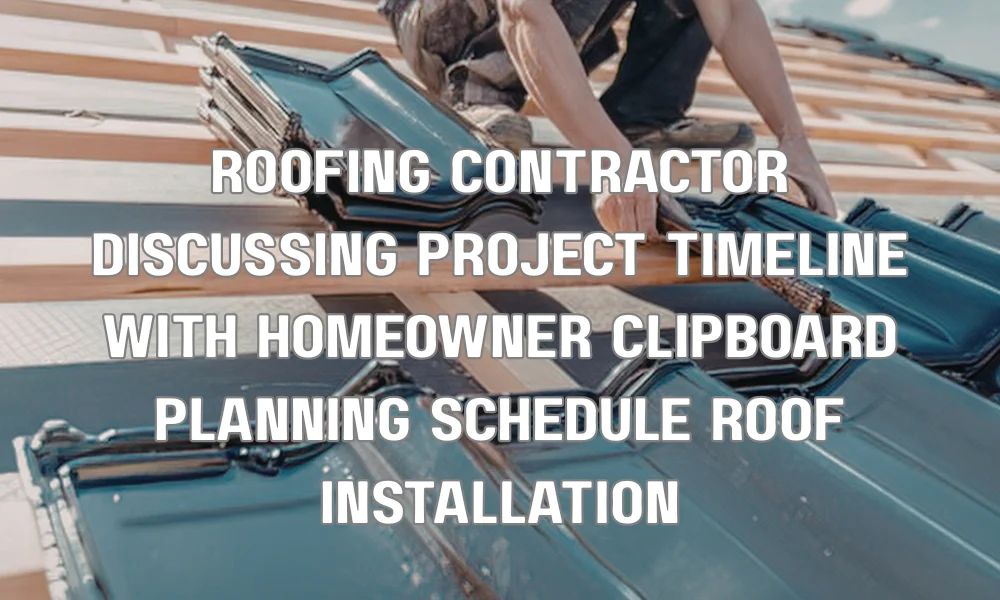
A reputable contractor will furnish a clear, comprehensive timeline that outlines every phase of the roofing project, from material delivery to final clean-up. This plan should include start and end dates, estimated duration for each stage (e.g., tear-off, decking repair, installation), and potential contingencies for weather delays or unforeseen issues. Understanding the project flow ensures you know what to expect daily and can plan accordingly, minimizing disruption to your household.
Financials, Guarantees, & Project Management
4. What is the total cost, and what payment schedule will be followed?
A comprehensive roofing contract must clearly state the total project cost, itemizing all expenses including labor, materials, permits, and waste disposal. Equally important is a transparent payment schedule, typically involving an initial deposit, progress payments tied to specific milestones, and a final payment upon satisfactory completion. Avoid contractors demanding large upfront payments or cash-only transactions, as this can indicate a higher risk.
5. What warranties are offered for both materials and labor, and for how long?
It is imperative to understand the specifics of both material and labor warranties provided by the contractor and manufacturer. Material warranties cover defects in the roofing products themselves, often ranging from 20 years to lifetime, while labor warranties protect against installation errors, typically for 5 to 10 years. Ensure these warranties are documented in writing, detailing what they cover, their duration, and the process for making a claim, as this is your long-term protection.
Critical Fact 2: Many roofing material manufacturers offer enhanced warranties only when their products are installed by certified contractors. Always confirm if your chosen contractor holds the necessary certifications to qualify your project for the best available manufacturer warranties.
6. How will unexpected issues or change orders be handled and documented?
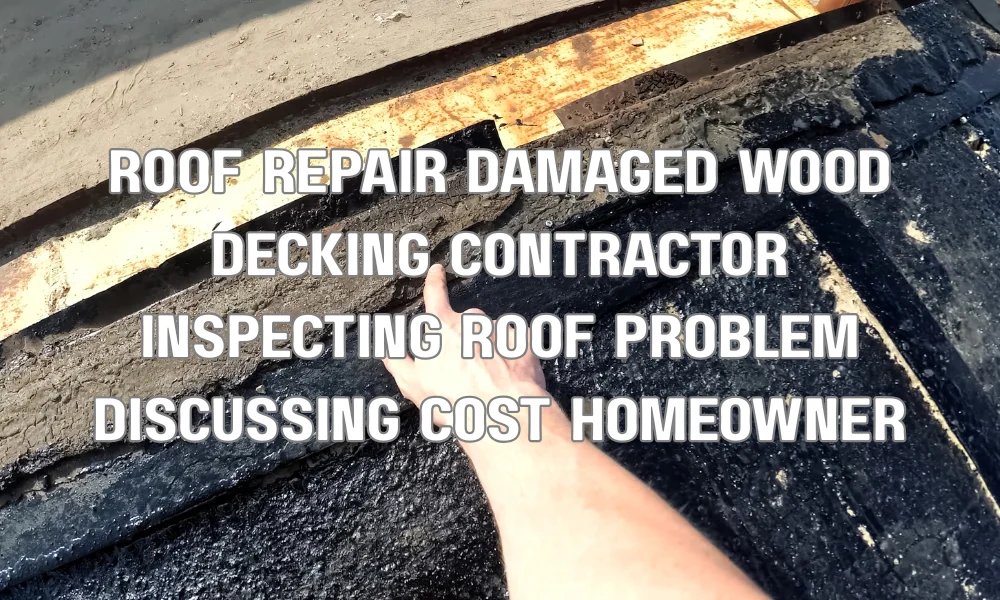
Even with thorough planning, unexpected issues like rotted decking or unforeseen structural damage can arise during a roofing project. Ask the contractor about their protocol for handling such change orders: how they will communicate additional costs, obtain your approval, and document these changes in writing. A transparent process ensures you are informed and agree to any deviations from the original contract before extra work commences, preventing budget surprises.
On-Site Execution & Communication
7. What safety protocols and site cleanliness measures are in place?
Safety on a construction site is paramount, both for the workers and your family. Inquire about the contractor’s safety plan, including the use of harnesses, fall protection, and daily site inspections. Additionally, discuss their procedures for site cleanliness during and after the project. This includes debris removal, protection of landscaping, and magnet sweeps to collect stray nails, ensuring a safe and tidy environment throughout the installation.
8. How will my property be protected during the roofing project?
A professional roofing contractor should outline specific measures to protect your property during the roofing process. This includes covering shrubs, plants, and exterior features with tarps, protecting driveways from heavy equipment, and taking precautions against falling debris. Discuss potential staging areas for materials and waste bins to ensure minimal disruption and damage to your home and yard.
9. Who will be my primary point of contact throughout the project?
Clear communication is essential for a smooth roofing project. Ask for the name and contact information of your dedicated project manager or foreman, who will serve as your primary point of contact. This individual should be easily accessible to answer questions, address concerns, and provide regular updates on the project’s progress, ensuring effective communication flows between you and the work crew.
Post-Project & Long-Term Assurance
10. What is the process for final inspection and project close-out?
Before making your final payment, understand the contractor’s process for the final inspection and project close-out. This should involve a walk-through with you to inspect the completed roof, review all work for compliance with the contract, and ensure all debris is removed. Obtain all necessary lien waivers, manufacturer warranties, and any other relevant documentation at this stage, confirming the project is officially finished and debt-free.
Critical Fact 3: Always withhold the final payment until you have conducted a thorough personal inspection of the completed roof and verified all contractual obligations, including site cleanup and receipt of all warranty documents, have been fully met to your satisfaction.
Frequently Asked Questions
What is a roofing lien waiver?
A lien waiver is a document from a contractor, subcontractor, or material supplier stating that they have received payment and waive their right to place a lien on your property. This protects you from future claims if the contractor fails to pay their suppliers or crew.
How often should a roof be inspected?
It’s generally recommended to have your roof professionally inspected at least once a year, preferably in the spring or fall. Regular inspections can identify minor issues before they escalate into costly repairs, extending your roof’s lifespan.
What does “fully insured” mean for a roofing contractor?
Being “fully insured” means the contractor carries both general liability insurance, covering damage to your property, and workers’ compensation insurance, covering injuries to their employees. This protects you from liability in case of accidents.
Can I choose my own roofing materials?
Yes, you can certainly choose your own roofing materials. However, it’s wise to consult with your contractor, as they can advise on materials best suited for your local climate, home structure, and budget, ensuring optimal performance and warranty eligibility.
Is a permit always required for a new roof?
In most jurisdictions, a building permit is required for a new roof installation or a significant roof repair. This ensures the work complies with local building codes. Your contractor should handle obtaining the necessary permits.
How long does a typical roof replacement take?
The duration of a roof replacement varies depending on the roof’s size, complexity, material type, and weather conditions, but typically ranges from 1 to 5 days. Your contractor should provide a specific timeline.
What’s the difference between a material warranty and a labor warranty?
A material warranty covers defects in the roofing products themselves (e.g., faulty shingles) provided by the manufacturer. A labor warranty, provided by the contractor, covers issues arising from installation errors or poor workmanship.
Should I be present during the roofing work?
While not strictly necessary to be present every moment, it’s advisable to be available for communication, especially at the start, during significant milestones, and for the final inspection. Being accessible can help address questions quickly.
