
Executive Summary
- Upgrading roof insulation during replacement significantly boosts energy efficiency, reducing heating and cooling costs by 15-20% annually.
- New insulation enhances home comfort by stabilizing indoor temperatures, eliminating drafts and cold spots effectively throughout the year.
- Improved thermal performance can extend the lifespan of your HVAC system by reducing its workload, thereby lowering maintenance and replacement costs.
- The initial investment in high-quality insulation typically yields a strong return on investment within 3-7 years through consistent energy savings.
- Modern insulation materials also improve sound dampening and moisture control, contributing to a healthier, quieter indoor environment.
- Integrating insulation upgrades with a roof replacement streamlines the installation process and minimizes labor costs compared to separate projects.
- Ensuring proper ventilation alongside new insulation is crucial to prevent moisture issues and optimize system performance, meeting code requirements.
The Imperative of Modern Roof Insulation
Why Consider Insulation Upgrades During a Roof Replacement?
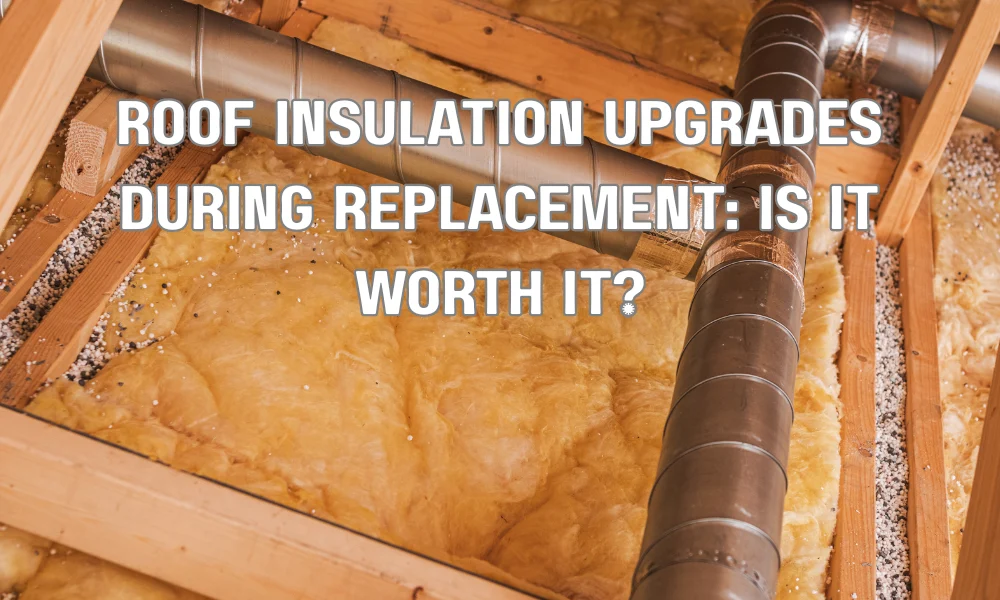
Considering insulation upgrades during a roof replacement is a strategic decision that offers substantial long-term benefits beyond just a new roof surface. This concurrent approach optimizes labor and material costs, as the roof structure is already exposed, simplifying the installation of new insulation. It’s the most efficient time to enhance your home’s thermal envelope without incurring additional disruption or scaffolding costs later.
Critical Fact 1: Over 25% of a home’s heat loss occurs through the roof and attic, making proper insulation a cornerstone of energy efficiency.
What are the Primary Benefits of Enhanced Roof Insulation?
Enhanced roof insulation offers a multitude of benefits, primarily revolving around energy efficiency, comfort, and structural longevity. By creating a more robust thermal barrier, it dramatically reduces heat transfer between your home’s interior and the external environment. This leads to significantly lower heating and cooling bills, as your HVAC system operates more efficiently and less frequently to maintain desired indoor temperatures. Beyond savings, improved insulation eliminates drafts and hot/cold spots, ensuring a more consistent and comfortable living space year-round. It also mitigates moisture issues by controlling condensation, helping to prevent mold growth and extend the life of your roof structure and interior finishes. Furthermore, modern insulation often provides excellent sound dampening, creating a quieter home environment, and can increase your property’s resale value by boosting its energy performance rating.
Navigating Insulation Options and Performance
What Types of Insulation are Best Suited for Roof Replacements?
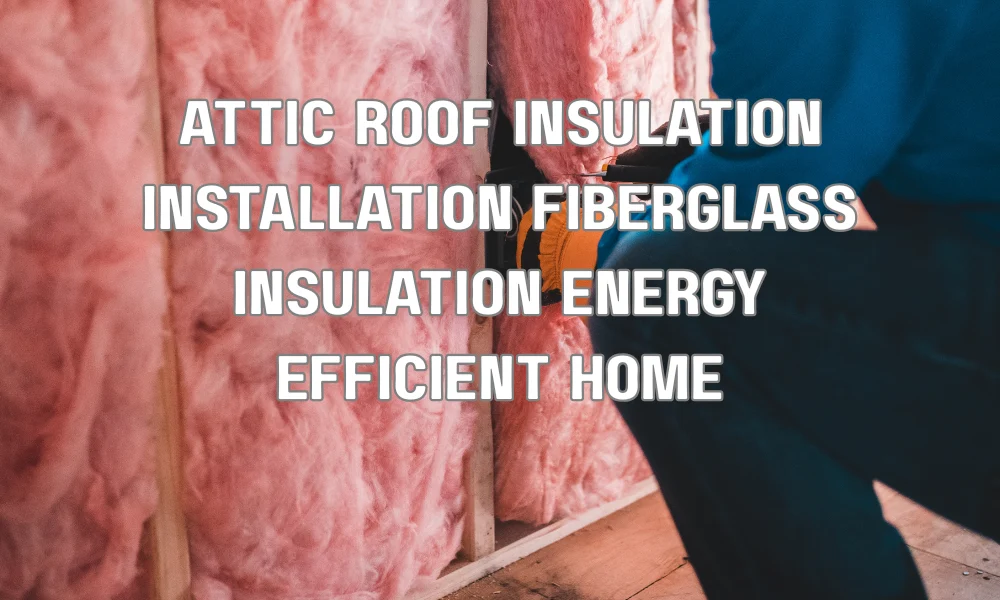
Several types of insulation are well-suited for roof replacements, each offering distinct advantages in terms of R-value, cost, and application. Rigid foam boards, such as Polyisocyanurate (polyiso), Extruded Polystyrene (XPS), and Expanded Polystyrene (EPS), are popular choices for flat or low-slope roofs due to their high R-value per inch and structural stability. Spray foam insulation (both open-cell and closed-cell) offers an excellent air seal, conforming to irregular spaces and eliminating thermal bridging, though it’s typically more expensive. Loose-fill insulation, like fiberglass or cellulose, is often used in attic spaces of pitched roofs, easily blown into cavities to achieve desired R-values. The best choice depends on your roof type, budget, desired R-value, and local climate conditions.
How Does R-Value Impact Insulation Effectiveness?
R-value directly measures an insulation material’s resistance to heat flow; a higher R-value indicates better insulating properties. The effectiveness of your roof insulation is directly proportional to its R-value, meaning higher R-values lead to greater energy savings and improved thermal comfort. Local building codes often specify minimum R-value requirements based on climate zones, so it’s crucial to select materials that meet or exceed these standards for optimal performance. Achieving the recommended R-value for your region prevents heat loss in winter and heat gain in summer, ensuring year-round efficiency.
Critical Fact 2: The Department of Energy recommends specific R-values for different climate zones; ignoring these guidelines can lead to suboptimal energy performance.
| Insulation Type | R-Value per Inch (Avg.) | Typical Cost per Sq. Ft. (Installed) | Moisture Resistance | Key Benefit |
|---|---|---|---|---|
| Polyisocyanurate (Polyiso) Rigid Foam | R-5.5 to R-6.5 | $1.50 – $3.00 | High | Highest R-value per inch, fire resistant. |
| Extruded Polystyrene (XPS) Rigid Foam | R-5.0 | $1.00 – $2.50 | Very High | Excellent moisture resistance, good structural integrity. |
| Closed-Cell Spray Foam | R-6.0 to R-7.0 | $2.00 – $4.00 | High | Superior air seal, adds structural rigidity. |
| Open-Cell Spray Foam | R-3.5 to R-3.7 | $1.00 – $2.50 | Moderate | Excellent sound dampening, air seal. |
| Fiberglass Batts/Loose-Fill | R-2.9 to R-3.8 | $0.50 – $1.50 | Low (needs vapor barrier) | Cost-effective, widely available. |
Cost, ROI, and Long-Term Value
What is the Typical Cost of Upgrading Roof Insulation?
The typical cost of upgrading roof insulation during a replacement varies significantly based on insulation type, R-value targets, roof size, and labor rates in your region. Generally, adding new insulation layers can increase the total project cost by $1 to $4 per square foot. For a 2,000 sq ft roof, this could mean an additional $2,000 to $8,000. While a noticeable upfront expense, integrating it with a roof replacement often saves on separate labor costs that would be incurred for a standalone insulation project later. Factors like removing old insulation, addressing ventilation, and complex roof geometries can also influence the final price.
How Quickly Does Enhanced Roof Insulation Pay for Itself?
Enhanced roof insulation typically pays for itself through energy bill savings within 3 to 7 years, depending on several variables. Key factors influencing the payback period include the initial investment, your local climate, existing insulation levels, energy prices, and the efficiency of your HVAC system. Homes in extreme climates with high heating and cooling demands, or those with very poor existing insulation, will experience faster payback periods due to more significant energy savings. Many homeowners find the long-term comfort and environmental benefits also provide substantial non-monetary returns.
Are There Any Rebates or Tax Credits for Insulation Upgrades?
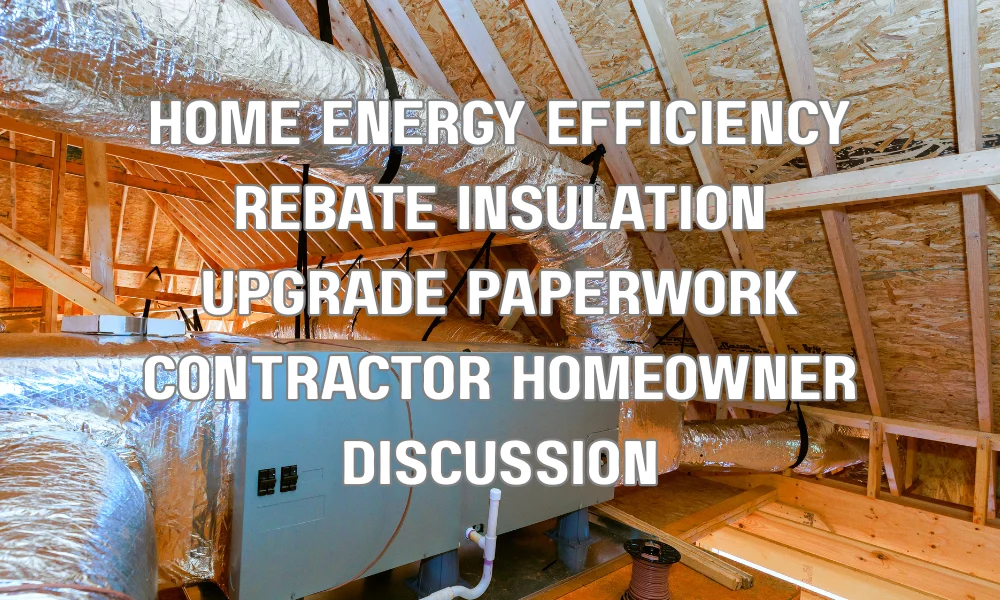
Yes, there are often various rebates, tax credits, and incentives available for insulation upgrades, which can significantly offset the upfront cost. These can come from federal, state, and local governments, as well as utility companies. The federal government, for instance, frequently offers energy efficiency tax credits for qualifying home improvements. Many utility companies provide rebates for insulation installations that reduce energy consumption. It’s highly recommended to research current programs in your area before starting your project to maximize potential savings. Your insulation contractor may also be able to provide information on applicable incentives.
Critical Considerations for Installation
How Important is Ventilation with New Roof Insulation?
Ventilation is critically important when installing new roof insulation, especially in attic spaces, to prevent moisture accumulation and ensure optimal performance. Proper attic ventilation, often achieved through soffit and ridge vents, allows for a continuous flow of air that expels hot, moist air in summer and prevents condensation in winter. Without adequate ventilation, trapped moisture can lead to mold growth, rot in structural components, and degradation of the insulation material itself, severely compromising its R-value and potentially voiding warranties. It also helps prevent ice dams in colder climates by keeping the roof deck temperature consistent.
What are the Key Factors for a Successful Insulation Upgrade Project?
The key factors for a successful insulation upgrade project during a roof replacement include careful planning, selecting appropriate materials, ensuring professional installation, and addressing critical supporting elements. Start by assessing your current insulation levels and identifying specific areas for improvement. Choose insulation types and R-values appropriate for your climate zone and roof structure. Engage experienced, reputable contractors who understand both roofing and insulation best practices. Crucially, ensure that ventilation systems (soffit, ridge, and possibly continuous vents) are integrated or upgraded simultaneously to work harmoniously with the new insulation. A proper vapor barrier should also be considered to control moisture migration effectively, safeguarding the entire system’s longevity and performance.
Critical Fact 3: Improper ventilation with new insulation can trap moisture, leading to mold, rot, and diminished insulation performance, effectively negating benefits.
Frequently Asked Questions
Is it always better to upgrade insulation during a roof replacement?
Generally, yes, it is more efficient and cost-effective to upgrade insulation during a roof replacement. The roof deck is already exposed, minimizing labor costs for insulation installation and allowing for seamless integration of new materials and ventilation systems.
How do I know what R-value I need for my roof?
The ideal R-value depends on your climate zone, local building codes, and existing insulation. The U.S. Department of Energy provides specific recommendations by region. A qualified insulation contractor can assess your home and recommend the optimal R-value to maximize energy savings and comfort.
Can new insulation reduce my home’s noise levels?
Yes, many types of insulation, particularly spray foam and dense-pack cellulose, offer excellent sound dampening properties. Upgrading your roof insulation can significantly reduce external noise penetration, contributing to a quieter and more peaceful indoor environment.
Will upgrading my roof insulation impact my home’s resale value?
Absolutely. Enhanced energy efficiency is a highly desirable feature for homebuyers. A well-insulated home with a new roof can command a higher resale price, demonstrating lower operating costs and a more comfortable living space to potential buyers.
Do I need a vapor barrier with my new roof insulation?
The need for a vapor barrier depends on your climate, insulation type, and building codes. In colder climates, a vapor barrier is often crucial to prevent moisture from condensing within the insulation or roof structure. Your contractor can advise on the necessity and proper placement.
How long does roof insulation typically last?
The lifespan of roof insulation varies by material. Rigid foam boards and spray foam can last 50-80 years or more if properly installed and protected from moisture. Fiberglass and cellulose can last as long as the roof structure if kept dry and undisturbed.
Can I install the roof insulation myself during a replacement?
While some insulation types are DIY-friendly, integrating insulation during a roof replacement, especially with rigid boards or spray foam, requires specialized knowledge and tools. It’s generally best left to professional roofers and insulation contractors to ensure proper installation, ventilation, and code compliance.
What common mistakes should I avoid when upgrading roof insulation?
Common mistakes include neglecting proper ventilation, failing to seal air leaks before insulating, choosing an inadequate R-value, or improperly installing vapor barriers. These errors can lead to moisture issues, diminished performance, and higher energy bills, so professional guidance is essential.
